
 17 C
17 C theleaflet
Elections 2026World / theleaflet
WHEN A COURT GRANTS BAIL , it makes a judicial determination that the liberty of the accused may safely be restored pending trial. Whether that determination takes effect, however, depends upon an administrative sequence that follows the order, over which the accused exercises no control. Where that sequence fails, the order of release remains on file and the person to whom it relates remains in prison. The Supreme Court addressed this precise failure three years ago. In In Re: Policy Strategy f

ON OCTOBER 16 AROUND two thousand people succeeded in gathering in Delhis Connaught Circus holding national flag to participate in the Lehra Do Tiranga (wave the tricolour) march in spite of the Modi regime unleashing coercive power of Delhi police in an unabashed manner to prevent them and Cockroach Janata Party leader Abhijit Dipke and feisty Neha Vora of All India Students Organisation (AISA) for leading the march. Such blatant use of force and intimidation for crushing dissent did not deter
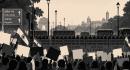
A DEMOCRACY DOES NOT have to formally suspend its Constitution to make dissent difficult. Sometimes, it is enough to close the routes through which citizens reach one another, restrict access to the spaces where they assemble, and make the costs of protest so high that people begin to withdraw before they are stopped. When public infrastructure becomes an instrument for controlling political participation, the suppression of dissent extends beyond the policing of a crowd. The events reported in
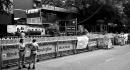
THE heavy handed and oppressive measures taken against protesters on October 10 demanding CEC Gyanesh Kumars resignation gave an impression that those operating Indian State apparatus waged a war against We the People. To deal with the call of the Cockroach Janata Party (CJP) to protest in Delhi on 10 th October asking Kumar to quit office, Delhi police turned the national capital city into a fortress by deploying more than 50,000 security forces to prevent people to exercise their constitutiona