


Uttar Pradesh turns to cattle to beef up rural incomes; 40,000 subsidy on offer per animal
Under UP State Livestock Mission, farmers buying eligible indigenous cows will receive a subsidy of Rs 40,000 per animal. The government will also pay 85% of the livestock insurance premium, leaving owners to bear the remaining 15%.
Sugar season 202627 begins on schedule, nearly 107 mills commence operations across India: ISMA
In Maharashtra, the countrys largest sugar-producing state, close to 87 mills have commenced operations. More mills are expected to start in the coming week as cane harvesting gathers pace.
Wheat sowing lags at 11,000 hectare so far amid deficient monsoon; rabi acreage down
Wheat sowing in India has reached 11,000 hectares as of October 23, against 27,000 hectares a year earlier, as a deficient southwest monsoon raises concerns over soil moisture and irrigation availability. Punjab and Rajasthan face particular risks, while overall rabi crop coverage has also fallen, Agriculture Ministry data showed.
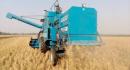
Top 10 sustainable ways to manage paddy straw efficiently
Discover top 10 in-situ and ex-situ paddy straw management techniques, including Super Seeders, bio-decomposers, bioenergy, animal feed, and mushroom farming.
Cotton shortage set to worsen as new deals drive export demand
The impact of El Nino weather conditions could further hurt domestic production, expected to fall by 3.4% to a new low in the 2026-27 crop year ended September. Cotton imports hit a record high in 2025-26 to an estimated 7.1 million bales of 170 kilograms compared to last year's imports of 5.74 million bales. Prices have also risen more than 7% in the past month.
ISMA says 107 sugar mills begin crushing operations so far, enough stock to meet domestic demand
Nearly 110 sugar mills have begun operations for the 2026-27 sugar marketing year in several states. The Indian Sugar & Bio-Energy Manufacturers Association stated that the industry is prepared for sugarcane crushing. This readiness helps meet the expected domestic sugar demand of 280-285 lakh tonne annually. The government has also extended duty-free import windows to maintain sugar availability during the festive period.

How to harvest rice crop, prepare farm for the next
Learn step-by-step techniques to harvest paddy crops, manage post-harvest straw, improve soil fertility, and prepare fields for the next cropping season.

IIT Kanpur to host Global Climate Resilience Summit on regenerative agriculture in Lucknow
IIT Kanpur and the Pontifical Academies of Sciences and Social Sciences will host a November summit in Lucknow on regenerative agriculture, water security, clean energy and rural climate resilience.


Rallis India reports 3% H1 revenue growth, PAT rises 6% in FY27
Rallis India reported 3% revenue growth and 6% profit growth in H1 FY27, supported by crop care and soil health businesses despite a challenging kharif season.

TERI study identifies 47.5 million hectares of agrivoltaic potential in India
A TERI study estimates that 47.5 million hectares of Indian cropland are technically suitable for agrivoltaics, combining solar power generation with agricultural activities.

India is developing a national action plan for inland small-scale fisheries, targeting 30 million tonnes of fish production in five years while focusing on sustainable livelihoods and climate resilience.

Heritage Foods to merge Livo yogurt business, targets 50% value-added dairy revenue
Heritage Foods plans to merge its subsidiary Heritage Novandie Foods, which operates the Livo yogurt brand, to streamline operations and expand value-added dairy products.

CMFRI supplies 5 lakh green mussel seeds to coastal fishers in Maharashtra
In a major research-led achievement, the ICAR-Central Marine Fisheries Research Institute (CMFRI) has supplied an additional five lakh hatchery-produced green mussel seeds to fisherfolk and tribal communities in Maharashtra, bringing the cumulative supply to one million seeds within the past six months.

11 crore farmers get unique digital ID
Farmer IDs are expected to enable transparent, efficient and timely access for farmers to government schemes, bank credit, crop insurance, and disaster relief
Centre beats March 2027 target, issues 11 crore unique farmer IDs under AgriStack
The Indian government has successfully created 11 crore unique Farmer IDs under the AgriStack framework. This achievement was completed ahead of the scheduled deadline, enhancing transparency and efficiency for farmers. Farmers will only need their unique ID to access various government schemes and benefits. Union Agriculture Minister Shivraj Singh Chouhan highlighted the significance of this milestone for Indian agriculture.

Top blockchain companies transforming Indian agriculture
Explore blockchain companies transforming Indian agriculture through farm traceability, digital commodity trading, supply chain transparency and farmer finance.
Chana sowing holds key to pulses inflation
Chana, India's most consumed pulse, which is central to making everything from salty snacks to nutritious meals, needs adequate soil moisture and cool weather for a good crop. Sowing has started in some regions, but the progress is slow. State advisories to conserve water and shift to less water-intensive crops have added to concerns over winter sowing.

Delhi conference to explore new markets for Indian rice
Trade and business representatives from over 150 countries to attend the meet to assess the 2027 price outlook and identify ways to earn more from rice

IPEMA-Poultry India holds 19th AGM, sets growth priorities
IPEMA-Poultry India



Kerala Co-operative Milk Marketing Federation (KCMMF), known by its brand name Milma, has cautioned the public about a fake link claiming to give away INR 50,000 as Milma

Top blockchain companies transforming global agriculture in 2026
Discover leading blockchain agriculture companies in 2026, including Dimitra and AgriDex, transforming farming, food traceability and global trade.

Unlocking agri-potential of FRA lands
While the Forest Rights Act (FRA), 2006, has strengthened land and livelihood rights of millions of tribals and forest-dwelling communities, the next step is to complement these rights

The environmental cost of AI is a polarising subject. Some reports are clearly exaggerated, but we still need to be mindful of the harms that can result to communities exposed to them. Rahul Matthan argues that India

On paddy field conservation in Keralam
Neglecting paddy fields as a socio-ecological system that regulates local biodiversity, the hydrological cycle, and microclimate constitutes a grave failure, amid rising food insecurity and floods
Indias drought-hit maize crunch pits poultry, ethanol makers in me first fight
Drought conditions have caused a significant decrease in maize supply, leading to competition among industries for access. Poultry producers, starch manufacturers, and ethanol plants are all vying for limited maize resources, exacerbating the situation. As maize prices continue to rise, the poultry industry has expressed concerns about potential feed shortages. Industry bodies have urged the government to prioritize maize for food production over fuel use.
Tomato prices crash 65% in a week as drought-hit Nashik farmers face a double blow
Tomato farmers in Nashik are facing a double blow as drought conditions and a supply glut drive down prices at Pimpalgaon APMC. Wholesale rates have fallen nearly 65% in a week to Rs 111 per 20-kg crate, while retail prices have dropped 50% to Rs 20 per kg.
Uneven rains may keep price of spices elevated
Southern India is currently grappling with challenges in spice production, primarily due to uneven monsoon patterns and parched soil, which are adversely affecting harvest yields. Despite expanding cultivation areas, turmeric yields are predicted to plummet owing to unfavorable weather. Additionally, delays in red chilli sowing in Andhra Pradesh and Telangana could lead to surging market prices.
Indian megacities need locally anchored data institutions
Madhav Pai argues that India
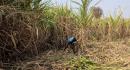
Maharashtra drought: Farmer sends money order of 5,000 to CM over paltry interim aid by govt.
I cultivated a soybean crop on 1.5 acres of my farm. I spent 25,000 and received a 60-kg yield. I could earn just 3,900. I borrowed 1,100 from my friend to send the money order, Mr. Shaikh told reporters outside Surdi post office.
Indian rice export prices hit over 1 year high on stronger rupee, crop supply concerns
Asian rice export prices have risen as Indian rates reach a one-year high amid supply concerns. Vietnamese prices are also increasing, expected to meet strong demand from the Philippines in November. Thailand's rice prices are climbing due to flooding delays and heightened purchasing activities before the season ends. In Bangladesh, rising paddy prices have led to increased costs for consumers struggling with high living expenses.

Land shortage cripples Agriculture Ministrys weather network rollout
Project is a year behind deadline, with over 96% of planned rain gauges and weather stations yet to be installed; private partners say IMD is retrospectively insisting that sensors be installed on the ground, not on rooftops
India customs scrutiny diverts Niger soybeans to Asia at steep discounts, sources say
Around 11,000 metric tons of Niger-origin soybeans bound for India were diverted to other Asian markets and sold at steep discounts as a widening customs probe into suspected import tax evasion deterred Indian buyers, four trade sources said on Thursday.

SHM Shipcare extends coastal clean-up drive to Mumbai
SHM Shipcare and the University of Mumbai conduct a beach clean-up at Dadar Kirti College Beach as part of the company

Dhanuka Agritech launches Fujita fungicide for rice blast
Dhanuka Agritech launches Fujita, a systemic fungicide designed to control rice blast in paddy crops, targeting both leaf and neck blast.
High temperatures continue to impact Indian agriculture, leading to decreased crop yields and poor germination rates. Farmers report significant losses in banana production and vegetable crops like okra and gourd. Experts warn about the increasing unpredictability of climate events affecting food security and farming practices. There is a call for greater climate adaptation finance and improved forecasting measures to address these challenges.
Early crushing to shore up sugar supplies before Diwali
A quarter of Maharashtra's sugar mills will begin operations this week to alleviate sugar shortages before Diwali. Sugar prices have increased by approximately 4% recently due to dwindling supplies and farmer protests. Millers anticipate new sugar reaching markets after October 20, following crushing activities. Farmers are encouraging quicker harvesting of sugarcane due to crop conditions, leading to lower sugar content.
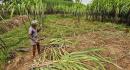
Centre sets up panel to study problems of sugarcane farmers
Representatives of sugarcane farmers from Karnataka and Maharashtra had met Union Ministers demanding that the government must increase remunerative returns to sugarcane farmers
85% of Maharashtra declared drought-hit; farmers to get Rs 5,000 aid before Diwali
Maharashtra's government has declared drought in over 305 talukas due to a severe rainfall deficit. Chief Minister Devendra Fadnavis announced that Rs 5,000 will be deposited in farmers' accounts before Diwali. Efforts are being made to prevent coercive loan recoveries from farmers facing hardships. A zero-tolerance approach is being enforced against unauthorized water extraction to ensure drinking supplies.
The silent syndicate in healthcare
In his new book, Ameer Shahul argues that big finance has quietly captured Indian healthcare, reshaping it to serve markets rather than patients. Ashwin Mahesh spoke to him about how that happened, and what it means for a system all of us eventually depend on.
Bihar joins Maharashtra, UP in curbing sale of non-subsidised fertiliser
Bihar has imposed restrictions on the sale of non-subsidised fertilisers to control access for farmers. These restrictions could limit the availability of advanced crop nutrition products through existing distribution networks. Industry executives warn that this move may lead to significant losses and hinder investment in new technologies. Concerns have been raised about potential impacts on soil health and crop productivity.
Bayers DirectAcres crosses 2,00,000 acres in India
Bayer brings together its capabilities in Seeds & Traits, Crop Protection, Digital Farming Solutions and agronomy with tailored mechanization and digital advisory to support farmers through the transition.
Wheat sowing faces heat from water shortage this winter
Farmers in India are likely to reduce wheat planting this winter due to water scarcity and low minimum support prices. Regions such as Rajasthan, Gujarat, and Madhya Pradesh may see the most significant impact from these conditions. The state governments are encouraging farmers to consider crops that require less water, which may lead to a shift in crop choices.
Centre to set up high-level committee within a week to address sugarcane farmers' grievances
Union Agriculture Minister Shivraj Singh Chouhan and Food Minister Pralhad Joshi held detailed discussions at the Pusa campus with a delegation of farmers from the two major sugarcane-growing states. About 80-90 farmers from different organisations attended, along with state ministers.
Indias monsoon risks may raise food industry costs: D&B
India is experiencing agricultural risks attributed to monsoon conditions, which could impact food processors and poultry producers. Procurement costs and inventory needs are likely to rise significantly due to these agricultural challenges. Rice and wheat stocks provide immediate buffers against potential food-supply issues, but maize faces direct risks from production shortfalls. Affected states include Madhya Pradesh and Rajasthan, which contribute significantly to overall foodgrain output.
Fading Aroma of Black Cardamom: A $480 million market may bloom while India's 'black gold' wilts
Indias large black cardamom industry is battling declining plantation health, crop diseases and climate change, threatening farmers livelihoods in Sikkim. Once the worlds largest producer, India has lost ground to Nepal, which now dominates global production. The Sikkim government is backing scientific research, improved planting material and disease-resistant varieties to revive the states valuable black gold crop.
Food industry warns of supply shock over Super El Nino
India's food industry is alerting to a potential supply shock projected for the year 2027. Experts indicate that a Super El Nino may disrupt crop production and elevate food inflation. Growing concerns arise over the impact on sugar and oilseed production, particularly in states with severe drought conditions. The livestock sector is also preparing for increased feed costs due to these challenges.

Rural job demand under VB-G RAM G jumps 25% in September, 15.6 million households seek work
In September, the demand for work under the VB-G RAM G scheme increased by 25.2% compared to August. Approximately 15.6 million households sought work under the program, significantly rising from 12.5 million in August. The number of people seeking employment also grew to 18.8 million from 15.4 million in August. This scheme was launched in July, providing guaranteed annual employment of 125 days.
Fuel, fertiliser costs strain American farmers' support for Republicans in midterms
Farmers in the Midwest United States face surging diesel and fertiliser costs which are outpacing their incomes. The sector has seen diesel prices climb by 67 percent while fertiliser prices, at times, have seen steep price jumps. This comes amid trade along the Strait of Hormuz being disrupted by the US' war with Iran and trade wars with China and Canada crashing crop prices and disrupting potash supply, raising doubts over their continued support for the Republican Party.

Why stubble fires keep coming back
Stubble burning is the result of a combination of legal, technological and economic factors, including the paddy-wheat cycle, assured procurement and a narrow window between crops; a lasting solution needs stronger incentives for diversification, better residue management and more reliable measurement of burning
India sugar production view slashed as El Nino hits, USDA says
The USDA has slashed its expectations for Indian sugar production in the 2026/27 season to 29.5 million metric tons due to a forecasted rainfall shortfall. This predicted deficit is set to impact sugarcane's sucrose level and decrease the area available for effective harvesting. Moreover, looming drought conditions are likely to disrupt milling operations by early 2027.
Government to review fixed costs for urea plants, subsidy payouts may change
In response to rising production costs, the government is launching a sub-committee to assess fixed-cost payments for urea producers. This initiative may lead to changes in the payment framework, directly impacting government subsidy allocations. The current fixed-cost formula has been stagnant since the financial year 2002-03, prompting industry advocates to request that heightened costs be factored into forthcoming reviews.
Government tracks fertiliser diversion through e-way bills as supply fears rise
The government has implemented a strategy to use e-way bill data to monitor subsidised fertiliser movement. Concerns over fertiliser supply due to the Iran war have prompted the Finance Ministry's analysis of trucking routes. Reports of route deviations and illegal unloading emphasize the significance of tracking fertiliser distribution. Increased enforcement has resulted in thousands of raids and notices against violators across India.
Farmers' organizations in Maharashtra and Karnataka are resisting the government's early sugarcane crushing proposal. They demand compensation for low recovery and higher prices for sugar and ethanol. A meeting with Union Food Minister Pralhad Joshi has been scheduled to discuss these concerns. Crushing immature sugarcane may lead to substantial financial losses for both farmers and sugar mills.

Kasturi Cotton gains traction as India puts traceability on the textile map
Industry users say the blockchain-based certification is increasingly becoming relevant as international textile buyers, particularly in the U.S. and Europe, demand greater transparency and traceability across their supply chains.

Kasturi Cotton gains traction as India puts traceability on the textile map
Industry users say the blockchain-based certification is increasingly becoming relevant as international textile buyers, particularly in the U.S. and Europe, demand greater transparency and traceability across their supply chains.
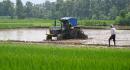
Most of rural agricultural workers landed in non-productive, informal urban jobs in 25 years: study
Study based on RBIs KLEMS data says agricultural labourers moved to non-productive sectors such as restaurants, construction and transport

Samyukt Kisan Morcha rejects rabi MSP, demands revision
The government has raised the MSP of wheat by 25 a quintal. That is 25 paise a kilo. It will not buy even a third of a litre of diesel. Yet the government calls it a 106% profit, the SKM says in a statement
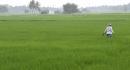
Dharapuram farmers unhappy over T.N. governments approach on crop loan waiver
A community leader says the governments couple ofchanges in thewaiver schemehasonly created more confusion among the agriculturists
Drought, fodder crisis push Latur farmers to harvest sugarcane for cattle feed
Farmers in Latur district are facing a severe fodder crisis due to a lack of rainfall. Many are forced to harvest sugarcane crops to feed their livestock amidst deteriorating conditions. As a result, milk production has significantly decreased, impacting farmers' incomes. The Maharashtra government has declared a drought in majority of its talukas and announced relief measures. Local farmers are appealing for official fodder camps to be established urgently.
From barren desert to red gold: Saffron cultivation debuts in Ladakh
Ladakh has launched a pilot to grow high-value saffron on restored barren land in Leh, planting about 90,000 Iranian saffron corms across 4,000 square metres at Spituk Pharka. If successful, the project could diversify cold-desert agriculture and create a new income source for local farmers, youth and self-help groups.
Asian Games 2026 Medal Tally: India climbed to seventh place in the Asian Games 2026 medal tally after winning its 11th gold medal on Friday. The Indian womens recurve archery team made history by defeating South Korea in the final to secure a maiden gold in the event. Indias tally now stands at 67 medals, including 11 gold, 23 silver and 33 bronze.
India can emerge as key rice supplier as global production falls 9% and demand rises 14%: IREF
India's rice production is expected to decrease, while global demand is projected to rise significantly. The country possesses sufficient surplus stocks to address international market needs. Other major rice-producing nations are under pressure, which presents opportunities for Indian exporters. Challenges such as rising fuel and fertilizer costs continue to impact the global rice market. This situation could enhance India's status as a key player in the international rice trade.
Pulses import duties may ease over poor rains
At present, imports of chana attract a 10% duty, while yellow peas are subject to a 30% duty. Tur and urad imports are allowed duty-free until March 31, 2027. The proposed reduction in duties on chana and yellow peas would be to improve domestic availability and contain prices. Prices of chana, moong, matar and tur have risen by up to 10% over the past month, with a 3-5% spike in the past week, as concerns over crop prospects combine with higher festive demand.
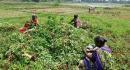
How to finance rural prosperity
India must now build robust mechanisms for financing every commercially viable activity that creates value between the farm and the final consumer
Agriculture sector binds India-Argentina partnership
Argentine Ambassador Mariano Caucino highlighted the growing economic relationship between Argentina and India during a summit in Mumbai. Agriculture, particularly edible oils, serves as a core area of cooperation between the two countries. Argentina is experiencing record supplies of edible oils, significantly contributing to India's food security. In 2025, exports of soybean oil and sunflower products to India are expected to increase substantially.
Women farmers role crucial for Indias agriculture, sustainable farming: BKS conference
Introducing the conference, Manju Dixit, All India Women Convener of BKS, called for a change in the traditional perception of women farmers.
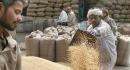
Cabinet raises wheat MSP by 25 to 2,610 per quintal for 2027-28
Among pulses, the support price of gram has been increased by 83 to 5,958 per quintal from 5,875 per quintal, while masur MSP was hiked by 390 to 7,390 per quintal in the said period
12% deficit: Rain report gives a dry reading
The impact is showing in commodity markets: prices of several pulses are up amid crop concerns and festive demand. Maharashtra has declared drought across large parts, and Karnataka is facing similar conditions.
Foodgrain output target cut over El Nino impact
Of the overall target, 177.72 mt is expected to come from the rabi season, agriculture minister Shivraj Singh Chouhan, said at the National Agriculture Conference-Rabi Campaign 2026 Tuesday.
El Nino fears: Govt cuts foodgrain target by 2.63 MT
India has announced a reduced foodgrain production target of 373.93 million tonnes for the 2026-27 crop year. The decision comes amidst concerns over El Nio weather patterns impacting agricultural conditions across the country. Sowing operations for kharif crops have been completed, while rabi crop planting will start in October.
Bharatiya Kisan Sangh to hold women farmers' conference on September 30
Thousands of women farmer workers from all states across the country will participate.
Agriculture Minister Shivraj Singh Chouhan has asked states to prepare rabi crop plans based on water availability and soil moisture, with water-stressed areas prioritising less water-intensive crops. He also called for higher cultivation of pulses and oilseeds to reduce Indias import dependence, while flagging drought conditions in Maharashtra and Karnataka.
Pulses prices surge up to 11% in a month as festive demand, crop concerns bite
Prices of key pulses including chana, moong, tur and matar have risen sharply over the past month, with wholesale rates increasing up to 11%, according to IPGA data. Industry executives attributed the surge to growing concerns over crop deficits, moisture stress, lower Australian supplies and stronger festive demand.

Rabi planning: Centre asks States to assess water availability, prioritise pulses, oilseeds
Union Agriculture Minister Shivraj Singh Chouhan urges water budgeting in crop planning; Agricultural Secretary warns of climate-related production losses in Rabi season

Centre to send teams to assess drought in Karnataka, Maharashtra: Shivraj Singh Chouhan
We will send a central team to Karnataka on October 3 to assess the drought situation. I have spoken with the Chief Minister of Maharashtra, who is concerned as well, and we will send a central team there too. I, along with my team, will personally visit the States facing this crisis, Mr. Chouhan said
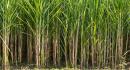
As land availability becomes increasingly constrained, the future of sugarcane growth depends less on expansion of area and more on gains in productivity, said
Karnataka announces Rs 2,500 input subsidy for drought-hit farmers: Dy CM Parameshwara
Karnataka Deputy Chief Minister G Parameshwara announced immediate relief for drought-hit farmers, offering Rs 2,500 each. This initial aid aims to support 45-50 lakh farmers and will cost the state Rs 1,250 crore. Further assistance will depend on the Union government's response and assessments of the drought situation. While total drought losses in Karnataka are expected to exceed Rs 40,000 crore, additional relief measures will follow.
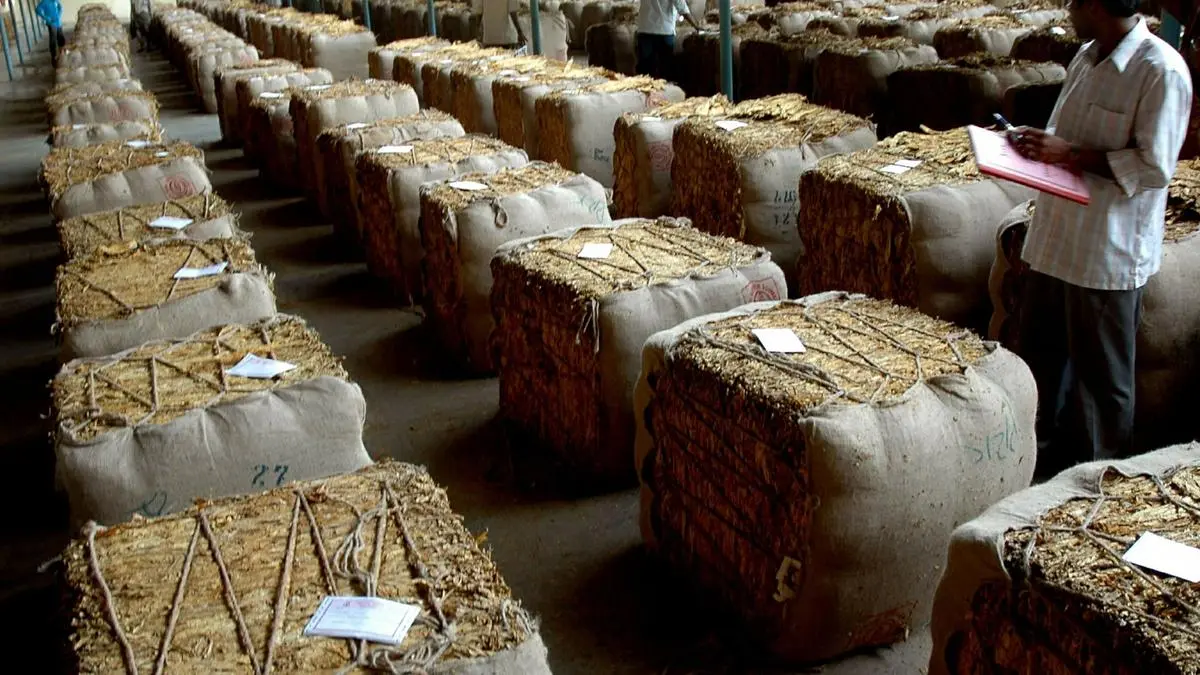
Centre permits sale of excess tobacco in Andhra Pradesh for 2025-26 crop season
Centres move aims to regulate surplus tobacco sales and stabilise markets by enabling auctions for both registered and unregistered growers in AP for 2025-26, under Tobacco Board oversight.
Indian agriculture enters new phase as diets, incomes and climate reshape farming: Report
The first phase, from roughly 1967 to 1995, was dominated by the need to achieve food security, says the paper.
Sugar imports likely for second year
The world's second-largest sugar producer had remained structurally surplus for nearly a decade but was forced to import sugar in the 2025-26 season after lower output pushed domestic prices to record highs. Prolonged rainfall shortages in Maharashtra and Karnataka, coupled with the state prioritising reservoir water for drinking over irrigation, are expected to reduce sugar content in cane due for crushing from October, executives said.
Rising sulphur prices put fertiliser sector under pressure, threaten higher subsidy burden
Landed sulphur prices in India have doubled since January to around $1,050-1,100 a tonne, according to industry estimates.

Rubber Board to launch digital platform for rubber planters
CPI(M) urges government to declare Anantapur as drought hit
Protests will be held across the district on September 25 and 26 to highlight farmers distress, followed by a dharna in front of the Collectors office on September 28, says partys district committee
NABARD brings banks, government together to ease Kisan Credit Card access in Delhi
Nabin Kumar Roy, Chief General Manager, NABARD, emphasised that enhancing farmers access to Kisan Credit Cards remains a priority and called for coordinated efforts among government departments, banks, cooperatives and development institutions.
Indias farmers cut back on seeds, fertilisers as rains fail, Rallis India CEO says
Due to erratic monsoon patterns, farmers in India are cutting back on their investments in pesticides, fertilizers, and seeds. The irregular rainfall is posing serious challenges to crop yields this year, compelling them to be cautious about their expenses. Agrochemical market players are witnessing a decline in demand for crop protection products, leading experts to advocate for consolidation in the congested farm input market to better manage these uncertainties.
The industry bodies said the correction reflected market dynamics as well as continued government efforts.
Maharashtra drought deepens, crop output crisis mounts
State agriculture minister Dattatray Bharane has confirmed a large contraction in the production of cotton and soybean, while the agriculture department has initiated an early crop assessment to calculate compensation as farmers are removing wilted crops from fields.