



BJP allies, including Shiv Sena and NCP, are raising strong objections to the Torrent Power project in Karjat. They point to the potential environmental destruction caused by the removal of century-old trees. MP Omraje Nimbalkar from Shiv Sena urged for tree planting initiatives to precede any cutting, while NCP's Suraj Chavan warned about the severe implications for climate change.
Maharashtra reviews clean air fund use, plans reallocation across cities
Maharashtra orders no deletion of reserved playgrounds without replacement
MCOCA invoked against accused in Tiger Shroff firing case
Bombay HC to Maharashtra govt: Money for other things, not for Pocso victims rehab after MTP?
VJTI students protest over hostel conditions after students death, demand rectors resignation
'Talked to RBI, forcible recovery from farmers should be stopped': Maharashtra CM
Maharashtra Chief Minister Devendra Fadnavis announced efforts to halt forceful loan recoveries by microfinance companies affecting farmers. As drought conditions worsen, the state government will provide Rs 5,000 relief to farmers during Diwali. The government approved Rs 1.5 lakh crore for additional assistance while ensuring direct fund transfers to farmers. Deputy Chief Minister Eknath Shinde confirmed that multiple benefits would be offered to farmers declared under drought.

Maharashtra CM urges RBI to halt forced loan recovery from farmers
The News Mill

Talked to RBI, forcible recovery from farmers should be stopped: Maharashtra CM
Maharashtra Chief Minister Devendra Fadnavis said that the state government has talked to the Reserve Bank of India (RBI) to stop microfinance companies from forcibly recovering loans from farmers. Addressing the press after a state cabinet meeting, CM Fadnavis said, For loan recovery also, we have talked to the RBI that forcible recovery from farmers by microfinance companies should be stopped. As farmers in Maharashtra face a drought situation, he reiterated that the government has announced Rs 5,000 for relief for farmers during Diwali, and has approved Rs. 1.5 lakh crore for this. We have approved funds of about Rs. 1.5 lakh crore for the relief of farmers. Farmers will get Rs. 5,000 as relief during Diwali. In two days, the money will start reaching the farmers' accounts,
Mumbai local row: CR mulls opening staff-only special local to public after doors kept locked
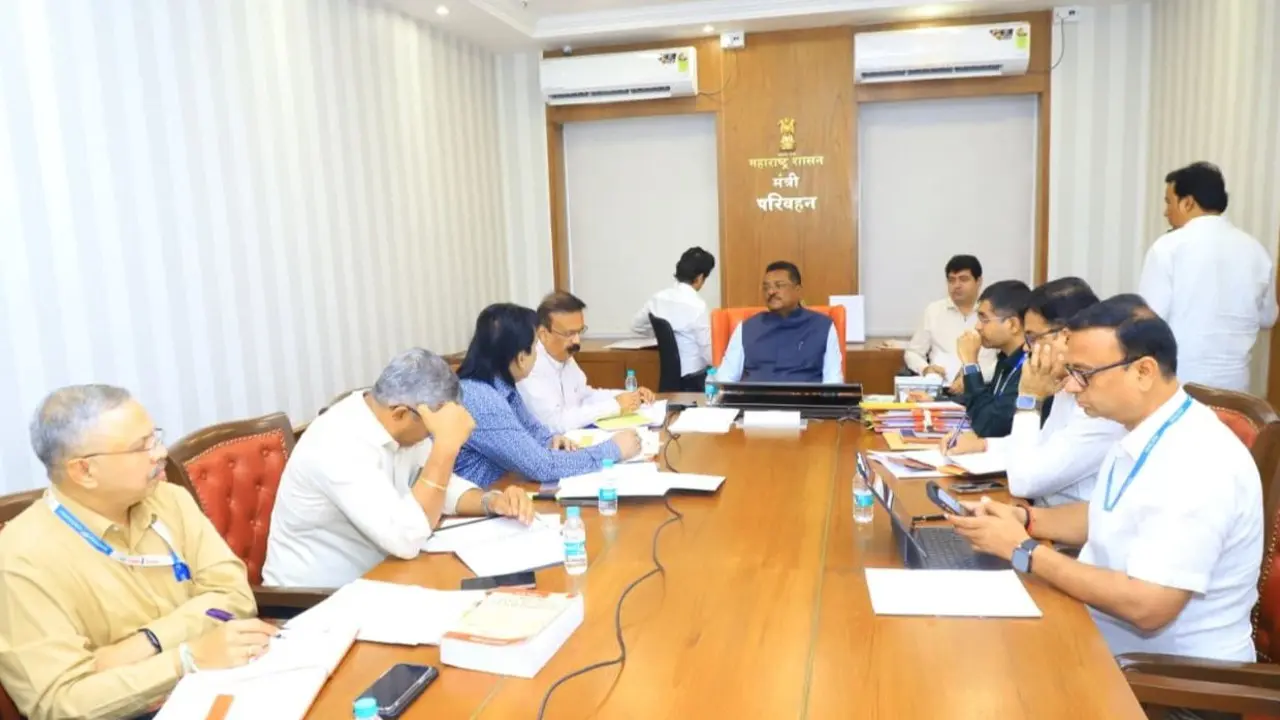
Maharashtra minister orders strict checks on Rapido, Ola and Uber drivers
Maharashtra transport minister has instructed officials to register criminal cases wherever necessary and explore the possibility of introducing a revised law to strengthen oversight of the sector
Mumbai Traffic police crack down on 12k vehicles using 'dazzling headlights'
Maharashtra Unveils New PPP Policy to Accelerate Infrastructure Development by 2047
Maharashtras new PPP policy aims to streamline infrastructure projects and enhance governance efficiency, setting the stage for growth by 2047. Maharashtra Unveils New PPP Policy to Accelerate Infrastructure Development by 2047
Mumbai Metro Line 12A gets cabinet nod; Rs 13,856-crore project targets 3.5-year deadline
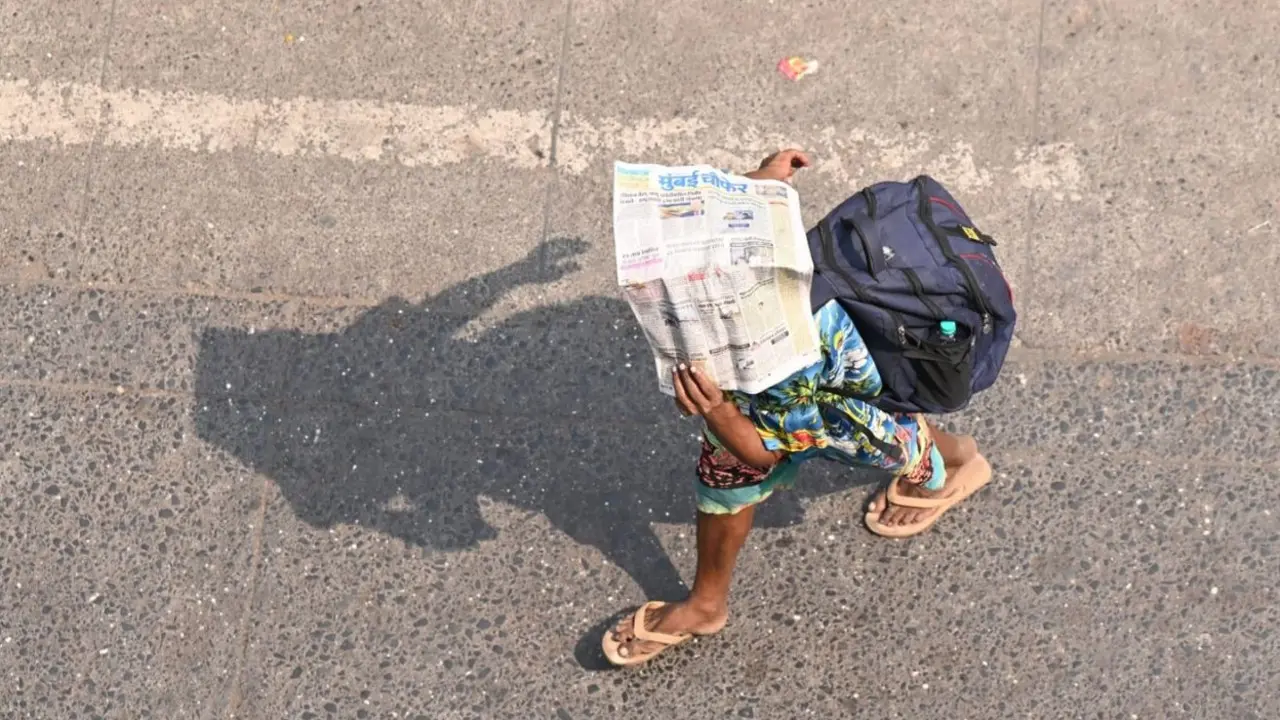
Maharashtra weather today: Ratnagiri hottest at 37.2 degrees Celsius
According to the India Meteorological Department (IMD), several stations across the Konkan, Madhya Maharashtra and Marathwada recorded above-normal daytime temperatures, while parts of Vidarbha experienced cooler nights and some below-normal daytime readings
Mumbai airport faces temporary network disruption, switches to manual processing
The 15th meeting of the Narmada Control Authority Review Committee was held on Tuesday under the chairmanship of Union Minister for Jal Shakti, CR Patil. Rajasthan Chief Minister Bhajanlal Sharma, Maharashtra Chief Minister Devendra Fadnavis, Madhya Pradesh Chief Minister Mohan Yadav, and Gujarat Chief Minister Bhupendra Patel, along with senior officials, participated in the meeting via video conference, according to a press release. Patil stated that under the leadership of Prime Minister Narendra Modi and the guidance of Union Home Minister Amit Shah, new dimensions have been established in long-pending inter-state water cooperation. The agreement reached on July 7, in New Delhi, in the presence of the Chief Ministers of Rajasthan, Gujarat, Madhya Pradesh, and Maharashtra, is being effectively implemented by the Narmada Control Authority Review Committee. He noted that decades-old water agreements have finally taken concrete shape through mutual consensus, coordination, cooperation,...

Indian Navy, Singapore Navy wrap up SIMBEX-2026 with multi-domain warfare drills
The 33rd edition featured anti-submarine, anti-air and anti-surface warfare exercises, cross-deck flying operations and professional exchanges involving warships, helicopters and maritime patrol aircraft
Who is checking Mumbais tanker water trade? A 6-year paper trail puts enforcement under scrutiny
Maharashtra govt approves Rs 5,000 each for 1.5cr drought-hit farmers before Diwali
Ticket checker manhandled by couple at CSMT in Mumbai, FIR registered
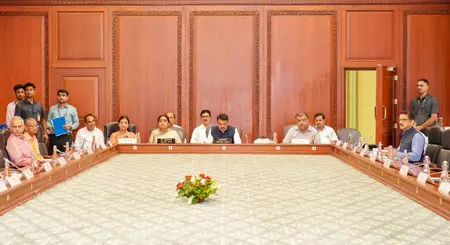
Maha govt announces new policy for custodial deaths and torture compensation
Digital Desk | Mumbai, Oct 27 (IANS) The Maharashtra government on Tuesday announced a new policy for custodial deaths and torture compensation. Under a new policy issued by the Maharashtra Home Department, the state government has fixed financial compensation of Rs 5 lakh for the legal heirs of individuals who die in police custody due to police assault or administrative negligence. Framed in accordance with directions from the Bombay High Court regarding a 2014 petition, the Government Resolution (GR) aims to establish a structured, timely relief mechanism for victims and their families. Besides compensation for loss of life, the scheme introduces structured relief for permanent disability stemming from physical or mental torture during custody, comprising Rs 4 lakh for permanent disability evaluated at 50 per cent or more and Rs 2 lakh for permanent disability rated below 50 per cent. All disability claims remain subject to strict medical certification and official verification. In cases of death caused by assault, torture or coercive methods used by police personnel, the cause must be established through evidence such as a magisterial inquiry, medical and forensic reports, independent investigation, witness statements or CCTV footage. A criminal conviction will not be necessary for granting compensation. For deaths resulting from administrative negligence, the policy cites failures such as denying timely medical examination or treatment, ignoring complaints of illness or injury, failing to follow medical advice and delaying emergency medical assistance. District Superintendents of Police or Police Commissioners concerned must scrutinise and submit compensation proposals within 30 days of the incident or medical certification of permanent disability. The state government will examine proposals received from the Director General of Police within a further 30 days. If police personnel are found guilty following an internal inquiry, criminal cases will be registered against them. The government will recover the compensation paid from the salary, pension or property of the officials found responsible for negligence. The policy excludes deaths attributable to natural causes, certain natural disasters without institutional negligence, refusal of medical treatment and accidents while escaping custody, among other specified circumstances.

Stringent MCOCA Invoked Against Delhi's Mukesh Bhola Gang
Delhi Police has invoked the stringent Maharashtra Control of Organised Crime Act (MCOCA) against the alleged Mukesh Bhola gang, accused of various organised crimes including murder, kidnapping, and extortion in Jahangirpuri. Three members, including Mukesh alias Bhola, Vipin, and Suraj alias Dhela, have been arrested, with police actively identifying other syndicate members.
Maha to receive 5 TMC water from Ukai Dam under Narmada Water Award: CM Fadnavis
Digital Desk | Mumbai, Oct 27 (IANS) In a major boost to Maharashtra's water share, directions have been issued to provide 5 TMC (Thousand Million Cubic feet) of water to the state from the Ukai Dam, in accordance with the Narmada Water Disputes Tribunal Award. The decision was finalised during a high-level review committee meeting of the Narmada Control Authority, following strong representations made by Maharashtra Chief Minister Devendra Fadnavis. Union Minister for Jal Shakti, C R Patil, issued immediate instructions to facilitate the release of water following the Chief Minister's demand. Under the original Narmada Water Disputes Tribunal Award, Maharashtra was sanctioned a total share of 10 TMC of water, comprising 5 TMC to be routed through the Narmada-Tapi diversion canal scheme and 5 TMC to be drawn directly from the Ukai Dam. CM Fadnavis highlighted that the decision to release water in accordance with regulations was previously agreed upon in a joint meeting with Union Home Minister Amit Shah. CM presented Maharashtra's stance alongside an update on the state's obligations toward the Narmada project, said the government release. CM Fadnavis reiterated Maharashtra's right to its designated share of water from the Ukai Dam. As per the decision taken during the earlier meeting with Union Home Minister Amit Shah, Maharashtra is entitled to receive its share of water from the Ukai Dam in accordance with the award regulations. We requested the Union Minister and the Gujarat Chief Minister to grant formal approval for the same, he said. Following the presentation, Union Minister C R Patil affirmed Maharashtra's right and issued necessary directives to ensure the immediate release of the state's share of water.
Amid water crisis, illegal tapping from MIDC pipeline exposed in Dombivli
Debt Drives Latur Farm Labourer To Suicide
A 28-year-old farm labourer in Latur, Maharashtra, allegedly died by suicide on Monday due to distress over unpaid loans from private finance companies. He left a note naming the companies and expressing inability to repay his mounting debt.

Vedanta Iron and Steel slips to Rs 324 crore loss in Q2
Digital Desk | Mumbai, Oct 27 (IANS) Vedanta Iron and Steel on Tuesday posted a consolidated net loss of Rs 324 crore in the quarter ended September 2026 (Q2 FY27), compared with a net profit of Rs 121 crore in the preceding June quarter (Q1 FY27). Revenue from operations declined 23.87 per cent quarter-on-quarter to Rs 2,788 crore from Rs 3,662 crore in the previous quarter, according to its stock exchange filing. The company's operating performance weakened significantly during the period, with earnings before interest, tax, depreciation and amortisation (EBITDA) falling 90.55 per cent to Rs 48 crore from Rs 508 crore in the June quarter. Consequently, EBITDA margin narrowed sharply to 1.7 per cent from 13.9 per cent in the preceding quarter. On a year-on-year basis, however, the company reduced its consolidated net loss by 32.08 per cent from Rs 477 crore reported in the corresponding quarter of the previous financial year. Revenue from operations slipped 2.45 per cent from Rs 2,858 crore a year earlier, while total expenses declined 9.51 per cent to Rs 3,129 crore from Rs 3,458 crore, as per its regulatory filing. During the quarter, the company recorded an exceptional gain of Rs 11 crore after the Maharashtra State Infrastructure Development Corporation acquired 7,200 square metres of company-owned land in Nashik for the proposed Ring Road Project. The iron ore business witnessed a sharp slowdown, with revenue falling to Rs 638 crore in the September quarter from Rs 1,190 crore in the June quarter. Segment EBITDA dropped to Rs 10 crore from Rs 179 crore during the same period, as per its filing. The steel segment also reported weaker performance. Revenue declined to Rs 2,488 crore from Rs 2,839 crore in the preceding quarter, while segment EBITDA fell to Rs 73 crore from Rs 336 crore. Shares of the company ended the day's trading session at Rs 27.95, gaining 5 per cent or Rs 1.33. However, the stock remains under pressure over longer periods, declining 3.35 per cent in the past week, 14.73 per cent over the last month and 7.91 per cent over the past three months.

Maharashtra Cyber arrests 23-year-old in Rs 4.97 lakh online share market fraud
According to Maharashtra Cyber, the complainant was lured into investing in the share market through an Instagram advertisement, a WhatsApp group and a trading application
64 trains cancelled, 31 NDRF teams deployed: India braces for Cyclone Arnab
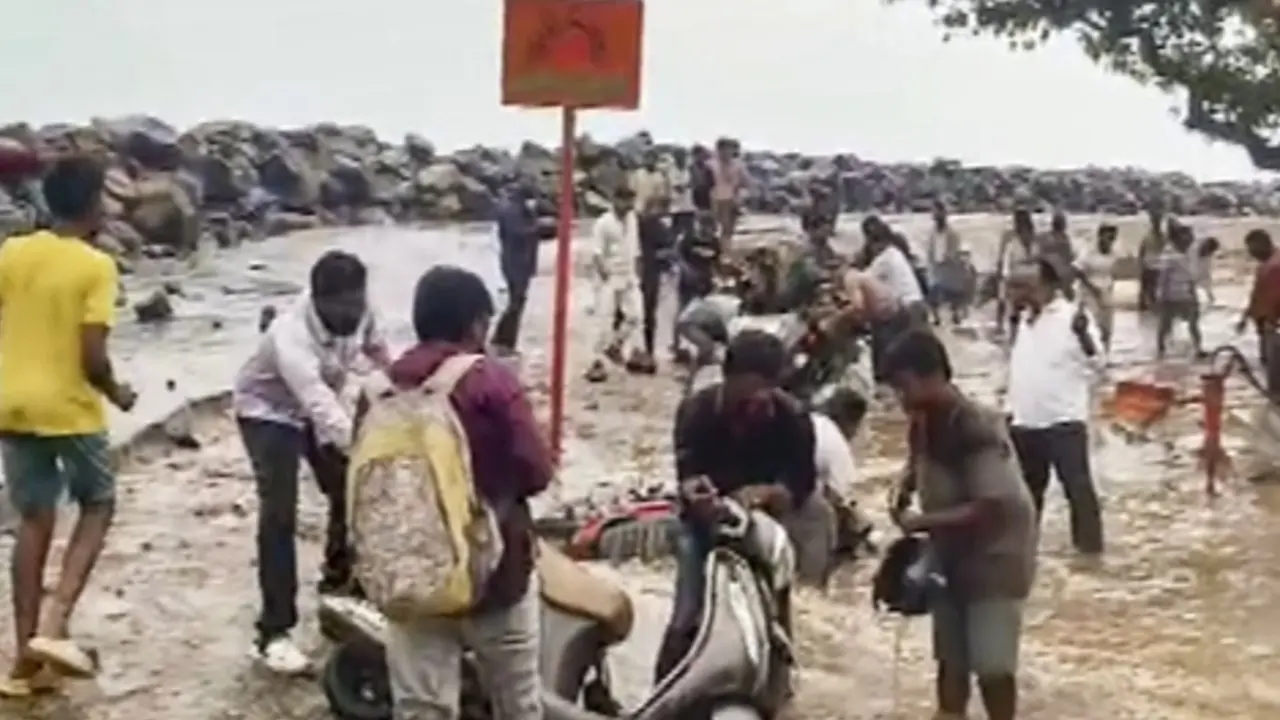
Cyclone Arnab is approaching the Andhra Pradesh coast, prompting the cancellation of 64 trains and deployment of 31 NDRF teams across five states and Yanam. Visakhapatnam has set up 57 rehabilitation centres as authorities intensify preparations ahead of the expected landfall
Cases will be filed against rogue finance companies harassing drought-hit farmers: Maha Minister
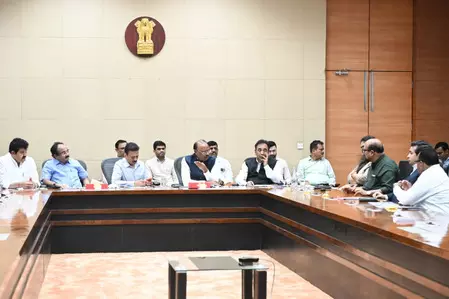
Digital Desk | Mumbai, Oct 27 (IANS) The Maharashtra Cabinet Sub Committee chaired by Revenue Minister Chandrashekhar Bawankule on Tuesday decided that cases will be filed against rogue finance companies harassing the drought-hit farmers from 304 talukas for the recovery of loans. Microfinance and private finance companies harassing farmers during the drought period and driving them to suicide were issued a clear warning at the meeting. Following the incident in Nanded, the Chief Minister has ordered direct police complaints (cases) to be registered against officials and recovery agents of companies that mentally harass farmers, said Chandrashekhar Bawankule. He further stated that with the severity of drought increasing in the state, the government has taken crucial steps for farmers and livestock. To alleviate the fodder shortage across 304 drought-affected talukas, full authority for fodder procurement and cultivation has been granted to a 5-member committee chaired by the District Collectors. Along with this, a key decision has been taken to directly provide funds from the District Planning Committee (DPC) to immediately restart rural piped water supply schemes that were shut down solely due to unpaid dues or lack of electricity connections. To prevent the livestock fodder issue from turning grave, a 5-member committee headed by the District Collector has been formed. The Collector will have full authority regarding fodder procurement, local cultivation, or bringing supplies from other districts. As per the government's new Standard Operating Procedure (SOP), dry fodder will be made available at Rs 12 per kg and green fodder at Rs 8 per kg. Fodder cultivation will take place using DPC funds on available lands belonging to the Forest, Revenue, and Water Resources departments. Additionally, abundant fodder from Sindhudurg and Ratnagiri will be diverted to drought-affected districts, said Minister Bawankule. According to the minister, water supply schemes that have halted despite the availability of water, solely due to unpaid electricity bills or missing power connections, will be operationalised immediately using DPC funds. This will curb wasteful expenditure on water tankers and directly supply drinking water to villagers. Income tax-paying farmers, government officials/employees, and public representatives have been excluded from the Rs 5,000 subsidy being credited to farmers' bank accounts ahead of Diwali. These strict criteria will be applied on the lines of loan waiver rules, he said. The government will provide financial assistance to desilt lakes and dams and spread the silt across farmland. A subsidy of Rs 31 per cubic meter for desilting and Rs 35 per cubic meter for transporting it to fields will be provided. Furthermore, royalties will be fully waived if soil, murrum, or gravel from lakes are used for road construction work, said Minister Bawankule. Minister Bawankule clarified that demands to declare drought have been received from Haveli, Maval, and Mulshi in Pune district, Hatkanangale in Kolhapur district, and parts of the Konkan region. A final decision regarding the inclusion of these new talukas in the drought-affected list will be taken in next Tuesday's meeting after receiving ground reports from the respective District Collectors.
Maha Cabinet clears Rs 13,856-cr Metro Line 12-A; CM Fadnavis sets 3.5-year deadline
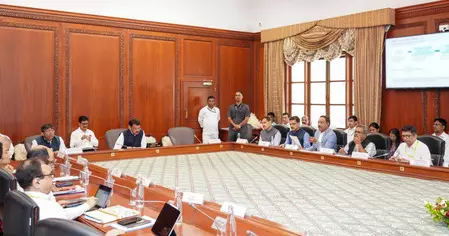
Digital Desk | Mumbai, Oct 27 (IANS) The Maharashtra Cabinet Committee on Infrastructure, chaired by Chief Minister Devendra Fadnavis, on Tuesday approved the 18.40 km Mumbai Metro Line 12-A, connecting ManpadaKatai Naka to Taloja via Kalyan Phata. The committee directed authorities to ensure the project is completed within three and a half years. The project cost is estimated at Rs 13,856.37 crore. The 18.40 km fully elevated corridor connecting ManpadaKatai Naka to Taloja (via Kalyan Phata) will have 12 elevated stations. It includes a 6.93 km 4-lane integrated flyover and an 8.69 km 6-lane integrated flyover. The expected daily ridership will be 4,74,000 commuters. The project is likely to cut road commute times by 40% to 50%. The Mumbai Metropolitan Region Development Authority (MMRDA) is the implementing agency, and the government has also declared it the Special Planning Authority (SPA) for the project. Metro Line 12-A is designed as a crucial connectivity corridor linking industrial and logistics hubs across Kalyan-Dombivli and Navi Mumbai. The project will have multimodal integrations. There will be interchanges with Metro Line 12 and the MumbaiAhmedabad Bullet Train feeder routes at Katai Naka. It will be connected to Metro Line 14 between Katai Naka and Kalyan Phata and also to Navi Mumbai Metro Line 1 at Amandoot station. Feeder bus services are planned at all 12 stations to ensure smooth last-mile connectivity. Selected government lands within the project influence zone will be transferred to MMRDA to support development and funding. According to MMRDA Metropolitan Commissioner Dr Sanjay Mukherjee, the shift from private road transport to rapid transit will reduce congestion on national highways and cut carbon dioxide (CO_2) emissions. Beyond traffic relief, the project aims to accelerate economic and industrial development across the ThaneNavi Mumbai region. CM Fadnavis also instructed officials to accelerate all ongoing metro construction projects state-wide to meet target deadlines.
Environment and Climate Change Department Director, State Climate Action Cell Recruitment 2026
Environment and Climate Change Department, Government of Maharashtra has invited offline applications for the post of Director, State Climate Action Cell. Applications can be submitted till 16 November 2026.
Environment and Climate Change Department Director Recruitment 2026
Environment and Climate Change Department, Government of Maharashtra has invited offline applications for the post of Director, Majhi Vasundhara Abhiyan Directorate. Applications can be submitted till 16 November 2026.
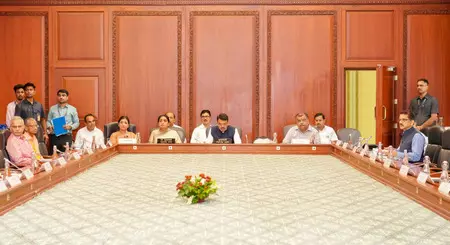
Maha govt approves amendments to PPP Policy 2026 to accelerate infrastructure development
Digital Desk | Mumbai, Oct 27 (IANS) In a significant move to boost infrastructure growth and streamline project execution, the Maharashtra Cabinet, chaired by Chief Minister Devendra Fadnavis, on Tuesday approved the key structural and procedural amendments to its Public-Private Partnership (PPP) Policy 2026. The updated framework follows cabinet approval and aims to bring greater clarity, administrative simplification, and efficiency to infrastructure projects across the state. The PPP framework is anchored on point 100 of the Viksit Maharashtra @ 2047 vision document. A Viability Gap Funding (VGF) allocation of Rs. 200 crore has been provisioned for the financial year 202627. Following requests from the Maharashtra Institution for Transformation (MITRA) for enhanced clarity and simplification, a total of 11 specific policy amendments have been advanced. The proposed modifications address various operational stages of project development and governance. The policy introduces clear definitions for Viability Gap Funding (VGF) and establishes updated guidelines regarding developers and project authority ownership/risks in instances where the policy is not applicable. To reduce bureaucratic bottlenecks, one tier of scrutiny by the Network Planning Group committee concerning in-principle project approvals has been omitted. Additionally, the Chief Executive Officer of MITRA will now be invited to meetings of the Cabinet Infrastructure Committee during PPP project approval phases. Projects involving Government assistance, land, or premiums up to Rs 25 crore will require formal approval from the Empowered Committee. Projects valued at Rs 25 crore and above will require approval from the Cabinet Infrastructure Committee (CCI) based on recommendations from the Empowered Committee. The policy refines provisions governing Project Development Funds (PDF), departmental project evaluations, development through Special Purpose Vehicles (SPVs), project sanctions, and the engagement of Transaction Advisors (TA) and Law Firms. A major addition to the framework is the introduction of a new policy concept under Clause 13 (Asset Monetisation). This initiative is designed to unlock revenue by enhancing the economic value of public assetssuch as land and buildingsthat are not commercially viable for standard PPP development, provided they remain consistent with the goals of the Viksit Maharashtra @ 2047 vision. Under the updated PPP guidelines, projects follow a systematic progression from inception to completion. Preliminary feasibility studies, public interest evaluations, and Value for Money assessments will be conducted by the concerned department, with optional Project Development Fund (PDF) support. Formulation of techno-economic feasibility reports, draft RFPs (Request for Proposal) and concession agreements will be made alongside transaction advisors and law firms. Securing mandatory initial approvals (EC/CCI) prior to market launch will be followed by transparent competitive bidding evaluated on a single financial parameter. Final award approvals, execution of concession agreements with selected developers or SPVs, and rigorous implementation monitoring will be done by the Empowered Committee, with grievance mechanisms established for issues exceeding Rs 5 crore.

Maharashtra Epstein Files - Official Teaser
Watch the Official Teaser from Marathi movie 'Maharashtra Epstein Files' starring Deepali Sayed, Uday Tikekar, Akshay Tanksale and Subodh Bhave. 'Maharashtra Epstein Files' movie is directed by Swaroop Sawant. To know more about 'Maharashtra Epstein Files' teaser watch the video. Check out the latest Marathi teasers, new movie teasers, trending Marathi movie teaser, and more at ETimes - Times of India Entertainment.
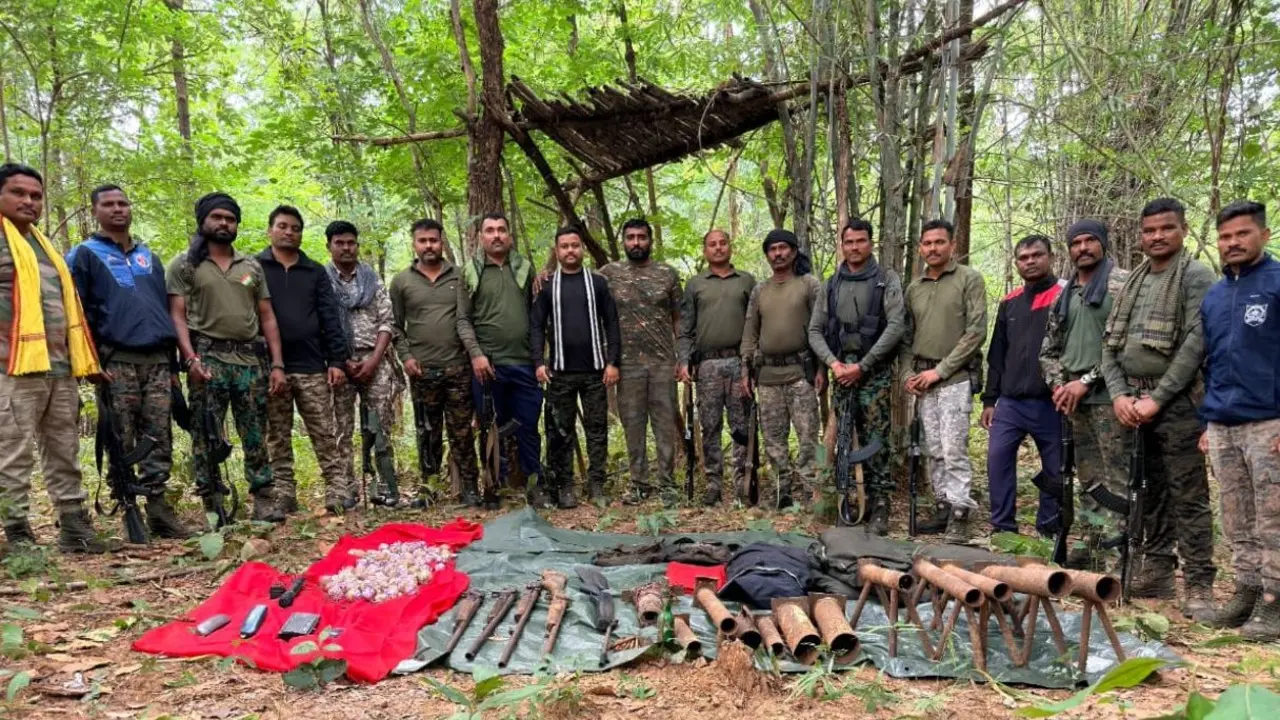
Maoist cache unearthed in Gadchiroli forest; police seize five firearms
Acting on specific intelligence that Maoists had concealed a large quantity of firearms and explosives in the Machuvanchha forest area under the jurisdiction of Wangeturi police station, Gadchiroli Police launched a search operation early on Tuesday

Magazine: How Shubham Shevade turned a Maharashtra village into a dazzling Marathi indie
The debutant writer-director opens about returning from Los Angeles to India to tell his own stories, how the unconventional structure of Magazine took shape, why he thinks he was delusional during production, and more
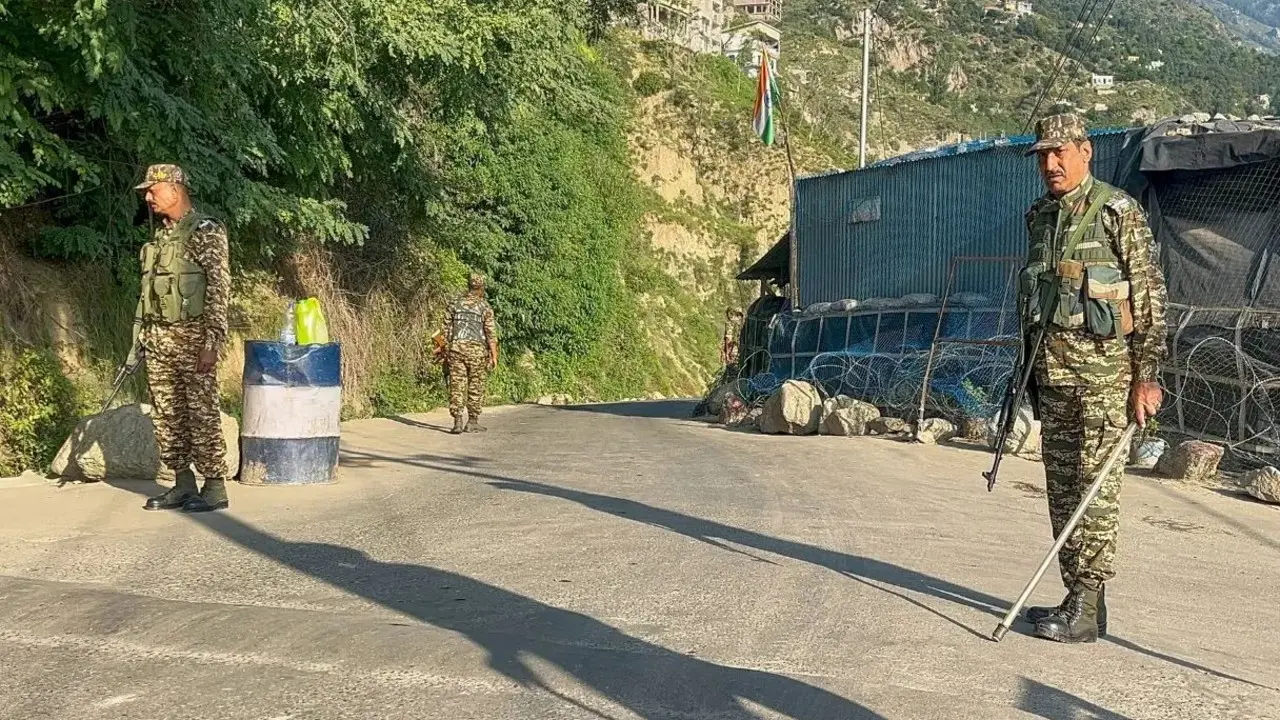
Jammu: Two held for leaking sensitive security information to foreign handlers
Jammu Police have arrested two persons in RS Pura over allegations of sharing sensitive security information with foreign intelligence operatives and handlers linked to terrorist organisations, including Pakistan-based entities. The arrests followed specific and credible inputs
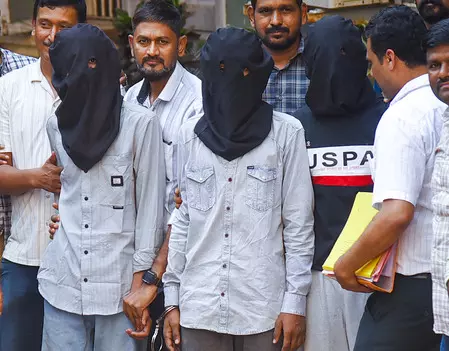
Mumbai Police invokes MCOCA against all accused in Tiger Shroff firing case
Digital Desk | Mumbai, Oct 27 (IANS) The Mumbai Police on Tuesday invoked stringent sections of the Maharashtra Control of Organised Crime Act (MCOCA) against all the accused arrested in connection with the firing incident involving Bollywood actor Tiger Shroff. An official statement said that provisions of the Maharashtra Control of Organised Crime Act (MCOCA), 1999 have been invoked in DCB CID CR No. 143/26, registered on 19/10/26 u/Ss 109(1), 3(5) of BNS r/w sections 3, 25 of Arms Act; with permission of the competent authority under Section 23(1)(a) of the said Act dated 27/10/26. Accordingly, Sections 3(1)(ii), 3(2) and 3(4) of MCOCA have been added to the case against all accused. A case against the accused was registered by the Mumbai Police on October 19 under the Bharatiya Nyaya Sanhita (BNS) and the Arms Act. Subsequently, the approval to invoke the MCOCA was granted on October 27. Police said that the investigation in the case has been expedited considering the organised crime background linked to it. Further investigation into the case is currently underway. Earlier, the Mumbai Crime Branch established the alleged motive behind the firing incident involving Tiger Shroff, stating that the attack was carried out with the objectives of extorting money, establishing the gang's dominance and creating fear among the public. According to the Crime Branch's investigation, the accused allegedly involved in the firing incident have links to the Lawrence Bishnoi gang. The police have alleged that the gang targeted Tiger Shroff as part of an attempt to strengthen its influence, intimidate people and secure financial gains through extortion. The Mumbai Crime Branch has stated that the accused were allegedly operating as active members of an organised crime syndicate. Investigators believe that the attack was not an isolated act but part of a planned criminal conspiracy intended to achieve financial benefits, assert the gang's dominance and spread terror within society. The accused carried out the attack using illegal and lethal weapons as part of a pre-planned conspiracy targeting the star. The investigation has also revealed that the alleged conspiracy was coordinated through an inter-state network involving several locations, including Delhi and Mumbai.
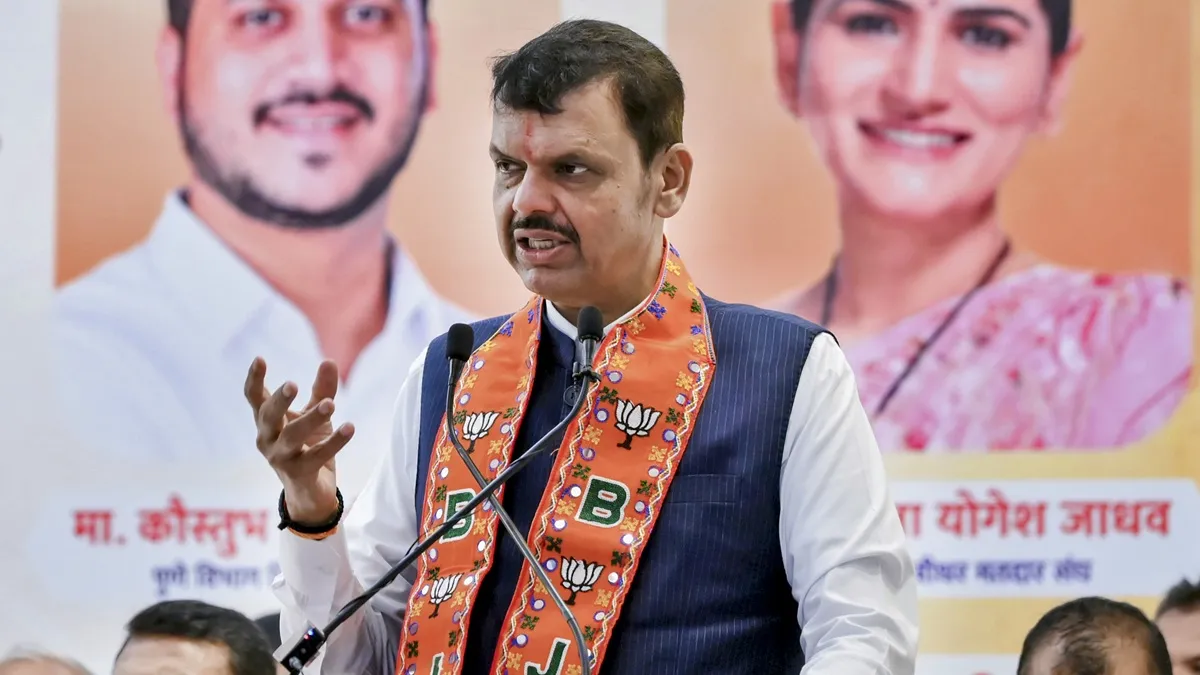
Maharashtra govt approves Rs 391 crore towards MSRTC employees' salaries ahead of Diwali
In a significant development, the Maharashtra government on Tuesday issued a notification allocating Rs 391.02 crore for the state transport corporation, enabling the cash-strapped undertaking to pay salaries to its employees ahead of Diwali. In this regards, Transport Minister Pratap Sarnaik on Tuesday directed the Maharashtra State Transport Corporation (MSRTC) to ensure that salaries to around 83,000 officers and employees are disbursed before the festival.

Finance Department Maharashtra Retired Accounts Officer Recruitment 2026
Government of Maharashtra, Finance Department has released the notification for the post of Retired Accounts Officer. Eligible candidates can send their applications by email till 04 November 2026.
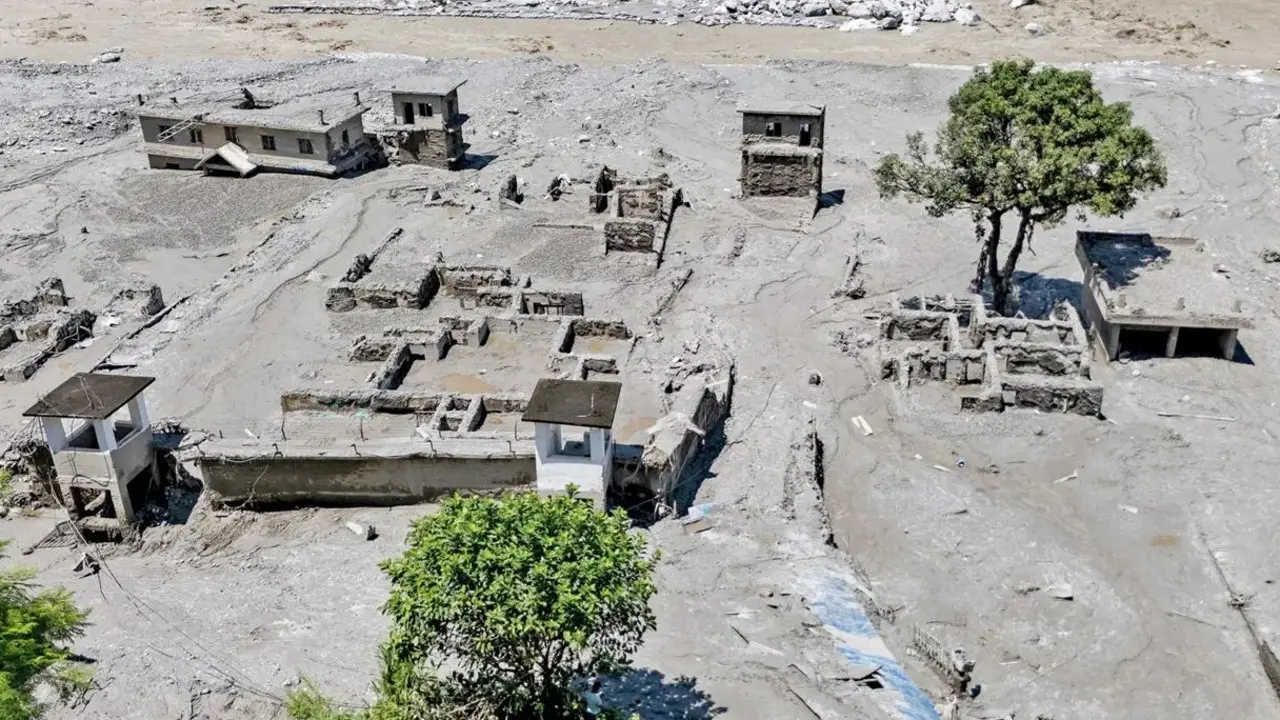
Nepal warns of floods, avalanches as Cyclone Arnab approaches the region
Nepal's NDRRMA has urged the public, local governments and agencies to remain on high alert from October 29 to 31 as Cyclone Arnab strengthens over the Bay of Bengal. Forecasts warn of heavy rain, thunderstorms, strong winds, flooding, snowfall and avalanches.

Raymond Q2 Profit Surges 130% to Rs 32 Crore; Revenue Rises 24% to Rs 655 Crore
Mumbai (Maharashtra) [India], October 27: Raymond Limited reported a sharp improvement in its financial performance for the second quarter of FY27, with consolidated net profit rising 130% year-on-year to 32

Over 12,000 Maharashtra Farmers Begin Vehicle-Led March To Mumbai, Demand Drought Relief
More than 12,000 farmers from 20+ districts are marching towards Mumbai, demanding adequate drought compensation, loan relief, crop insurance and land rights.
MCOCA Invoked In Tiger Shroff Firing Case
The Mumbai Police Crime Branch has invoked the Maharashtra Control of Organised Crime Act (MCOCA) in the case concerning the firing on actor Tiger Shroff's car. Eleven people have been arrested, and an alleged associate of gangster Lawrence Bishnoi is named as a wanted accused.

Tiger Shroff firing case: MCOCA invoked against all accused, Rapido clarifies driver's status
A week after shots were fired at Tiger Shroff's vehicle, provisions of the Maharashtra Control of Organised Crime Act (MCOCA), 1999, have been invoked in the case related to the incident.

Maharashtra rain update: IMD issues orange alert for Gadchiroli
While Gadchiroli is under a yellow alert on Tuesday, the weather department has issued yellow alerts for several districts in Vidarbha, Marathwada, Madhya Maharashtra and Konkan. The forecast includes heavy rainfall in parts of Vidarbha, along with thunderstorms, lightning and gusty winds in other regions

Mahayuti vs MVA: Counting under way for five Maharashtra Legislative Council seats
Polling for the Pune Graduates, Nagpur Graduates, Chhatrapati Sambhajinagar (Aurangabad) Graduates, Pune Teachers and Amravati Teachers constituencies took place on October 23, recording a voter turnout of 72.96%, as per officials
VMPL Mumbai (Maharashtra) [India], October 27: Romell Group, a Mumbai-based residential real estate developer, hosted Romell Partner Connect on 7 and 8 October 2026 at Fairfield by Marriott, Andheri West. The exclusive channel partner meet was the first pre-launch event for the Group's upcoming project, Codename: The New West. An Exclusive First Look Romell Partner Connect was designed as an invite-only forum for the Group
Diebold Nixdorf India Secures Great Place To Work
VMPL Mumbai (Maharashtra) [India], October 27: Diebold Nixdorf, a global leader in transforming the way people bank and shop, has secured the Great Place To Work
Maharashtra govt approves Rs 391 cr for MSRTC salaries ahead of Diwali
The government resolution authorising the allocation was officially issued on October 27, establishing the financial clearance required to release employee wages prior to the upcoming festival season
MAHAGENCO Consultant Recruitment 2026
Maharashtra State Power Generation Company (MAHAGENCO) has invited offline applications for the post of Consultant - Company Secretary (Mngepl). Applications can be submitted till 16 November 2026. For complete details, candidates can visit mahagenco.in.

Russian attack on Kyiv kills one, injures eight and damages medical facilities
A Russian attack on Kyiv killed one person and injured eight, damaging medical facilities and a university dormitory. Ukrainian President Volodymyr Zelensky said ballistic missiles struck crowded civilian areas. The assault came ahead of a planned humanitarian truce in Russian-occupied Oleshky
AICC observer Pallam Raju, addressing a press conference at the KPCC office, said the Congress party is carrying out a continuous struggle across the country to protect the voting rights of common people. He said the party's fight is not limited to the Special Intensive Revision (SIR) process alone. For years, Congress has been raising its voice against the weakening of elections, electoral irregularities, handling of EVMs and VVPATs, and recent changes being made to voter lists, he said. The Congress party's main demand is that there should be transparency and accountability at every stage of the election process, Raju said. He said leader Rahul Gandhi has raised questions on electoral irregularities in various states, including Maharashtra, Mahadevapura in Karnataka and Haryana, on several platforms, but no satisfactory answers have been received so far. Under the SIR process, more than 13 lakh voters' names have been deleted across the country. It is the legal duty of the Elect...
Maharashtra CM announces Rs 5,000 drought relief for 1.5 crore farmers
The News Mill

Maha Cyber arrests one in 4.97 lakh online share market investment fraud case
Digital Desk | Mumbai, Oct 27 (IANS) One person has been arrested by Maharashtra Cyber in connection with a Rs 4.97 lakh online share market investment fraud case, officials said on Tuesday. The complaint was filed by 42-year-old Kalyan, who was allegedly induced to invest money through an online trading application after being approached through a social media advertisement and a WhatsApp group operating under the name Breakthrough Communication, according to the officials. As per the complaint, the fraud took place between August 25 and September 23, when Kalyan came across a social media advertisement referring to Susquehanna International Group and subsequently joined a WhatsApp group. A person using the name 'Shikha Sharma' allegedly contacted the complainant, provided investment-related guidance, and encouraged him to invest in the share market through a trading application. Believing the representations to be genuine, the complainant transferred a total amount of 4.97 lakh into eight different bank accounts, officials said. After suspecting financial fraud, Kalyan reported the matter through the National Cyber Crime Helpline 1930 on September 27. Subsequently, an FIR was registered at the Nodal Cyber Police Station, Maharashtra Cyber, under Sections 318(4) and 319(2) of the Bharatiya Nyaya Sanhita (BNS), read with Sections 66(C) and 66(D) of the Information Technology (IT) Act. Officials said that following this, Maharashtra Cyber initiated an investigation to trace the financial transactions and identify the persons involved in facilitating the fraud. During the investigation, the police examined the banking trail and the movement of the defrauded funds across multiple accounts. The investigation revealed that the money had moved through various bank accounts, they added. According to officials, further inquiry indicated that the funds received in an account belonging to Nikhil Kamble were allegedly withdrawn in cash and handed over to the arrested accused, Mohammed Ali Kapadia, through an intermediary arrangement. Mohammed Ali Kapadia (23) appeared before the investigating officer on October 26. During questioning, his alleged role in receiving and disposing of cash linked to the fraudulent transactions came under investigation. He was subsequently arrested in connection with the case, officials said. They added that the investigation further indicates that the accused may have acted in coordination with other persons to facilitate the withdrawal of money generated through cyber fraud.
Senior police officer dies of cardiac arrest in official vehicle en route to duty in Mumbai
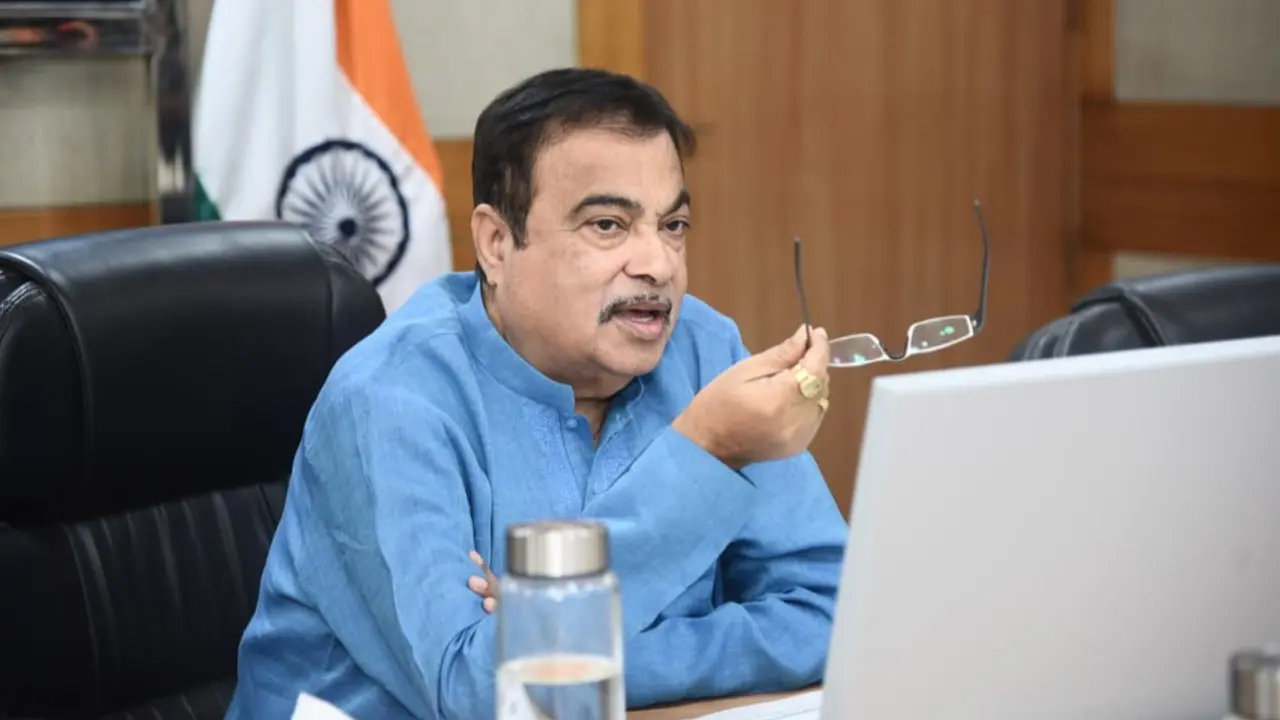
E20 fuel backlash was a 'paid campaign', says Nitin Gadkari
The Ministry of Road Transport and Highways amended the rules to include E100 alongside E85 in specified emission certification provisions. E100 consists predominantly of ethanol, while E85 contains up to 85 per cent ethanol by volume
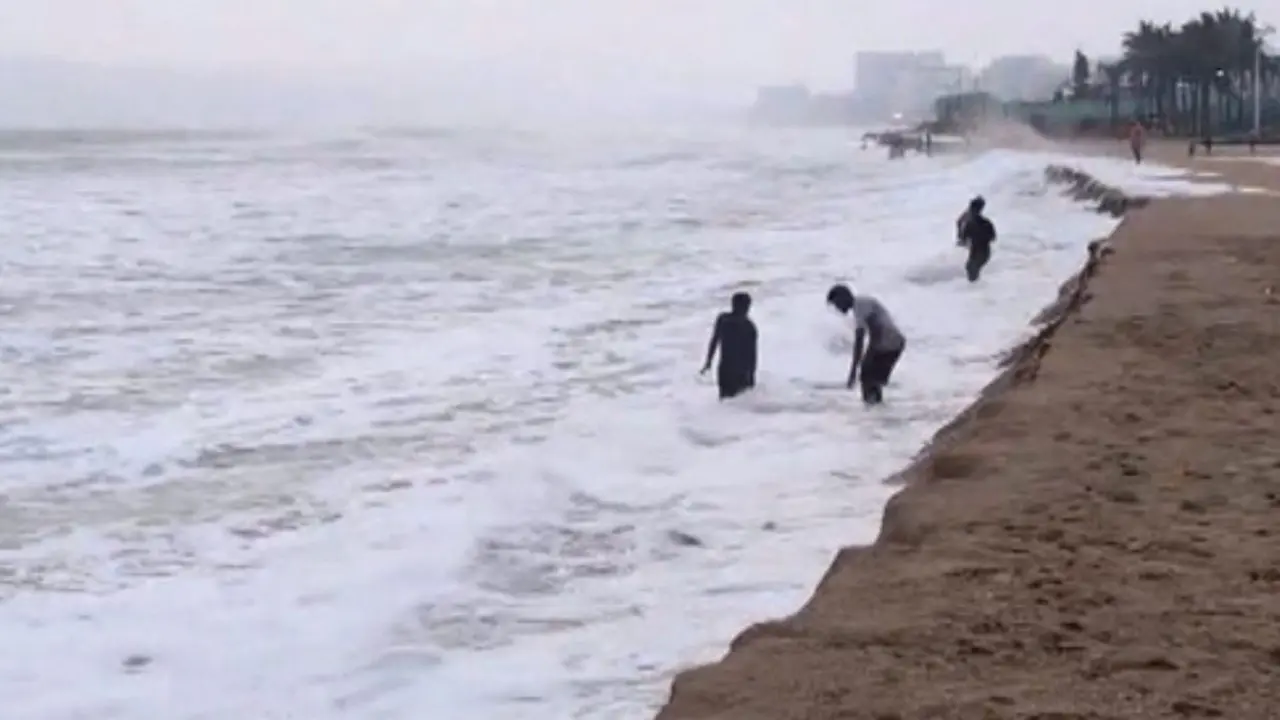
Cyclone Arnab: Chhattisgarh puts districts on alert as heavy rain threatens
Chhattisgarh has directed district collectors to prepare for heavy to extremely heavy rain from Cyclone Arnab on Wednesday and Thursday. Officials have been told to keep relief camps operational, ensure medical services, prepare evacuations and protect crops, livestock and vulnerable residents, with zero casualties the goal

Pune RTO warns private bus operators against overcharging passengers
Pune RTO has warned private bus operators against charging fares above government-prescribed limits during Diwali and said violations could invite action under the Motor Vehicles Act. Passengers can report excess fares and other violations on WhatsApp at 8275330209

Grand Rapids (Michigan) [US] / Mumbai (Maharashtra) [India], October 27: In a significant milestone for Indian manufacturing, Mr. Vaibhav B. Tamboli, Chairman, CEO & Managing Director of Tamboli Industries Limited, the listed holding company of Tamboli Castings Limited (TCL), took centre stage today at the 73rd Technical Conference & Equipment Expo hosted by the Investment Casting Institute (ICI) in Grand Rapids, Michigan, USA. Held from 25 th to 28 th October 2026, the summit is recognised as the world's most prestigious gathering for precision investment casting foundries and brings together top executives, metallurgists and industrial leaders from across North America, Europe and Asia.
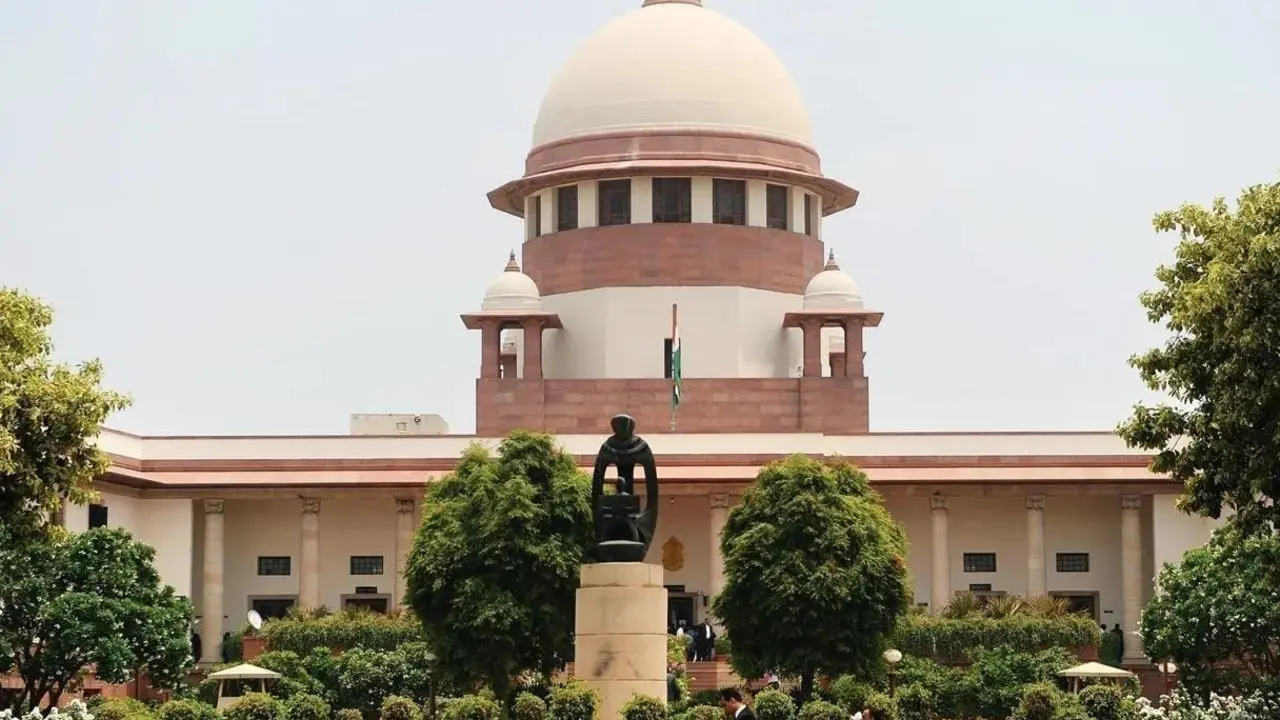
Vande Mataram PIL: SC seeks Centre's response on transfer plea from Delhi HC
A bench comprising Chief Justice of India Surya Kant and Justices Joymalya Bagchi and V Mohana issued notice to the Centre on the application filed by advocate Ashwini Upadhyay
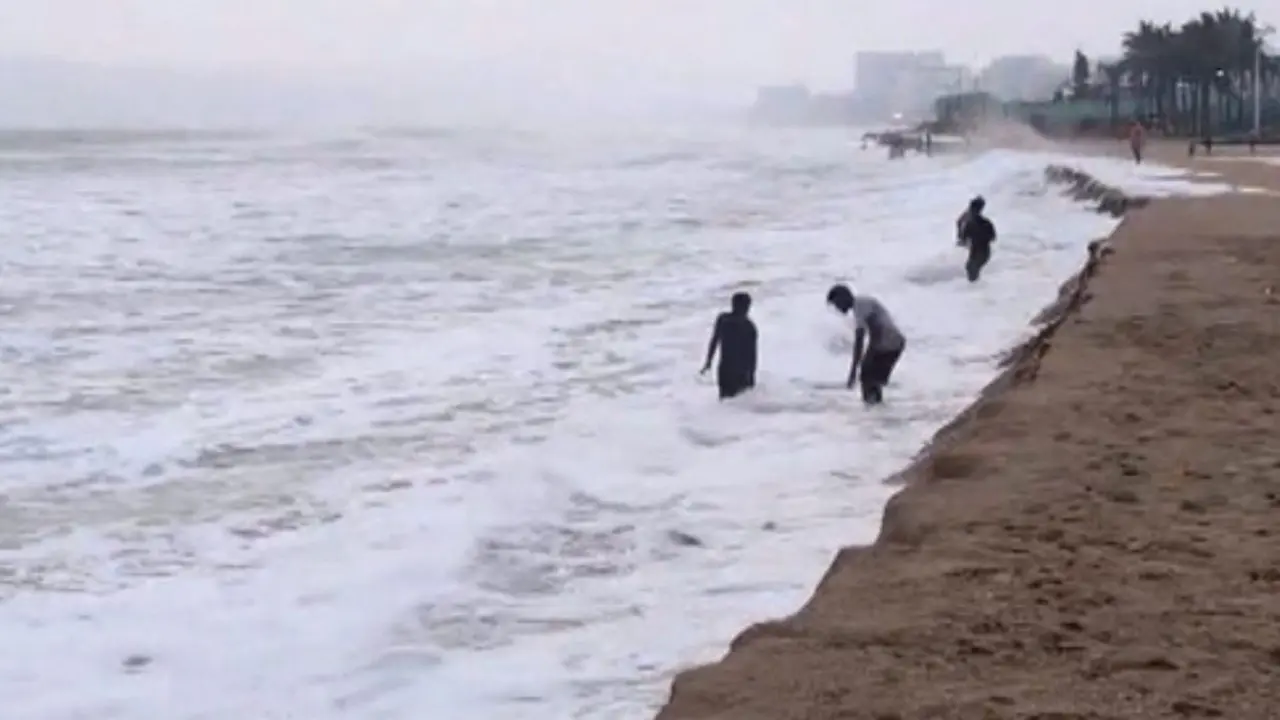
Cyclone Arnab: Strong winds of up to 60 kmph likely along West Bengal coast
Cyclone Arnab is forecast to bring heavy rain to parts of West Bengal between October 28 and 30 as it approaches landfall along the Andhra Pradesh coast. The IMD has warned of rough seas and squally winds reaching 60 kmph, advising fishermen to stay ashore until October 29
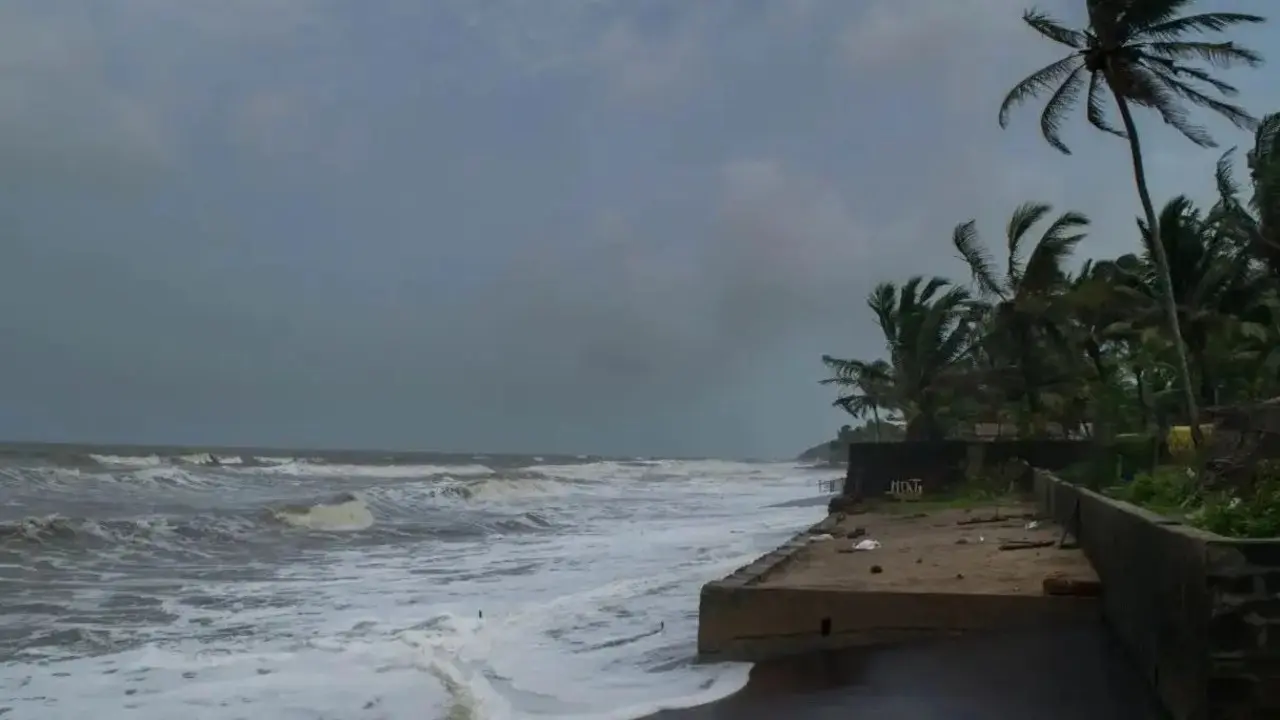
Cyclone Arnab: Jharkhand issues yellow and orange alerts as heavy rain forecast
Cyclone Arnab is expected to make landfall along the Andhra Pradesh coast on Wednesday, bringing heavy rain to Jharkhand for three days. The IMD has issued yellow and orange alerts for several districts, warning of thunderstorms, lightning, strong winds, waterlogging and possible flooding

Israel polls: Netanyahu faces challenge from Gadi Eisenkot
Thousands of volunteer election observers were deployed at polling stations across Israel on Tuesday as voting began in a closely contested election. Prime Minister Benjamin Netanyahu faces a challenge from a bloc led by former military chief Gadi Eisenkot, with opinion polls suggesting a tight race

MLC Election Results 2026: Counting Underway For 28 Seats In 4 States
Counting of votes for 28 Legislative Council seats across Uttar Pradesh, Bihar, Maharashtra and Karnataka began on Tuesday. The elections were held on October 23. Security was stepped up at counting centres, particularly in Gorakhpur, Uttar Pradesh, where police personnel were
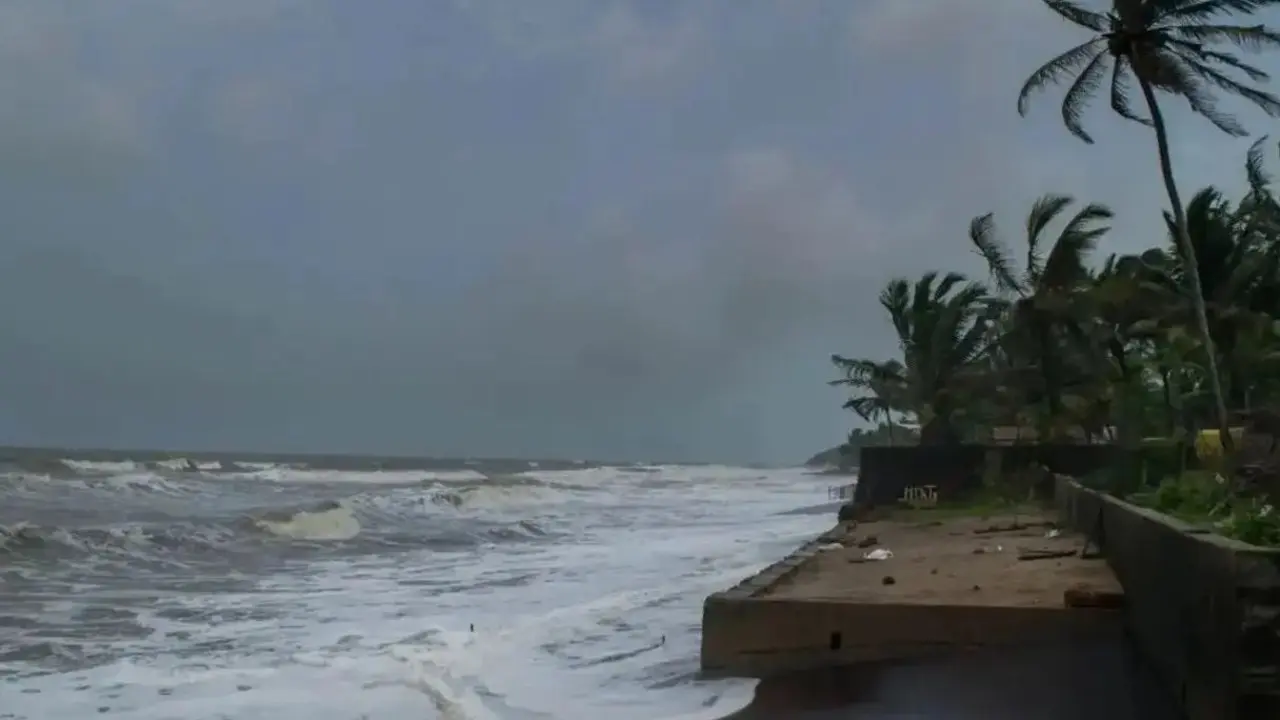
Cyclone Arnab: Andhra Pradesh steps up preparations as storm nears coast
Cyclone Arnab threatens coastal Andhra Pradesh, with winds reaching 140 kmph and extremely heavy rainfall forecast. Authorities have activated 1,763 shelters, deployed rescue teams across 11 districts, initiated evacuations and secured over 30,000 fishing vessels

Air India issues travel advisory as Cyclone Arnab threatens Andhra flights
Air India also cautioned that adverse weather could affect road travel and advised passengers to monitor updates through its official website
MLC polls: Counting begins in four states, BJP-led alliances face rebel challenges
Counting of votes began for 28 Legislative Council seats across Uttar Pradesh, Bihar, Maharashtra, and Karnataka. The results will reveal the organisational strength of political parties and their alliances. In Uttar Pradesh, the BJP and Samajwadi Party face off in 11 seats, while in Bihar, overlapping candidates create a competitive landscape. Karnatakas results will determine the performance of the Congress against the BJP-JD(S) alliance.

Jamia students protest enters day 16 as students demand definite election dates
The Jamia Millia Islamia students protest entered its 16th day as students rejected the universitys assurance of elections within 15 days of constitution approval. They demand a firm poll date and a deadline for approving the constitution, while classes remain online until November 8

Russian missiles hit Kyiv university grounds, residential areas, says Zelenskyy
Zelenskyy said emergency services had been deployed to the affected locations to rescue people and assess the damage. He added that the exact number of casualties was not yet known
Ram temple donations row: Cong demands SC-supervised probe into alleged theft
Congress general secretary in-charge of communications Jairam Ramesh questioned the handling of the case, asking Prime Minister Narendra Modi, Union Home Minister Amit Shah and Uttar Pradesh Chief Minister Yogi Adityanath to respond to the allegations

Ukraine-Russia ceasefire takes effect for Melania Trump-led humanitarian mission
A localised ceasefire between Ukraine and Russia began early Tuesday to facilitate a planned humanitarian mission to Oleshky, where up to 2,000 people face dwindling food and medicine supplies. Melania Trump led talks with civilian negotiators ahead of further US-brokered peace talks expected next month
Sugar season 202627 begins on schedule, nearly 107 mills commence operations across India: ISMA
In Maharashtra, the countrys largest sugar-producing state, close to 87 mills have commenced operations. More mills are expected to start in the coming week as cane harvesting gathers pace.
National Squash: Upsets And Victories In Junior Categories
Agastya Bansal of Maharashtra and Kriya Saravanan of Tamil Nadu secured their spots in the quarterfinals of the Sub-Junior and Junior National Squash Championship on Monday. Bansal caused an upset in the U-19 boys' category, while Saravanan advanced in the U-19 girls' section. Other notable wins included Dhairya Gogia in U-15 boys' and Pradeepsingh Rathore in U-17 boys'.
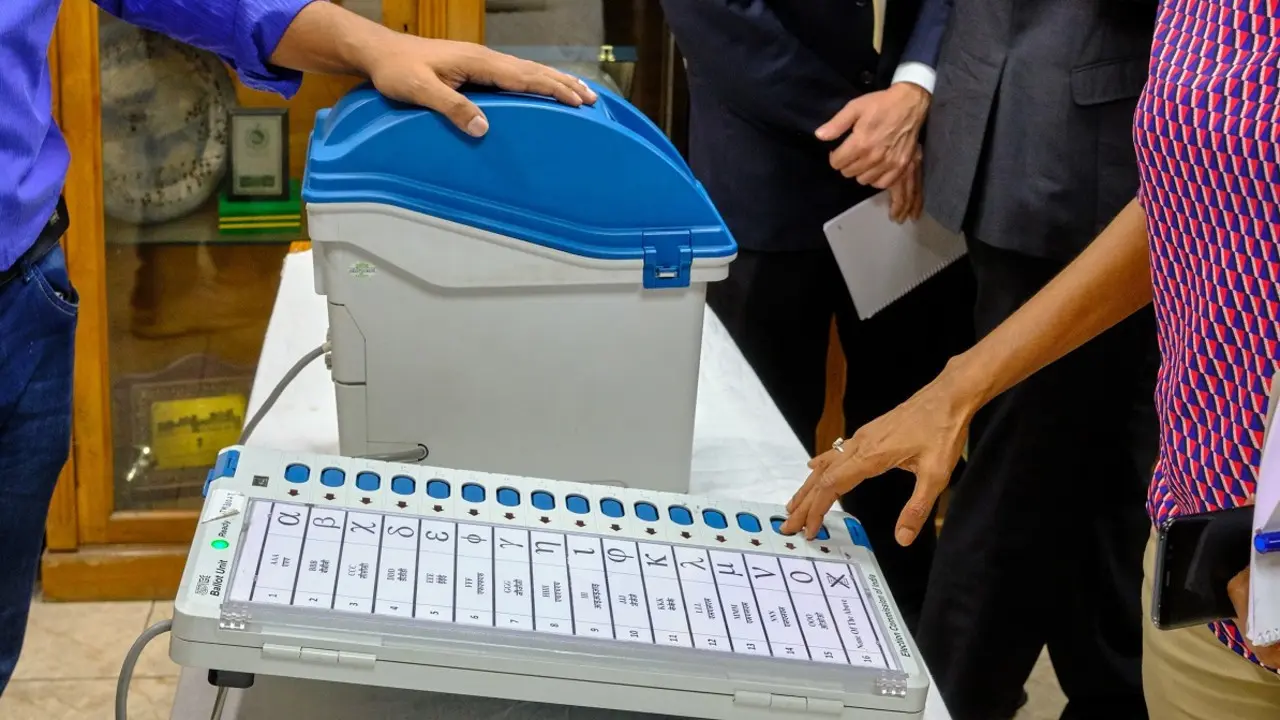
Maharashtra MLC polls: Counting underway for five seats amid rebel candidates
Polling was held on October 23 across 2,419 polling stations, with an overall turnout of 72.96 per cent, according to officials. The election process is scheduled to conclude by October 31

Conjunctivitis cases rise in Pune amid weather transition, festive crowds
Pune has reported a rise in conjunctivitis cases over the past two to three weeks, with doctors linking the increase to changing weather, crowded public places and inadequate hand hygiene. Ophthalmologists have advised timely medical attention, proper hygiene and avoiding self-medication
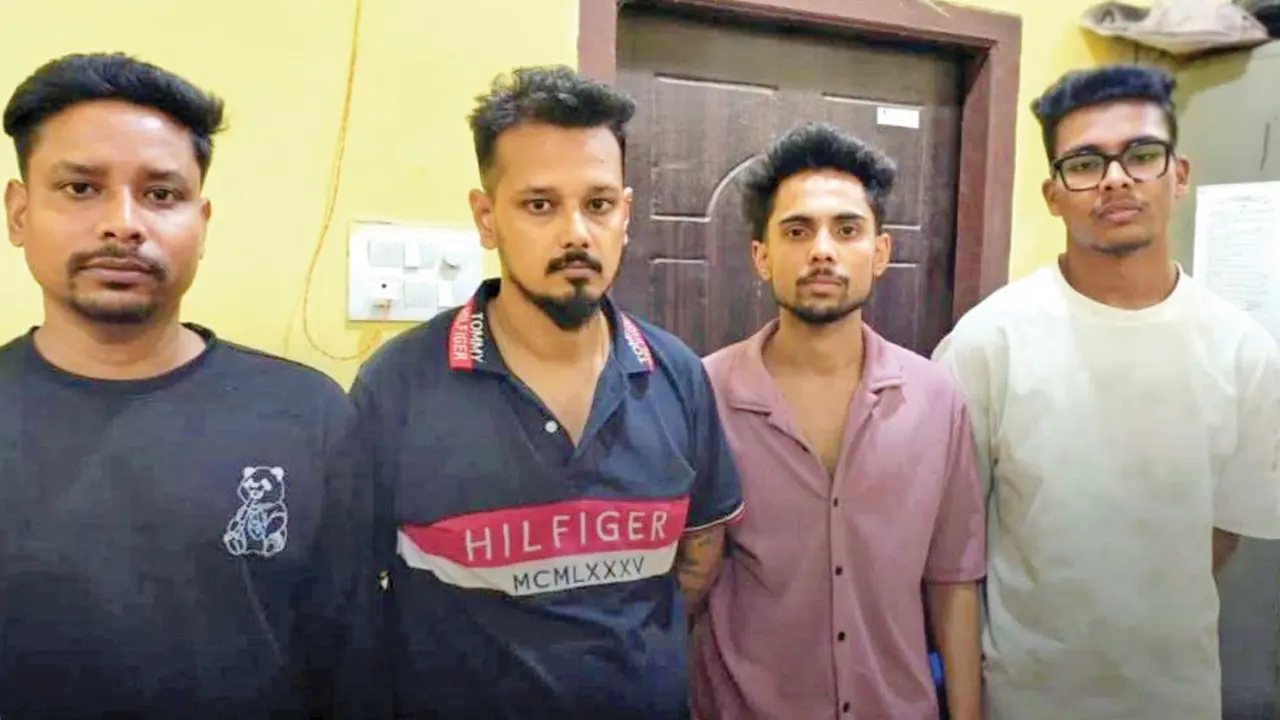
Assam Police arrest 17 over attack on Bihu cultural troupe in Sribhumi
Assam Police have arrested 17 individuals in connection with an alleged attack on a Bihu cultural troupe during a Durga Puja celebration in Sribhumi district on Saturday night. The incident reportedly followed objections to the performance of Assamese songs, with videos showing injured performers
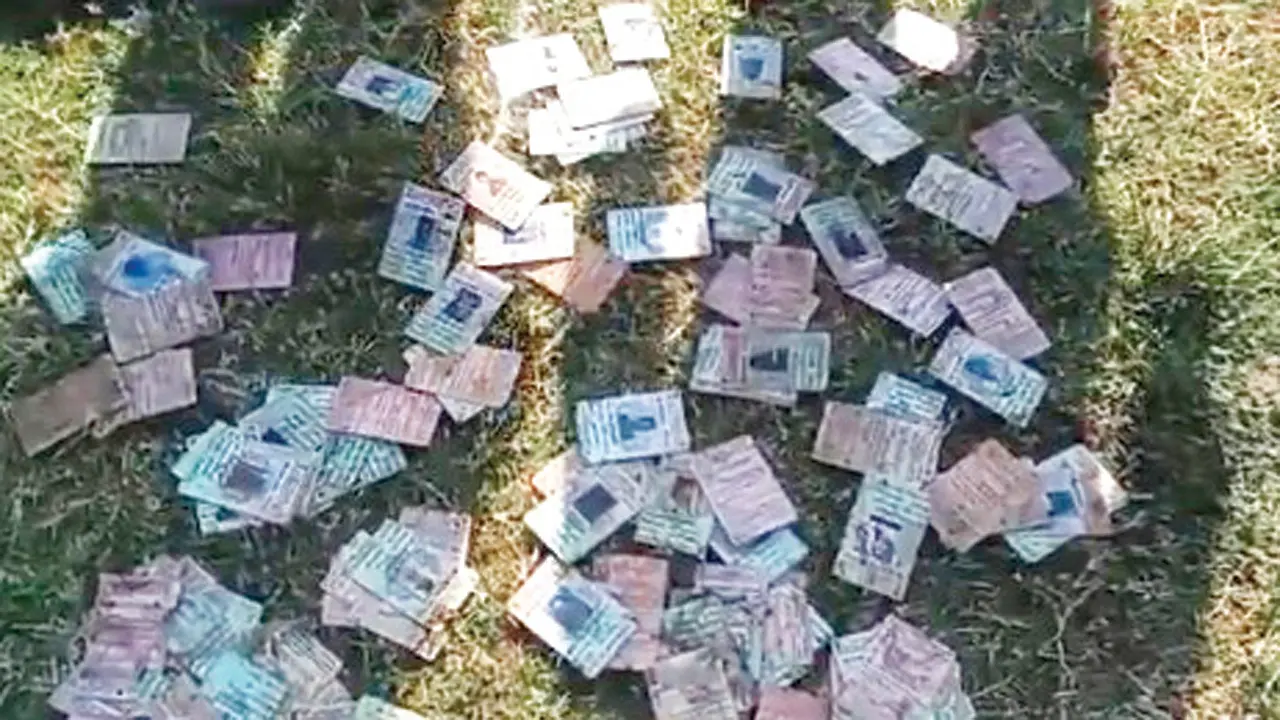
MP: 343 voter ID cards from Indores Rau constituency found near Narmada River
Around 343 voter identity cards belonging to Indores Rau Assembly constituency were found along the banks of the Narmada River in Madhya Pradeshs Khargone district. The cards were discovered by residents during a cleanliness drive and seized by the revenue team as police began an investigation

Nearly 20 million struggle for food as US and allies demand aid access
Sudan faces a growing risk of famine, with 19.5 million people experiencing acute food insecurity, according to a joint warning by the US, Canada and more than two dozen international partners. The governments have urged warring parties to lift restrictions and allow humanitarian aid to reach civilians
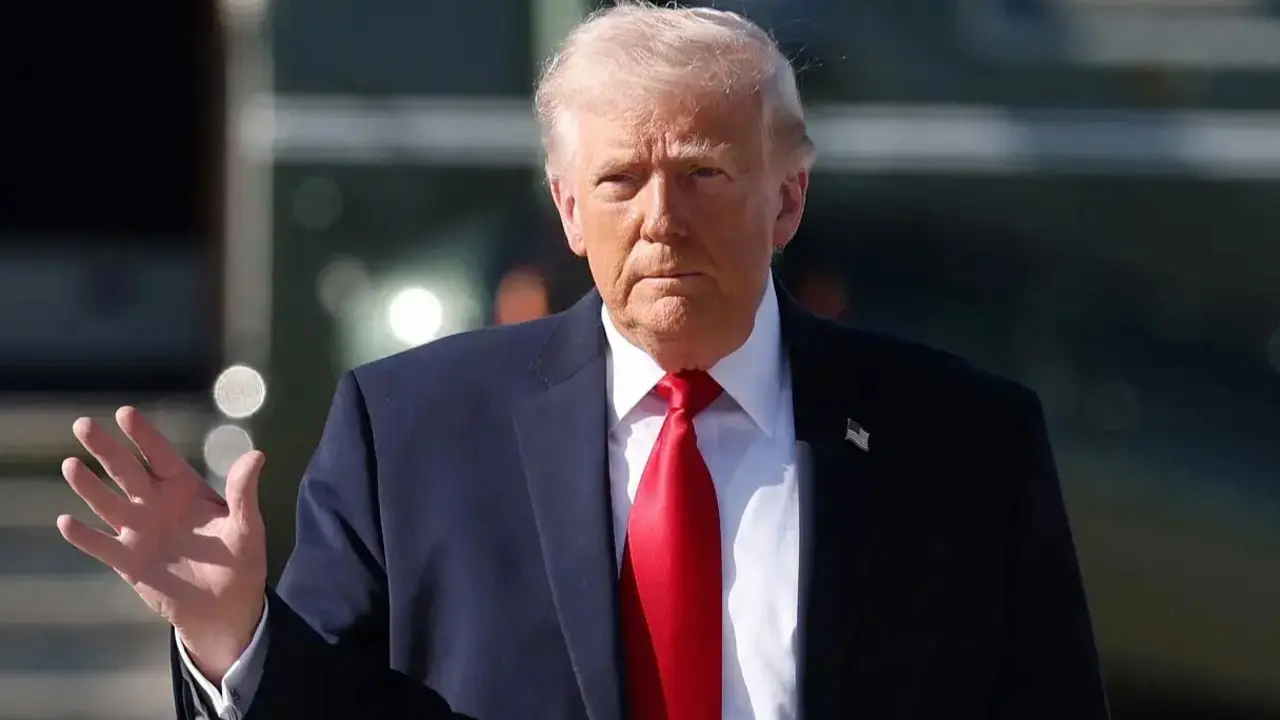
Trump calls Barack Obama not smart at all over White House renovation jibe
US President Donald Trump hit back at former President Barack Obama after he reportedly compared the renovated White House to the Cheesecake Factory restaurant chain. Trump defended the restoration work, called Obama a lousy president and claimed the building was in its best shape since 1792
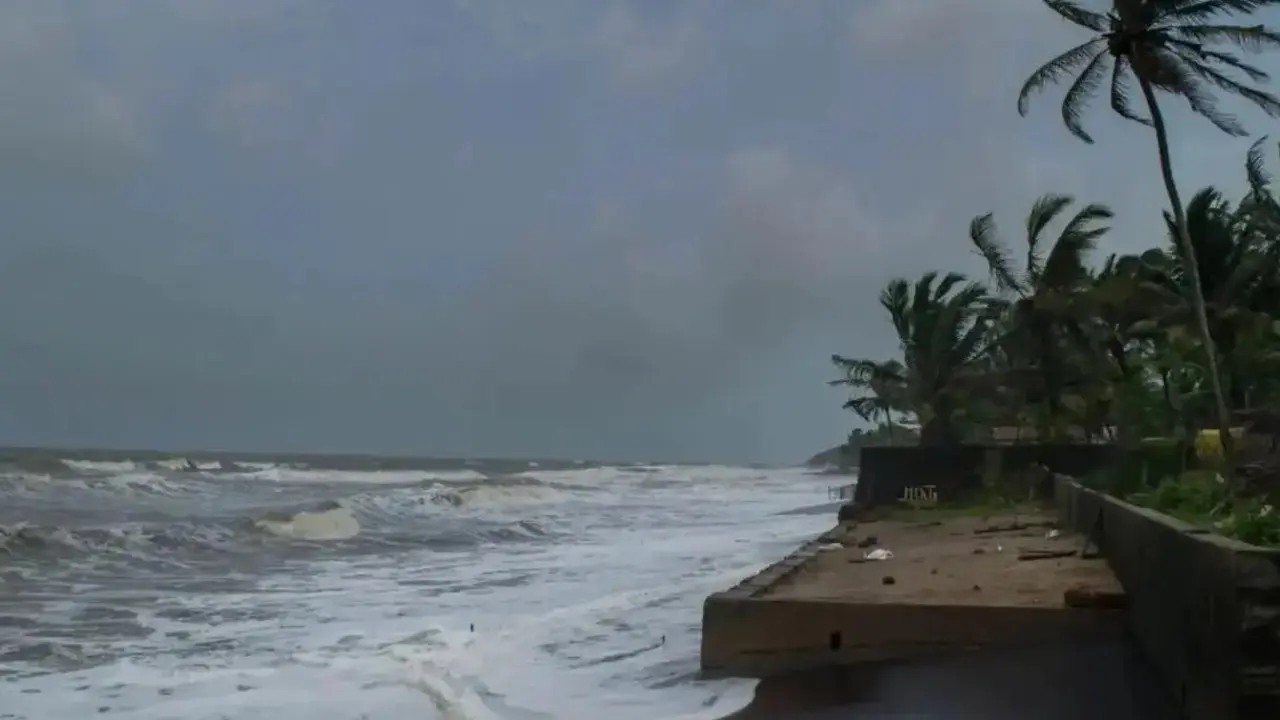
Cyclone Arnab: Odisha govt cautions against circulation of unverified forecasts
The Odisha government has warned against spreading unverified forecasts and misleading alerts about Cyclone Arnab on social media. The Special Relief Commissioner has urged citizens and media organisations to rely on official IMD bulletins, cautioning that deliberate false warnings could invite legal action
Counting of votes for five Maharashtra Legislative Council seats began on Tuesday, with the results set to test the BJP-led Mahayuti alliance's ability to manage internal dissent and the Opposition Maha Vikas Aghadi's (MVA) efforts to capitalise on differences within the ruling coalition. A total of 182 candidates are in the fray across three graduates' and two teachers' constituencies, which together have 10,68,072 registered voters. The polling, held on October 23, recorded an overall turnout of around 72.96 per cent across 2,419 polling stations. The contests are being closely watched amid rebel candidates, competing alliance interests and differences within both camps. The results will determine representatives for the five constituencies and provide an indication of the political strength of the parties among graduates and teachers. In Nagpur Graduates' constituency, BJP candidate Sudhakar Kohale is challenging sitting Congress MLC Abhijit Wanjari. The BJP is seeking to reclaim th...

Imaan, Vikrant emerge MSSA U-16 badminton champions
Imaan, who is ranked fifth in Maharashtra in the U-15 singles category and second in doubles, is set to represent Greater Mumbai in the U-17 competition in Pune from October 30 to November 7