



Ranji Trophy: Baroda Hold Upper Hand Against Jammu Kashmir
SRINAGAR: Jammu and Kashmir were trailing Baroda by 610 runs at stumps on the second day of their Ranji Trophy Elite Group A match after the hosts posted 616 all out in their first innings at the Reliance Stadium in Vadodara on Tuesday. Jammu and Kashmir finished the day at 6 without loss in four []

Smriti Loses No.1 ODI Batter Spot, Harmanpreet, Deepti Rise In ICC Rankings
Smriti Mandhana: India skipper Smriti Mandhana lost her position at the top of the Womens ODI batting rankings, while Harmanpreet Kaur and Deepti Sharma made significant gains following their performances in the ongoing series against Zimbabwe. South Africa captain Laura Wolvaardt reclaimed the No.1 spot in the ODI batting rankings after Mandhana lost valuable ranking points for scores of 32 and zero in Indias first two matches against Zimbabwe. Mandhana scored 32 in the opening ODI before being dismissed for a duck in the second match. India have already clinched the three-match series in Vadodara after winning the first two games, with several players making progress in the latest rankings update. Former India captain Harmanpreet moved up two places to eighth among ODI batters, while Deepti climbed four spots to 23rd in the same category. Both players scored centuries in the second ODI, earning significant gains in the rankings. Deepti also moved up two places to fourth among ODI all-rounders and gained one spot to eighth in the ODI bowlers rankings. India pacer Kranti Gaud climbed two places to 25th among ODI bowlers, while young batter Pratika Rawal rose seven spots to a career-best 21st in the ODI batting rankings. India players also made gains in the latest T20I rankings. Shafali Verma moved up one place to third among T20I batters, while Mandhana climbed one spot to fourth following the conclusion of Indias series against Zimbabwe. Zimbabwe players also registered improvements in the ODI batting rankings. Modester Mupachikwa moved up five places to 39th, Chipo Mugeri-Tiripano gained four spots to 47th, while Beloved Biza made the biggest jump among the trio, rising 16 places to 56th. Elsewhere, Australias Ash Gardner climbed nine places to 19th among T20I batters following the recent series against New Zealand. Australian bowlers Georgia Wareham and Kim Garth moved up to joint seventh and joint 10th, respectively. Zimbabwe players also registered improvements in the ODI batting rankings. Modester Mupachikwa moved up five places to 39th, Chipo Mugeri-Tiripano gained four spots to 47th, while Beloved Biza made the biggest jump among the trio, rising 16 places to 56th. Also Read: Special Cricket Stories Article Source: IANS
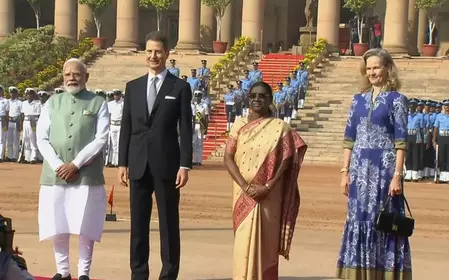
Liechtenstein Prince Alois accorded ceremonial welcome at Rashtrapati Bhavan
Digital Desk | New Delhi, Oct 27 (IANS) Liechtenstein's Hereditary Prince Alois was accorded a ceremonial welcome at the forecourt of Rashtrapati Bhavan on Tuesday. President Droupadi Murmu and Prime Minister Narendra Modi warmly welcomed Prince Alois upon his arrival at the Rashtrapati Bhavan. Prince Alois arrived in the national capital from Gujarat's Vadodara on Monday. He was received by Union Minister of State (MoS) Jayant Singh at the airport. A new chapter in IndiaLiechtenstein engagement. H.S.H. Hereditary Prince Alois of Liechtenstein arrived in New Delhi today, following his visit to Vadodara, as part of his ongoing State Visit to India. He was received by MoS Jayant Singh at the airport. The visit will provide renewed impetus to the bilateral relations, the Ministry of External Affairs (MEA) posted on X. Extending a warm welcome to Prince Alois, MoS Singh took to X and posted: Following our earlier engagement at Davos, I look forward to further strengthening the warm and friendly ties between India and Liechtenstein and advancing our shared interests through greater cooperation. Prince Alois arrived in Mumbai as he began his State Visit at the invitation of Prime Minister Narendra Modi. He is accompanied by his wife, Princess Sofia, and a high-level official and business delegation comprising top industry leaders. This is the second visit of Prince Alois to India in 2026, as he had earlier visited New Delhi in February to attend the AI Impact Summit. He had previously visited India in 2010 and 2018. Prince Alois will pay a tribute to Mahatma Gandhi at Rajghat and have a meeting with External Affairs Minister (EAM) S. Jaishankar. Prince Alois is scheduled to hold talks with Prime Minister Narendra Modi at the Hyderabad House later on Tuesday, where they will discuss cooperation in various sectors, including trade and investment, science, technology and innovation, and people-to-people exchanges, as well as views on regional and global developments. Finance Minister Nirmala Sitharaman and Union Minister of State for Skills Development and Entrepreneurship Jayant Chaudhary will call on Prince Alois on Tuesday. Prince Alois will then meet President Droupadi Murmu, who will also host an official banquet in his honour. The visit is expected to provide further impetus to the growing engagement between India and Liechtenstein, particularly since the operationalisation of the IndiaEFTA Trade and Economic Partnership Agreement in 2025. The visit will provide an opportunity to further deepen the friendly ties between India and Liechtenstein and build partnerships in new areas of mutual interest, the MEA said in a statement.
More milk or better heat tolerance? New centre to help farmers pick right cows
City university launches training centre for semiconductor industry
Factories must pay licence fee difference by Oct 31
Harassed for dowry, 19-year-old woman kills self
VCCI Expo 2026 to host over 700 exhibitors
More passengers in car doesnt imply its commercial use
Two booked for illegal sale of domestic LPG
Ranji Trophy: Baroda Fight Back After Early Setbacks Against Jammu Kashmir
SRINAGAR: Priyanshu Moliyas unbeaten century helped Baroda recover from a middle-order collapse to reach 259 for six at stumps on the opening day of their Ranji Trophy Elite Group A match against Jammu and Kashmir at the Reliance Cricket Ground in Vadodara on Monday. Moliya was unbeaten on 113 off 220 deliveries, anchoring the innings []

Ranji Trophy: Badoni Slams Second Successive Ton, Saranshs Seven-for Puts MP On Top
JSCA International Stadium: Batting all-rounder Ayush Badoni continued his rich vein of form by hitting a second consecutive hundred, while India off-spinner Saransh Jains seven-wicket haul gave Madhya Pradesh firm control on day one of the third-round Ranji Trophy matches on Monday. Fresh from a career-best 217 against Gujarat, Badoni struck an unbeaten 106 off 122 balls, laced with 11 fours and two sixes, to take Delhi to 309/5 against Jharkhand at the JSCA International Stadium in Ranchi. Badoni, 26, previously hit 205 against the same opponents in the 2024/25 season. A chanceless knock, Badonis sixth first-class hundred, anchored Delhis recovery. He found a reliable ally in all-rounder Sumit Mathur, who was unbeaten on 50, as the pair put together an unbroken 128-run stand for the sixth wicket. Mathur had a lucky escape on 36 when he was caught at long-on, only to be recalled because Anukul Roy had overstepped. At Holkar Stadium in Indore, Saranshs 7-40 helped Madhya Pradesh bowl Bihar out for just 99. The hosts, still looking for their first win of the season after two draws, then reached 261/3 with a lead of 162, after bowling out Bihar for 99. Wicketkeeper-batter Saksham Purohit was unbeaten on 113, and his opening partner Yash Dubey made 84. At the BKC Ground, Mumbai also made a strong start against Haryana at home after being put in to bat first. Angkrish Raghuvanshi made 114 off 180 balls with 13 fours and a six, while Musheer Khan scored 109 off 185 balls with 12 fours and a six. The pair added 208 runs for the second wicket to steer Mumbai to 290/3 at stumps. Defending champions Jammu and Kashmir, also in search of their first win, were frustrated by Priyanshu Moliya at the Reliance Ground in Vadodara. Moliyas patient unbeaten 113 lifted Baroda to 259/6 after they had slipped to 197/6 at one stage. Vidarbha, who have two wins so far, had Goa in trouble at 84/6 after Nachiket Bhute ripped through the top order with four wickets. But Darshan Misal and Yash Kasvankar then struck half-centuries and shared a stand of 104 runs for the seventh wicket to help the visitors reach 204/8. On a rain-hit day, Pondicherry reduced Uttar Pradesh to 67/4. In Mysuru, Karnataka recovered from a sluggish start to bowl Tripura out for 194 at the SDNR Wadiyar Stadium. The hosts, who sprang a surprise by leaving out pacers Vidwath Kaverappa and Abhilash Shetty to accommodate spinners Shikhar Shetty and Ritesh Bhatkal, failed to make use of the new ball as Tripura moved comfortably to 88/2 in the first session. Left-arm spinner Shikhar then claimed his third first-class five-wicket haul, while pacer Manvanth Kumar took three. Karnataka lost Mayank Agarwal early and were 10 for one at stumps. At the DVR Ground in Mulapadu, Chhattisgarhs spinners made full use of a helpful pitch to bowl Andhra out for 231. Veteran off-spinner Jayant Yadav led the way with 4-75, while Ajay Mandal and Dharmendrasinh Jadeja took three and two wickets respectively. In reply, Chhattisgarh lost Ayush Pandey early when he was run out going for an unnecessary quick single. Captain Anuj Tiwary and Mayank Verma then negotiated the final half-hour to take the visitors to 35/1. Wicketkeeper-batter Prabhsimran Singh laid the foundation with 81 off 126 balls, hitting nine fours and a six, while fifties from Salil Arora and Ramandeep Singh then guided Punjab to 289/6 against Hyderabad in Secunderabad. Denish Das made 90 off 165 balls, with 14 fours, to take Assam to 235/6 against Saurashtra in Rajkot. For the hosts, veteran pacer Jaydev Unadkat picked up three wickets, while Ravindra Jadeja and Arth Yadav took one wicket each. In Thiruvananthapuram, where only 50 overs were possible due to rain, Kerala reduced Bengal to 172/6, with Aditya Sarwate taking three wickets and Nedumankuzhy Basil two scalps. Maharashtra bowled out Gujarat for 233 in Pune, with Siddhesh Veer taking four wickets, while Rajvardhan Hangargekar and Vicky Ostwal claimed three apiece. Maharashtra were 24/1 when stumps were called. Services off-spinner Pulkit Narang returned 6-47, his second five-wicket haul of the season, to bowl Odisha out for 194 in Bhubaneswar. The visitors were 13/0 at stumps. Tamil Nadu bowled out Railways for 184 in Chennai, with R Sai Kishore and Sonu Yadav taking three wickets each, but slipped to 71/3 till stumps arrived. Devendra Singh Boras six-wicket haul helped Uttarakhand dismiss Rajasthan for 272 in Dehradun despite skipper Kartik Sharmas 73. Uttarakhand were 18/0 at stumps. Centuries from Arjun Azad and Nehal Pajni powered Chandigarh past 350 for the loss of three wickets against Himachal Pradesh. In the Plate group, Meghalayas Ajay Duhan (167) and Kishan Lyngdoh (144) shared an unbroken 308-run stand for the second wicket as their side piled up 385/2 against Mizoram in Nadiad. Tamil Nadu bowled out Railways for 184 in Chennai, with R Sai Kishore and Sonu Yadav taking three wickets each, but slipped to 71/3 till stumps arrived. Devendra Singh Boras six-wicket haul helped Uttarakhand dismiss Rajasthan for 272 in Dehradun despite skipper Kartik Sharmas 73. Uttarakhand were 18/0 at stumps. Also Read: Special Cricket Stories Article Source: IANS

Liechtenstein Prince arrives in Delhi, set to hold bilateral talks with PM Modi on Tuesday
Digital Desk | New Delhi, Oct 26 (IANS) Liechtenstein's Hereditary Prince Alois arrived in New Delhi on Monday as part of his ongoing State Visit to India which aims at further strengthening bilateral ties. Prince Alois arrived in the national capital from Gujarat's Vadodara. He was received by Union Minister of State (MoS) Jayant Singh at the airport. A new chapter in IndiaLiechtenstein engagement. H.S.H. Hereditary Prince Alois of Liechtenstein arrived in New Delhi today, following his visit to Vadodara, as part of his ongoing State Visit to India. He was received by MoS Jayant Singh at the airport. The visit will provide renewed impetus to the bilateral relations, the Ministry of External Affairs (MEA) posted on X. Extending a warm welcome to Prince Alois, MoS Singh took to X and posted: Following our earlier engagement at Davos, I look forward to further strengthening the warm and friendly ties between India and Liechtenstein and advancing our shared interests through greater cooperation. Prince Alois arrived in Mumbai on Sunday as he began his State Visit at the invitation of Prime Minister Narendra Modi. He is accompanied by his wife, Princess Sofia, and a high-level official and business delegation comprising top industry leaders. A warm welcome to India! H.S.H. Hereditary Prince Alois of Liechtenstein arrived in Mumbai on a State Visit to India. He was received by Shri Jaykumar Rawal, Minister of Protocol, Government of Maharashtra. IndiaLiechtenstein share warm and cordial relations, based on shared values, the MEA posted on X. This is the second visit of Prince Alois to India in 2026, as he had earlier visited New Delhi in February to attend the AI Impact Summit. He had previously visited India in 2010 and 2018. Prince Alois will be accorded a ceremonial reception at Rashtrapati Bhavan on Tuesday. He will pay a tribute to Mahatma Gandhi at Rajghat and have a meeting with External Affairs Minister (EAM) S Jaishankar. Prince Alois is scheduled to hold talks with Prime Minister Narendra Modi at the Hyderabad House later on Tuesday, where they will discuss cooperation in various sectors, including trade and investment, science, technology and innovation, and people-to-people exchanges besides also views on regional and global developments. Finance Minister Nirmala Sitharaman and Union Minister of State for Skills Development and Entrepreneurship Jayant Chaudhary will call on Prince Alois on Tuesday. Prince Alois will then meet President Droupadi Murmu, who will also host an official banquet in his honour. The visit is expected to provide further impetus to the growing engagement between India and Liechtenstein, particularly since the operationalisation of the IndiaEFTA Trade and Economic Partnership Agreement in 2025. The visit will provide an opportunity to further deepen the friendly ties between India and Liechtenstein and build partnerships in new areas of mutual interest, the MEA said in a statement.
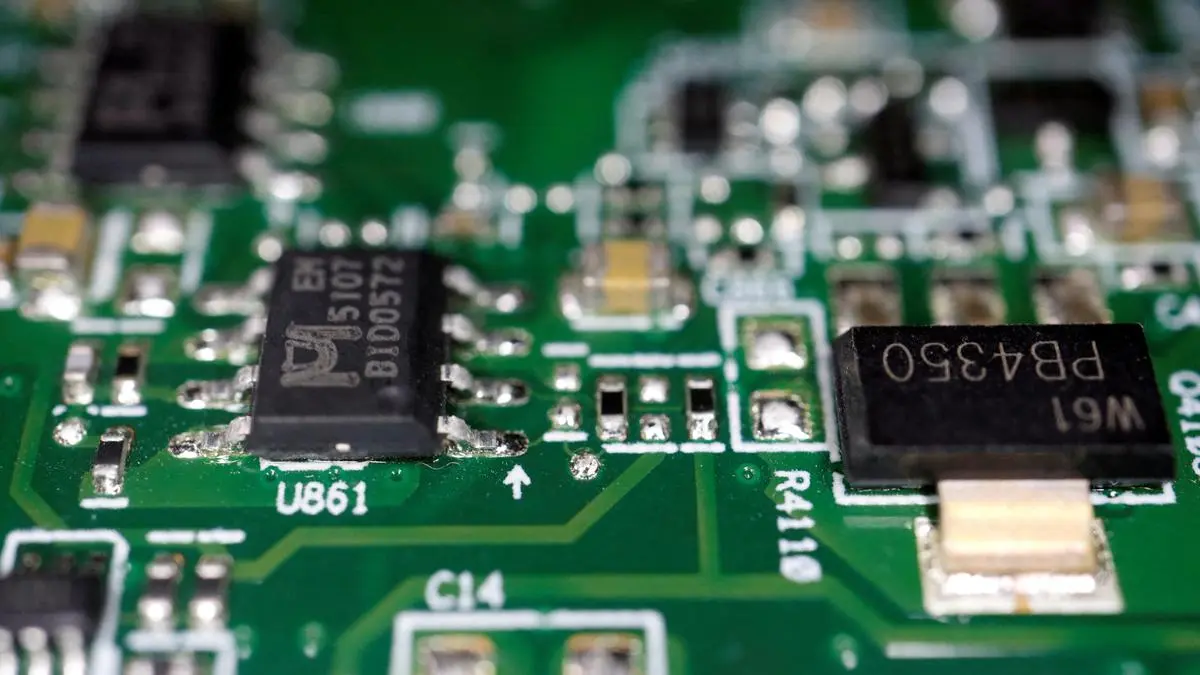
INOX India & partners open semiconductor training centre in Vadodara
The initiative aims to address the shortage of specialised technical talent as India builds its semiconductor manufacturing ecosystem
Vadodara (Gujarat) [India], October 24: Vadodara-based Parul University has been recognized globally for its research, with eight of its researchers featuring in the Stanford-Elsevier Global Scientist Rankings 2026 as among
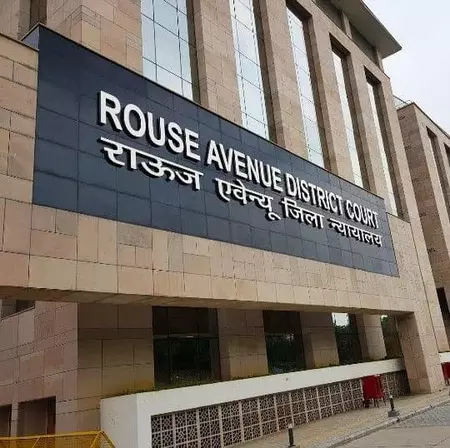
CBI court sentences bank fraud accused to seven years' rigorous imprisonment
Digital Desk | New Delhi, Oct 26 (IANS) A special CBI court at Rouse Avenue, New Delhi, has convicted and sentenced bank fraud accused Sanjeev Dixit alias Sanjay Sharma to seven years' rigorous imprisonment and imposed a fine of Rs 1.6 lakh, the Central Bureau of Investigation (CBI) said in a statement on Monday. According to the CBI, the case was registered on July 11, 2013, against Dixit, proprietor of M/s Shankar Metals; Sanjay Sharma, proprietor of M/s Super Machines; Indra Rani; and other unknown persons. The agency alleged that the accused, acting in criminal conspiracy, fraudulently obtained a cash credit facility of Rs 4 crore from Punjab National Bank's Jor Bagh branch in New Delhi using forged property documents. The loan amount was diverted for purposes other than those for which the credit facility had been sanctioned, the statement said. The CBI said that in 2016, Dixit escaped from judicial custody while being produced before a court in Sonipat in connection with another case. He subsequently absconded and was declared a proclaimed offender by the trial court on November 23, 2017. In January 2026, the agency received information that the proclaimed offender was living in Vadodara under a fake identity as Pankaj Bhardwaj, son of Brij Mohan Bhardwaj. Acting on the tip-off, the CBI traced him to Mata Tripura Sundari Mandir in Rajasthan's Banswara district and arrested him on January 30. During the trial, Dixit pleaded guilty to charges of criminal conspiracy, cheating by personation, cheating, forgery of valuable security, forgery for the purpose of cheating, and using forged documents as genuine. Following his plea, the Rouse Avenue court on October 24 convicted him and sentenced him to seven years' rigorous imprisonment along with a fine of Rs 1.6 lakh.
Jammu Kashmir to Face Baroda in Ranji Trophy Clash
SRINAGAR: Defending champions Jammu and Kashmir will face Baroda in their next Ranji Trophy Elite Group A fixture from October 26 to 29 at Reliance Cricket Stadium in Vadodara. The four-day contest forms part of Jammu and Kashmirs campaign in the domestic first-class competition. The side will be led by Paras Dogra, with the Jammu []
Pratapnagar-Jobat passenger train extended
Ascetic held for cheating two of gold jewellery
Man gets 20 years in jail for repeatedly raping 11-year-old girl
Leopard killed after being hit by vehicle on NH-48
Woman held with drugs worth Rs 3.9L in Vadodara

India Women Crush Zimbabwe by 121 Runs to Seal 2nd ODI Victory
India Women produced a dominant display with both bat and ball to defeat Zimbabwe Women by 121 runs in the second ODI of the Zimbabwe Women in India 2026/27 series at the BCA Stadium, Vadodara. After piling up an imposing 328/6 in 50 overs, India Women backed up their batting effort with a disciplined bowling [] The post India Women Crush Zimbabwe by 121 Runs to Seal 2nd ODI Victory appeared first on Pragativadi I Latest Odisha News in English I Breaking News .
First Indian ever! Deepti Sharma scripts history with century against Zimbabwe
In a remarkable display of skill, Deepti Sharma secured her place in history with an unbeaten century against Zimbabwe in Vadodara. Achieving the milestone in just 83 balls, she struck 15 boundaries, demonstrating her batting prowess from the No. 6 position. Furthermore, Harmanpreet Kaur's impressive 126-run innings added fuel to the fire, as they forged a record partnership, propelling India to a formidable total.
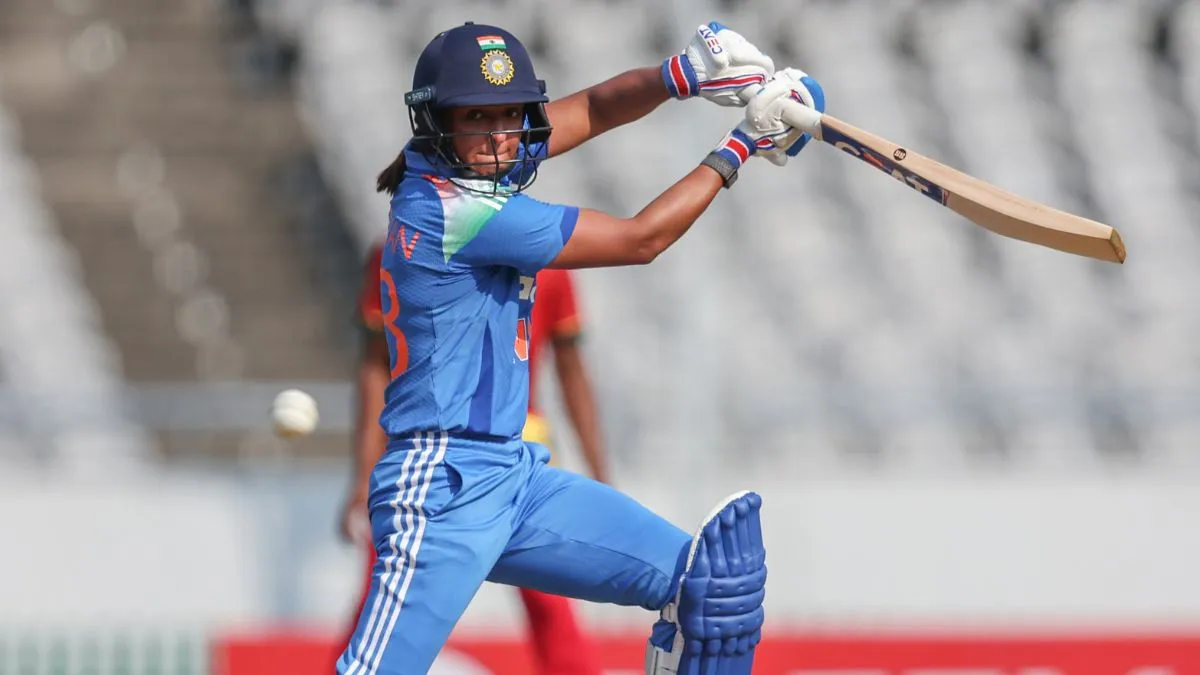
Former India captain Harmanpreet Kaur once again stole the show with a commanding century against Zimbabwe at the BCA Stadium in Vadodara. Ahead of the series, the BCCI officials held a meeting with Harmanpreet and following which she was replaced as captain. Smriti Mandhana was handed the baton. The veteran was asked to bat freely and since then, she has been a force to reckon with.
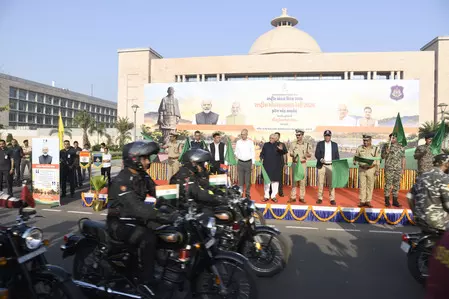
Nationwide anti-drug bike rally heads to Statue of Unity to join parade on October 31
Digital Desk | Gandhinagar, Oct 25 (IANS) More than 550 personnel from states, union territories and Central Armed Police Forces (CAPFs) are taking part in a national motorcycle rally to spread awareness against drug abuse ahead of the National Unity Day parade at Ekta Nagar on October 31. Gujarat Chief Minister Bhupendra Patel on Sunday flagged off the rally from the Secretariat complex in Gandhinagar, with participants set to travel to the Statue of Unity in Ekta Nagar, also known as Kevadia, under the theme Fight Against Drugs. Director General of Police (DGP) Gyanendra Singh Malik said 45 teams are participating in the rally through four zones, with more than 275 motorcycles. Five bikers from each participating state had joined the event, including participants from Ladakh, Jammu and Kashmir, Punjab, Delhi, Uttar Pradesh and Rajasthan, alongside CAPF personnel. Teams from across the country will reach Ekta Nagar today with the message Fight Against Drugs, DGP Malik said, adding that awareness programmes and pledge-taking activities were being organised at various locations along the route to encourage people, particularly young people, to stay away from drugs. The rally is part of preparations for the National Unity Day celebrations on October 31, which mark the birth anniversary of Sardar Vallabhbhai Patel, widely regarded as the architect of India's political integration after Independence. The annual event is held at Ekta Nagar, home to the Statue of Unity. The motorcycle rally follows the flag-off of the North Zone contingent by Union Home Minister Amit Shah in New Delhi on October 21. The contingent travelled through Haryana and Rajasthan before reaching Gandhinagar. From there, the rally will proceed through Anand and Vadodara before reaching Ekta Nagar. Participants are scheduled to take part in the National Unity Day parade on October 31. The campaign carries the message, Say No to Drugs, Say Yes to Life, with a focus on discouraging drug abuse through public awareness and community engagement. Sanjeev Kumar, Principal Secretary of the Home Department and Principal Secretary to the Chief Minister, along with senior police officers, government officials and security personnel, was present at the flag-off ceremony. The National Unity Day parade is held annually to commemorate Sardar Patel's contribution to national unity and integration. The celebrations bring together security forces and other contingents at Ekta Nagar, in Gujarat's Narmada district.
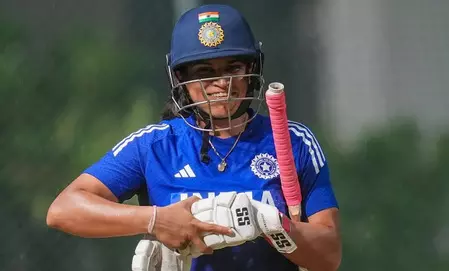
2nd ODI: Preparation brings clarity, which in turn brings results: Tejal Hasabnis
Digital Desk | Vadodara, Oct 25 (IANS) India batter Tejal Hasabnis believes thorough preparation for different match situations has been the key behind her recent good run, saying it gives her the clarity she needs once she walks out to bat in the middle order. Tejal struck twin half-centuries for India 'A' getting the 2-1 50-over series win over Australia A in Mohali, and it paved her way to earn a recall to the Indian team for the ongoing ODI series against Zimbabwe at the BCA Stadium. So honestly speaking, I feel preparation is very crucial as a middle-order batter because I try to be in different kind of situations. As you said, I practice that a lot in different areas. Like what areas I can target or what kind of innings I want to build. Then when Im playing in the match, I just try to have more clarity as I guess clarity gives more results. So I guess preparation helps. Good preparation always helps to become clear and clarity gives better output, Hasabnis told broadcasters in a pre-match chat ahead of the second ODI on Sunday. Reflecting on her back-to-back scores of 81 and 60 against Australia A, the right-handed Tejal said staying in the present and keeping a close eye on the match situation allowed her to stay ahead of the opposition bowlers. I was just trying to look and stay present, and I was just looking at the scoreboard and adapting accordingly, and it helped me, and technically, I was just trying to be one step ahead of them and it worked. When asked whether her preparation was more mental or technical, Tejal said self-belief played the bigger role, as well as being confident about her ability to shift gears when required and keep the scoreboard ticking. It's I feel its just about mindset. I know that I have both the gears like whenever a team needs, I can just put my foot down and attack and if given a situation, I know I am good at rotating sides. So its just about having that belief and following the scoreboard, I guess. With India having won the series opener by nine wickets, Tejal signed off by saying the team was eager to keep the winning run going while staying focused on the basics. I feel its definitely important as winning and dominating is something we are looking forward to and winning is always good. So well just try to focus on our process and make today count, she said.
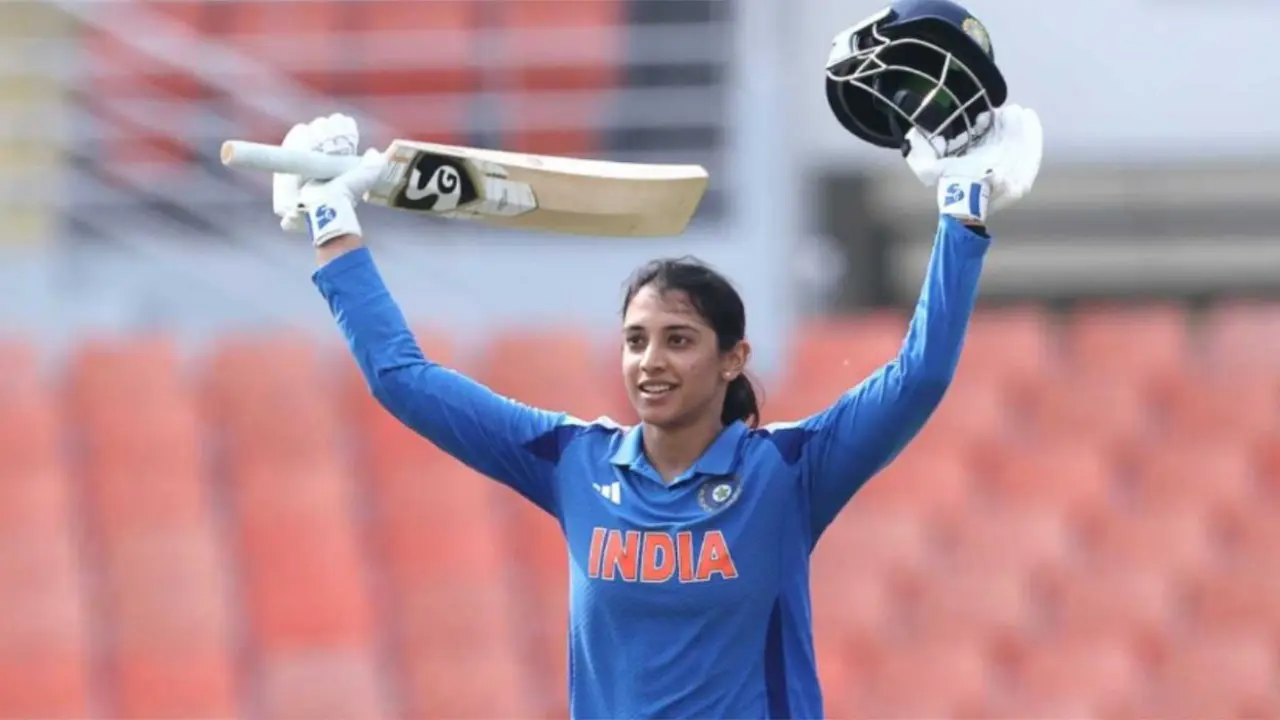
IND W vs ZIM W 2nd ODI: Smriti Mandhana won the toss and opted to bat first
won the toss and elected to bowl first in the second ODI between the sides at BCA Stadium in Vadodara. India can seal the series with a win, having already won the first ODI by 9 wickets

IND-W vs ZIM-W 2nd ODI Prediction, Match Preview And Playing XI
IND-W vs ZIM-W 2nd ODI , Cricket Tips :As expected, Team India, under the captaincy of Smriti Mandhana, have thrashed Zimbabwe Women in the first ODI to take a 1-0 lead in the three-match ODI series. After winning the T20I series 3-0, Mandhana has started her ODI captaincy stint with an easy win. Pratika Rawal was the star with her third ODI century. Meanwhile, Shree Charani bowled yet another game-changing spell (4/23) for India in the recent past. India will be keen to win the series as they head into the second game, which will be played at BCA Stadium in Vadodara on Sunday at 2 PM IST. Can Zimbabwe Women find something special to surprise the hosts? IND-W vs ZIM-W: Match Details Date : October 25, 2026 (Sunday) Time : 2:00 PM IST Venue : BCA Stadium, Kotambi, Vadodara IND-W vs ZIM-W: Live Streaming Details Star Sports Network and Jio Hotstar are the direct platforms to watch the upcoming game live on TV or on a phone. IND-W vs ZIM-W: Head-to-Head in ODI Total Matches: 2 Zimbabwe Women: 0 India Women : 2 No Result: 0 IND-W vs ZIM-W: Ground Pitch Report India chased down 200/1 in just 27.1 overs in the first game, which shows how good the wicket it. But there is some help early on in this wicket, which is expected to get better with time. The dew in the evening will also help the teams. IND-W vs ZIM-W: Possible XIs India Women : Pratika Rawal, Smriti Mandhana (c), Shafali Verma, Harmanpreet Kaur, Tejal Hasabnis, Richa Ghosh (wk), Deepti Sharma, Shree Charani, Kranti Gaud, Sayali Satghare, Renuka Thakur Zimbabwe Women: Modester Mupachikwa (wk), Loryn Phiri, BSharne Mayers, eloved Biza, Chiedza Dhururu, Nyasha Gwanzura, Chipo Mugeri-Tiripano, Michelle Mavunga, Nomvelo Sibanda (c), Tendai Makusha, Olinder Chare IND-W vs ZIM-W: Player to Watch Out For Probable Best Batter Pratika Rawal and Beloved Biza were the top scorers in the first game, and they will be confident for another good knock in the second match. Probable Best Bowler Shree Charani and Tendai Makusha bowled tight lines in the first game and were rewarded with a good display. Today Match Prediction: India Women have been dominant and are expected to win the second game. IND-W vs ZIM-W Match 2nd ODI, Today Match IND-W vs ZIM-W, IND-W vs ZIM-W Prediction, IND-W vs ZIM-W Predicted XIs, Injury Update for IND-W vs ZIM-W Match Also Read: Special Cricket Stories Disclaimer : The prediction or cricket tips are purely based on the understanding and research of the writer. So kindly make sure to consider the points above while making your predictions.
Gotri-Harinagar bridge accident toll rises to two
Two held for threatening traffic cops over dumpers no-entry violation
SMC seizes liquor worth 5L in Chhani
MSU team wins social innovation contest
Markets shut in Ghoghamba shuts down over tribal womans marriage
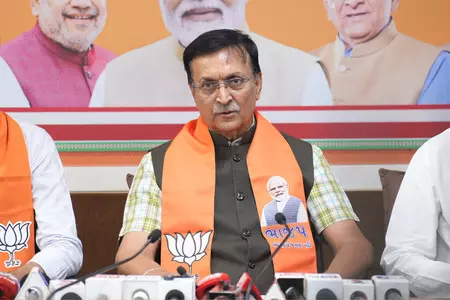
Rahul Gandhi is Liar of Opposition, not Leader of Opposition: Gujarat BJP
Digital Desk | Ahmedabad, Oct 24 (IANS) Gujarat Bharatiya Janata Party (BJP) chief spokesperson Anil Patel on Saturday accused Congress leader Rahul Gandhi of spreading misleading information about constitutional institutions, as the party announced a statewide campaign to counter the Oppositions allegations over the Special Intensive Revision (SIR) of electoral rolls. The BJPs Save Democracy, Remove Anarchy campaign will begin on Sunday, with a march in Surat, followed by programmes in Ahmedabad and Rajkot on October 27 and Vadodara on October 28. The party said it would organise further marches across districts and cities in Gujarat, along with press conferences and public outreach programmes. Addressing a press conference at the BJPs state headquarters in Gandhinagar, Patel accused the Congress and other Opposition parties of attempting to create distrust in constitutional institutions, including the Election Commission, through what he described as false and misleading information about SIR. Opposition is acting out of political frustration and attempting to mislead the public rather than accepting the peoples mandate and playing a constructive role, he said. Referring to Rahul Gandhis functioning, Patel said: Rahul Gandhi is behaving not as the Leader of Opposition but as the Liar of Opposition. Patel also accused the Congress of placing political interests above national interest in its pursuit of power. The partys allegations against constitutional institutions and its position on issues such as infiltration are turning matters of national interest into political confrontations, he said. He maintained that the Opposition would not succeed in creating an atmosphere of anarchy or misleading the public. The campaign is intended to present facts in response to the Oppositions claims about SIR and strengthen public confidence in democratic and constitutional institutions, the party said. The first march will take place at Adajan in Surat at 5 p.m. on Sunday in the presence of state BJP president Jagdish Vishwakarma and Union Minister C. R. Patil. State general secretary Prashant Korat will also attend. On October 27, Chief Minister Bhupendra Patel will attend the march in Ahmedabad, where state general secretary Ajay Brahmbhatt will also be present. A separate march in Rajkot on the same day will be attended by Vishwakarma, state co-in-charge Ajay Mahawar, Union Minister Mansukh Mandaviya, Union Minister Nimuben Bambhaniya and state general secretary Aniruddh Dave, among other leaders. Deputy Chief Minister Harsh Sanghavi will attend the Vadodara march on October 28, along with state general secretary Hitendrasinh Chauhan. The marches would bring together state ministers, MPs, MLAs, party office-bearers, elected representatives, workers, community leaders, traders association representatives, women, non-governmental organisation representatives and other citizens. Similar programmes will subsequently be organised across the state, party leaders said. The campaign will also include press conferences in districts and cities to address the Oppositions claims regarding SIR, discussions with eminent citizens, and youth interactions on the theme Democracy vs Mobocracy. Competitions for students on strengthening democracy and outreach programmes involving influential citizens and social media influencers are also planned. Youth discussions will cover Indias democratic history, the role of constitutional institutions, the Congress past use of Article 356 and the imposition of Presidents Rule in various states. Restrictions on the press and media during the Emergency will also feature, alongside discussions on institutional autonomy, infiltration and issues concerning national interest.
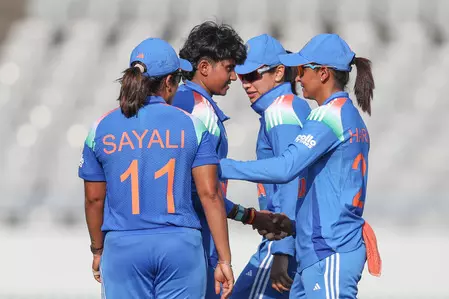
Digital Desk | Vadodara, Oct 24 (IANS) Fresh from a crushing nine-wicket win in the ODI series opener, a clinical India will look to clinch the series when they meet Zimbabwe in the second match here at the BCA Stadium on Sunday. The hosts, who swept the T20I series 3-0 in Raipur, extended their dominance on Friday as left-arm spinner Sree Charani's career-best 4-23 and opener Pratika Rawal's unbeaten century propelled them to another victory on a fresh red-soil pitch. After bundling out Zimbabwe for 197, India knocked off the target with 137 balls to spare and got their ICC Championship campaign off to a winning start. Charani was the standout bowler for India by relying on tight lines to keep the Zimbabwe batters in check. Pacer Kranti Gaud supported Charani well by picking 3-42, and India will wish for that to continue on Sunday. 17-year-old Beloved Biza held the innings together for Zimbabwe with a patient 62 off 92 balls, her fourth ODI fifty and she will again be the visitors best batting hope on Sunday. With the bat, Pratika was superlative in hitting 15 fours in her 96-ball century her third ton in the format. What would have also pleased India is regular opener Shafali Verma smashing an unbeaten 64 off 33 balls with five fours and four sixes while batting just the second time at number three in ODIs. India, who are using the series to test different combinations ahead of the multi-format trip to South Africa, will want to tighten up their fielding after two early lapses. When: October 25, 2026, 2:00 PM Where: BCA Stadium, Kotambi, Vadodara Where to watch: The match will be shown live on the Star Sports channels on TV, and live streaming is available on the JioHotstar app and website. Squads India: Smriti Mandhana (captain), Shafali Verma, Pratika Rawal, Harmanpreet Kaur, Harleen Deol, Tejal Hasabnis, Deepti Sharma (vice-captain), Richa Ghosh (wk), Yastika Bhatia (wk), Vaishnavi Sharma, Nandni Sharma, Sree Charani, Kranti Gaud, Sayali Satghare, and Jintimani Kalita. Zimbabwe: Kelis Ndhlovu, Beloved Biza, Chipo Mugeri-Tiripano, Chiedza Dhururu (wk), Nyasha Gwanzura, Josephine Nkomo (captain), Modester Mupachikwa, Sharne Mayers, Loryn Phiri, Francisca Chipare, Kudzai Chigora, Nomvelo Sibanda (vice-captain), Olinder Chare, Michelle Mavunga, and Tendai Makusha.

It Was One Of Those Days: Pratika Rawal Reflects On Dominant ODI Hundred
Pratika Rawal credited her preparation and confidence at the crease for her unbeaten century against Zimbabwe in the first ODI at the BCA Stadium in Kotambi, Vadodara, on Friday.
Five-year-old Arjun Prajapati has drawn attention for his exceptional learning abilities, scoring 141 on an IQ test and qualifying for Mensa International and Intertel at the age of four. He reportedly began reading independently at 18 months and has explored more than 3,000 books on subjects including mathematics, astronomy, genetics and human physiology. Despite his advanced interests, his parents want him to learn at his own pace and enjoy his childhood without academic pressure.

When You Know Youre Middling The Ball Well, Batting Becomes Very Easy: Pratika Rawal
Pratika Rawal: India opener Pratika Rawal credited her preparation and confidence at the crease for her unbeaten century against Zimbabwe in the first ODI at the BCA Stadium in Kotambi, Vadodara, on Friday, as the reigning 50-over World Cup champions registered a nine-wicket victory in the three-match series opener. Rawal struck 100 not out off 96 deliveries, sharing an opening stand with Smriti Mandhana before finishing the chase alongside Shafali Verma. Reflecting on her rhythm with the bat, the opener said feeling in control of her strokes helped her avoid unnecessary pressure. As a batter when you tap that bat, you feel confidence. Every day, obviously, is different but when you know that youre middling the ball well, your balls are going into those gaps, youre hitting the shots where you want to hit, so it becomes actually easier because youre not very clustered in your mind. You dont have multiple thoughts in your mind, so it becomes very easy when youre batting in that sense. It was one of those days and Im really happy that it came through really well, Pratika said in a BCCI video. The century also brought back memories of Rawals first ODI hundred, a milestone she had not realised coincided with the days match until coach Amol Muzumdar pointed it out before the innings. Mandhana then encouraged her to recreate the feat. I had no idea to be very honest that this was the day when I scored my first ODI 100. But we were sitting before going into bat and there was this match coming on TV which was New Zealand against India, and I was asking Amol sir, this was around that time onlyand then he said this is the exact day when you scored a 100, and then Smriti di said, Chalo aaj bhi karte hain phirlets just recreate it; its the exact same number of runsthe kind of partnership that we had that day. So its good memories, World Cup memoriesits always good to be back in that groove, she stated. Rawal also pointed to the conditions and her recent work in practice as factors behind her fluent knock, explaining that a clear plan helped her remain aggressive without becoming preoccupied with the scoring rate. Luckily, the wicket was in our favour. It was a flat track, the ball wasnt doing much, plus the kind of field placement that they had put helped us a lot. Also, I think when youre batting well in the nets, when you have prepared well in your practise sessions, you feel that kind of confidence, you feel that kind of stability in your mind that it doesnt take a lot from you in terms of being stressed out, where I have to hit, Oh the runs are not coming. So its basically how you prepare, and I wanted to play in that manner.I wanted to score a lot of boundaries; I wanted to go about it because this is something that Ive worked on recently, so Im really happy that it all turned out well, she added. The opener also praised spinner Sree Charani, who claimed four wickets to help restrict Zimbabwe to 197, highlighting her ability to make breakthroughs even when the pitch offered little assistance. Luckily, the wicket was in our favour. It was a flat track, the ball wasnt doing much, plus the kind of field placement that they had put helped us a lot. Also, I think when youre batting well in the nets, when you have prepared well in your practise sessions, you feel that kind of confidence, you feel that kind of stability in your mind that it doesnt take a lot from you in terms of being stressed out, where I have to hit, Oh the runs are not coming. So its basically how you prepare, and I wanted to play in that manner.I wanted to score a lot of boundaries; I wanted to go about it because this is something that Ive worked on recently, so Im really happy that it all turned out well, she added. Also Read: Special Cricket Stories Article Source: IANS
VMC panel clears Pathan plot allotment amid Congress objections
Jeweller among seven held for 8cr heist
Inspector caught taking 40k bribe in Anklav
Police destroy liquor stock worth 2.91cr
One killed, 3 injured in five-vehicle collision

How changing political stands can help benefit an opposition leader. The latest development is relates to this line as the Standing Committee of the Vadodara Municipal Corporation (VMC) on Friday, October 23, suddenly approved the allotment of a 978 square metre
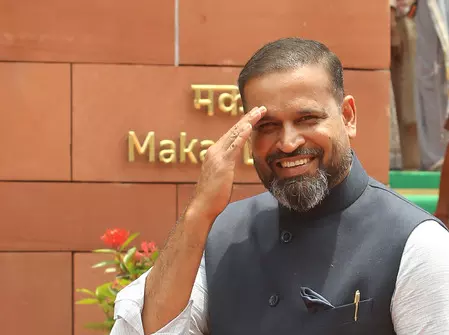
Gujarat: Vadodara civic body clears land allotment for Yusuf Pathan
Digital Desk | Vadodara, Oct 23 (IANS) The Vadodara Municipal Corporations (VMC) Standing Committee on Friday unanimously approved the allotment of a 978-square-metre municipal plot to former India cricketer and MP Yusuf Pathan, despite the Gujarat government having rejected his original request in 2014 and the civic body subsequently issuing him a notice over alleged encroachment. The decision was taken without any questions being raised during the meeting, according to sources. All 12 members of the Standing Committee belong to the BJP, which controls the civic body. The Congress, with six corporators in the 69-member VMC, has no representation on the committee. Congress leaders and corporators staged a protest outside the committee hall before the meeting, opposing the proposed transfer and holding placards criticising the BJP and the decision. The plot, identified as Final Plot No. 90 under Town Planning Scheme 22 in Tandalja, is adjacent to Pathans bungalow. Under the approved proposal, 500 square metres will be transferred to him as a gift, while the remaining 478 square metres will be allotted at 55 per cent of the valuation determined by the Vadodara Urban Development Authoritys Valuation Committee. The land was valued at Rs 2.10 lakh per square metre when the civic body considered putting it up for public auction earlier this year, taking the estimated value of the entire plot to around Rs 20.5 crore. At that valuation, the proposed arrangement would give Pathan the 500-square-metre portion without payment and allow him to acquire the remainder at a concessional rate. Standing Committee chairperson Varsha Vyas said the panel had accepted the proposal on the basis of the state governments resolution and the recommendation submitted by the municipal commissioner. She said, The allotment is being considered under the Urban/Area Development Authorities (Disposal of Land and Other Properties) Regulations, 2002, which provide for the disposal of land through sale or the grant of development rights. Vyas added that the government had decided to allot the land in recognition of Pathans contribution to Indian sport and that the committee had acted on the approval conveyed by the state. The dispute dates back to March 3, 2012, when Pathan applied to the VMC for a 99-year lease of the plot without a public auction. The civic body had approved the proposal at the time, but the state government rejected it in June 2014. The VMC subsequently alleged that Pathan had fenced off and occupied the land despite the rejection. In June 2024, days after Pathan won the Baharampur Lok Sabha seat in West Bengal on a Trinamool Congress (TMC) ticket, the VMC served him a notice asking him to remove the alleged encroachment. Pathan challenged the rejection of his allotment request in the Gujarat High Court, but a single judge dismissed his plea in August 2025. He later appealed against the order. The civic body began preparations for a public auction of the plot in July this year. However, the proposal was withdrawn after the VMCs General Board raised questions about the alleged encroachment and said the land should not be disposed of until the dispute was resolved. Pathan withdrew his appeal before the Gujarat High Court on August 31, two days after the VMC received the state governments communication approving the proposed transfer. The allotment proposal was cleared after Pathan and 19 other MPs broke away from the TMC on June 14 and joined the Nationalist Citizens Party of India (NCPI), seeking separate seating in the Lok Sabha. The Gujarat governments approval for the land transfer was issued in August, roughly two months after the political split.
Navratri leaves 35,000kg plastic waste on Pavagadh
3 students from city make it to AIR list
Three dead in accident in Dahod

Ahmedabad: Rs 25 Cr Drugs Seized, 3 Arrested
Police in Ahmedabad have seized heroin and mephedrone worth nearly Rs 25 crore from the Ahmedabad-Vadodara Expressway, arresting three individuals with prior criminal records in connection with an inter-state drug trafficking network.
Cheered in Chhota Udepur, but Vadodara shuts stage to Muslim who played Lakshmana for 14 years
MSUs new disability centre to bring academic, health support under one roof
DPS to refund or adjust 15k security deposits
Revenge killing during Navratri: 4 held for stabbing man to death
Jammu Kashmir Announce Ranji Trophy Squad, Umran Malik Dropped
SRINAGAR: Jammu and Kashmir have dropped fast bowler Umran Malik from their 15-member squad for the Ranji Trophy match against Baroda, scheduled to be played in Vadodara from October 26 to 29. The Jammu and Kashmir Cricket Association (JKCA) announced the squad on Wednesday, October 21, following recommendations from the Senior Mens Selection Committee and []
VMC proposes 20.84cr outlay for 23 litter-picker machines
Found alone at rly station, boy adopted by Italian couple
Jail initiative keeps children of inmates on path to education
Mother-son duo mowed down by train in Bodeli
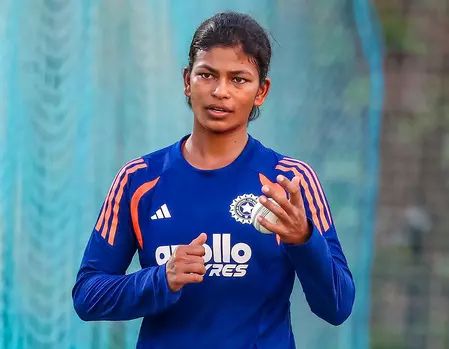
3rd T20I: Prema replaces Charani as India Women elect to bat vs Zimbabwe
Digital Desk | Raipur, Oct 20 (IANS) India won the toss and elected to bat against Zimbabwe in the third Women's T20I of the series at the Shaheed Veer Narayan Singh International Stadium in Raipur on Tuesday. India captain Smriti Mandhana said the team opted to bat first to give the middle order more time in the centre, with a target of scoring 180-plus. In T20 cricket, we have to play positively, and I dont have a number in mind, but we are looking at 180-plus, she said. Mandhana added that Sree Charani was rested for the match, with Prema Rawat coming into the side, and expected the team to hit more sixes with power-hitter Shafali Verma in the line-up. Zimbabwe captain Josephine Nkomo said her team was keen to bat first and make the most of the powerplays, adding that the side would focus on rotating the strike and maintaining a positive approach. I dont think the conditions will change much and we are looking to do well in the powerplays. We are trying to rotate the strike more and play positively, she said. Nkomo stressed that consistent improvement required hard work and a willingness to learn from every game, adding that Zimbabwe were aiming to perform well across all formats. India Women have already sealed the three-match T20I series after winning the first two matches. They are now hoping to make a clean sweep by winning the third match. TheT20I series will be followed by a three-match ODI series at Vadodara, with matches scheduled on October 23, 26 and 28. Playing XIs: India Women: Shafali Verma, Smriti Mandhana (c), Anushka Sharma, Harmanpreet Kaur, Niki Prasad, Richa Ghosh (wk), Deepti Sharma, Arundhati Reddy, Nandani Sharma, Kranti Gaud, Prema Rawat Zimbabwe Women: Kelis Ndhlovu, Beloved Biza, Chipo Mugeri-Tiripano, Sharne Mayers, Josephine Nkomo (c), Nyasha Gwanzura, Modester Mupachikwa (wk), Kudzai Chigora, Loryn Phiri, Tendai Makusha, Nomvelo Sibanda

Gujarat govt gifts part of disputed Vadodara plot to Yusuf Pathan
The proposal comes nearly four months after the Lok Sabha MP, as part of a rebel TMC group, broke away from the Mamata Banerjee-led fold and merged with the NCPI to join the BJP-led NDA
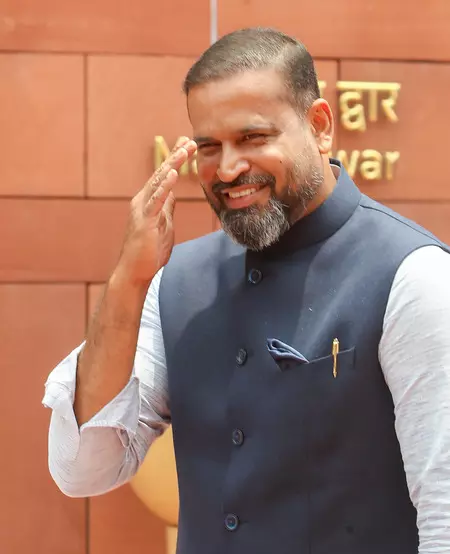
Digital Desk | Vadodara, Oct 20 (IANS) The Vadodara Municipal Corporation (VMC) has proposed allotting a disputed 978 square-metre (sq mtr) plot next to former cricketer and MP Yusuf Pathans family home, with 500 square metres to be gifted to him and the remaining area offered at a 45 per cent concession. The proposal, submitted by the municipal commissioner, is scheduled to come up before the standing committee of the BJP-ruled civic body on October 23 for final approval. If cleared, it would provide a route to resolve a dispute over the municipal land that has continued for more than a decade. Under the proposal, the remaining 478 square metres would be allotted at 55 per cent of the rate determined by the Vadodara Urban Development Authority (VUDA) Valuation Committee. The allotment would be subject to specific terms and conditions under a 2024 resolution of the state government's Urban Development and Urban Housing Department. Pathan has been seeking to purchase the land in the Tandalja locality since 2012. The VMC had initially agreed to his request, but the state government rejected the proposed sale in 2014. The dispute resurfaced in 2024, when the civic body issued Pathan a notice asking him to remove an alleged encroachment and vacate the municipal land. By then, Pathan had been elected to the Lok Sabha from Baharampur in West Bengal on a Trinamool Congress (TMC) ticket. Pathan challenged the notice in the Gujarat High Court, arguing that the matter dated back more than a decade and that the civic body should have issued a show-cause notice before directing him to remove the alleged encroachment. He also contended that the land belonged to the municipal corporation, rather than the state government. The High Court upheld the state government's rejection of his original allotment request. Pathan subsequently challenged the order before a Division Bench, but withdrew the appeal in August after his lawyer informed the court that he was pursuing the matter under the state government's policy. The latest proposal follows an earlier attempt by the VMC to prepare the plot for public auction. In July, the civic body's standing committee approved a valuation of Rs 2.10 lakh per square metre, putting the estimated value of the entire 978-square-metre parcel at around Rs 20.5 crore. The proposal was later withdrawn after the VMC's general board raised questions about the alleged encroachment and the disposal of the land before the dispute had been resolved. The Gujarat government's resolution approving the proposed allotment was issued on August 13 and reached the VMC on August 29. Pathan withdrew his appeal two days later. The civic body's land estate department has since initiated the process of securing the necessary approvals for the allotment. The proposal comes after Pathan's departure from the Trinamool Congress in June this year. He was among 20 MPs who broke away from the party led by Mamata Banerjee and joined the Nationalist Citizens Party of India (NCPI), aligning with the National Democratic Alliance (NDA) in Parliament. The standing committee's decision on October 23 will determine whether the proposed allotment can proceed to the next stage of the civic body's approval process.

A Plot Twist: Months After Yusuf Pathan's TMC Exit, Gujarat Govt Gifts Him Disputed Vadodara Land
The Gujarat government has approved a proposal to allot a disputed 978-square-metre Vadodara Municipal Corporation plot in Tandalja to former India cricketer and ex-TMC MP Yusuf Pathan. Under the proposal, 500 square metres will be gifted for residential use, while the remaining 478 square metres will be transferred at 55% of the assessed valuation. The plots estimated market value is Rs 20.53 crore. The allotment still requires approval from VMCs Standing Committee and General Board. The dispute dates back to 2012, when Pathan sought a long-term lease of the land. After the government rejected the earlier proposal in 2014, VMC alleged encroachment. The Gujarat High Court upheld the rejection in 2025, and Pathan withdrew his appeal unconditionally on August 31, 2026.

After TMC Exit, Gujarat To 'Gift' Part Of Disputed Vadodara Plot To Yusuf Pathan
Pathan had been seeking the 978-square-metre residential plot located next to his family home in Vadodara's Tandalja locality since 2012, but faced years of legal hurdles and encroachment notices from the civic body.
After TMC exit, Guj offers 500 sqm free land for Yusuf Pathan
The Gujarat government has proposed to allot a long-disputed municipal plot in Vadodara to former cricketer Yusuf Pathan, gifting 500 square metres and offering the rest at a concessional rate. This proposal comes months after Pathan, a newly elected MP, broke away from the Trinamool Congress to join the NDA. The plot has been subject to legal battles and encroachment notices since 2012.
After TMC Exit, Gujarat Govt Moves to 'Gift' Part of Disputed Vadodara Plot to Yusuf Pathan
Months after Yusuf Pathan broke away from the Trinamool Congress, the Gujarat government has proposed to hand over a long-disputed municipal plot in Vadodara to the former cricketer, gifting 500 square metres of the land and offering the rest at a

Yusuf Pathan Secures Controversial Land Plot Approval from Gujarat Government
Former cricketer Yusuf Pathan receives approval for a disputed land plot in Vadodara from the Gujarat government. Yusuf Pathan Secures Controversial Land Plot Approval from Gujarat Government
NDA 'Joining Bonus' For Yusuf Pathan? A 'Plot' Twist In Long Legal Battle
A plot of land adjacent to the Pathan family home in Vadodara that Yusuf Pathan had wanted since 2012 and was embroiled in a long legal and administrative battle will finally be his.
After ditching Mamata Banerjee, Yusuf Pathan gets a gift from Gujarat government
Muslim actor who played Lakshmana for 14 years to enact Kevat, Meghnad in Ram Leela
8,136kg of spurious ghee worth 42L seized
LNG tanker collision triggers panic on expressway

Womens Safety Enhanced at Garba Events in Vadodara with She Team Initiative
The She Team in Vadodara ensures womens safety during Garba festivities, boosting confidence among female entrepreneurs and attendees. Womens Safety Enhanced at Garba Events in Vadodara with She Team Initiative
Baroda bowler Bhargav Bhatt plays his 100th first-class match
FIR lodged against contractor for shoddy bridge work
2 men arrested with bogus ex-army ID cards

News In Frames: A circle for all
At the historic Lakshmi Vilas Palace in Vadodara, Garba is more than a celebration of devotion and dance; for members of the LGBTQIA+ community, it offers a space to embrace their identities and find a sense of belonging within a centuries-old tradition
Identity row, brawl, parking protest mar garba revelry

Five killed, six injured in reactor blast at Gujarat pharma unit
Digital Desk | Bharuch, Oct 17 (IANS) At least five workers were killed and six injured after a 15-kilolitre reactor exploded during a hydrogenation process at a pharmaceutical manufacturing unit in Gujarats Bharuch district late on Friday night, with a reported methylene dichloride (MDC) gas leak adding to the impact of the incident, according to reports on Saturday. The explosion occurred at SynZeal Pharmachem in the Saykha Gujarat Industrial Development Corporation (GIDC) estate in Vagra taluka. The force of the blast sent debris from the reactor beyond the company premises, while machinery parts and metal sheets were scattered across the plant, according to reports. The subsequent gas leak reportedly left the area shrouded in dust and haze, with workers and others at the site complaining of severe eye irritation. The injured were taken to hospitals in Bharuch and Vadodara for treatment, while the bodies of the deceased were shifted to Bharuch Civil Hospital. The incident triggered panic across the industrial estate, prompting police and district authorities to reach the site and initiate rescue operations. Teams from the Gujarat Pollution Control Board (GPCB) and the Industrial Safety and Health Department also began an investigation into the explosion and the circumstances surrounding the reported chemical leak. Bharuch Sub-Divisional Magistrate, Manisha Manani, said the blast occurred during the hydrogenation process. Officials are examining the cause of the explosion and whether the unit complied with applicable industrial safety requirements. The precise cause has not yet been established. Four of the deceased were reportedly identified as Jaideep Patel, 27, a shift in-charge from Vagra; Aniketkumar Harikishor, 24; Arjun Ramsingh Gautam, 20; and Vrund Talavia. Authorities were still verifying the identity of the fifth victim. The company had reportedly begun operations with 53 employees and had not completed a year at the Saykha GIDC estate. The investigation is expected to establish what caused the reactor to explode, the extent of the chemical release and whether any safety lapses contributed to the deaths and injuries.
Cops, fishermen rescue man who jumped into Mahisagar river
Expired products found at dairy outlet, 25k penalty imposed
SSG Hospital launches pain clinic for non-surgical treatment
Man held for assaulting two cops in court
Crocodile strays into cattle shed

Vadodaras SHE Team on guard as women celebrate Garba during Navratri
Vadodaras SHE Team on guard as women celebrate Garba during Navratri
Cops crack 13 bike theft cases, accused held
Three city-based doctors win outstanding researcher award
Cargo trolley on Pavagadh ropeway crashes into cabin
No Casualties, Accident Occurred During Maintenance
Labour officer held for taking 70k bribe

PM e-Bus Sewa: Vadodara Increases Electric Bus Fleet from 50 to 80 with Latest Addition