



Offer Betel Nut To Invite Prosperity And Divine Blessings
Betel nut, also known as Supari or Areca nut (Areca catechu), has been an important part of Hindu traditions for centuries. The post Offer Betel Nut To Invite Prosperity And Divine Blessings appeared first on Dharma .

Acrimony between Daksa and Shiva
Ages back, an incident of momentous significance brought a vast change, and even the divine forces thought differently. Prajapatis (the lords of created beings -the kings, the rulers and the gods), who epitomized the creative energy identical to Brahma (the Supreme Creator) organised a yajna. Many attended the holy yajna of vast dimensions. The principal seers, the sages, the gods of heavens, hosts of virtuous people, the divinities and the celestial attendants participated in yajna. On the auspicious occasion, the saintly souls assembled to pay homage to the Supreme lord (the Invisible Creator) and sought blessings.
Keep Betel Leaf In Your Daily Worship For Health
Betel leaf, also known as Paan Patta or Piper betle, is far more than a traditional leaf used in Indian culture. The post Keep Betel Leaf In Your Daily Worship For Health & Prosperity appeared first on Dharma .
Try Kati Basti To Relieve Lower Back Pain Naturally
Lower back pain can affect daily activities, mobility, and overall quality of life. The post Try Kati Basti To Relieve Lower Back Pain Naturally appeared first on Dharma .

What would Francis of Assisi make of his fame today?
The Catholic saint renounced wealth and fame to become a mendicant friar. Yet over history, his teachings and life have inspired popes, Dante, and even Mussolini.
Visit Shakti Pithas To Experience Maa Shakti
Shakti Pithas are among the most sacred pilgrimage destinations in Hinduism, attracting devotees from across the world. The post Visit Shakti Pithas To Experience Maa Shaktis Divine Presence appeared first on Dharma - WeRIndia .
9 Fascinating Facts About Bhishma Pitamaha Every Hindu Should Know
Bhishma Pitamah is one of the most respected and influential characters in the Mahabharata. The post 9 Fascinating Facts About Bhishma Pitamaha Every Hindu Should Know appeared first on Dharma - WeRIndia .
Once upon a time, the wise men and the scholars of history

17.79 Lakh new devotees reached Badrinath setting a new record of faith
Under the able leadership of Chief Minister Pushkar Singh Dhami, the Char Dham Yatra continues to set new milestones. After Yamunotri and Gangotri, the number of pilgrims visiting Badrinath Dham has now surpassed all previous records. For the first time in the history of the shrine, the number of devotees visiting Badrinath has reached 1,779,805. There is still around one-and-a-half to nearly two months remaining before the shrines portals close for the winter. The Badrinath Yatra, which commenced on April 23, has created a new record of faith in just 153 days as of September 22. According to Tourism Department data, in the year 2000, the year Uttarakhand was established, a total of 695,332 pilgrims visited Badrinath Dham. In 2007, this figure increased to 768,107. In 2008 and 2010, the number crossed the 1-million mark. However, the devastating disaster of 2014 disrupted the pilgrimage, bringing the number of pilgrims down to 159,575. In 2018 and 2019, 1,048,051 and 1,244,993 devotees respectively visited the shrine. However, the COVID-19 pandemic once again brought the number down to between 150,000 and 200,000. In 2020, only 155,055 pilgrims visited Badrinath, while the figure stood at 199,409 in 2021. With improved pilgrimage management and expansion of facilities for pilgrims under the Dhami government, the number of devotees visiting Lord Badri Vishal has continued to set new records since 2022. In 2022, 1,763,578 devotees visited Badrinath; in 2023, the figure was 1,780,429; in 2024, 1,774,264; and in 2025, a record 1,778,298 devotees visited the shrine. With weather conditions improving, the daily footfall is now increasing further. On Tuesday, 6,685 devotees had darshan at Badrinath Dham. Quote Keeping in view the increasing number of pilgrims during the second phase of the Char Dham Yatra, special focus has been placed on strengthening pilgrim facilities at the dhams and en-route halts. Health and safety arrangements have also been strengthened. Under the guidance of Honble Prime Minister Narendra Modi ji, work is being carried out at a rapid pace to give Shri Badrinath Dham a grand, divine and well-organized form in keeping with its religious and mythological significance. This will provide better facilities and a more comfortable experience to devotees. :-Pushkar Singh Dhami Chief Minister, Uttarakhand

Pitru Paksha 2026 Begins September 26: Check Complete Shradh Calendar
Pitru Paksha 2026 begins on September 26 and ends on October 10. Check the complete Shradh calendar, important rituals, do's and don'ts.

Anant Chaturdashi 2026: Date, Puja Muhurat, Rituals & Ganesh Visarjan
Anant Chaturdashi 2026 falls on September 25. Know the puja muhurat, Anant Sutra rituals, vrat katha and significance of Ganesh Visarjan.
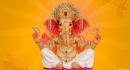
Why Is Ganeshotsav Celebrated for 10 Days? Know the Mythological Story
Why is Ganeshotsav celebrated for 10 days? Discover the popular legends linking the festival to Mahabharata's writing and Lord Ganesha's visit from Kailash.
Atmospheric Air as The Trinity
For the past several years I have been writing on various aspects of a pet concept I have, that the Atmospheric Air enveloping the earth is the real Trinity we all revere, the Creator of life forms, the Sustainer of life forms and the Destroyer of life forms on Earth, the only planet in the whole known universe that harbors life.

First-Ever Ganga Aarti Held on River Thames in London - WATCH
Thousands gathered in London for the first-ever Ganga Aarti on the River Thames, organised by Chinmaya Mission UK as a celebration of faith, nature and gratitude.
Stay Cool Naturally With Odisha
Pana is a traditional Odia summer drink that has been enjoyed for generations for its cooling, nourishing, and refreshing qualities. The post Stay Cool Naturally With Odishas Traditional Pana Drink appeared first on Dharma .
Boost Energy, Protein, And Digestion by Consuming Poda Pitha
Poda Pitha is one of Odisha's most treasured traditional delicacies, celebrated for its rich flavor, wholesome ingredients, and deep cultural significance. The post Boost Energy, Protein, And Digestion by Consuming Poda Pitha appeared first on Dharma .
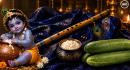
Janmashtami 2026: Why Is Cucumber Cut at Midnight? The Fascinating Story Behind the Ritual
Janmashtami, one of the most revered Hindu festivals, celebrates the divine birth of Lord Krishna. Devotees across India observe fasts, decorate temples and homes, sing devotional songs and wait eagerly for midnightthe auspicious hour when Krishna is believed to have appeared on Earth. Among the many traditions associated with Janmashtami, one ritual stands out for its unique symbolism: cutting a cucumber at midnight. For devotees who follow this custom, the ritual is not simply about cutting a fruit. It is believed to represent the birth of baby Krishna and carries a deep spiritual significance. What Is the Connection Between a Cucumber and Krishnas Birth? According to religious belief, the stalk attached to a cucumber is symbolically compared with an umbilical cord. Just as an umbilical cord connects a baby to the mother before birth, devotees believe that cutting the cucumber stalk represents the symbolic separation of newborn Krishna from his mother, Mata Devaki. The ritual is traditionally known as Nal Chhedan, which means cutting the umbilical cord. It is seen as a symbolic representation of Krishna's divine birth and the moment when he was separated from Devaki to protect him from the tyrant king Kansa. Why Is the Ritual Performed at Midnight? According to Hindu tradition, Lord Krishna was born at midnight on the eighth day of the dark fortnight of the month of Bhadrapada. Therefore, devotees wait until midnight to perform the symbolic birth rituals. The cutting of the cucumber stalk at this precise time is believed to represent the moment Krishna was born. The ritual is followed by prayers, Laddu Gopal worship and midnight aarti. How Is the Cucumber Ritual Performed? The exact method may vary according to family and regional traditions, but the ritual is generally performed with devotion and cleanliness. A fresh cucumber with its stalk attached is selected. It is placed in a clean vessel or worship area. At midnight, the stalk is symbolically cut using a clean knife or another traditionally prescribed object. The cucumber is not necessarily cut completely. An idol of Laddu Gopal (baby Krishna) is taken out from the cucumber, symbolizing his birth. The symbolic birth is followed by prayers, chanting, aarti and devotional celebrations. What Does Cucumber Cutting Symbolise? The ritual is believed to represent more than the physical act of cutting a stalk. It symbolises birth, separation, sacrifice and divine protection. According to the traditional narrative, Devaki and Vasudeva could not keep their newborn son with them because Kansa posed a threat to his life. Krishna was therefore taken to Gokul, where he was raised by Yashoda and Nanda. The cucumber ritual is thus seen by devotees as a symbolic reminder of Krishna's extraordinary birth and the difficult separation that followed it. ALSO READ: Before Janmashtami, Bring These 5 Auspicious Things Home for Happiness & Prosperity Disclaimer: The content provided here is based on beliefs and information only. Always consult a concerned expert.
Discover Sushruta-Style Ayurveda For Advanced Natural Healing
Sushruta-style Ayurveda represents the procedural and surgical branch of classical Ayurveda, founded by Acharya Sushruta, whose Sushruta Samhita remains one... The post Discover Sushruta-Style Ayurveda For Advanced Natural Healing appeared first on Dharma .

Before Janmashtami, Bring These 5 Auspicious Things Home for Happiness & Prosperity
Janmashtami is celebrated on the Ashtami Tithi of the Krishna Paksha in the Hindu month of Bhadrapada. The festival marks the birth of Lord Krishna. In many households, devotees worship Krishna in his child form, known as Laddu Gopal. It is traditionally believed that serving and worshipping Krishna brings happiness, peace and prosperity to the home. Bringing certain sacred items into the house before Janmashtami is also considered auspicious. These are not merely decorative objects but are regarded as symbols of devotion and seva. 1. Wooden Flute at Home Bringing a flute associated with Lord Krishna home before Janmashtami and placing it in the puja room is considered auspicious. The flute is traditionally associated with love, sweetness and harmony. It can be placed near Laddu Gopal or in another clean and respectful place in the home. Devotees are advised to treat the flute as a sacred symbol rather than simply a decorative item. Keeping it near Krishna during worship is believed to enhance the devotional atmosphere and bring a sense of peace and harmony to the household. 2. Cow and Calf Idol or Picture Lord Krishna has a deep association with cows and the tradition of Gau Seva. Bringing home an idol or picture depicting a cow and calf before Janmashtami is considered auspicious. It is traditionally associated with family happiness, nourishment and prosperity. The idol can be placed near Krishna in the puja area. The tradition also encourages devotees to cultivate respect and compassion towards cows. If choosing a picture, it should similarly be placed in a clean and respectful location rather than treated merely as home dcor. 3. Shri Yantra Devotees can worship Lakshmi-Narayan before or on Janmashtami. According to religious belief, seeking the blessings of Lord Vishnu and Goddess Lakshmi is associated with peace, prosperity and stability in the household. A Shri Yantra may also be brought home and placed in a clean puja area. It is traditionally regarded as a symbol associated with prosperity and abundance. Simply purchasing a yantra is not considered enough in traditional practice. Devotion, regular worship, cleanliness and lighting a diya are regarded as important parts of the practice. 4. Tulsi Plant If there is no Tulsi plant at home, bringing one home before Janmashtami and caring for it regularly is considered highly auspicious. Tulsi is traditionally regarded as Vishnu Priya, or beloved of Lord Vishnu. Its worship is associated with auspiciousness, well-being and prosperity. Place the plant in a clean location and care for it regularly. Remove dried leaves and ensure the plant receives appropriate sunlight and water. Tulsi also holds a special place in Krishna worship, and offering Tulsi leaves as part of bhog is an important devotional tradition. 5. Pure Cow Ghee for the Puja Lighting a ghee diya during Janmashtami worship is considered a sattvic and auspicious practice. Devotees can keep pure cow ghee at home in preparation for the festival. Ghee is traditionally associated with purity, light and auspiciousness. A ghee diya can be lit during the midnight worship, around the traditional time associated with Krishna's birth. Disclaimer: The content provided here is based on beliefs and information only. Always consult a concerned expert.

Raksha Bandhan 2026: Choose a Lucky Rakhi for Your Brother According to His Zodiac Sign
Raksha Bandhan, the sacred festival celebrating the unbreakable bond between brothers and sisters, will be observed on August 28, 2026. A rakhi is not merely a thread; traditionally, it is regarded as a symbol of a sisters prayers for her brothers long life, protection and well-being. According to astrology, choosing a rakhi in a colour associated with the ruling planet of your brothers zodiac sign is believed to invite positive planetary energies, prosperity and happiness into his life. Here are the auspicious rakhi colours for each zodiac sign this Raksha Bandhan: 1. Aries: Red for Energy and Courage Aries is ruled by Mars. For brothers born under this sign, a red or orange rakhi is considered auspicious. These colours are believed to promote courage, strength, determination and success. 2. Taurus: White and Pink for Harmony Taurus is ruled by Venus. A white, pink or light-blue rakhi is considered suitable for Taurus brothers. These colours are traditionally associated with peace, affection and harmony in relationships. 3. Gemini: Green for Intelligence and Growth Gemini is governed by Mercury. A green rakhi is regarded as favourable for brothers of this sign and is believed to support intellectual growth, business prospects and overall well-being. 4. Cancer: White for Emotional Peace Cancer is ruled by the Moon. A white, silk, silver-toned or pearl-studded rakhi can be chosen for Cancer brothers. These are traditionally associated with emotional stability, peace of mind and a strong sibling bond. ALSO READ: Raksha Bandhan 2026: Should You Tie 3 or 5 Knots on a Rakhi? 5. Leo: Golden and Yellow for Recognition Leo is ruled by the Sun. A golden, yellow or saffron-coloured rakhi is considered auspicious. According to astrological beliefs, these colours can support confidence, leadership qualities, recognition and respect. 6. Virgo: Green for Success and Positivity Virgo is also ruled by Mercury. A dark green or brown rakhi is considered a good choice for Virgo brothers. These colours are believed to attract positive energy and support career growth and stability. 7. Libra: Pink and White for Love and Balance Libra is governed by Venus. Brothers belonging to this sign can be gifted a pink, sky-blue or white rakhi. These colours are associated with love, harmony, balance and peaceful relationships. 8. Scorpio: Red and Maroon for Strength Scorpio is ruled by Mars. A deep red, orange or maroon rakhi is considered highly auspicious. These colours are believed to enhance confidence, inner strength and the ability to overcome challenges. ALSO READ: Raksha Bandhan 2026: Who Should You Tie Rakhi to First Before Tying It to Your Brother? Know the Ritual 9. Sagittarius: Yellow for Knowledge and Good Fortune Sagittarius is ruled by Jupiter. A yellow or golden rakhi is considered favourable for Sagittarius brothers. According to astrology, these colours are associated with wisdom, prosperity, good fortune and personal growth. 10. Capricorn: Dark Blue for Stability Capricorn is ruled by Saturn. A dark blue, brown or black rakhi, including designs featuring blue stones, can be chosen for Capricorn brothers. These colours are traditionally believed to support discipline, patience, career stability and success. 11. Aquarius: Blue and Purple for Progress Aquarius is also associated with Saturn. A blue or purple rakhi is considered suitable for Aquarius brothers. These colours are believed to encourage creativity, fresh ideas, professional growth and progress. 12. Pisces: Yellow and Orange for Prosperity Pisces is ruled by Jupiter. A yellow or orange rakhi is considered auspicious for Pisces brothers. These colours are traditionally associated with good fortune, mental peace, prosperity and abundance. ALSO READ: Raksha Bandhan 2026: Will Bhadra Affect Rakhi? Know the Correct Date and Best Muhurat Disclaimer: The content provided here is based on beliefs and information only. Always consult a concerned expert.

Modi Chalisa Row: Is Worshipping Living People Allowed in Hinduism?
The debate over Modi Chalisa raises questions about person worship in Hinduism. Explore Hindu scriptures, the difference between respect and worship, and views on worshipping living individuals.

Will 13 Muslim Nations Attack India? Mecca Defense Pact Revive Bhavishya Malika Prediction
Bhavishya Malika prediction claims 13 Muslim countries may unite against India. Know what the prophecy says and why it is going viral again.
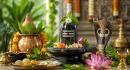
Nag Panchami 2026: Kaal Sarp Dosha Remedies, Puja Vidhi & Muhurat
Nag Panchami 2026 will be celebrated on Monday, August 17. In Hindu tradition, worshipping Nag Devta, or the serpent deity, holds special significance on this festival. Since snakes are closely associated with Lord Shiva, devotees also perform Shiva puja on Nag Panchami. According to astrological beliefs, Nag Panchami is also considered an important occasion for performing religious remedies associated with Rahu-Ketu-related doshas and Kaal Sarp Yoga. When all the planets in a birth chart are positioned on one side of the Rahu-Ketu axis, some schools of astrology describe the combination as Kaal Sarp Yoga or Kaal Sarp Dosha. However, astrologers have differing views about its effects. Therefore, it is not considered appropriate to attribute every problem in life solely to Kaal Sarp Yoga. Why Worship Nag Devta on Nag Panchami? According to Hindu religious beliefs, Nagraj Vasuki resides around Lord Shiva's neck. The month of Sawan is dedicated to Lord Shiva, and Nag Panchami is celebrated on the Panchami Tithi of the Shukla Paksha during this month. For this reason, worshipping Nag Devta and Lord Shiva is considered particularly significant on this day. According to astrological traditions, people whose birth chart contains Kaal Sarp Yoga or issues related to Rahu and Ketu may perform Shiva puja and worship Nag Devta on Nag Panchami. These practices are regarded as religious remedies for seeking relief from such doshas. What Remedies Can Be Performed for Kaal Sarp Dosha? On Nag Panchami, devotees should take a bath in the morning and perform Jalabhishek of Lord Shiva. Offer belpatra, dhatura and flowers to the Shivling. After this, devotees should worship an idol or picture of Nag Devta. Offer turmeric, flowers and kusha grass during the puja. Chanting mantras associated with Rahu and Ketu is also mentioned among astrological remedies. In some traditions, devotees worship a silver pair of serpent idols and offer a serpent idol at a Shiva temple. Nag Panchami Puja Muhurat The Panchami Tithi on August 17 will continue until around 5 pm. According to several Panchangs, the auspicious time for Nag Panchami puja is from 5:51 am to 8:29 am, providing a puja window of approximately 2 hours and 37 minutes. However, the exact puja muhurat and Rahu Kaal can vary slightly from one location to another depending on the local sunrise. Devotees are therefore advised to follow the Panchang applicable to their city. According to the Delhi Panchang, Rahu Kaal on August 17 will be from 7:29 am to 9:08 am. Things to Keep in Mind on Nag Panchami Devotees should avoid catching live snakes or offering milk to them as part of the worship. Instead, an idol or picture of Nag Devta should be worshipped. ALSO READ: Third Sawan Somwar 2026: Rare Combination of 9 Auspicious Yogas, Jalabhishek Muhurat Disclaimer: The content provided here is based on beliefs and information only. Always consult a concerned expert.

Third Sawan Somwar 2026: Rare Combination of 9 Auspicious Yogas, Jalabhishek Muhurat
August 17, 2026, marks the third Monday of Sawan, and this time the day is set to be especially significant from a religious and astrological perspective. Nine rare and auspicious combinations are said to be forming on the same day, making it highly favourable for worshipping Lord Shiva. According to religious beliefs, performing Jalabhishek of Lord Shiva with proper rituals on this auspicious day can help remove obstacles, ailments and doshas from life and fulfil devotees' wishes. 9 Auspicious Combinations Making the Day Special 1. Shubh Yoga: Shubh Yoga will remain in effect from the morning and is considered favourable for auspicious and beneficial activities. It will continue until 3:29 am on August 18. 2. Ravi Yoga: Influenced by the Sun, Ravi Yoga will prevail from 5:51 am to 8:04 am. Worship and religious activities performed during this period are traditionally believed to help ward off negative influences. 3. Nag Panchami: Since the day coincides with Monday and the Panchami tithi, devotees will have a special opportunity to worship both Lord Shiva and Nag Devta, the serpent deity associated with Shiva. 4. Singh Sankranti: The Sun will enter Leo at 8:03 am. Taking a holy bath and performing charitable acts during the auspicious period from 5:51 am to 8:04 am is traditionally considered highly meritorious. 5. Skanda Shashthi: The Shashthi tithi will begin at 5 pm, when devotees can worship Lord Kartikeya, the son of Lord Shiva, during the Pradosh period. Thus, devotees can seek the blessings of both father and son on the same day. 6. Trigrahi Yoga: The presence of the Sun, Mercury and Jupiter in Cancer until 8:03 am will create the influence of Trigrahi Yoga. 7. Budhaditya Yoga: The conjunction of the Sun and Mercury will create Budhaditya Yoga, which is considered auspicious in Vedic astrology. 8. Hansraj Yoga: Jupiter will be positioned in its exalted sign, Cancer, creating the highly auspicious Hansraj Yoga. 9. Malayalam New Year: The day also marks the beginning of the new Malayalam year, adding further religious and cultural significance to the occasion. ALSO READ: 7 Mistakes to avoid while reciting Shiv Chalisa for maximum benefits Best Muhurat for Jalabhishek (Delhi Time) Brahma Muhurat: 4:50 am to 5:35 am Abhijit Muhurat: 12:17 pm to 1:08 pm Shubh Muhurat: 9:08 am to 10:47 am Devotees can visit a temple and offer water to Lord Shiva during any of these auspicious periods, according to their convenience. On this special day, devotees can perform Jalabhishek with water, belpatra and akshat while praying to Lord Bholenath for happiness, prosperity and the fulfilment of their wishes. Disclaimer: The content provided here is based on beliefs and information only. Always consult a concerned expert.
Balance Energy And Mind By Understanding Rajasic Foods
Rajasic foods are foodstuffs that stimulate the body and mind, increasing activity, passion, ambition, and movement. The post Balance Energy And Mind By Understanding Rajasic Foods appeared first on Dharma .
Boost Mental Clarity By Understanding Tamasic Foods
Food in Ayurveda nourishes not only the body but also the mind. Tamasic foods are traditionally associated with the Tamas guna, which represents heaviness, lethargy, and dullness. The post Boost Mental Clarity By Understanding Tamasic Foods appeared first on Dharma .
Boost Energy And Mental Clarity With A Sattvic Food Lifestyle
Sattvic food is the foundation of an Ayurvedic lifestyle, valued for promoting physical health, mental peace, and spiritual well-being. The post Boost Energy And Mental Clarity With A Sattvic Food Lifestyle appeared first on Dharma .

Sawan Shivratri 2026 will be celebrated on Tuesday, August 11. Observed on the Chaturdashi Tithi of Krishna Paksha in the month of Sawan, the festival holds immense religious significance for devotees of Lord Shiva. Offering water to the Shivling and worshipping Mahadev during the Nishita Kaal is considered particularly auspicious. On Sawan Shivratri, Kanwariyas traditionally offer the sacred water they have carried during the Kanwar Yatra to Lord Shiva. This ritual also marks the culmination of the Kanwar Yatra. However, this year, the presence of Bhadra Kaal has left many devotees wondering whether they can perform Jalabhishek during this period. Here is everything you need to know about Bhadra Kaal, Kanwar Jal Abhishek and Shiva Puja Muhurat on Sawan Shivratri 2026. Bhadra Kaal on Sawan Shivratri 2026 This year, Bhadra will prevail on Earth on Sawan Shivratri this year. It will begin at 5:58 am on August 11 and end at 3:22 pm. According to Hindu religious beliefs, when Bhadra resides on Earth, auspicious activities are generally avoided during this period. However, devotees can perform Shiva Puja and offer water to the Shivling after taking the appropriate auspicious Muhurat into consideration. Therefore, devotees do not necessarily need to postpone Jalabhishek for the entire day because of Bhadra Kaal. They can choose an auspicious time outside the Bhadra period. Sawan Shivratri 2026 Shiva Worship Nishit Kaal According to the Panchang, the Chaturdashi Tithi will begin at 4:54 am on August 11 and continue until 1:52 am on August 12. The Nishita Kaal, which is considered especially significant for Shiva worship, will be observed from 12:05 am to 12:48 am during the intervening night of August 11 and 12. Devotees can perform special Shiva Puja during this period and offer prayers to Lord Shiva. When to Offer Kanwar Jal on Sawan Shivratri? For devotees looking for an auspicious time to perform Kanwar Jal Abhishek, several Muhurats are available on Sawan Shivratri. The Brahma Muhurat will be from 5:23 am to 6:00 am on August 11. The Abhijit Muhurat will occur from 12:06 pm to 12:58 pm, while the Godhuli Muhurat will be from 9:13 pm to 9:32 pm. According to religious beliefs, performing Jalabhishek and Shiva Puja during an auspicious Muhurat is considered beneficial and is believed to bring peace, prosperity and positive energy. ALSO READ: Second Sawan Somwar 2026: Date, Puja Muhurat, Vrat Vidhi and Shiva Worship Rules Sawan Shivratri 2026: Four Prahar Puja Timings Performing Shiva Puja during the four Prahars of Sawan Shivratri is considered particularly significant. Devotees worship Lord Shiva throughout the night and seek his blessings for happiness, prosperity and peace. The four Prahar timings are: First Prahar: 7:04 pm to 9:45 pm Second Prahar: 9:45 pm to 12:26 am Third Prahar: 12:26 am to 3:07 am Fourth Prahar: 3:07 am to 5:48 am Disclaimer: The content provided here is based on beliefs and information only. Always consult a concerned expert.
Celebrate Hera Panchami For Marital Harmony, Devotion, And Divine Reunion
Hera Panchami is a deeply symbolic and emotionally rich festival in the Jagannath tradition of Puri, observed on the fifth day of the Rath Yatra. The post Celebrate Hera Panchami For Marital Harmony, Devotion, And Divine Reunion appeared first on Dharma .
Jalauka vs Siravedha: Which Therapy Supports Safer Ayurvedic Healing
Jalauka (leech therapy) and Siravedha (Siravyadha) are two classical Raktamokshana (bloodletting) therapies in Ayurveda that help eliminate vitiated blood (Dushta Rakta). The post Jalauka vs Siravedha: Which Therapy Supports Safer Ayurvedic Healing appeared first on Dharma .
Clear Sinuses And Boost Brain Health With Ayurvedic Nasya Therapy
Nasya, also known as Nasya Karma, Shirovirechana, or Murdhavirechana, is one of the five principal Panchakarma therapies in Ayurveda. The post Clear Sinuses And Boost Brain Health With Ayurvedic Nasya Therapy appeared first on Dharma .
Unlock Courage, Protection And Peace with Hanuman Chalisa Chant
Hanuman Chalisa is one of the most revered Hindu prayers dedicated to Lord Hanuman, the embodiment of strength, courage, wisdom, and unwavering devotion to Lord Ram. The post Unlock Courage, Protection And Peace with Hanuman Chalisa Chant appeared first on Dharma .
Purify Blood Naturally With Siravyadha Ayurvedic Therapy
Siravyadha (also called Siravedhana) is a classical Ayurvedic para-surgical therapy that involves carefully puncturing a vein to remove vitiated or impure blood. The post Purify Blood Naturally With Siravyadha Ayurvedic Therapy appeared first on Dharma .
Rudram Chamakam For Protection, Prosperity, And Spiritual Growth
Rudram Chamakam, also known as Shri Rudram or Rudra Prashna, is one of the most revered Vedic hymns dedicated to Lord Shiva in His Rudra form. The post Rudram Chamakam For Protection, Prosperity, And Spiritual Growth appeared first on Dharma .
Boost Digestion, Immunity, And Vitality With Ayurvedic Honey
Honey, known as Madhu in Ayurveda, is far more than a natural sweetener. Revered as a healing elixir and ectar of the gods, it has been used for centuries to support digestion, immunity, respiratory health, and overall wellness. The post Boost Digestion, Immunity, And Vitality With Ayurvedic Honey appeared first on Dharma .
Gundicha Marjana: The Rituals Of Purifying The Heart To Welcome Divine Grace
Gundicha Marjana is the sacred temple-cleaning ritual performed one day before the Rath Yatra at the Jagannath Temple in Puri. The post Gundicha Marjana: The Rituals Of Purifying The Heart To Welcome Divine Grace appeared first on Dharma .
Eat Ayurveda-Recommended Khichdi And Improve Digestion, Detox, And Daily Wellness
Khichdi, also known as Khichri, Kitchari, or Khechri, is a traditional Indian one-pot meal made with rice, moong dal, ghee, and digestive spices. The post Eat Ayurveda-Recommended Khichdi And Improve Digestion, Detox, And Daily Wellness appeared first on Dharma .
Boost Digestion And Energy Naturally With Ayurvedic Pachan Principles
Pachan in Ayurveda refers to the complete digestive process that breaks down food, removes toxins (Ama), and absorbs nutrients efficiently. The post Boost Digestion And Energy Naturally With Ayurvedic Pachan Principles appeared first on Dharma .