


Pointing out that the Palace Board and the palace, barring the portion allotted to the erstwhile royal family for its residence, belong to the government of Karnataka, he said the government had the authority to decide how Dasara should be conducted

Lessons for Sandalwood from the success of Premada Oorali
The sensational run of Premada Oorali, directed by Manoj Kumar and starring Shree Raam, Thapaswini Poonacha and Ramika Shivu, has thrilled Kannada cinema fans.
All stakeholders need to find solutions to issues of sugarcane growers, says Karnataka CM
Meets factory owners and legislators in Belagavi

WE, THE PEOPLE OF INDIA , through the Preamble of the Constitution, apart from solemnly resolving to constitute India into a SOVEREIGN SOCIALIST SECULAR DEMOCRATIC REPUBLIC vowed to secure to all its citizens, among others, liberty of thought, expression The sanctity of liberty of thought and expression is inviolable regardless of any development including unprecedented technological innovations taking place during the last two decades. Therefore, privacy, integrally associated with liberty of thought, has now been reckoned with as key aspects of right to life, dignity and freedom. It is well documented that privacy has always changed with technology. As new tools make it easier to observe, record and analyse and surveil people, the law must reconsider the limits of that access. The internet changed privacy from a concern about physical space to a concern about personal information. Smartphones, biometric systems, facial recognition and artificial intelligence have expanded that concern even further. Neurotechnology takes the issue to a deeper level. Traditional surveillance usually observes what a person does or says. Neurotechnology may go further by recording or analysing neural activity and drawing conclusions about attention, memory, emotions, cognitive abilities and, perhaps one day, intentions. This raises a difficult question: If privacy protects a persons private life, should it also protect the mind from unauthorised technological access and influence? This question is particularly important in India. In Justice K.S. Puttaswamy (Retd.) v. Union of India , the Supreme Court recognised privacy as a fundamental right connected with dignity, liberty and personal autonomy. Privacy is not limited to secrecy or physical seclusion. It includes bodily privacy, decisional freedom and control over personal information. The decision in Selvi v. State of Karnataka is also significant. While considering involuntary narco-analysis, polygraph tests and Brain Electrical Activation Profile tests, the Supreme Court recognised that privacy includes the realm of mental processes. The fact that a technology exists does not mean that the State may automatically use it. Its use must respect autonomy, dignity and the protection against compelled disclosure of personal knowledge. These decisions provide a constitutional foundation for neuro-privacy. Even though the Constitution does not expressly use that term, Articles 14, 19, 20(3) and 21 contain principles that can protect people from unjustified interference with their neural information and mental processes. What Neuro-Privacy Means Brain data or neural data can include raw information recorded directly from neural activity, such as electrical signals collected through an electroencephalogram or an implanted device. It can also include conclusions produced when artificial intelligence analyses those signals. The concern is therefore not limited to what a device directly records. A system may try to infer whether a person is tired, distracted, anxious, emotionally distressed or likely to behave in a particular way. The person may never have consciously revealed this information. An algorithm may nevertheless attempt to construct a profile from neural or related physiological signals. This makes inference as important as collection. A persons neural signals can become the starting point for creating new information about their mental and emotional life. A legal framework that protects only information deliberately disclosed by an individual would not be sufficient. Neuro-privacy can therefore be understood as the right to control access to, collection, analysis, inference, sharing and use of information connected with neural activity and mental processes. It need not initially be recognised as a completely separate constitutional right. It can develop as a specific application of existing protections relating to privacy, dignity, bodily integrity, personal liberty, decisional autonomy and freedom of thought. Why Brain Data Is Different Brain data deserves special care not simply because it is sensitive, but because of what it may reveal. An address can show where someone lives. A purchase history can suggest economic preferences. A medical record can reveal a physical condition. Neural information may reveal how a person thinks, remembers, feels, reacts and makes decisions. The brain is not merely another source of biometric information. A fingerprint mainly identifies a person, and a photograph records their appearance. Neural data may expose or generate conclusions about a persons inner life. That creates a direct connection between data processing and mental autonomy. Artificial intelligence makes this risk greater. A neural signal that seems meaningless on its own may become significant when processed by a sophisticated model. Such conclusions could affect employment, education, healthcare, insurance, criminal investigation, political communication and consumer decisions. The issue is not only brain reading. It is also brain inference: the creation of a probable picture of a persons mental state without a conscious statement from that person. The law must address both. Article 21 and Mental Autonomy Article 21 offers the strongest constitutional basis for protecting neuro-privacy. The Supreme Court has understood Article 21 as protecting dignity, liberty and the freedom to develop ones personality. Privacy makes meaningful choices possible. If the Constitution protects the body and intimate personal decisions from unjustified interference, it should also protect the mental sphere. A person should not be treated merely as an object to be watched, predicted, classified or influenced. Unauthorised access to neural information may affect how people form beliefs, make decisions and exercise their freedom. Mental privacy should therefore include the right to decide whether, when and why another person or institution may access and interpret information about ones mental processes. This may be described as mental or cognitive autonomy. It means having control over ones thoughts, mental experiences, cognitive responses and psychological information. It also includes protection against systems designed to predict or influence mental states without genuine authorisation. The related idea of mental integrity is equally important. Physical integrity protects the body. Informational integrity protects personal information. Mental integrity protects the cognitive and psychological sphere. A device that enters the body, records neural activity and influences brain function may threaten all three forms of integrity at once. Article 19 and Freedom of Thought Freedom of speech and expression depends on the freedom to form, change and communicate beliefs. People need an internal space where they can think without feeling that every reaction is being measured. The danger is greater when governments, political parties or companies use neural and behavioural data to identify mental vulnerabilities and target people through them. Persuasion can become manipulation when it relies on hidden information about a persons emotional or cognitive susceptibility. Democracy requires citizens to form political opinions independently. Protecting an unmonitored mental sphere supports dissent, independent judgment and the freedom to develop unpopular or unconventional ideas. Why Consent Is Not Enough Consent is important, but it cannot be the only protection. Consent may not be meaningful when there is a strong imbalance of power. For example, an employer may ask workers to wear a device that measures attention, fatigue or emotional engagement. An employee may technically agree, but economic dependence may make refusal unrealistic. A school may similarly require children to use attention-monitoring technology, leaving families with little genuine choice. Consumers face another problem. They may accept long privacy policies without understanding how neural information could later be used for artificial-intelligence training, health predictions, behavioural profiling or targeted advertising. People also cannot reliably predict what future technologies may infer from information collected today. Consent should therefore be supported by clear limits on purpose, necessity, proportionality, data collection, retention and harmful inference. It should be specific, informed, voluntary and revocable. It must not become a legal fiction through which people permanently surrender control over information about their minds. Artificial Intelligence and Inference Artificial intelligence can identify patterns in large amounts of data and produce predictions that human observers may not be able to make. As these systems improve, the value of neural data may increase. More data may lead to better models, better models may produce more detailed inferences, and those inferences may create pressure to collect even more data. The law should not assume that information may be collected simply because it could be useful in the future. Technological possibility is not the same as legal necessity. Purpose limitation and data minimisation should apply to the original collection as well as to later model development, profiling and inference. Should Brain Data Receive Enhanced Protection? Brain data should receive enhanced protection under Indian law. However, merely adding it to a list of sensitive personal information would not solve the entire problem. The Digital Personal Data Protection Act, 2023 uses a broad framework for personal data and does not follow the earlier model of separately classifying sensitive personal data. Neural information may therefore fall within personal data generally, but information capable of revealing or predicting mental processes deserves more focused safeguards. Protection should cover at least: Raw neural signals and recordings; Information about neurological or cognitive conditions; Data concerning emotional and mental states; Neural biometric information; AI-generated conclusions about cognition, emotion, memory or intention; Behavioural or multimodal data capable of producing similar mental-state inferences. The law should be technologically neutral. If protection applies only to information collected through a brain sensor, organisations may use other forms of data to reach similar conclusions. The sensitivity of the inference and the consequences of its use should matter as much as the source of the data. The Right Not to Know and Mental Silence Neurotechnology may create a new form of autonomy: the right not to know. Suppose a system predicts that a person may develop a neurological condition in the future. Should that prediction automatically be disclosed ? The answer is difficult, especially when the prediction is uncertain. Such information may affect employment, insurance, family relationships and mental well-being. It may create fear or stigma even if it later proves wrong. People should therefore have a say in whether they receive certain predictions about their own neurological or mental condition. Neuro-privacy is not only about keeping information secret. It is also about controlling ones relationship with information about oneself. The right to mental silence is similarly important. If people know that their attention, emotions or cognitive responses are constantly monitored, they may change their behaviour and even their thoughts because they expect to be observed. This could create a new chilling effect. Freedom of thought requires an inner space where people can explore ideas, question beliefs and experience emotions without fearing that every response will become data. Mental privacy is therefore necessary not only for individual dignity but also for intellectual freedom and democracy. From Neuro-Reading to Neuro-Manipulation The debate should not stop at reading or inferring information from the brain. The more serious future concern may be the ability to influence neural activity. Neuro-reading involves extracting or interpreting information from neural signals. Neuro-writing involves influencing, modifying or stimulating neural processes. Neuro-writing raises difficult questions about identity, responsibility, consent and autonomy that ordinary data-protection law cannot fully answer. If technology moves from observing the mind to changing it, the law will need to protect both informational access to the mind and freedom from unwanted technological influence. Developing an Indian Framework India should develop a comprehensive neuro-privacy framework within constitutional law and data-protection law. It should treat neural information as high-risk personal information and cover both directly measured signals and AI-generated mental-state inferences. The framework should provide for: Specific, informed and revocable consent; Strict limits on secondary use and repurposing; Data minimisation and short retention periods; Impact assessments for high-risk processing; Tight limits on workplace monitoring, except in narrowly defined safety-critical settings; Prohibition or strict control of routine neural monitoring in schools; Protection against discrimination by employers, insurers, schools and political organisations; Judicial or independent authorisation for highly intrusive State uses; Rights to access, correct and delete information; Clear explanations of automated conclusions about mental or cognitive characteristics; Effective remedies, compensation and institutional accountability. The law should also consider the consequences of processing. Recording neural activity may create one level of risk. Using an inferred emotional or cognitive profile to deny employment, change insurance terms or influence political behaviour creates a much greater risk. Protection should reflect both the sensitivity of the information and the importance of the decision affected by it. Cognitive Liberty Cognitive liberty means the freedom to govern ones own mental processes and remain free from unjustified interference with thought and cognition. Indian courts need not immediately declare it to be a completely separate fundamental right. A cautious approach would develop it from the combined values of Articles 14, 19, 20(3) and 21, including privacy, bodily integrity, freedom of thought, freedom of conscience, decisional autonomy and personal liberty. This approach would allow constitutional law to respond to new technology without creating unnecessary categories of rights. If future developments make existing protections inadequate, Parliament and the courts may later consider more explicit recognition. From Data Protection to Human Protection Neuro-privacy should not be treated as merely another part of data protection. Data protection asks how information should be collected, processed, stored and shared. Neuro-privacy raises an earlier question: should certain forms of access to the human mind be allowed at all, even when a person has formally consented? Ordinary compliance procedures and financial penalties may not always be enough. A violation of mental privacy can be irreversible. Once information about a persons mental processes has been extracted, analysed or shared, deleting the original file may not restore the persons previous privacy. The individual is not merely a data subject. The individual is a constitutional person whose dignity and autonomy place limits on what technology may extract from the body and mind. Conclusion One of the most important privacy questions of this century may be who can access the human mind. Neurotechnology challenges the old boundary between what people voluntarily communicate and what technology can infer without any word uttered by them. Indias Constitution has strong principles for responding to this challenge. Puttaswamy supports privacy, dignity, autonomy and control over personal information. Selvi is especially relevant because it recognises the constitutional importance of mental processes and limits compelled access to them. Together, Articles 14, 19, 20(3) and 21 support protection against arbitrary classification, covert manipulation, compelled neural evidence and unjustified interference with mental autonomy. Brain data should therefore receive heightened legal protection in India. But the goal should be greater than simply adding brain data to a statutory list. The deeper goal is to protect mental privacy, cognitive liberty and mental integrity. Neurotechnology can serve valuable purposes, including restoring communication, treating disease and assisting persons with disabilities. It can also enable surveillance, discrimination, coercion and manipulation. The right response is neither to ban innovation nor to leave it unregulated. It is to build a rights-based framework that permits responsible uses while protecting human freedom. The real question is not whether technology should help us understand the brain. It is whether the power to understand the brain will become the power to control the person. Technological ability does not create a legal right to enter someones mind. protecting the individuals ability to remain an autonomous human being. The Constitution protects more than what people own, say or do. It also protects the conditions that allow people to think, choose, believe, dissent, imagine and become who they are. As technology approaches the mind, protecting that inner freedom may become one of the most important constitutional tasks of our time. Privacy should not end where the skull begins!
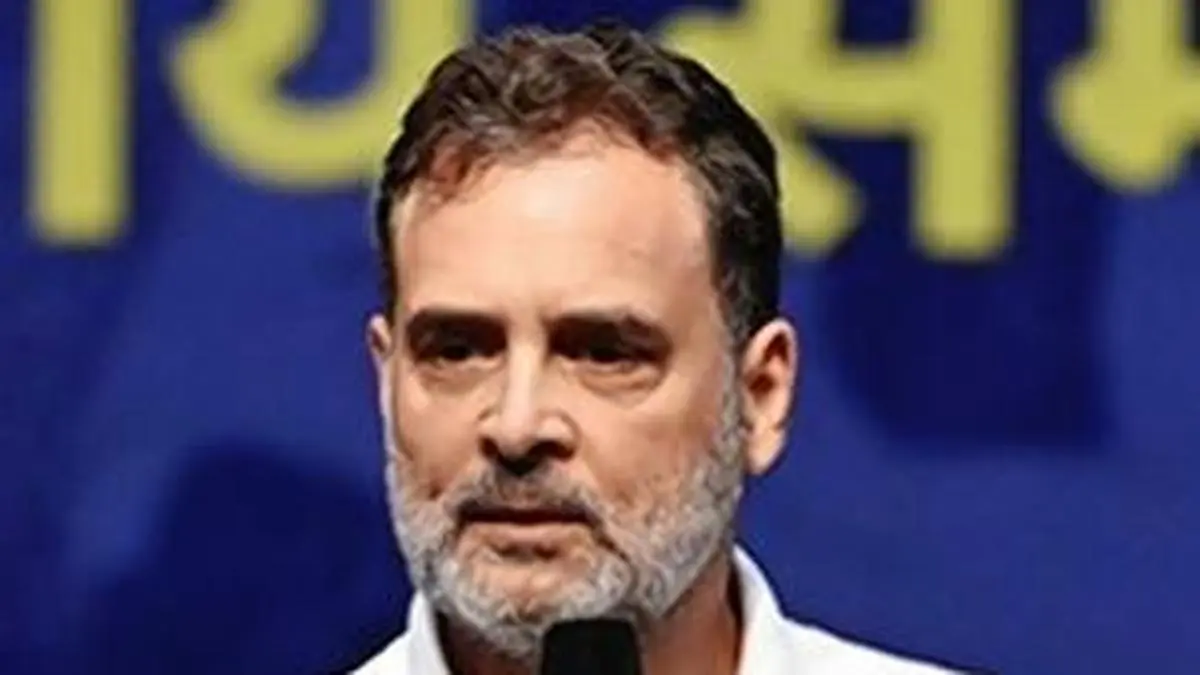
Rahul Gandhi acquitted in 2018 defamation case over remarks against Amit Shah
The case relates to the remarks made by Gandhi against Shah at a rally in Bengaluru ahead of the 2018 Karnataka Assembly elections

Advocate Kashi Prasad Shukla welcomes court decision acquitting Rahul Gandhi in 2018 defamation case
Advocate Kashi Prasad Shukla, representing Rahul Gandhi, welcomed the court's decision to dismiss a 2018 criminal defamation lawsuit against him on Monday, highlighting the court's finding that the complainant lacked legal standing. Reacting to the verdict, which ruled that remarks made during the 2018 Karnataka Assembly campaign were not defamatory, advocate Kashi Prasad Shukla expressed satisfaction while noting that the legal team awaits the complete judicial text. Rahul Gandhi has been acquitted in this case. The court determined that the complainant, Vijay Mishra, did not qualify as an aggrieved person,
Rahul Gandhi acquitted in 2018 defamation case by Sultanpur MP-MLA court
Congress leader and Leader of the Opposition Rahul Gandhi has been acquitted by an MP-MLA court in Sultanpur, Uttar Pradesh, in a defamation case linked to remarks made during the 2018 Karnataka Assembly election campaign. The case, filed by a BJP leader in 2018 over comments allegedly referring to Amit Shah as a murder accused, was dismissed by the court after nearly eight years of legal proceedings.

RBI report: Satellite data, Google Trends improve state growth estimates
A report in the Reserve Bank of India's (RBI's) monthly bulletin suggests that satellite-based night-time lights data and Google search trends can significantly improve quarterly economic growth estimates for Gujarat, Maharashtra, and Karnataka, reducing errors by up to 62 per cent.

Ranji Trophy: Karnataka look to turn the corner - Yahoo Sports
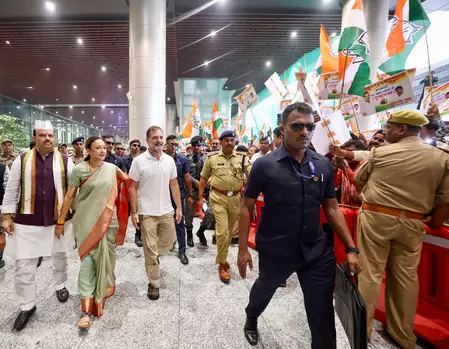
HM Amit Shah defamation case: Complainant to challenge Rahul Gandhi's acquittal
Digital Desk | Sultanpur, Oct 26 (IANS) The complainant in the defamation case related to Union Home Minister Amit Shah said he would challenge the Monday verdict of a special MP-MLA court in UP's Sultanpur acquitting Leader of the Opposition in the Lok Sabha, Rahul Gandhi. After the court acquitted Gandhi in the case registered under Section 500 of the Indian Penal Code (IPC), complainant Vijay Mishra said he would challenge the decision before an appellate court after obtaining a certified copy of the order and seeking legal advice. Santosh Pandey, counsel for the complainant, said the court did not consider Mishra an aggrieved person in the case and also did not find Gandhi's remark to be defamatory. Gandhi reached the special MP-MLA court in Sultanpur at around 11.10 a.m. on Monday. Security arrangements were tightened on the court premises ahead of the verdict, and the courtroom door was closed after Gandhi entered. Earlier, Congress workers had gathered near Kurebhar on the Purvanchal Expressway to welcome him. According to Pandey, the court considered three key aspects while delivering its verdict. He said the court accepted the CD submitted by the complainant as proven evidence but did not recognise Mishra as an aggrieved person in the matter. It also did not find Gandhi's statement to be defamatory and acquitted him of the charges. Pandey said the complainant's side had not yet received a certified copy of the judgment. Once the order becomes available, it will be examined legally before a decision is taken on the next course of action. Mishra also said he would study the judgment through his lawyer after obtaining a certified copy and subsequently approach an appellate court after consulting legal experts. He added that he had been pursuing the case continuously since filing it in 2018. The case relates to an alleged remark made by Gandhi during a press conference in Bengaluru in May 2018, during campaigning for the Karnataka Assembly elections. At the time, HM Shah was the Bharatiya Janata Party (BJP) President. Mishra alleged that Gandhi had used the word murderer while referring to Shah during the press conference, thereby damaging the reputation of the BJP and its workers. At the time, Mishra was a BJP district Vice-President and Chairman of the Sultanpur District Cooperative Bank. He filed a defamation complaint against Gandhi on August 4, 2018, citing a CD of the alleged statement as evidence. The proceedings initially began before a civil court before the case was transferred to the special MP-MLA court, which deals with cases involving Members of Parliament and Members of Legislative Assemblies. The court issued a summons to Gandhi on November 27, 2023. He appeared before it on February 20, 2024, and was granted bail against two personal bonds of Rs 25,000 each. Gandhi had denied the allegations at the time. During the trial, the complainant's side recorded the statements of Mishra, Anil Mishra, and Ramchand Dubey. Mishra also sought permission to obtain Gandhi's voice sample and compare it with the recording on the CD. However, the trial court rejected the request.
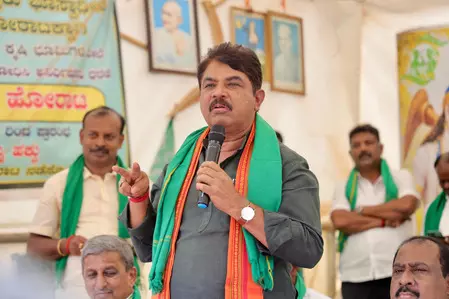
Digital Desk | Bengaluru, Oct 26 (IANS) Karnataka BJP leader and Leader of the Opposition R. Ashoka on Monday criticised AICC President Mallikarjun Kharge for his remarks against Prime Minister Narendra Modi, alleging that the comments reflected a decline in the Congress party's political culture and showed its frustration. Ashoka said in Bengaluru, making derogatory remarks about the family of a person holding the country's highest constitutional office was inappropriate and alleged that the Congress, having lost the ability to challenge its opponents through political arguments, had resorted to personal attacks. He said people would not accept what he termed uncivilised politics. Turning to the ongoing agitation by sugarcane farmers in Karnataka, Ashoka accused Chief Minister D.K. Shivakumar of misleading growers and described the proposed meetings with farmers in Belagavi as an eyewash. He demanded that the state government fix the sugarcane price at Rs 5,500 per tonne and take measures to prevent alleged irregularities in weighing and recovery calculations at sugar factories. Ashoka alleged that the Congress government had earlier misled drought-hit farmers by announcing Rs 2,500 in relief during a special session but had failed to release the promised amount. He accused the government of now attempting to pacify sugarcane growers through meetings without addressing their demands. Farmers are protesting for a remunerative price for sugarcane and measures to prevent alleged discrepancies in recovery calculations. Ashoka said the growers would not be misled by what he described as token discussions. Defending the Centre's role, Ashoka said the NDA government had constituted a joint committee headed by former NITI Aayog member Ramesh Chand to find a lasting solution to the problems faced by sugarcane farmers. He also cited the Centre's decision to fix the Fair and Remunerative Price (FRP) for sugarcane at Rs 365 per quintal for the 2026-27 season. He said the Centre had introduced a minimum support price (MSP) for sugar in 2018. Ashoka accused the state government of shifting responsibility to the Centre instead of fulfilling its own obligations. Recalling an announcement made on November 7 last year, he said former Chief Minister Siddaramaiah had declared a price of Rs 3,300 per tonne, including a Rs 50 subsidy to be contributed by sugar factories. However, Ashoka alleged that the state government had failed to ensure that farmers received the Rs 50 contribution, even after sugar factories approached the court. He further alleged that the government had failed to prevent discrepancies in weighing and recovery calculations at sugar factories. According to him, different factories were reporting varying recovery rates for the same sugarcane, while inflated waste calculations were causing losses to farmers. Ashoka also criticised the government for failing to introduce a State Advised Price (SAP) for sugarcane, similar to the system followed in other states. Questioning the government's policies affecting sugar factories, he alleged that private companies were being paid Rs 22 per unit for electricity purchases, while the rate for electricity supplied by sugar factories was fixed at Rs 2.80 per unit. He also claimed that water charges had been increased from Rs 5 lakh to Rs 1 crore, adding to the burden on sugar factories. Ashoka said farmers had warned of a statewide bandh on Tuesday if their demands were not met. He urged Shivakumar to immediately address the demands of sugarcane growers and warned that continued delays could intensify the agitation.

Man kidnapped over unpaid interest of loan, tortured for four days in Karnataka
Man kidnapped over unpaid interest of loan, tortured for four days in Karnataka Haveri (Karnataka): In a shocking incident, a man was allegedly kidnapped, brutally assaulted, and tortured for four days over unpaid interest on a Rs 70,000 loan, with the accused pouring urine into his mouth in Bankapura town of Shiggaon taluk in Haveri [] The post Man kidnapped over unpaid interest of loan, tortured for four days in Karnataka appeared first on Mangalorean.com .

Paradeep Parivahan Limited Secures Landmark 10-Year Contract with JSW Group for 100 Electric Trucks
Bhubaneswar (Odisha) [India], October 26: Paradeep Parivahan Limited (PPL), a BSE SME-listed integrated logistics and port services company (BSE: 544383; Symbol: PPARIVAH), has secured a landmark 10-year contract with the JSW Group to deploy and operate 100 electric trucks for bulk transportation between Nandyal, Andhra Pradesh, and Vijayanagar, Karnataka.
Karnataka: Priyank Kharge defends father
Karnataka: Priyank Kharge defends fathers remarks against PM Modi; reminds BJP of its past remarks Bengaluru: Karnataka Home, IT and BT Minister Priyank Kharge on Monday defended his father and AICC President Mallikarjun Kharge over his controversial remarks against Prime Minister Narendra Modi, accusing the BJP of creating an issue out of a non-issue and [] The post Karnataka: Priyank Kharge defends fathers remarks against PM Modi; reminds BJP of its past remarks appeared first on Mangalorean.com .
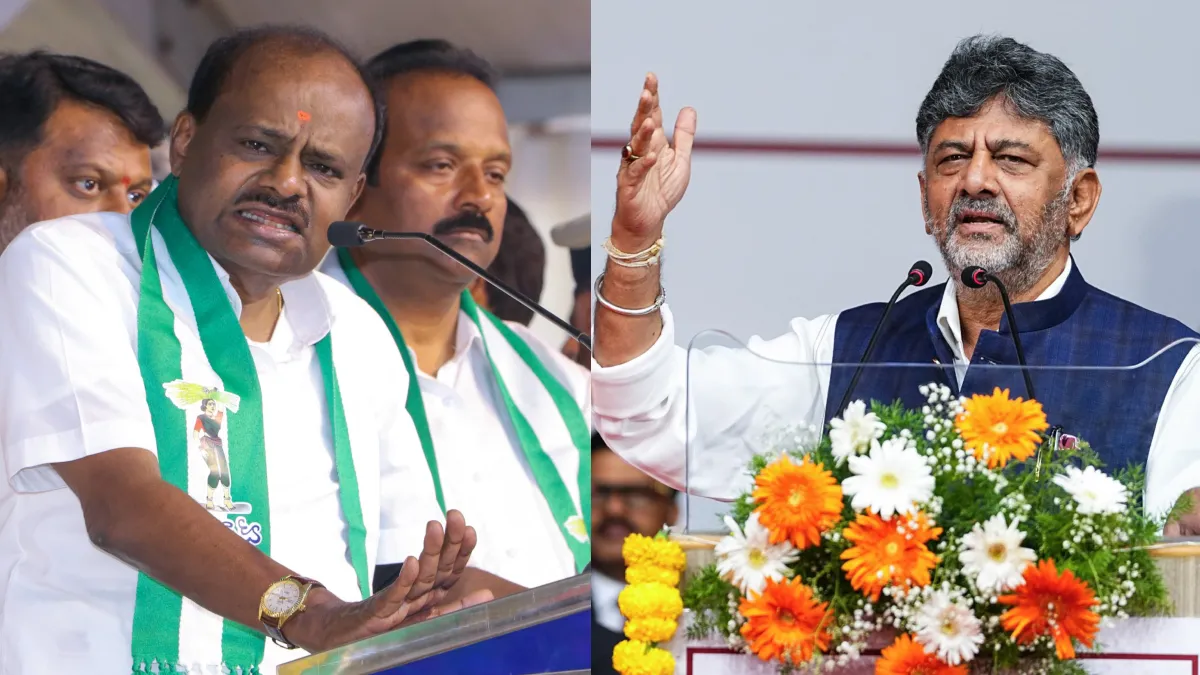
Karnataka's political battleground has heated up after Union Minister and Janata Dal (Secular) leader HD Kumaraswamy accused Chief Minister DK Shivakumar of orchestrating an alleged Rs 600-crore supari (contract killing)deal to politically eliminate the family of former Prime Minister HD Deve Gowda. The allegations have added a fresh flashpoint to the ongoing controversy over an alleged sting operation involving former chief ministerSiddaramaiah.
KSNUAHS to hold Krishi-Thotagarike Mela in Shivamogga from October 30
Vice-Chancellor M.V. Dhananjaya said this years edition will focus on drought management, given the severe drought that has hit farmers in the six districts under the universitys jurisdiction
NSUI : .. NSUI . NSUI [] The post NSUI appeared first on Mangalorean.com .
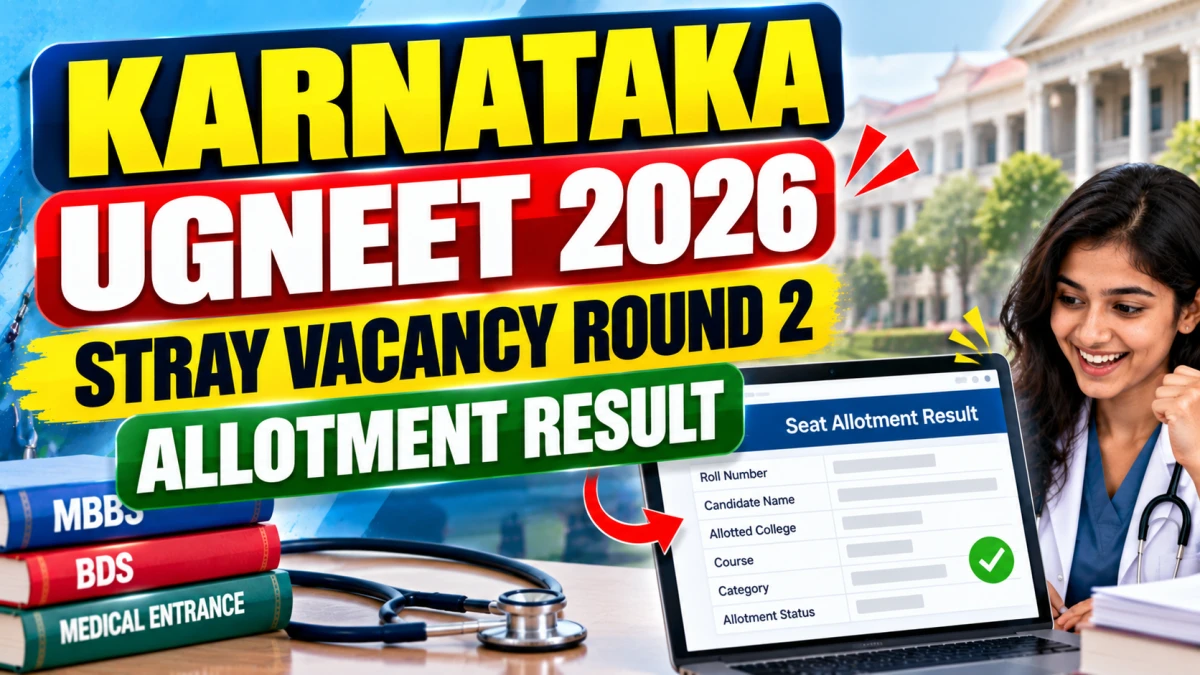
Karnataka UGNEET 2026 Stray Vacancy Round 2 Allotment Result Out - MBBS, BDS PDF and Reporting Date
Karnataka Examinations Authority (KEA) released the Karnataka UGNEET 2026 Stray Vacancy Round 2 final seat allotment result on 25 October 2026. The official two-page PDF contains 25 allotments, including 13 MBBS and 12 BDS seats. Candidates can check their All India Rank, allotted college, course, category and fee. KEA has also announced an extended allotment process for 273 remaining medical seats and two dental seats, with option entry closing at 10:30 AM on 26 October 2026. Candidates allotted seats in the extended process must report by 6 PM on the same day.
Mysuru (Karnataka) [India], October 26: Bisleri International, India's leading packaged drinking water company, has signed a Letter of Association (LOA) with Maharaja's College and Yuvaraja College, two of the constituent colleges of the University of Mysore, under its flagship sustainability initiative, Bottles for Change. The partnership aims to promote responsible plastic waste management, source segregation, and recycling practices across both campuses by engaging students through various activities.
Karnataka Chief Minister DK Shivakumar on Monday held high-level meetings in Belagavi to address a brewing agrarian crisis, engaging separately with sugar factory owners, local MLAs, and farmer representatives to break an ongoing deadlock over minimum support prices (MSP) and pending industrial dues. The high-stakes deliberations follow mounting pressure from agricultural unions and come in the wake of widespread concerns raised by farmers during the Chief Minister's recent visit to Kittur. Addressing the media on the objective of the meetings, CM Shivakumar emphasised that safeguarding the welfare of cultivators remains the administration's primary obligation, while acknowledging that the grievances of sugar mill owners must also be heard. Two important meetings are on the issue. I have asked the opinions of officers and MLAs, the MLAs and farmer representatives, Shivakumar said. They have told me what pressure is on them. I will hold a meeting with the factory owners. It is our du...
Karnataka CM DK Shivakumar holds talks with sugar factory owners and farmers in Belagavi
The News Mill
Yashs banner to distribute Ranbir Kapoor-starrer Ramayana in Karnataka
Rahul Gandhi acquitted in defamation case over remarks against HM Amit Shah
Rahul Gandhi acquitted in defamation case over remarks against HM Amit Shah Sultanpur: A special MP-MLA court in Sultanpur, Uttar Pradesh, on Monday acquitted Congress leader Rahul Gandhi in a defamation case over alleged objectionable remarks against Union Home Minister Amit Shah, who was the BJP president at the time. Rahul Gandhi was present before [] The post Rahul Gandhi acquitted in defamation case over remarks against HM Amit Shah appeared first on Mangalorean.com .
Sugar factories too have grievances, says Karnataka PWD Minister Satish Jarkiholi
MSP needs to be revised and power bills pending, among other things, he says

Rahul Gandhi 'Not Guilty' In Defamation Case Over 2018 Amit Shah Remarks
Congress MP Rahul Gandhi, has been acquitted in a defamation case over his remarks against then-BJP president and currrent Union Home Minister Amit Shah at a rally in 2018. A court in Uttar Pradesh's Sultanpur pronounced Gandhi 'not guilty' stating that his remarks were not defamatory. The Leader of Opposition in the Lok Sabha, Gandhi, appeared in person before the Special MP-MLA Court in Sultanpur for the pronouncement of the judgment. In 2018, the then BJP District Vice President, Vijay Mishra, had filed a criminal defamation case under Sections 499 and 500 of the Indian Penal Code (IPC) against Gandhi over his remarks at a rally in Bengaluru ahead of the 2018 Karnataka Assembly elections.
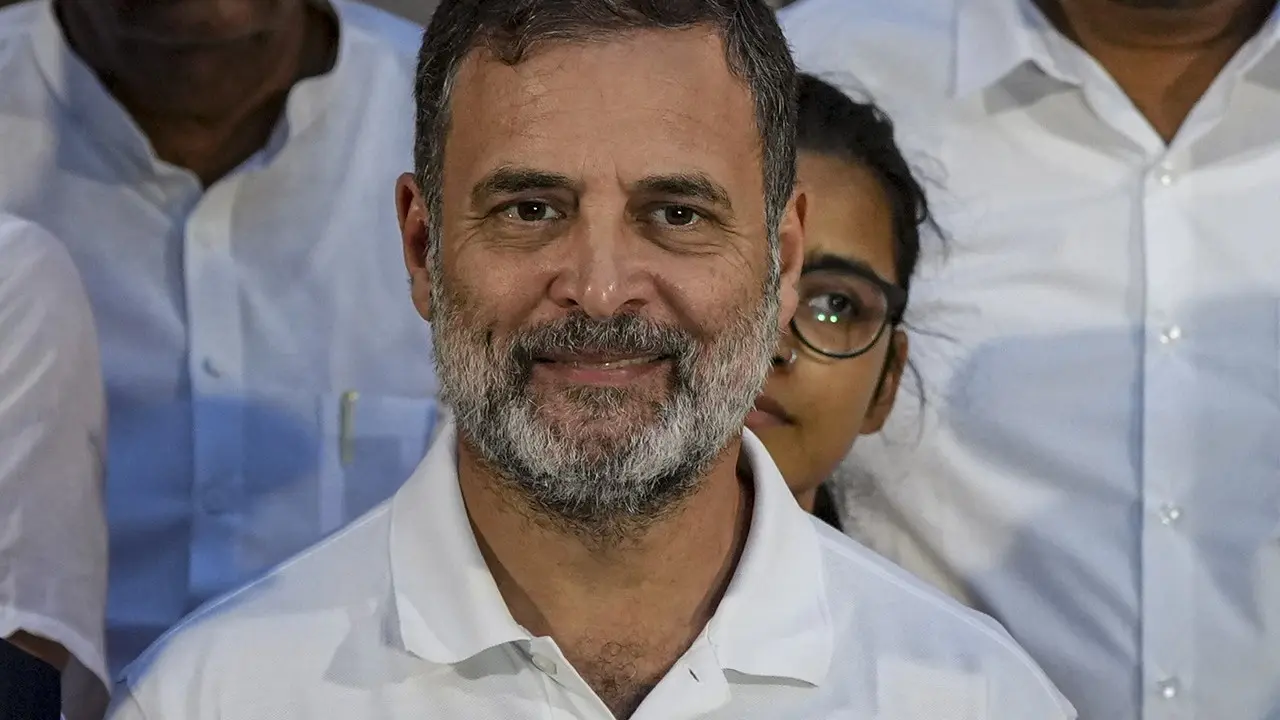
UP court acquits Rahul Gandhi in defamation case over remarks against Amit Shah
The case stemmed from comments Gandhi allegedly made during the 2018 Karnataka Assembly election campaign in Bengaluru. He had criticised the BJP's claims of promoting clean politics while referring to Shah as a person accused in a murder case
Bengaluru (Karnataka) [India], October 26: India's corporate social responsibility (CSR) spending reached Rs 40,794 crore in FY 2024-25, growing at a compound annual growth rate (CAGR) of 15% over the past decade. However, a new analysis by Sattva Consulting and India Data Insights finds that CSR funding remains concentrated in established sectors and better-funded geographies, even as several development indicators show limited progress or deteriorating outcomes.
Kerala judge booked in fatal crash, police to seek teen
Kerala judge booked in fatal crash, police to seek teens bail cancellation Kochi: The police on Monday registered a case against an Additional District Judge, whose 17-year-old son drove a Mercedes-Benz that killed a scooter rider in Cheranelloor, after obtaining permission from the Kerala High Court. The police will also shortly move the Ernakulam District [] The post Kerala judge booked in fatal crash, police to seek teens bail cancellation appeared first on Mangalorean.com .
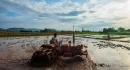
Discipline in water use key to resolving inter-State disputes: G.C. Tallur
Farmers and activists from Goa, Karnataka, and Maharashtra discuss issues involving water from Mahadayi and Malaprabha rivers
Man posing as Army Captain caught at IAF air show in Varanasi
Man posing as Army Captain caught at IAF air show in Varanasi Varanasi: A young man allegedly impersonating an officer of the Indian Army was apprehended by police during the recently concluded air show by the Indian Air Force in Uttar Pradeshs Varanasi, officials said on Monday. According to officials, the incident took place during [] The post Man posing as Army Captain caught at IAF air show in Varanasi appeared first on Mangalorean.com .

Karnataka plans awareness drive to tackle organ shortage
Bengaluru: With 6,291 people waiting for organ transplants, Karnatakas Health Department is working on a new strategy to address the shortage of donated organs and improve access to life-saving treatment. The proposed plan includes public awareness campaigns, stronger hospital infrastructure and better management of transplant-related information. The growing demand for kidney and liver transplants has Get the latest updates in Hyderabad City News , Technology , Entertainment , Sports , Politics and Top Stories on WhatsApp & Telegram by subscribing to our channels. You can also download our app for Android and iOS .
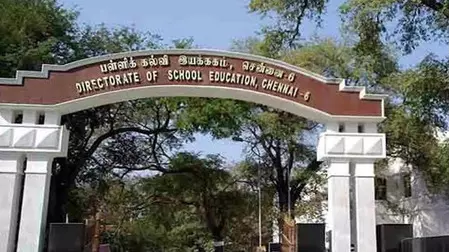
TN teachers push for cameras, stricter supervision at public exam centres
Digital Desk | Chennai, Oct 26 (IANS) Installing CCTV cameras at public examination centres and reforming the appointment of invigilators are among the measures government school teachers have proposed to strengthen the conduct of Tamil Nadus Class 10 and Class 12 examinations in 2026-27. The teachers have also urged the school education department to reduce gaps between papers and reconsider allowing chief invigilators to use mobile phones during the opening hour of examinations. Questions over unusually high concentrations of perfect scores in certain private schools have prompted the demands. In one institution, over 100 of its 148 Class 12 candidates secured centums in Chemistry in 2025, while none achieved the same score in 2026. Such variations at a few private schools had led the department to appoint officers on special duty to oversee examinations at those institutions in 2026. R. Srinivasan, state general secretary of the Tamil Nadu Higher Secondary Headmasters Association, advocated camera surveillance as a safeguard for students and a means of improving accountability during examinations. He referred to cases registered under the Protection of Children from Sexual Offences Act against government teachers serving as invigilators. Students had alleged sexual assault, while the teachers maintained they were checking for malpractice, he said Citing circulars from the CBSE and Karnatakas school education department that he said mandated CCTV coverage, Srinivasan sought similar arrangements in Tamil Nadu. However, Directorate of Government Examinations officials pointed to the cost of installing cameras at more than 7,000 examination centres, each containing several halls. With around 8.5 lakh candidates and 20 students accommodated per hall, approximately 42,000 halls would require coverage, according to the estimates cited. As an alternative, Srinivasan proposed fitting randomly selected centres with plug-and-play cameras during examinations. Teachers also argued that lengthy intervals between papers weakened students concentration. Assigning government teachers to examination duty in private schools additionally disrupted regular lessons for lower classes, they said. Another concern is the provision permitting chief invigilators to use phones for an hour after examinations begin to communicate attendance and other details. Teachers sought its withdrawal, citing the possibility of misuse. Demanding computerised random allocation of examination personnel, the teachers alleged that local influence sometimes determined postings, enabling lenient invigilators to be assigned to selected schools. They said randomisation would help make appointments more transparent and ensure consistent supervision across centres throughout the state.
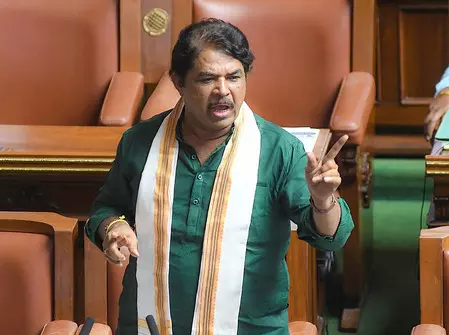
Congress govt anti-farmer, fails to release drought relief: K'taka BJP
Digital Desk | Bengaluru, Oct 26 (IANS) Karnataka BJP leader and Leader of Opposition R. Ashoka on Monday accused the Congress government of being anti-farmer, alleging that it had failed to release the announced Rs 2,500 -- a one-time input subsidy per farmer -- drought relief even a month after the special session of the legislature. In a statement, Ashoka targeted Chief Minister D.K. Shivakumar, alleging that the government had made a grand announcement of relief during the special session but had failed to transfer even the promised amount to farmers' bank accounts. He said the government had announced only Rs 2,500 as relief for farmers already struggling with drought, which he described as an insult to the farming community. He also pointed out that Deputy Chief Minister G. Parameshwara had reportedly expressed dissatisfaction with the state government's Finance Department and its functioning over the delay in releasing the funds. Does a government that cannot release even the money announced before 224 elected representatives inside the temple of democracy have any moral right to continue in power? Ashoka asked. Accusing the Congress government of betraying farmers on two fronts, Ashoka alleged that it had failed to release the promised drought relief and had also not paid the state's share of the premium under the Pradhan Mantri Fasal Bima Yojana (PMFBY), thereby preventing farmers from receiving insurance compensation. On the one hand, you are misleading farmers by failing to provide even the meagre relief promised to them. On the other hand, you are cheating farmers by not paying the state government's share of the premium under the Pradhan Mantri Fasal Bima Yojana, preventing them from receiving insurance compensation, he alleged. Ashoka questioned how the public could trust the government when even its own Deputy Chief Minister and ministers were reportedly dissatisfied with its functioning. Is this what your so-called farmer-friendly governance means? Making grand announcements and taking credit for them, only to claim that the treasury is empty when it comes to implementation? he asked. He warned that the anger of poor farmers suffering due to drought would eventually affect the Congress government politically. Ashoka demanded that the state government immediately release the drought relief amount to farmers and pay its share of the crop insurance premium. He warned that if the government failed to act, the Congress government would face the consequences of farmers' anger. The allegations come amid continuing concerns over drought-related distress among farmers in Karnataka.

Student sets mehndi record in Karnataka
Computer science student creates 150-foot long mehndi design on canvas
Karnataka Chief Minister to Meet Sugar Mill Owners and Protesting Farmers Amid Price Disputes
Karnataka CM D.K. Shivakumar will hold crucial talks with sugar mill owners and farmers protesting for fair cane prices in Belagavi. Karnataka Chief Minister to Meet Sugar Mill Owners and Protesting Farmers Amid Price Disputes
Bengaluru apartment lifts fail 36% of safety checks; 347 high-priority defects flagged
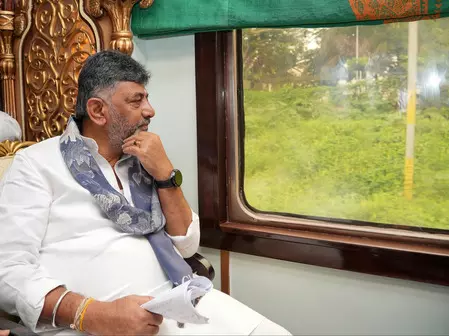
CM Shivakumar to hold talks with mill owners, protesting sugarcane farmers today
Digital Desk | Belagavi, Oct 26 (IANS) Whether sugarcane farmers in Karnataka will get justice remains to be seen as Chief Minister D.K. Shivakumar arrived in Belagavi to hold a series of meetings with sugar mill owners and farmers amid protests over sugarcane prices on Monday. CM Shivakumar will meet sugar factory owners at 11 a.m. and hold a separate meeting with representatives of sugarcane farmers at 3.30 p.m. The meetings will be held at the Suvarna Vidhana Soudha in Belagavi. Meanwhile, farmers have launched protests by blocking a state highway in Belagavi, demanding a fair price for their sugarcane and other demands. Speaking to the media in Kittur in Belagavi, Shivakumar said the survival of Karnataka's farmers was his priority and that he had come to Belagavi to discuss the issue with both farmers and sugar mill owners. I will not talk about what governments in other states are offering their sugarcane farmers. First, our farmers in Karnataka must survive. I will discuss this issue. That is why I have come here, rather than holding a meeting in Bengaluru, he said. I will speak to sugar mills and farmers. I must also listen to their views. Earlier, we gave farmers an additional amount of Rs 300 per quintal, and the previous Siddaramaiah government provided Rs 50. We have also asked mill owners to contribute. There is a problem here. I have discussed this issue with other states as well. I will discuss it with everyone and decide on the way forward, he added. CM Shivakumar said he will have to speak to owners first since they are the ones who will give money to farmers. The farmers are primarily demanding the fixing of a Rs 1,000 subsidy for each tonne of sugarcane. Secondly, they are urging the fixing of a price of Rs 5,500 per tonne of sugarcane. They are also demanding to reserve a sum of Rs 500 crore. The outcome of Monday's discussions is expected to be crucial in determining whether the ongoing protests will be resolved and whether the farmers' demand for a remunerative price for sugarcane will be addressed. Sugarcane farmers in North Karnataka -- led by organisations like the Karnataka Rajya Raitha Sangha and Hasiru Sene -- have staged widespread protests and highway blockades, including on the Pune-Bengaluru and Bengaluru-Mysuru highways, demanding higher prices and policy changes for the 2026-27 crushing season. Farmers are demanding a total sugarcane price of Rs 5,500 per tonne, an additional State Advised Price (SAP) of Rs 1,000 per tonne from the Karnataka government, and a higher Minimum Support Price (MSP) for sugar. The Central government fixed the Fair and Remunerative Price (FRP) at Rs 365 per quintal for 2026-27 (up from Rs 355), which farmers argue is insufficient to cover rising fertiliser, labour, and transport costs. While some farmer groups temporarily paused specific agitations, farmer leaders have warned of a potential Karnataka Bandh on October 27 if concrete decisions are not reached, alongside a broader deadline set for November 26 for the Union government to respond to MSP and committee demands. Karnataka BJP has urged the state government to step in and address acute grower distress amid the ongoing drought and cultivation debt.
Pakistan: Rights group demands end to governor
Pakistan: Rights group demands end to governors rule in Khyber Pakhtunkhwa, release of detained leaders Islamabad: The Human Rights Commission of Pakistan (HRCP) on Sunday demanded an end to emergency and governors rule in Pakistans Khyber Pakhtunkhwa province and called for the immediate release of the chief executive and all others arbitrarily detained. In a [] The post Pakistan: Rights group demands end to governors rule in Khyber Pakhtunkhwa, release of detained leaders appeared first on Mangalorean.com .
The Hands That Built Our Communities: Why Traditional Skills Still Matter
The Hands That Built Our Communities: Why Traditional Skills Still Matter When we speak of progress, we often look forward. We speak of new technologies, modern conveniences, and faster ways of living. Yet every community is also built upon the patient labour of hands that worked long before machinery became common. Behind the homes we [] The post The Hands That Built Our Communities: Why Traditional Skills Still Matter appeared first on Mangalorean.com .
CENTCOM commander visits Strait of Hormuz, says transit routes
CENTCOM commander visits Strait of Hormuz, says transit routes free and clear of Iranian mines Washington: The commander of the US Central Command (CENTCOM) visited the Strait of Hormuz on Sunday, with the command saying that the primary transit routes through the waterway remain free of Iranian sea mines. Admiral Brad Cooper flew over the [] The post CENTCOM commander visits Strait of Hormuz, says transit routes free and clear of Iranian mines appeared first on Mangalorean.com .
Riyadh airport partially reopens as Houthis, Saudi-led coalition continue exchanging attacks
Riyadh airport partially reopens as Houthis, Saudi-led coalition continue exchanging attacks Riyadh/Sanaa: King Khalid International Airport in the Saudi capital Riyadh partially reopened as Yemens Houthi group and the Saudi-led coalition continued to exchange attacks, and the Houthis warned airlines and travelers against using the airport. The airport had suspended operations following a series of [] The post Riyadh airport partially reopens as Houthis, Saudi-led coalition continue exchanging attacks appeared first on Mangalorean.com .
Gujarat cops raid flat, seize 243 kg of narcotics worth Rs 1.21 crore
Gujarat cops raid flat, seize 243 kg of narcotics worth Rs 1.21 crore Vapi (Gujarat): The Valsad district police have seized 243.670 kg of cannabis-based narcotic substance worth Rs 1.21 crore and arrested a 32-year-old man during a raid at a residential flat in Vapi, police said on Sunday. The seizure was made by the [] The post Gujarat cops raid flat, seize 243 kg of narcotics worth Rs 1.21 crore appeared first on Mangalorean.com .
The India Meteorological Department forecasts turbulent weather across several Indian states starting October 26. A developing cyclonic storm will bring heavy rainfall, thunderstorms, and lightning, with Andhra Pradesh and Odisha likely facing the worst of it. Meanwhile, Karnataka and Chhattisgarh will see fluctuating weather patterns, and although Uttar Pradesh is set for dry conditions at first, storms are expected to emerge by the week's conclusion.
Bittersweet struggle - The New Indian Express
Here is a select list of stories to start the day

Karnataka CM permits interrogation in KPSC case, pledges reform
The News Mill
RSS march in poll-bound dists curbed
CM warns IT firms against Kannada bias in hiring; merit rules, say experts
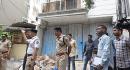
Pulakeshinagar IED blast case cracked, personal rivalry behind the plot
The Bengaluru police have cracked the case of the recent blast at an under-construction building on Jeremiah Road, injuring two, and arrested a 27-year-old bakery salesman, who allegedly conspired with two childhood friends to murder his uncle by assembling an improvised explosive device (IED) concealed inside a parcel
The more you win, the greater the pressure to stay at the top: Pankaj Advani

Karnataka CM DK Shivakumar Promises Chennamma Freedom Park
The government will provide funds for the Freedom Park in the next Budget. A government order will also be issued immediately in this regard, he declared.
CM announces Rs 40 cr for theme park in Kittur, assures renaming of NWKRTC after Rani Chennamma

Karnataka CM DK Shivakumar calls for society prioritising knowledge over caste
The News Mill
Kakatodu Devi temple secures land rights after survey
Evening snacks for students in mining-affected areas
Property dispute: Man tries to run over sister-in-law
Unesco team reviews Hampi monument conservation measures
Damaged curd packet: Bengaluru woman loses Rs 98k in fake refund scam
Amid concerns over water and power supply, state may discourage summer crops
300 roadside shops cleared in HDMC clearance drive
MLC poll: Stage set for vote counting
Efficient water use key to river disputes: Tallur
Karnataka govt to hold ZP, TP polls by Jan: Minister
Mysuru City Corporation approves street food hub under PM SVANidhi scheme
HDMC to introduce Shaktiman a self-profiled platform for tree cutting
Amid fears of parallel power centre, Congress pushes to set up political affairs committee
Congress to launch statewide voting rights campaign
JD(S) criticises dist admin for not inviting Deve Gowda for Hasanamba Jatra
Home-alone woman, 70, found murdered in Bengaluru
Activist urges govt to ban elephants at Dasara events

Wonder Parivar keeps Gujarati culture alive in Mangaluru for 35 years
Fix our road or well boycott polls, Kodiyala villagers warn
Woman suspected of killing specially abled daughter, dies by suicide
Congress takes Vote bachao, desh bachao to Mangaluru
Sting op row: BJP making baseless charges, says Rai
3 juveniles among 7 detained for bike thefts
Six stolen motorcycles recovered; three other two-wheelers seized
Heggade unveils new health, education projects at Pattabhisheka Vardhanthyotsava
Rs 67,000-crore push for rural drinking water: Khandre
18-year-old worker from West Bengal dies in accidental fall from 8th floor
Complaint alleges workers were not provided safety belts, nets or helmets at under-construction site in Brahmavar taluk
Home nurse held for stealing elderly womans gold chain in Udupi
Pramoda Devi criticises Dasara ritual lapses, calls for changes

Well-planned Dasara boosts Mysuru tourism: Lakshman
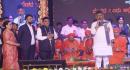
Freedom Park will come up in Kittur Fort, says CM Shivakumar
We will accord financial approval for the Channavrushabhendra Irrigation Project estimated to cost 520 crore as it will benefit Kittur region
Land, money dispute, broken marriage alliance behind Bengaluru battery IED blast; 3 held
Rain fails to dampen spirit of volunteers at clean-up drive in Bengaluru
Rahul Gandhi to visit Punjabs Sangrur on Nov 4 Chandigarh: Punjab Congress President Pargat Singh said on Sunday that Rahul Gandhi, Leader of Opposition in Lok Sabha, will visit the states Sangrur district on November 4. The visit will be significant for the Congress as it is preparing for the 2027 Punjab Assembly elections. He [] The post Rahul Gandhi to visit Punjabs Sangrur on Nov 4 appeared first on Mangalorean.com .
Curtains down on three-day cultural splendour at Kittur Utsav
Beyond diagnosis: Breast cancers hidden financial burden
Kharge draws flak for abusive baap jibe at PM Modi, Ministers and BJP chief lambast Cong president New Delhi: Congress president Mallikarjun Kharges objectionable and uncouth remarks, directed at Prime Minister Narendra Modi during an event in Bihars Patna on Sunday, received strong backlash from the BJP as several party leaders and Union Ministers called [] The post Kharge draws flak for abusive baap jibe at PM Modi, Ministers and BJP chief lambast Cong president appeared first on Mangalorean.com .