
 21 C
21 C 


SBI Life Q2 net up 11% at 549 crore net premium income
The first-year premium rose 8.81 per cent to 5755.86 crore, whereas the renewal premium increased 12.57 per cent to 15,763.64 crore for the period under review

CoinDCX flags a phishing attack, days after confirming a compromised wallet
It stressed that the exchange will never ask users to share private keys or seed phrases, ask for OTP, send links to withdraw funds
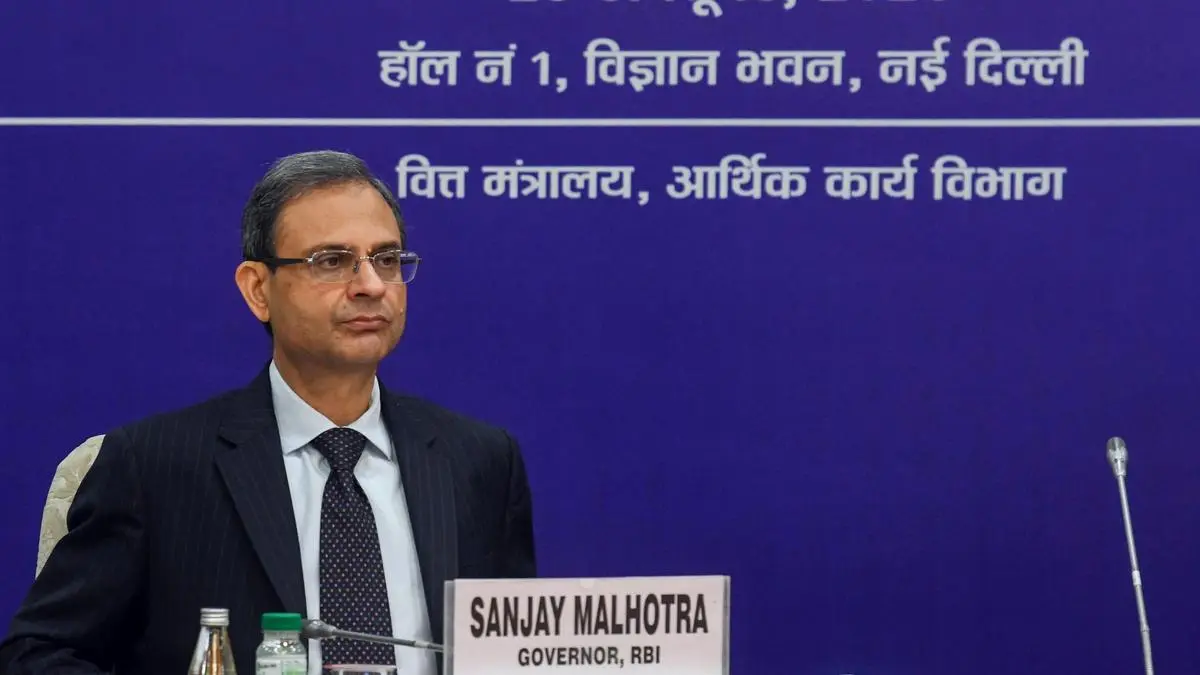
RBI Governor Sanjay Malhotra urged states to adopt UPI-linked lending, leverage CBDC for direct transfers, and strengthen fiscal health nationwide

MSME, unsecured retail stress to lift bank NPAs in FY27
Indian banks in India are set to see a modest rise in fresh non-performing assets in FY27

Stay tuned to businessline for more business, financial and stock market news.
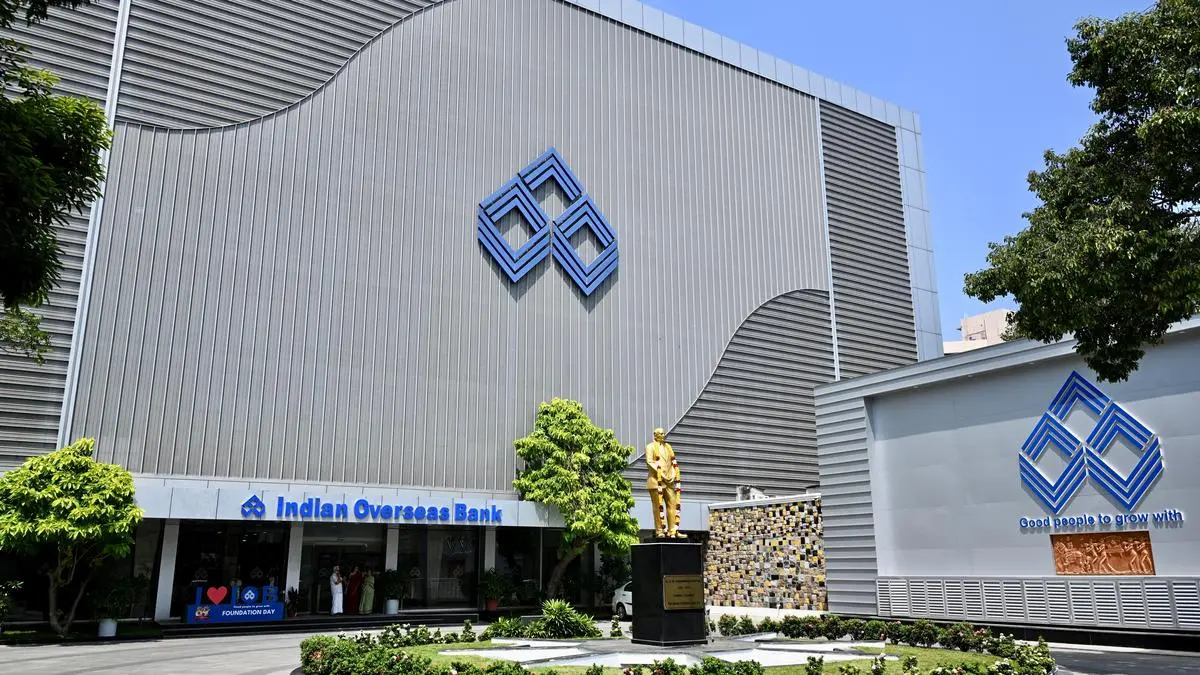
Indian Overseas Bank appoints Akshit Choudhary as CFO from Nov 1
Choudhary is a Chartered Accountant with over 15 years of professional experience across banking, financial services, auditing, treasury, and business operations

Tata Capitals consolidated Q2 net profit jumps 51% to 1,660 cr
Net interest income was up 23 per cent to 3,696 crore (3,006 crore)

Proposed insurance distributions norms: IRDAI Chief says I am in the listening mode
IRDAI has extended the deadline to submit feedback on its proposed distribution reforms to October 31, 2026,from the earlier October 25, 2026
The PFRDA has now pushed back the implementation date for updated PoP charges that impact NPS and NPS Lite subscribers to December 1, 2026. This extension provides extra time for subscribers to prepare.
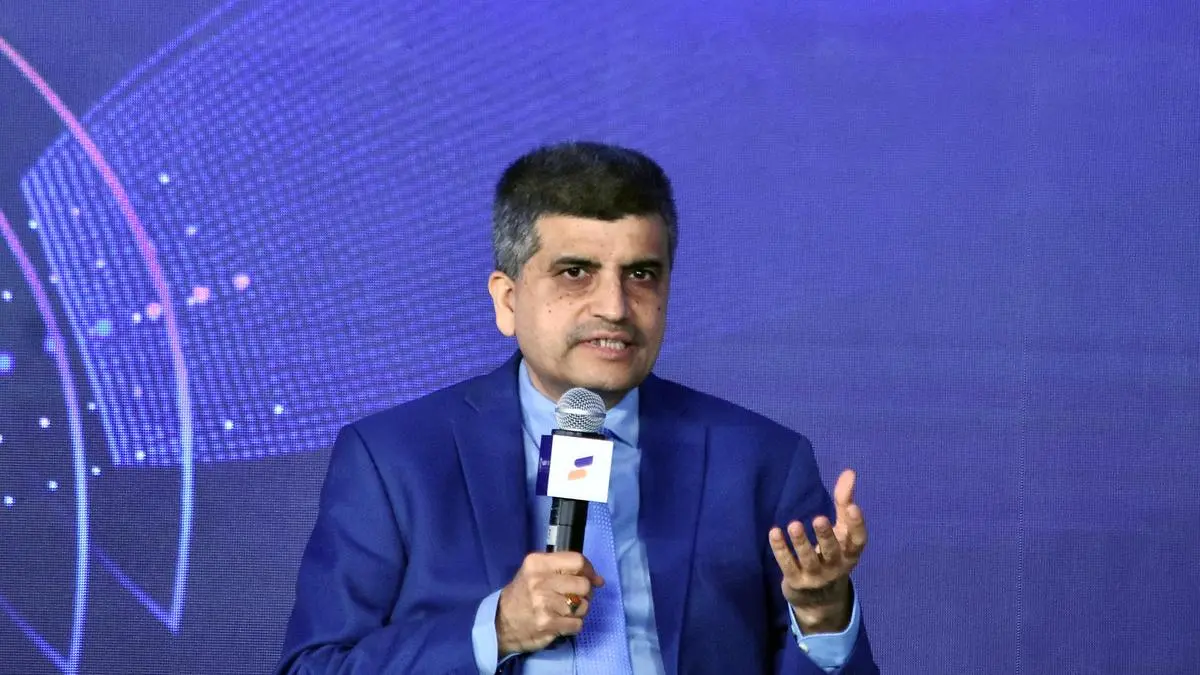
IRDAI to implement distribution reforms only after consensus: Seth
On the issue of portability, Seth rued that the activity is concentrated in a very small set of entities, pointing out that the commissions paid may be playing a role in customer behaviour
UAE property owners have received communication from the income tax department regarding undisclosed assets. Taxpayers are prompted to assess their foreign assets in relation to their tax status. Those eligible can use the FAST-DS 2026 scheme before the deadline. Failure to disclose such assets may result in severe penalties or taxation. It is important to review and act upon this nudge to avoid repercussions.
5 most elite credit cards in India: Joining fees go up to 5 lakh; what do you get?
Starting from November 1, 2026, vehicle owners residing within a 20 km radius of toll plazas can apply for a discounted local FASTag pass. The yearly fee is set at Rs 1,500 for locations outside city limits and Rs 3,000 for those within.

Indian lenders delay dollar bond sales as hedging costs climb
Canara Bank, Punjab National Bank and Bank of India have shelved planned issuances, while Karur Vysya Bank awaits more favourable pricing
Worried about long-term returns? No equity mutual fund lost money on 5- and 7-year SIPs
No equity mutual fund delivered negative SIP returns over five- and seven-year periods, an ETMutualFunds analysis found. Quant Small Cap Fund topped the seven-year list with 24.59% returns, while Bandhan Small Cap Fund led the five-year category at 18.08%. Shriram Flexi Cap Fund recorded the lowest returns across both periods.
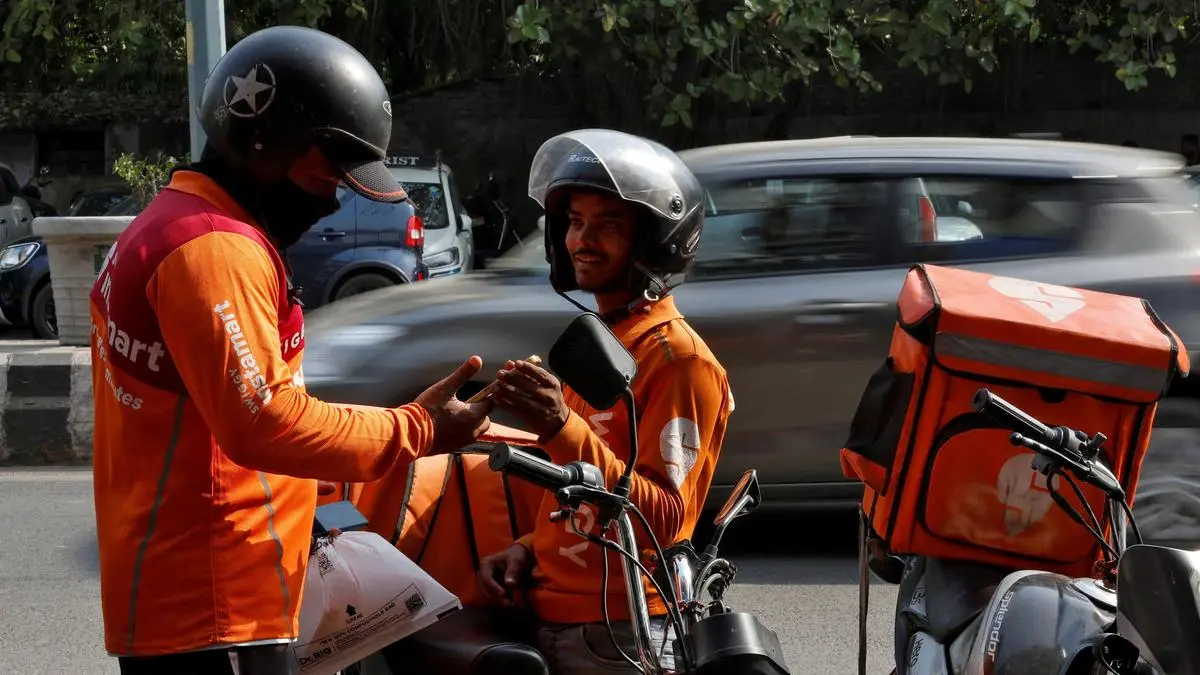
Swiggy renews insurance cover for 25 lakh delivery partners with IndusInd General Insurance
Under the renewed programme, delivery partners receive accidental death cover of 10 lakh, in-patient hospitalisation cover of up to 2 lakh, and family health coverage of up to 1 lakh
Gold rate: Gold prices for 22k jewellery rose today in various showrooms across cities like Delhi and Mumbai. In contrast, the IBJA indicated a decline in gold and silver rates compared to yesterday's evening rates.
Gold price: Gold prices have recently experienced significant volatility, opening doors for savvy investors. Experts advocate for a methodical approachspreading out investments across multiple months. Current financial dynamics, including rising US interest rates and forthcoming Federal Reserve discussions, are poised to affect gold valuations. Gold exchange-traded funds stand out as a practical investment choice due to their affordability and liquidity. Careful planning and strategy are essential for effective market navigation.
Housing societies looking to redevelop must qualify under Development Control Regulations and pass a resolution during a meeting. After the resolution, a development agreement can be signed with a builder, and a Power of Attorney can be issued. The society must ensure transparency and due diligence in the redevelopment process to protect member interests. Legal aspects, such as compensation for delays and entitlement, should be clearly outlined in agreements.
Parag Parikh Flexi Cap among top 9 flexicap funds with highest risk-adjusted returns. Check details
Sharpe ratio is a risk-adjusted return measure. It measures the excess return over the risk-free rate per unit of risk, measured in terms of standard deviation. Here are the top 5 flexi-cap funds with the highest risk-adjusted returns (Source: MF Screener).
What is the best way to invest in gold monthly with a modest salary?
ET Wealth Reader's Query: I just started my first job. My salary is modest, but I would like to invest a small amount in gold every month as a long-term investment. What are the safest and most secure ways to invest in gold through monthly investments? Which option is suitable for someone starting out with a limited budget?
DA news: More than 55 lakh central government employees are anticipating a dearness allowance hike announcement soon. The hike is expected to be announced following the cabinet meeting scheduled for October 28, 2026. If approved, the DA rate may increase from 60% to an estimated 63%, resulting in salary increases. Employees are hopeful for the announcement after delayed expectations in previous meetings this month.
EPS pension: 25,000 wage ceiling but government contribution stays capped at 174; know what it means

Small cap mutual funds have proven to be the top performers in the market, offering impressive returns as high as 16%. The Bank of India Small Cap Fund took the lead with a notable return of 15.51%. However, investment experts emphasize a cautious approach to valuations, despite an optimistic long-term outlook for small caps.

Why are HDFC Bank shares steady as Bagchi officially takes charge as MD & CEO
The stock remains under significant pressure, down 30.45 per cent year-to-date against the Nifty 50s 12.86 per cent decline
Gift deed or Will? Learn the tax, stamp duty, control and safety rules for passing your home to your children in India, including Section 23 protection for senior citizens.
The Karnataka High Court ruled against retired employees challenging amendments to the Employees' Pension Scheme, 1995. The court found the government's power to amend the scheme was legitimate and did not violate vested rights. Retired employees argued that their pension entitlements were reduced by the 2007 amendments. The EPFO clarified that the amendments corrected existing anomalies and did not take away benefits.
No EPF, no pension. Learn how Indian freelancers can save tax and build a retirement corpus in 2026-27 using NPS, PPF, ELSS and the right tax regime.

Paytm Q2 FY27 profit rises over 10-fold to 225 crore; revenue grows 28% to 2,648 crore
EBITDA increased 90% y-o-y to 270 crore, its highest ever for a quarter, with the EBITDA margin expanding to 10%, reaching double digits for the first time
Stay tuned to businessline for more business, financial and stock market news.
The questions ET Wealth Expo 2026 will actually answer, and why they matter right now
Should you continue investing in equities in the age of AI? Is your retirement plan on track? And have you considered how your wealth will be passed on to the next generation? The ET Wealth Expo 2026 will address these and other financial questions on October 30 and 31 in Mumbai.

SoftBank vehicle sells 3.58 crore Ola Electric rights entitlements amid 1,000-crore issue
The investment vehicle sold 1.21 crore REs on October 22 and 23, followed by another 2.37 crore on October 26, according to exchange data.

BFSI Insight Summit: Looking at if we can have YONO Bharat, says C S Setty
SBI Chairman C S Setty says the bank is working with NPCI to prevent UPI merchant charges from reaching customers, while FCNR(B) inflows will ease deposit competition
FCNR(B) rush squeezes margins; private banks feel more heat than PSU peers
Private banks raise FCNR(B) at 7.5-10% of deposits versus 2-2.5% for PSUs

Bank of Maharashtra reports 41% jump in Q2FY27 net profit at 2,310 crore
The Pune-headquartered public sector bank, which reported a net profit of 1,633 crore in the year ago quarter, logged a robust growth in advances amid improvement in asset quality
Q2 Results Today, 26th October 2026 Highlights: Stay tuned to businessline for more Q2 updates
SBI working on launching exclusive YONO Bharat mobile banking app for Jan Dhan customers
The app likely to be launched in 6-12 months
MFIN to issue PAN, CKYC guidelines for microfinance lenders in 10-15 days
Industry body MFIN aims to strengthen borrower identification and credit underwriting by encouraging lenders to adopt PAN and CKYC records within an aspirational 18-month timeline
Bank of Barodas standalone primary dealer subsidiarycommences operations
BoB says this marks an important milestone in its strategy to strengthen its presence in government securities and debt capital markets
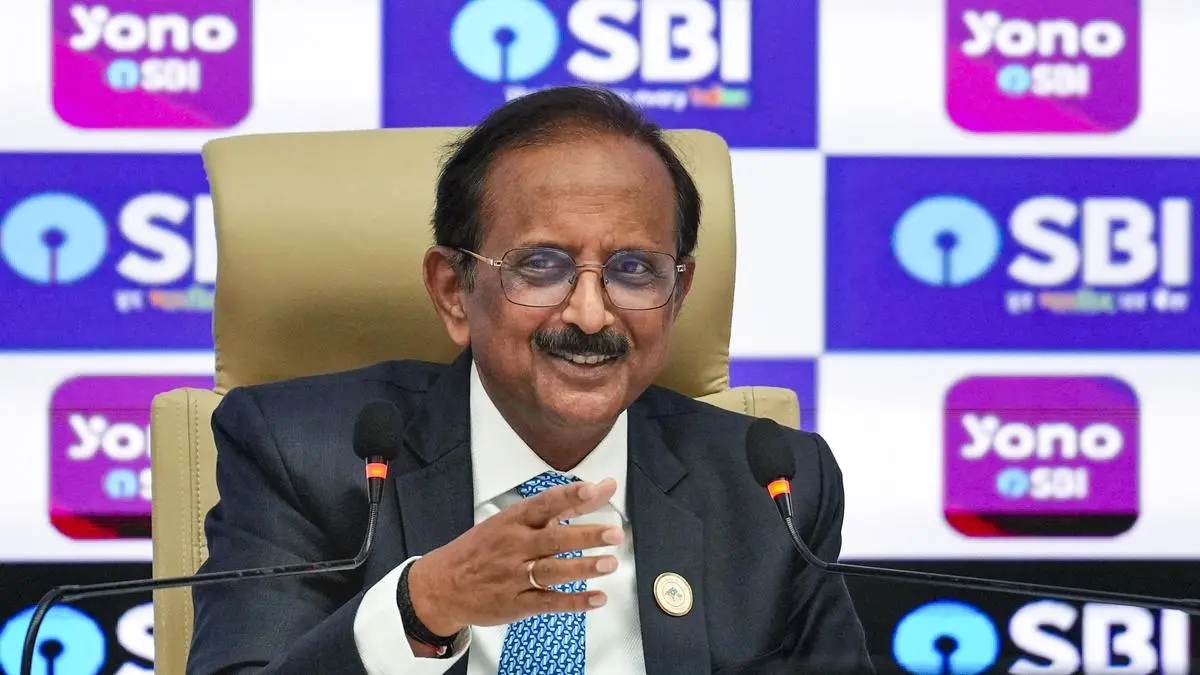
SBI chief expects 50 bps repo rate hike in MPCs next meeting
Rate hikes may weigh on discretionary consumption demand, says Chairman
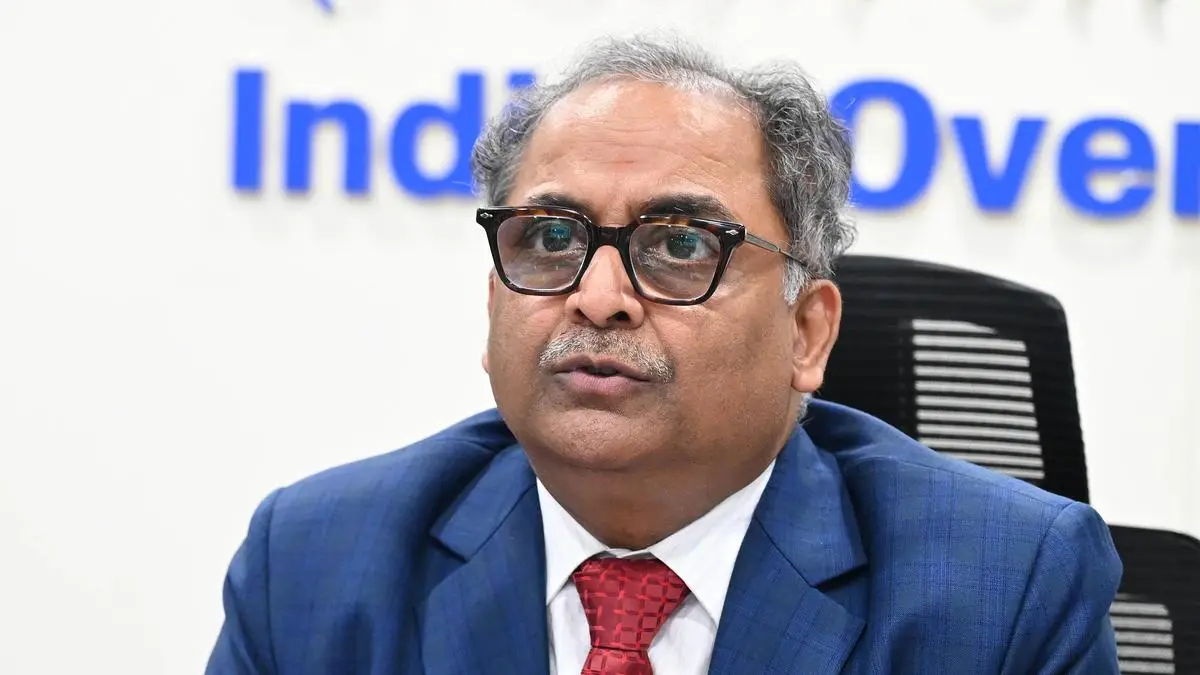
Indian Overseas Bank Q2 net surges 56% on strong interest income growth
Lender eyes $500 million ECB funding by December
Latest FD interest rates: SBI, ICICI, HDFC & more

Shift to rate hikes may impact consumption credit demand; will not hurt retail asset quality: Setty
Pointing to the robust 7.1% growth expected this fiscal year, Setty said the demand from productive sectors is unlikely to be impacted
ITC Hotels reports revenues of Rs 1054 cr for Q2, PAT at Rs 203 cr
ITC Hotels reported strong second-quarter growth, with revenue rising 26% and net profit increasing 52% year on year, supported by higher room rates, occupancy and demand from business events. The company also expanded its portfolio through new hotel signings, the Welcomhotel Ahmedabad acquisition and a land allotment in Lucknow.
Can a husband avoid paying maintenance by claiming he has no income?
Allahabad High Court has ruled that a husband capable of earning cannot escape his obligation to maintain his wife by citing unemployment or poor business performance
FII outflows stabilising, India story intact, say foreign bank CEOs
Speaking at Day 1 of the BS BFSI Insight Summit 2026, foreign bank CEOs discussed FII outflows, the long-term India growth story, cross-border capital flows, and opportunities in SME financing
JioBlackRock has launched the Advantage World Equity Fund through GIFT City, offering eligible Indian investors access to global developed-market equities. The feeder fund invests primarily in BlackRocks actively managed strategy spanning the US, Europe and Japan.
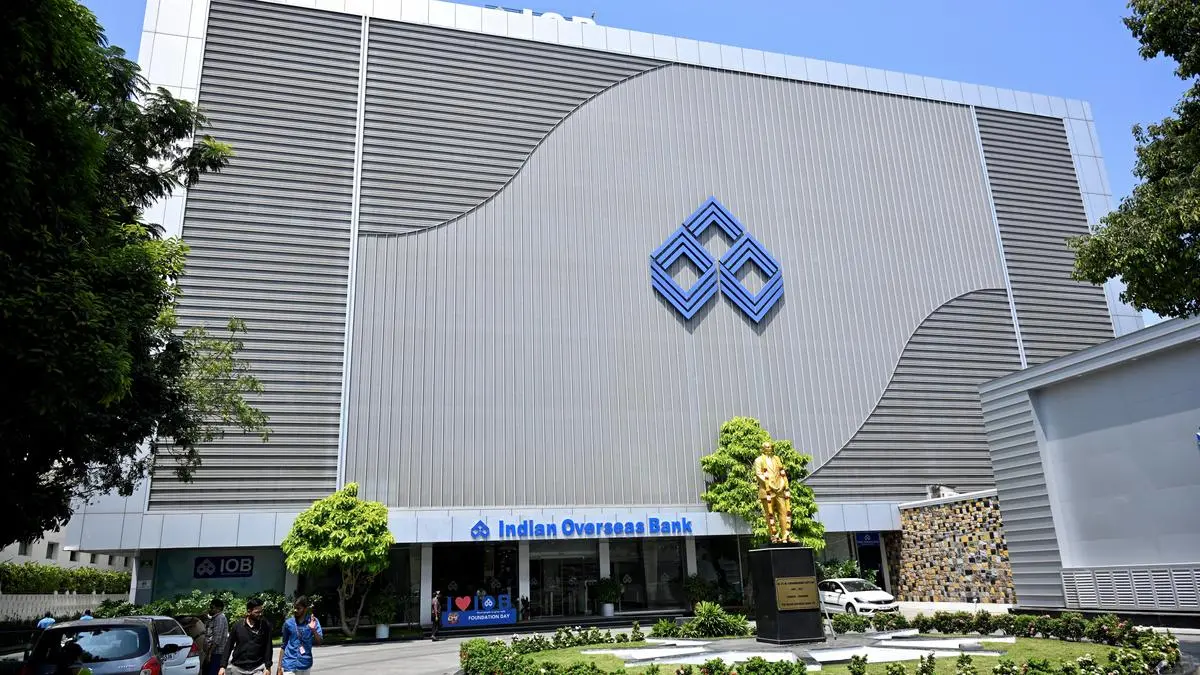
IOB Q2 net profit rises 56% to 1,912 crore on higher interest income
Interest income of the bank rises 17% to 9,201 crore during the September quarter
5 ways to invest in gold this Dhanteras and Diwali: From jewellery and gold ETFs to digital gold
Gold purchasing sees a significant rise during Dhanteras and Diwali, celebrated for their cultural relevance. Investors can explore various avenues like physical gold, ETFs, and digital gold options.
JioBlackRock Mutual Fund files draft documents with Sebi for life cycle and debt funds
JioBlackRock Mutual Fund is set to unveil two new investment opportunities tailored for Indian investors. The JioBlackRock Life Cycle Fund 2056 aims to achieve long-term capital appreciation through strategic and diversified asset allocation. On the other hand, the JioBlackRock Ultra Short Term Fund prioritizes income generation while ensuring liquidity in the short term. Investors can start with a minimum commitment of Rs 500 for both lump-sum and SIP options.

Tamilnad Mercantile Bank Q2 net profit up 42% to 451 crore
Interest income of the bank rose 29% to 1,820 crore during Q2 of FY27
Top 5 gold funds and ETFs with highest risk-adjusted returns. Check their 3-year performance
Gold funds with the highest Sharpe ratios offer strong risk-adjusted returns, with UTI Gold ETF FoF leading the list at 1.50. Seven gold funds recorded three-year returns above 30%, according to MF Screener data.
8% discount or 10% cashback: What saves more ?
Global rate risks, capital outflows to weigh on Indian markets: Experts
At the Business Standard BFSI Insight Summit 2026, experts warned that high US yields, oil prices and AI-driven capital outflows could weigh on Indian markets, the rupee and bond yields
Higher EPS pension: Pensioners seek President's help
23 equity mutual funds deliver over12% CAGR on lumpsum investments in 5, 7, 10-year horizons
An ETMutualFunds analysis of 160 equity schemes found that 23 mutual funds delivered over 12% CAGR on lump-sum investments across five, seven and 10-year periods. The funds span seven categories, including small-cap, mid-cap, flexi-cap and ELSS. The analysis considered regular plans with growth options.
Bank says accounts are safe after reported breach
DA hike central government employees: Why Centre has not announced it yet; check expected hike
Gold rate today: Gold rates showed a slight increase today in major Indian cities like Delhi, Mumbai, and Chennai. The rates reflect a rise compared to the previous day with increased demand anticipated during the festive season.

Bitcoin dips below $80,000 as AI-Related market selloff deepens
The largest digital asset fell as much as 1.4% to under $79,300 before paring some losses to trade around $80,000 in afternoon trading in Asia
Crude near $116, raw material costs up sharply and margins under pressure. Here is how Motilal Oswal sees 13 chemical stocks heading into Q2FY27 results.
Top 7 equity mutual funds deliver over 30% CAGR since last Diwali. Have you invested in any?
In the latest analysis by ETMutualFunds, the top seven equity mutual funds have recorded an impressive over 30% CAGR since last Diwali. Leading the pack, the Nippon India Taiwan Equity Fund delivered an astonishing return of approximately 87.36%. Other noteworthy performers included ICICI Pru Strategic Metal and Energy Equity FoF, alongside HSBC Brazil Fund. However, it's important to note that some ICICI Prudential funds faced significant losses.
Best banking & PSU mutual funds to invest in October 2026
Mutual fund advisors say banking & PSU debt schemes are relatively safe because these schemes invest only in bonds and papers of banks and public sector companies. Since most of these entities are government-backed, they dont have the credit risk.
Q2 Results Today, 26th October 2026 Live Updates: Stay tuned to businessline for more Q2 updates
Hero MotoCorp Share Price Live Updates: Hero MotoCorp Moves Above 20-Day SMA
BPCL Share Price Live Updates: BPCL Stock Performance
RIL Share Price Live Updates: RIL's Technical Breakout
SBI Life Share Price Live Updates: SBI Life's Current Market Position
L&T Share Price Live Updates: L&T Stock Update
Tata Steel Share Price Live Updates: Tata Steel's Current Trading Update
Coal India Share Price Live Updates: Coal India Price Movement
LTIMindtree Share Price Live Updates: LTIMindtree Shows Slight Decline
Titan Company Share Price Live Updates: Titan Company Price Movement Analysis
HUL Share Price Live Updates: HUL's Current Market Position
Bajaj Finance Share Price Live Updates: Bajaj Finance News
Britannia Share Price Live Updates: Britannia's Recent Stock Performance
ONGC Share Price Live Updates: ONGC's Current Trading Status
Infosys Share Price Live Updates: Current Trading Status of Infosys
Bajaj Auto Share Price Live Updates: Bajaj Auto's Daily Performance Update
ITC Share Price Live Updates: ITC's Current Price and Market Performance
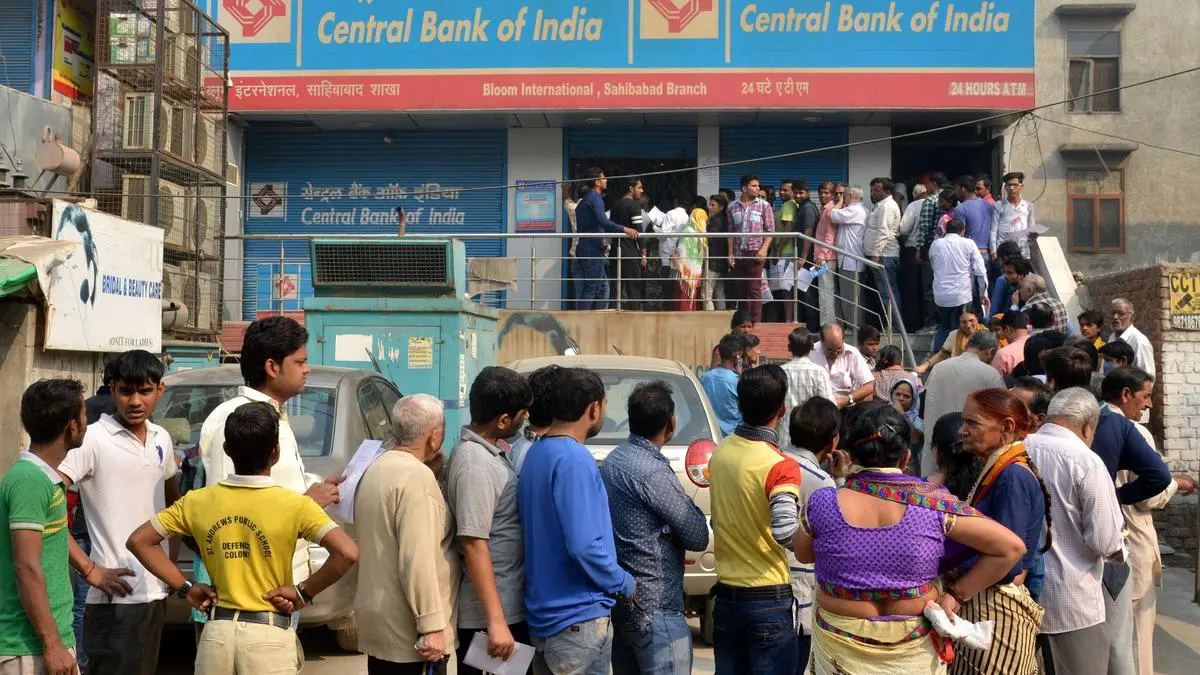
Central Bank of India resumes RTGS services; no customer impact due to tech glitch
Bank holiday today: Are banks open or closed in your state today on October 26, 2026? Check RBI list
Due to various holiday celebrations, bank branchesin some states will not be open today as per the Reserve Bank of India's schedule for October 2026, which includes Laxmi Puja and Maharishi Valmiki's Birthday.
Health insurance: Which insurers pay claims fastest?
According to data from ILM Research (previously known as Beshak Research), 15 of 31 non-life insurers paid out over 95% of their approved health claims (including cashless hospitalisation claims, where the insured does not have to pay out of pocket) within a month in financial year 2025-26, while the rest were slower.
Did your balanced advantage fund buy the dip?
When markets fell, BAFs had an opportunity to increase equity exposure. Many did, while others were more cautious.
RBI rate hikes: How to protect your debt portfolio
Investors must position fixed income portfolio for further rate hikes. But this cycle may look different.
NPS subscribers are now thinking long term
Axis Pension Fund intends to enhance its National Pension System offerings to provide better retirement savings options. The introduction of NPS Swasthya addresses the health insurance needs for older customers effectively. Despite tax benefits, low awareness continues to hinder corporate NPS uptake among employees. Further clarity on Tier-II NPS account taxation and extended tax deductions could encourage broader participation.
Diwali travel: How to save on last-minute flights
Waiting until the last minute in the hope of a sale can be costly. Airlines use dynamic pricing, and cheaper fares may disappear as more seats sell. If your dates are fixed, compare fares as early as possible and book when the price is reasonable for your budget. Set fare alerts to track changes, but dont delay your booking expecting for a drop in prices.
More customers understand & trust non-life insurance
General, or non-life, insurance is expected to play a more integral role in financial planning over the next 25 years, shows an ICICI Lombard report.
Debt investing: 7 bond strategies you should know
Cutting through money jargon, one topic at a time. This week, Sanket Dhanorkar explains fixed income investing strategies and which ones suit which investors.
M-caps: Microcaps lead, large caps struggle in 2026
Welcome to TrendMap, your guide to the performance of different investment segments. No single segment always leads. In this edition, we present a 10-year equity performance tracker, ranking annual returns across market-cap segments. Investors risk appetite has turned more selective in 2026 so far. By Sameer Bhardwaj.