


BJP, SAD discuss Punjab alliance, seat-sharing and Akali faction's entry
In a strategic move, talks between BJP and Shiromani Akali Dal center on seat-sharing dynamics, potentially bringing in the splinter group SAD (Punar Surjit). BJP is projected to gain around 45 assembly seats, exceeding their previous numbers. Akali Dal is amenable to adjusting their offer while keeping their lead partner status. Furthermore, the discussions delve into how to integrate SAD (Punar Surjit) into the overall alliance framework.
Ludhiana MC dragged into HC over deals worth 1,245 crore
After repeated attacks on doctors, Punjab moves to strengthen hospital security

Punjabs Drug Crisis: Harsimrat Kaur Badal Accuses AAP Government of Suppression
Harsimrat Kaur Badal criticizes Punjabs AAP government for failing to address drug issues and suppressing voices of affected families. Punjabs Drug Crisis: Harsimrat Kaur Badal Accuses AAP Government of Suppression
Power cuts, gen-set failure cripple citizen services in Ludhiana
Audit before award: 24-crore roadwork deal put on ice
PAU PhD scholar bags twin honours at global agri meet
Ex-PAU professor donates 20 lakh for PhD scholarship
Fire engulfs two floors of Sunder Nagar garment unit
Punjab Central varsity and CGWB to study uranium contamination in groundwater

Punjab Chief Minister Bhagwant Singh Mann on Tuesday strongly urged the Centre to reopen the Sri Kartarpur Sahib Corridor and ensure regular, hassle-free access for the Sikh Sangat to pay obeisance at Gurdwara Darbar Sahib. Emphasising that matters of faith must

Mansa: Police Remove Body, Opposition Slams Govt
Police in Mansa, Punjab, forcibly removed the body of a 35-year-old man who allegedly died of a drug overdose, leading to clashes with his family and protesters. The family sought to join a protest demanding justice for an anti-drug activist. Police claim the death is being investigated as a murder and used mild force, while opposition parties have severely criticised the government and police for their handling of the situation and alleged disrespect to Sikh sentiments.

Punjab Drug Crisis | Man's Death Due To Suspected Drug Overdose Sparks Road Blockade In Mansa
Protests erupted in Punjab's Mansa district after 35-year-old Daljit Singh was found dead, with his family suspecting a drug overdose and alleging that narcotics remain easily available in the region. Relatives blocked the Sirsa-Mansa road, demanding arrests and action against alleged drug peddlers. Police intervened as protesters headed towards Mansa and took the body into their possession. Officials said a post-mortem examination would establish the cause of death and assured the family that action would be taken against those involved in drug trafficking.
Army Jawan Among 7 Arrested For Cross-Border Arms Smuggling In Punjab
During the operation, Punjab police busted four modules engaged in smuggling of arms and narcotics and recovered 14pistols and over 20 kg of heroin.
Punjab Law and Order in Crisis, Government Failing to Provide Relief: Tarun Chugh
BJP MP Tarun Chugh criticizes Punjabs government for failing to maintain law and order, calling it a haven for criminals. Punjab Law and Order in Crisis, Government Failing to Provide Relief: Tarun Chugh

Ranji Trophy: Salil takes Punjab to 431; Hyderabad solid in reply
The middle-order batter smashes his third successive ton and puts on 116 for the last wicket with Umesh after Milind reduces the visitor to 315 for nine; Abhirath and Rahul lead the hosts response

Building Wealth Beyond the Market Cycle: The Viren Punjabi Story
Experts clarify rules on overseas job work under advance authorisation, leasing capital goods under EPCG and timelines for invoicing and export shipments

Punjab and Haryana HC stays BFI meeting on no-confidence motion against Ajay Singh
The News Mill

Punjab and Haryana HC put BFI meeting on hold over no-confidence motion against president Ajay Singh
The Punjab and Haryana High Court on Tuesday directed the Boxing Federation of India (BFI) to keep in abeyance its General Body meeting scheduled for October 28 to consider a no-confidence motion against its president, Ajay Singh, until the next date of hearing. Justice Tribhuvan Dahiya passed the interim direction while hearing a petition filed by Singh, who has challenged the notice issued on October 8, proposing a no-confidence motion against him and convening the General Body meeting. The court issued notice of motion for November 13 and directed that the meeting remain on hold in the meantime. Singh, represented by Senior Advocate Chetan Mittal along with other counsel, contended that the proposed proceedings were contrary to the BFI

The Punjab-based company explores air taxis, medical evacuations and cargo transport; the aircraft requires further testing and regulatory approvals before commercial operations.

Dive into the Latest Punjabi Music Video 'So What' Sung by Guru Randhawa and Kiran Bajwa
Enjoy the latest Punjabi song ''So What'' sung by 'Guru Randhawa and Kiran Bajwa'. The music for this captivating track has been composed by 'Rony Ajnali, Gill Machhrai, Guru Randhawa and Shevv', with heartfelt lyrics penned by 'Guru Randhawa, Gill Machhrai and Rony Ajnali'. Don't miss the opportunity to watch the latest Punjabi video song ''So What'', by 'Guru Randhawa and Kiran Bajwa' and immerse yourself in its mesmerizing melodies. For more Punjabi songs, be sure to visit the music videos section of Punjabi ETimes. Experience the musical prowess of 'Guru Randhawa and Kiran Bajwa', New Video Songs of 2026, 'Rony Ajnali, Gill Machhrai, Guru Randhawa and Shevv' songs, Punjabi Gana Video Song and 'Guru Randhawa, Gill Machhrai and Rony Ajnali' songs.
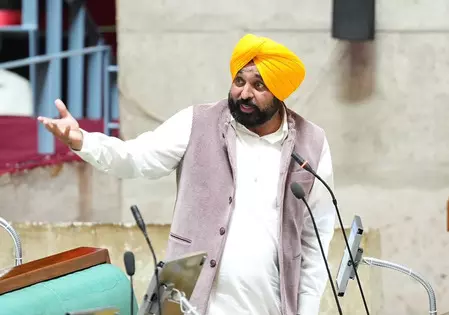
Not a single drop of states rightful share will be surrendered, Punjab CM informs Assembly
Digital Desk | Chandigarh, Oct 27 (IANS) Punjab Chief Minister Bhagwant Mann on Tuesday drew a firm line on the states river waters, declaring that not a single drop of the states rightful share would be surrendered as the Assembly passed a resolution asserting the states rights. Vowing to fight from courts to streets, he questioned Rajasthans continued access to Punjabs water without payment, pegged the states outstanding royalty claim at Rs 1.43 lakh crore, and asserted that Rajasthan and Haryana had no share in the waters of the Ravi and the Beas. The Chief Minister pointed out his government is strengthening the states own irrigation network, expanding canal water access from 22 to 80 per cent of fields in four years and laying 14,000 km of underground pipelines. Participating in discussions on resolutions concerning river waters and other important issues on the final day of the Assembly session, CM Mann said Punjab would no longer tolerate injustice in the distribution of its precious water resources. Water is a state subject, and the control of headworks rests with the states. Punjab will vigorously pursue its legitimate rights and will not allow the states interests to be sacrificed, he said. Questioning Haryanas claim over Ravi-Beas waters, the Chief Minister said, It is unfair that Haryana stakes its claim over Ravi-Beas waters while Punjabs rightful share in Yamuna waters is ignored, despite the Yamuna being part of undivided Punjab. Highlighting the transformation in irrigation, CM Mann said when his government assumed office in 2022, only 22 per cent of Punjabs water resources were being utilised, whereas the figure had now risen to nearly 80 per cent. We have undertaken an extensive overhaul of Punjabs irrigation network to ensure that canal water reaches even the tail-end fields. By cleaning rajbahas, laying 14,000 km of pipelines and rejuvenating canals and watercourses, we have strengthened the irrigation system and improved access to water for farmers. The Chief Minister said the government has revived the Kandi Canal after nearly four decades and operationalised eight new canals in Pathankot, Amritsar and Gurdaspur districts. These initiatives have significantly improved irrigation access, with 60.80 lakh acres of land being irrigated through the governments efforts. Our commitment is to ensure that every drop counts, strengthen agriculture and provide much-needed relief to farmers, he said. The Chief Minister asserted that the government would pursue every legitimate avenue to protect Punjabs water rights and secure justice for its people.

Punjab and Haryana HC directs BFI to keep no-confidence meeting in abeyance
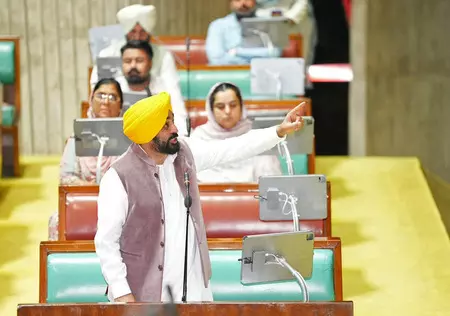
Punjab Assembly passes resolution for uninterrupted public welfare schemes
Digital Desk | Chandigarh, Oct 27 (IANS) To protect the socio-economic rights of lakhs of families across the state, the Punjab Vidhan Sabha on Tuesday unanimously passed a comprehensive resolution affirming that the public welfare schemes and direct financial entitlements of the people of the state shall continue uninterrupted. Moved on the floor of the House by Finance Minister Harpal Cheema, the resolution firmly established that the resources of Punjab belong to its people, and the foremost duty of an elected government is to deploy those resources to provide financial dignity, quality healthcare, and essential household relief. The House categorically rejected attempts to label public welfare spending as a waste of money. Moving the resolution, Cheema said, Direct assistance provides critical relief to mothers managing monthly household budgets, farmers cultivating fields, and families confronting unexpected medical crises. The Assembly affirmed that public support reinforces citizen dignity, self-respect, and economic independence rather than diminishing it. The resolution highlighted key achievements of the Bhagwant Mann government that have transformed daily living standards across the state. For womens financial independence, over 80 lakh mothers and daughters are registered under the Mukh Mantri Mawan Dhiyan Satkar Yojana, receiving Rs 1,000 per month for the general category and Rs 1,500 per month for eligible Scheduled Caste women. In addition, women undertake over 1 crore free journeys each month on state-run buses, while the Ashirwad Scheme provides Rs 51,000 for the marriage of eligible daughters. In household and agricultural energy relief, the provision of 300 units of free domestic electricity per month has eliminated power bills for more than 90 per cent of households since 2022. Free power for agricultural tube-wells continues to support lakhs of farming households. For universal healthcare access, the Mukh Mantri Sehat Yojana provides health treatment coverage of up to Rs 10 lakh per family annually. A network of 1,244 Aam Aadmi Clinics has already served around 2 crore patients, drastically lowering out-of-pocket medical expenses. Social security pensions of Rs 1,500 per month support 30 lakh senior citizens, widows, destitute persons, and persons with disabilities. Under the Meri Rasoi Yojana, 40 lakh families receive essential food supplies free of cost every quarter, while nearly seven lakh elderly citizens have completed free spiritual journeys under the Mukh Mantri Tirath Yatra Yojana. Calling on all political parties to end ambiguity and declare their stand clearly to the people of Punjab, the resolution noted that withdrawing these benefits would directly deprive households of funds required for basic food, healthcare, and education.
Let them lose security deposits: Punjab CM Mann targets Rahul Gandhi ahead of Sangrur rally
Punjab Chief Minister Bhagwant Mann criticised Congress leadership in anticipation of Rahul Gandhi's rally. He noted that previous Congress campaigns resulted in heavy losses in the region. Mann humorously referred to a recent event showing disunity within the party and its lack of progress. He expressed support for improved relations with Pakistan while mentioning the upcoming Gurpurab of Guru Nanak.

Punjab CM Mann predicts Congress will lose security deposits ahead of Sangrur rally
The News Mill
Army Man Among Seven Arrested In Punjab Arms, Drug Bust
Amritsar Rural Police have dismantled four illegal arms and narcotics supply networks, arresting seven individuals, including an Army soldier. The operations led to the recovery of 14 sophisticated pistols and over 20 kg of heroin, with investigations pointing to foreign-based handlers facilitating cross-border smuggling.
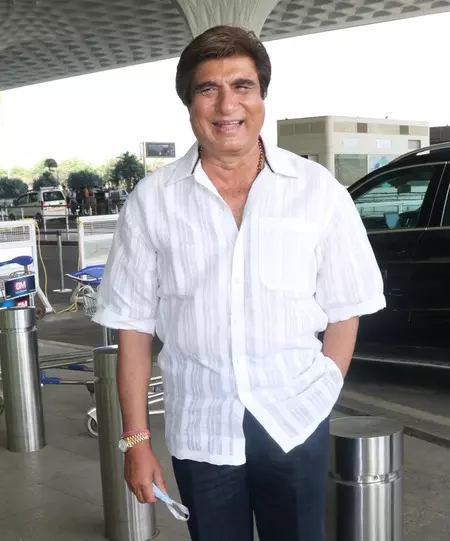
Raj Babbar visits Golden Temple with family, talks about growth of Punjabi cinema
Digital Desk | Mumbai, Oct 27 (IANS) Actor and senior political leader Raj Babbar visited the Golden Temple with his family. During his visit, he spoke about the growth of Punjabi cinema and hinted at a possible upcoming project in the regional film industry. Speaking about his visit to the revered shrine, Raj told media that coming to the Golden Temple was a matter of divine calling. Today is a very important day because Babaji has called us here, and we have arrived. I have come here to pay obeisance at the holy shrine, he said. The Ghayal actor added that he tries to visit the shrine at least once a year and feels a deep sense of peace whenever he comes here. Talking about Punjabi cinema, Raj Babbar praised the industry's progress and its focus on strong storytelling. He expressed happiness over the quality of work being produced and hinted that he could soon be associated with a Punjabi film project. The Punjabi industry is doing very well. We are doing good work and making good stories. Very soon, we will also do some work, he said. Raj Babbar also spoke about his strong connection with Punjab, highlighting the role his roots have played in shaping his identity in the Hindi film industry. For the visit, the veteran actor wore a black shirt paired with jeans and covered his head with a white cloth as a mark of respect at the Golden Temple. Interestingly, Raj Babbar, who was born into a Punjabi family, completed his graduation from Agra College before training at the National School of Drama in New Delhi. Over the years, he has also been associated with Punjabi cinema. Babbar featured in Pollywod films such as Chann Pardesi, Long Da Lishkara, Shaheed Udham Singh, Ek Jind Ek Jaan, and Apni Boli Apna Des.

Punjab CM celebrates hosting Asian Champions Trophy in Jalandhar
The News Mill

Digital Desk | New Delhi, Oct 27 (IANS) The Punjab and Haryana High Court, hearing a petition filed by Boxing Federation of India (BFI) President Ajay Singh, on Tuesday directed suspended BFI Secretary General Pramod Kumar to keep the General Body meeting scheduled for October 28 in abeyance until the next hearing on November 13. The order comes after World Boxing, the sport's world governing body, in an email dated October 23, emphasised that any General Meeting of a National Federation must be convened and conducted in accordance with the applicable constitution. Justice Tribhuvan Dahiya on Tuesday issued notice of motion for November 13 in BFI Presidents petition, which challenges a notice dated October 8 proposing a no-confidence motion against him and convening a General Body meeting for that purpose. In the meanwhile, the second respondent is directed to keep the General Body meeting in abeyance till the next date of hearing, the court said in its October 27 order. The order records the petitioners contention that the BFI constitution permits the Presidents removal only through a no-confidence motion supported by at least three-fourths of the General Body members at a meeting specially convened for the purpose. It also records his contention that a Special General Meeting can be convened only by the President or upon a request from two-thirds of the Executive Committee members. BFI has cited Clause 33 (ii), under which the President may call a Special General Meeting (SGM) at his discretion or must cause one to be convened within 30 days following a written request from two-thirds of the Executive Council members. In this case, none of these conditions were met, rendering the purported meeting called by the erstwhile Secretary General unlawful. The Federation also cited Clause 26 (iii), which provides for the Secretary General to convene General Council and Executive Council meetings only under the Presidents advice. BFI has also referred to the powers of the President to suspend under Clauses 24 (xvi), 24 (xxviii) and 24(xxxvi), alongside procedural safeguards. Clause 30 separately provides for the power of the President to suspend Executive Committee members, subject to requirements concerning a hearing, written reasons, ratification and appeal. BFI has urged all members to take pride in Indias glorious success in our sport. It also requests members to follow the constitution of the BFI and comply with the orders of the Honble High Court. BFI believes that members must desist from distractions and focus on Indian boxings dream of Olympic glory.
EC orders transfer of key officers in 5 poll-bound states
The Election Commission has directed five states - Goa, Manipur, Punjab, Uttar Pradesh, and Uttarakhand - to transfer officers involved in election work ahead of the 2027 assembly polls. This move, a standard practice for fair elections, targets officers in their home districts or those completing three years in a district by May 2027, covering various administrative and police roles.
Court Stays BFI Meeting Amidst Leadership Tussle
The Punjab and Haryana High Court has directed the suspended Boxing Federation of India (BFI) secretary general, Pramod Kumar, to postpone a General Body meeting until November 13. This decision follows a petition by BFI president Ajay Singh, who challenged a no-confidence motion against him, arguing the meeting was unlawfully convened as per the BFI constitution.
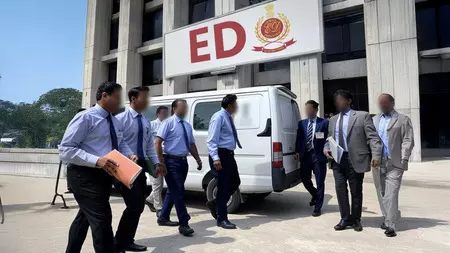
Dunkey route case: ED arrests Delhi-based ticketing agent
Digital Desk | New Delhi, Oct 27 (IANS) The ED arrested a Delhi-based ticketing agent involved in money laundering linked to US-deported Indians who crossed the borders of several South/Central American countries illegally through dangerous routes with the help of local donkers and the mafia, also known as the Dunkey Route Case, an official said. The Directorate of Enforcement (ED), Jalandhar Zonal Office, arrested ticketing agent Tarun Khosla on October 23 under the provisions of the Prevention of Money Laundering Act (PMLA), 2002, the official said in a statement. The action was taken in the Dunkey Route Case relating to Indians deported from the US in February 2025. Khosla has been sent to ED custody till October 30 at a Special PMLA Court, the statement said. Investigation has revealed that Khosla was a key facilitator of the Dunkey Route network. He has been involved with multiple agents from Punjab and Haryana who used to collect passports and money from the persons wishing to go to the US and handed them over to him in Delhi, the ED said. He then arranged visas and air tickets to transit countries in South America such as Guyana, Suriname, Ecuador and El Salvador, and further facilitated movement of such persons towards the US border using illegal and dangerous routes, the ED said. He was a key decision-maker on routes and pricing for each person travelling through the Dunkey Route, he said. The ED investigation was initiated based on various FIRs registered by Punjab Police and Haryana Police under various sections of BNS, 2023 (erstwhile IPC, 1860), the Emigration Act, 1983 and after more than 300 Indian nationals were deported from the US for illegally entering the country through the Mexico border. The ED probe revealed that persons wishing to go to the US were induced by agents and middlemen on the false promise of sending them through legal channels, and were instead sent through the Dunkey route on payment of Rs 30 lakh to Rs 60 lakh. Earlier, searches were conducted in this case on July 9, 2025 and July 11, 2025 at 19 locations wherein incriminating documents, records and digital devices and materials were found and recovered, including bogus immigration stamp and bogus visa stamp about Nicaragua and Ethiopia, the ED said. On December 15, the ED had provisionally attached movable and immovable properties worth Rs 5.41 crore, including agricultural land, residential premises, business premises and bank account balances, derived out/equivalent to the Proceeds of Crime generated by various agents who were involved in sending persons to the US illegally. Subsequently, the ED had carried out searches at multiple locations across Punjab, Haryana and Delhi on December 18, 2025 and December 19, 2025, during which cash of Rs 4.62 crore, gold bars and coins weighing about 5.9 kg and silver bars weighing about 313 kg (total values amounting to Rs 19.14 crore), besides incriminating documents and digital devices, were seized from the premises of said Tarun Khosla. In addition, over 50 original passports of third parties, diaries, records of transactions, property documents and digital devices were also recovered from other premises, said the ED. Investigation has revealed that Khosla was a key player in the Dunkey Route network. Data retrieved from his mobile phones revealed his incriminating chats indicating that he acted as an immigration-clearance fixer, said the ED. His chats with an international contact reveal on-ground coordination at foreign airports, including collection of money for immigration clearance, facilitation of tickets, handling of passengers, and payments in dollars, it said. Instructions such as OK to Board endorsements and coordination with airline/immigration personnel further established his operational control over transit arrangements, the ED said. The investigation revealed that Khosla used to make arrangements for sending persons to the US through the illegal Dunkey Route. He arranged VISA clearance for South American countries, arranging fake/forged yellow fever vaccination certificates, booking tickets, and handling the donkers. He had chats with foreign donkers such as Mike in Mexico, Ali in Brazil and another contact in Mexico Kristi, who used to manage donkers in respect of crossing of persons through the Dunkey Route and related payments, the ED said. Cash deposits to the tune of Rs 30.38 crore through 414 cash-credit transactions were found during FY 2022-23 to FY 2024-25 in the bank account of his proprietorship firm BJ International, the ED said.
Punjab Passes Resolution Demanding Payments From Rajasthan, Eyes Supreme Court Over Yamuna
Enjoy The New Punjabi Music Video For 'Thumka' By G Deep
Enjoy the Punjabi Indipop track 'Thumka' by G Deep. The song is sung, composed and written by G Deep, bringing together energetic beats and a vibrant Punjabi pop vibe. The music video is directed by Ankur Chaudhry and produced by Real G Productions. Remastered and re-uploaded in stunning 8K resolution by Times Music, 'Thumka' offers an enhanced viewing experience. Watch the 8K music video and explore the latest Punjabi songs, new Punjabi songs, Punjabi pop music, Indipop songs and more at ETimes - Times of India Entertainment.
Enjoy The New Punjabi Music Video For 'Sharara' By Jigar
Enjoy the latest Punjabi song 'Sharara' sung by Jigar, with music composed by N Vee and lyrics penned by Kaptaan. The music video features Geet Goraaya as the female lead and has been directed by Yug, with presentation by Deepak Kumar. Released under the Times Music label, 'Sharara' brings energetic beats and vibrant Punjabi pop vibes. Watch the lyrical video of 'Sharara' and explore the latest Punjabi songs, new Punjabi songs of 2026, Punjabi pop music, Jigar songs and more at ETimes - Times of India Entertainment.

Singer-songwriter and actor Guru Randhawa has released his new Punjabi single, So What, featuring Anjini Dhawan in the music video. Released by Saregama, the track is available across major streaming platforms and brings together a high-tempo musical arrangement, Punjabi lyrics and a visual setting centred on the Sambhar Lake desert. The music video moves away from conventional studio-style sets, using the landscape of Sambhar Lake to establish a grunge-inspired visual aesthetic. Anjini Dhawan features alongside Guru Randhawa, with the video incorporating choreography and a series of stylised sequences. The makers have also highlighted a hook step as one of the tracks key visual elements. So What is performed by Guru Randhawa, Kiran Bajwa, Rony Ajnali and Shevv. The lyrics have been written by Guru Randhawa, Gill Machhrai and Rony Ajnali, while the composition is credited to Guru Randhawa, Gill Machhrai, Rony Ajnali and Shevv. The song centres on an attitude of carefree confidence, using the phrase So What as its recurring refrain. Speaking about the release, Guru Randhawa said, I always strive to deliver something unexpected with every release. 'So What' is an energetic, infectious track designed to stay with you long after the first listen. Working alongside Anjini Dhawan to bring this visually striking world to life was a fantastic experience, and I think the final result speaks for itself. Anjini Dhawan also spoke about her experience working on the music video, describing the shoot as a memorable experience shaped by the location and the people involved. Honestly, this shoot holds a special place in my heart. The beautiful location, Gurus incredible energy and the warmth and passion of the entire crew made every moment so memorable. Im genuinely grateful to have been a part of this experience and to have shared it with such wonderful people. Right from day one, I had a feeling that So What would be something special for me as an artist. Im taking back so many lovely memories from this one, and its something Ill cherish for a very, very long time. With So What, Guru Randhawa adds another Punjabi pop release to his recent musical slate. The collaboration brings together the singers performance and songwriting credits with Anjini Dhawans appearance in a video that places the tracks choreography and visual setting at the centre of its presentation. Also Read: Guru Randhawa announces The Sirra Era Live In Concert in Delhi on December 12; details inside
Abhishek Sharma considers Yuvraj Singh his guru. Over the last few years, Abhishek has often found guidance from the great all-rounder. Both hail from Punjab and possess an aura of invincibility

Punjab Assembly: Stopped from entering House, Congress MLAs allege; stage protest
Later, AAP MLA Kuldeep Singh Dhaliwal sought action against the Congress MLAs, accusing them of pushing him while entering the House. An atmosphere of 'gundagardi' (hooliganism) is prevailing outside the House, he alleged

'I Manifested This Innings': Abhishek After 113-run Carnage; Opens Up On Yuvraj's Message
T20 World Cup: Abhishek Sharma credited preparation behind his masterful knock of 113 from 38 balls during the third T20I against New Zealand, which the Southpaw stated he manifested to play. Abhishek slammed his 11th T20 hundred to help India hunt down 199 in just 13.2 overs as the Men in Blue took an unassailable 3-0 lead in the five-match series. The Punjab batter and Vaibhav Sooryavanshi (45 from 19 balls) scored a record 118 runs in the powerplay, which is now the most by any team in the world, to set up a brilliant platform for a six-wicket win. Speaking after being adjudged Player of the Match, Abhishek opened up on his knock, his time with Sooryavanshi in the middle, preparation behind such knocks and also on a special message from his mentor, Yuvraj Singh. I think the key was pretty simple. It was just me and Vaibhav, just going to enjoy there for a bit, especially in the powerplay. And especially when we were fielding, we were observing the pitch a bit because of this extra bounce. But I feel the dimensions of the ground, we could use the powerplay, and we could use their pace as well. So that was the easy plan, he told broadcasters after the game. Wellington had different conditions as compared to Christchurch, with the venue being windy and having short square boundaries. Abhishek opened up on the backing he gets from the support staff and his preparation, saying, I feel it's not that, I wouldn't say it's that easy, but it's just the preparation behind the scenes. Special mention to our coaches because of the sidearms; we've been playing them a lot. Preparation is really important as a batter. If you see the conditions and the dimensions, that's always in your mind, and then you have to keep the bowlers also in your mind and play the shots according to the bowlers. And that's all I do. We had a good practice session yesterday, and I just wanted to utilise it, and that's what I did. And I feel I pretty much manifested this innings, and it happened, he added. The Southpaw hit a fifty off just 15 balls and a hundred from 35 balls, as Yuvraj Singh had a cheeky post for his student on social media. Yuvraj asked Abhishek to break his India record for the fastest T20I fifty, which came off just 12 balls during that ever-memorable six-sixes game against England in the T20 World Cup 2007. You still cant get 50 off 12, can you, Abhishek Sharma! Looks like two left-handers batting in their backyard! Yuvraj wrote on X. Abhishek was asked about the post, to which he hailed Yuvraj for having played such knocks in the past. I've said this before as well. I don't know what cricket he was playing back at that time, but it's not that easy at all. And I would say if any batter wants to go there and bat like that, it's not easy at all. You can't just go and score 50 off 12 balls. It just happens once in a while. But, obviously, as a batter, we don't go for that milestone. We always want to win the game for the team, me and especially Vaibhav. He's here. So that was the plan, and that's what we want to take throughout the series as well, and it went well, he concluded. Abhishek was asked about the post, to which he hailed Yuvraj for having played such knocks in the past. I've said this before as well. I don't know what cricket he was playing back at that time, but it's not that easy at all. And I would say if any batter wants to go there and bat like that, it's not easy at all. You can't just go and score 50 off 12 balls. Also Read: Special Cricket Stories Article Source: IANS

Election Commission Orders Transfers of Officials in Five States Ahead of 2027 Elections
The Election Commission has mandated transfers of officials in five states, including Uttar Pradesh and Punjab, ahead of upcoming elections. Election Commission Orders Transfers of Officials in Five States Ahead of 2027 Elections

Khalra Mission Demands Impartial Probe into Alleged Genocide of Punjab
The Khalra Mission Organisation and Human Rights Justice Struggle Committee demanded an impartial probe into Punjabs drug crisis and called for accountability over youth deaths in Mansa. The post Khalra Mission Demands Impartial Probe into Alleged Genocide of Punjabs Youth Through Drugs appeared first on Sikh Siyasat News .
Gurdwara Sikh Centre Frankfurt installed portraits of Bhai Gajinder Singh and Bhai Hardeep Singh Nijjar following its weekly Gurmat Diwan. The congregation paid tribute to their legacy and emphasised the importance of preserving Sikh history for future generations. The post Preserving the Legacy of Warriors and Martyrs Who Struggled for Sikh Freedom Is Our National Responsibility appeared first on Sikh Siyasat News .
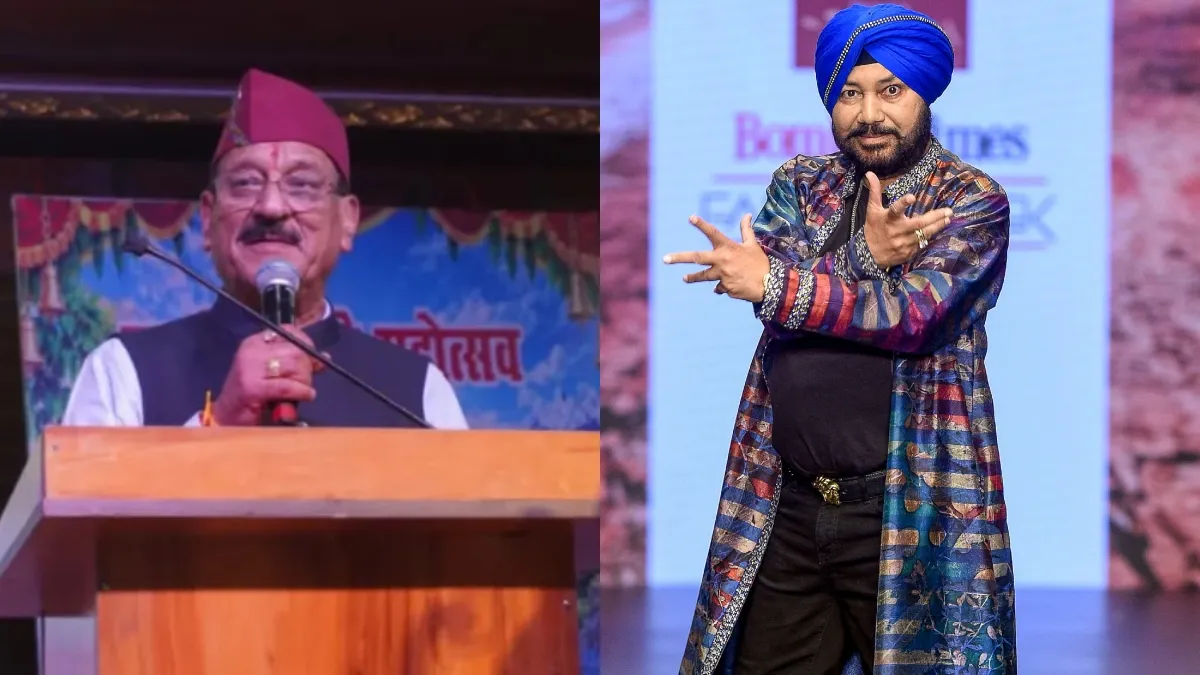
Daler Mehndi controversy flares up again as Subodh Uniyal rejects calls for an apology
The dispute between Uttarakhand Cabinet Minister Subodh Uniyal and renowned Punjabi singer Daler Mehndi at the Kunjapuri Devi Fair has taken a new turn. Amid the controversy over how Daler Mehndi was treated on stage, Minister Subodh Uniyal has flatly refused to offer an apology. He questioned what offence he could possibly have committed that would warrant an apology. Previously, singer Mika Singhs team had claimed that the minister had called Daler Mehndi to apologise. However, the ministers latest statement has brought the matter back into the spotlight.

Indian lenders delay dollar bond sales as hedging costs climb
Canara Bank, Punjab National Bank and Bank of India have shelved planned issuances, while Karur Vysya Bank awaits more favourable pricing
Punjab Government's Top Official Fined Rs 1 Lakh Over Dearness Allowance Dues
The court has directed the Chief Secretary to appear personally before it on November 3 and submit a personal affidavit explaining why its earlier orders have not been implemented.

Punjab and Haryana HC fines Punjab Chief Secretary Rs 1 lakh over DA arrears
The News Mill

Ravneet Singh Bittu accuses Punjab CM Bhagwant Mann of failure
The News Mill
Punjab Chief Minister Bhagwant Mann on Tuesday accused the Congress of creating disruptions in the state Assembly, alleging that the opposition party repeatedly stages walkouts and fails to participate in proceedings despite demanding sessions. His remarks came amid escalating tensions between the ruling Aam Aadmi Party (AAP) and the Congress after Congress MLAs were blocked from entering the Legislative Assembly premises on Tuesday. Speaking to the reporters, Mann said,

Punjab CM Bhagwant Mann accuses Congress of Assembly disruptions
The News Mill
Misl Satluj to Organise Discussion on Sahib Shri Kanshi Ram Ji
Misl Satluj will organise a discussion on Kanshi Ram Jis Vision on October 27 in Chandigarh, focusing on political empowerment, social equality and justice. The post Misl Satluj to Organise Discussion on Sahib Shri Kanshi Ram Jis Vision on October 27 appeared first on Sikh Siyasat News .
WAH TAJ BOLIYE! Diljit Dosanjh brings the desi aura to the world stage!
The singer shared a video celebrating the beauty of the Taj Mahal, captioning it WAH TAJ BOLIYE as he gave a shoutout to the wonders of India. With his Aura India Tour 2026, Diljit continues to bring his signature energy and Punjabi pride to the spotlight.

Mya Mehmi signs with Dialled In Records ahead of Debut EP
ORIGINAL ARTICLE: Mya Mehmi signs with Dialled In Records ahead of Debut EP British-Punjabi artist Mya Mehmi signs with Dialled In Records ahead of the release of her debut EP, 'M1'. The post Mya Mehmi signs with Dialled In Records ahead of Debut EP appeared first on DESIblitz .

Naman Shaw recalls how his understanding of Karva Chauth changed after moving to Mumbai
Digital Desk | Mumbai, Oct 27 (IANS) Actor Naman Shaw has opened up about his memories of Karva Chauth. He revealed that the festival was not widely celebrated during his childhood in Kolkata. He shared that his understanding of the tradition initially came from Hindi films, and it was only after moving to Mumbai and befriending people from North India, especially Punjabis, that he experienced the festival and its celebrations more closely. Speaking about the significance of Karva Chauth and the bond it celebrates between couples, Naman told IANS, I think festivals like Karva Chauth are beautiful because they celebrate love, commitment, and the little things that keep a relationship strong. For me, a relationship is not just about grand gestures; its about being there for each other, understanding each other, and standing by each other through every phase of life. I also love how traditions evolve with time. Today, its increasingly about mutual love and respect, where both partners celebrate their bond in their own way. Reflecting on his personal memories, the Kasamh Se actress revealed that Karva Chauth was not a major festival during his childhood in Kolkata. His initial understanding of the tradition came largely from Hindi films. It was only after moving to Bombay and making friends with people from North India, particularly Punjabis, that he experienced the festival and its excitement more closely. Sharing how his perspective changed after marriage, the actor said, As an actor, I had performed Karva Chauth scenes on television many times, but celebrating it in real life after getting married was a completely different experience. Naman also spoke about how celebrations have transformed over the years. I feel Karva Chauth was earlier more personal and family-oriented. It was about faith, love, and spending that special time together. Today, with social media, I sometimes feel the focus has shifted more towards dressing up, clicking pictures, and showcasing the celebration to the world, he shared. Expressing his preference for simpler celebrations, he added, I personally feel the beauty of any festival lies in what it means to you and your partner, rather than how it looks to others. I miss that simplicity, where the focus was more on feeling and expressing love for each other than on showing it to the world. On the personal front, Naman Shaw is married to Nehaa Mishra, and the couple has a son named Kriivaan. Professionally, Naman Shaw is known for his roles in several popular Hindi television shows, including Kasamh Se, Kyunki Saas Bhi Kabhi Bahu Thi, Kasautii Zindagii Kay, Kasturi and Tashan-e-Ishq. He also appeared as Adit Saxena in Mangal Lakshmi and as Anuj in Kairee Rishta Khatta Meetha, among other shows.

Punjab Speaker Vows Strict Action Against Gun Violence Perpetrators
Punjab Speaker Kuldeep Singh Sandhu pledges no leniency for gun violence offenders during a press briefing in Chandigarh. Punjab Speaker Vows Strict Action Against Gun Violence Perpetrators
Punjabi University Patiala has released the B.Com.L.L.B (Semester-VI) May 2026 result. Check the direct result link, steps to view your result, and answers to common questions.

Jacob & Co has partnered with GB Realty on a proposed 2,4002,500 crore luxury housing project in Mohali. The nine-acre development will feature five towers, three branded by Jacob & Co and two named for Salman Khan.
Sarpanch's Son Shot Dead In Punjab
The son of an Aam Aadmi Party (AAP) sarpanch, Tirath Singh, was shot dead by unidentified assailants outside a gurdwara in Chite Kalan village, Amritsar, on Monday night. Police suspect old enmity as the motive and have identified four suspects. Tirath's friend was also injured in the attack.
Clash between AAP and Congress MLAs at Punjab Vidhan Sabha; Congress leaders stopped at entry
Tensions between Punjab's Aam Aadmi Party and the Congress escalated during a session of the Legislative Assembly. Congress MLAs were blocked from entering, leading to protests and an altercation with AAP members. Leader of Opposition Partap Singh Bajwa condemned the blockade, highlighting the absence of the Speaker's signature on the notice. Congress members burned the ruling party's symbol outside the Assembly to protest government failures.

Congress MLAs blocked from Punjab Assembly, clash with AAP escalates
The News Mill
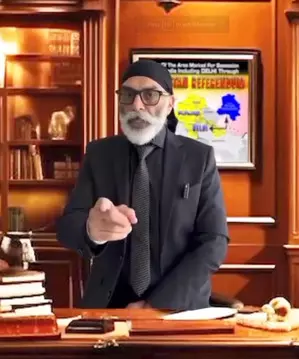
SFJ chief Pannun's protest funding offer under scanner, Punjab youth in focus
Digital Desk | New Delhi, Oct 27 (IANS) Proscribed terrorist and Sikhs for Justice (SFJ) chief Gurpatwant Singh Pannun reportedly announced financial assistance for ongoing protest movements in India, prompting security agencies to launch a thorough investigation into potential foreign interference. There have been allegations and counter-allegations when it comes to foreign funding that have been fuelling protests in India. Although Pannun does not make it clear why he wants to fund the protests, the Indian security agencies are looking into this offer. An Intelligence Bureau official stated that while Pannun routinely issues such statements during domestic agitations, authorities are treating the announcement with utmost seriousness rather than dismissing it as a mere publicity stunt. He had allegedly adopted a similar approach during the farmers protests and now appears keen to get involved in matters concerning the Cockroach Janta Party (CJP). However, Pannuns statement cannot be dismissed as a publicity stunt and needs to be investigated, the official said. Pannun is playing the long game, with the youth of Punjab as his ultimate target. He has been trying to influence and incite young people in the state to join the Khalistan movement. His offer to fund the CJP protests in India could be an attempt to test the waters and gauge the response, the official added. Another official said that if Pannun was indeed attempting to raise funds, it would amount to foreign interference and warrant a thorough investigation. The remarks come amid intelligence inputs flagging an increase in drug trafficking abroad, allegedly aimed at financing groups such as Sikhs for Justice (SFJ), Babbar Khalsa International (BKI) and the International Sikh Youth Federation (ISYF), the official said. Another official said Pannun wants to see what kind of traction he would get by interfering with the ongoing protests. The larger game is Punjab, and Pannun is of the view that if he gains traction with the youth of the ongoing protests, he could replicate the same in Punjab as well, the official said. With the Punjab Assembly elections approaching, youth-related concerns are likely to figure prominently in the political debate. Several surveys have highlighted the problems faced by young people in the state. For first-time voters and other young electors, unemployment, drug abuse and the lack of adequate opportunities are likely to be among the key issues demanding answers from political parties. These are very serious issues, and if the government in the state fails to act upon them, it could well rile up the youth, and they would eventually end up taking to the streets. This is something that Pannun is looking to capitalise on. He is trying to get the youth on to the streets by offering them morale and financial support. The SFJ chief hopes this could be channelised into anger and frustration, and eventually these youth will join the Khalistan movement on the pretext that the government has failed to live up to their expectations, an official said.
Cyber Hub Molestation Accused Arrested
Gurugram police have arrested Anmol Arora, 27, from Firozpur, Punjab, in connection with the alleged molestation of a woman at Cyber Hub, DLF Phase-2. The incident was reported on October 22, and the arrest was made on Monday following an investigation.
India's aviation landscape is set to soar with the introduction of eVTOL aircraft developed by Nalwa Aero, based in Punjab. This cutting-edge electric transport system will facilitate air taxis, streamline medical evacuations, and enhance cargo delivery. Early flight trials have delivered encouraging outcomes, leading to regulatory movements from the Directorate General of Civil Aviation.

For generations, Punjab was where Kashmiris went to trade, study and heal. Today, those who make the journey travel with caution, struggle to rent rooms and stay wary of drugs and hostility, reports Asrar Syeed Historically, the neighbouring state of Punjab was a place Kashmiri artisans, shawl weavers, and traders travelled to frequently. For most []
Punjab: Man shot dead, friend injured in firing over personal enmity
A man was shot dead and his friend injured after a group of men allegedly opened fire on them in Cheeta village of Amritsar on Monday evening, following a long-standing personal enmity, police said. Amritsar Senior Superintendent of Police (SSP) Kanwalpreet Singh Chahal said the victims, identified as Tirath Singh and Ranjeet Singh, had arrived in the village to offer prayers when they were attacked by a group of men. A shooting incident occurred in a village called Cheeta. An individual named Tirath and a friend of his had arrived to offer prayers when they were attacked by a group of men who opened fire. Seven to eight rounds were discharged; Tirath Singh was struck by a bullet and was pronounced dead upon being taken to the hospital. His friend, Ranjeet Singh, also sustained injuries, Chahal said. The SSP said the police had identified the alleged attackers and were registering a First Information Report (FIR) naming specific individuals. The individuals who carried out the attac...
Delhi records 'moderate' air quality, AQI at 168; toxic foam resurfaces on Yamuna
Delhi recorded an Air Quality Index (AQI) of 168 at 8 am on Tuesday, placing the national capital in the 'moderate' category, according to the Central Pollution Control Board (CPCB), indicating a marginal improvement in air quality. A day earlier, the national capital recorded an AQI of 164 at 7 am on Monday, also falling in the 'moderate' category, showing marginal improvement from the previous week. According to CPCB data, Jahangirpuri recorded an AQI of 251, followed by Rohini at 237 and Punjabi Bagh at 200, Bawana at 216, IIT Delhi at 214, R K Puram at 234, Dwarka-Sector 8 at 223 and IGI Airport (T3) 211 all falling in the 'poor' category. Anand Vihar recorded an AQI of 175, Alipur 197, Patparganj 195, Chandni Chowk 198, NIH Narela 129, JNU 146, and IGNOU Maidan Garhi 150, all falling in the 'moderate' category. To mitigate rising dust pollution levels across the city, anti-smog guns were seen spraying water on Delhi roads. Greater Noida and Noida recorded an AQI of 156 and 143, bo...
'AAP Can't Even Protect Its Own': BJP After Sarpanch's Son Shot In Punjab
The victim's brother, Karaj Singh, has alleged that the attack happened because the family used to raise its voice against drug peddlers.
Punjab Congress' Carpool To Display Unity Turns Into Political Roast
Four top Punjab Congress leaders Partap Singh Bajwa, Charanjit Singh Channi, Raja Warring and Pargat Singh appear squeezed into the rear seat, triggering a wave of sarcastic political commentary

ACT: India want more than just dominance on hockey's Punjab return
ACT: India want more than just dominance on hockey's Punjab return

Punjab Weather Update: Rain, Thunderstorms and Strong Winds Expected on October 29 and 30
Chandigarh, October 27, 2026 (Udaipur Kiran): Punjab is likely to experience dry weather on Tuesday and Wednesday, but the weather is expected to change later this week. According Punjab Weather Update: Rain, Thunderstorms and Strong Winds Expected on October 29 and 30

Amritsar Adorns Itself in Floral Splendour for Sri Guru Ramdas Ji
The holy city of Amritsar is taking on a vibrant festive appearance as elaborate The post Amritsar Adorns Itself in Floral Splendour for Sri Guru Ramdas Jis Parkash Purab appeared first on Khalsa Vox .
From Ball Boy to India Vice-Captain, Hardik Singh
Once a young spectator watching hockey stars from the sidelines, the two-time Olympic medallist The post From Ball Boy to India Vice-Captain, Hardik Singhs Journey Comes Full Circle in Mohali appeared first on Khalsa Vox .
Punjabi-Origin Candidates Make Strong Showing as Conservatives Sweep British Columbia Elections
Candidates of Punjabi origin have made a significant mark in British Columbias provincial elections, The post Punjabi-Origin Candidates Make Strong Showing as Conservatives Sweep British Columbia Elections appeared first on Khalsa Vox .
Experience The New Punjabi Music Video 'Adhi Raat' by Ranjit Bawa
Get ready to be swept away by the latest punjabi track 'Adhi Raat' beautifully sung by Ranjit Bawa. This captivating track feature mesmerizing music given by Jassi X and beautiful lyrics are penned by Jassi Lokha. Don't miss the chance to witness Ranjit Bawa's performance in the captivating punjabi video track 'Adhi Raat'. Dive into a world of musical excellence by exploring more punjabi tracks in the music videos section of punjabi Etimes. Discover the incredible vocal talents of Ranjit Bawa. Indulge in the latest punjabi video tracks of 2026, groove to the soulful compositions by Ranjit Bawa, immerse in the punjabi music video tracks.
Goreyan Nu Daffa Karo | Song - Pyaar Tere Da Asar
Watch the song 'Pyaar Tere Da Asar' from the Punjabi movie 'Goreyan Nu Daffa Karo' starring Amrinder Gill, Amrit Maghera, Yograj Singh. The song is sung by Prabh Gill, with music composed by Jatinder Shah and lyrics penned by Maninder Kailey. To know more about the song 'Pyaar Tere Da Asar' from 'Goreyan Nu Daffa Karo', watch the video. Check out the latest Punjabi songs, new movie songs, trending Punjabi songs and more at ETimes - Times of India Entertainment.
Experience The New Punjabi Music Video 'Rap Killa' by Karan Aujla ft Azaad 4L
Get ready to be swept away by the latest punjabi track 'Rap Killa' beautifully sung by Karan Aujla ft Azaad 4L. This captivating track feature mesmerizing music given by Karan Aujla ft Azaad 4Land beautiful lyrics are penned by Karan Aujla ft Azaad 4L. Don't miss the chance to witness Karan Aujla ft Azaad 4L's performance in the captivating punjabi video track 'Rap Killa'. Dive into a world of musical excellence by exploring more punjabi tracks in the music videos section of punjabi Etimes. Discover the incredible vocal talents of Karan Aujla ft Azaad 4L. Indulge in the latest punjabi video tracks of 2026, groove to the soulful compositions by Karan Aujla ft Azaad 4L, immerse in the punjabi music video tracks.
Experience The New Punjabi Music Video 'By Face' by Maani Bhat & Shiva Choudhary
Get ready to be swept away by the latest punjabi track 'By Face' beautifully sung by Maani Bhat & Shiva Choudhary. This captivating track feature mesmerizing music given by Salaar and beautiful lyrics are penned by Salaar. Don't miss the chance to witness Maani Bhat & Shiva Choudhary's performance in the captivating punjabi video track 'By Face'. Dive into a world of musical excellence by exploring more punjabi tracks in the music videos section of punjabi Etimes. Discover the incredible vocal talents of Maani Bhat & Shiva Choudhary. Indulge in the latest punjabi video tracks of 2026, groove to the soulful compositions by Maani Bhat & Shiva Choudhary, immerse in the punjabi music video tracks.
Punjab Assembly to take up 5 resolutions on water rights, dams and Rajasthan dues
Rahul Gandhi to Launch Congress' Mission 2027 from Bhagwant Mann's Home Turf
Punjab Congress chief Pargat Singh announced that Rahul Gandhi will initiate a fresh phase of the party's election preparations from Malwa

The ongoing fallout from Bigg Boss 20s latest Weekend Ka Vaar episode has triggered widespread debate across social media, with television actor Kamya Punjabi and contestant Love Gills official team speaking out against double standards and character assassination. The controversy erupted after host Rohit Shettystepping in for Salman Khanand ScoutOPs girlfriend, gamer Kaashvi Hiranandani, confronted [] The post Bigg Boss 20: Kamya Punjabi and Love Gills Team Slam Double Standards Following ScoutOP and Kaashvi Hiranandani Row appeared first on Pragativadi I Latest Odisha News in English I Breaking News .
Punjab records 103 farm fires, seasons tally reaches 684
Bury differences: Venugopal warns Punjab Cong against indiscipline ahead of polls

PNB account holders alert! These accounts will be closed after November 10 - here is why
Punjab National Bank will close certain inactive, zero-balance accounts after November 10, 2026. Customers who have not operated their accounts for over three years must complete KYC and reactivate them before the deadline to avoid closure.
Asian Champions Trophy Hockey: India Aims For Sixth Title
International hockey returns to Punjab as red-hot India prepare to defend their title at the men's Asian Champions Trophy (ACT) 2026, which begins in Jalandhar on October 27

CSK Part Ways With Batting Coach Michael Hussey Ahead Of IPL 2027 Auction
Chennai Super Kings: Chennai Super Kings (CSK) have announced that they have parted ways with batting coach Michael Hussey ahead of the Indian Premier League (IPL) 2027 auction. The development ends the former Australian batters long association with the five-time champions. Hussey had been CSKs batting coach since 2018, after ending his playing career. The franchise confirmed his exit on Monday with a tribute on its social media handles. From the very first season in 2008, you have been an integral part of the Chennai Super Kings family. Your journey in Yellow has been defined not just by the runs you scored and the players you mentored, but by the dedication, humility, and unwavering commitment you brought to this franchise over the years. Your place in our history will forever remain special, Hussmeister. Once a Super King, always a Super King, said CSK in its post. Husseys departure is part of a wider overhaul of the coaching staff that the franchise has undertaken ahead of the 2027 IPL season, after missing the 2024, 2025 and 2026 playoffs. Head coach Stephen Fleming has already been replaced by former India pacer Zaheer Khan, while bowling coach Eric Simons has made way for ex-India and CSK pacer Mohit Sharma. Simons and ex-CSK fielding coach James Foster have joined the England Test team, where the head coach is Stephen Fleming, who left as the franchises head coach after 18 years. CSK are yet to name Husseys successor, though former England off-spinner and Surrey head coach Gareth Batty is joining them as an assistant coach. Hussey enjoyed a successful stint with CSK as a player, scoring 1,768 runs across six seasons. He joined the franchise in 2008, skipped the 2009 edition, and then played four straight seasons from 2010 to 2013. After a year with Mumbai Indians in 2014, he returned to CSK in 2015 and then took over as batting coach in 2018, as the side won the title that year before winning the championship again in the 2021 and 2023 seasons. It remains to be seen if Hussey will join another IPL teams coaching staff, especially with five-time winners Mumbai Indians and two-time runners-up Punjab Kings having coaching vacancies. After a year with Mumbai Indians in 2014, he returned to CSK in 2015 and then took over as batting coach in 2018, as the side won the title that year before winning the championship again in the 2021 and 2023 seasons. Also Read: Special Cricket Stories Article Source: IANS
Punjab Man Found Dead With Syringe Stuck In Hand, Drug Overdose Suspected
The incident once again brought drug abuse in the state into focus and drew criticism from opposition leaders against the Aam Aadmi Party government.

Ranji Trophy: Badoni Slams Second Successive Ton, Saranshs Seven-for Puts MP On Top
JSCA International Stadium: Batting all-rounder Ayush Badoni continued his rich vein of form by hitting a second consecutive hundred, while India off-spinner Saransh Jains seven-wicket haul gave Madhya Pradesh firm control on day one of the third-round Ranji Trophy matches on Monday. Fresh from a career-best 217 against Gujarat, Badoni struck an unbeaten 106 off 122 balls, laced with 11 fours and two sixes, to take Delhi to 309/5 against Jharkhand at the JSCA International Stadium in Ranchi. Badoni, 26, previously hit 205 against the same opponents in the 2024/25 season. A chanceless knock, Badonis sixth first-class hundred, anchored Delhis recovery. He found a reliable ally in all-rounder Sumit Mathur, who was unbeaten on 50, as the pair put together an unbroken 128-run stand for the sixth wicket. Mathur had a lucky escape on 36 when he was caught at long-on, only to be recalled because Anukul Roy had overstepped. At Holkar Stadium in Indore, Saranshs 7-40 helped Madhya Pradesh bowl Bihar out for just 99. The hosts, still looking for their first win of the season after two draws, then reached 261/3 with a lead of 162, after bowling out Bihar for 99. Wicketkeeper-batter Saksham Purohit was unbeaten on 113, and his opening partner Yash Dubey made 84. At the BKC Ground, Mumbai also made a strong start against Haryana at home after being put in to bat first. Angkrish Raghuvanshi made 114 off 180 balls with 13 fours and a six, while Musheer Khan scored 109 off 185 balls with 12 fours and a six. The pair added 208 runs for the second wicket to steer Mumbai to 290/3 at stumps. Defending champions Jammu and Kashmir, also in search of their first win, were frustrated by Priyanshu Moliya at the Reliance Ground in Vadodara. Moliyas patient unbeaten 113 lifted Baroda to 259/6 after they had slipped to 197/6 at one stage. Vidarbha, who have two wins so far, had Goa in trouble at 84/6 after Nachiket Bhute ripped through the top order with four wickets. But Darshan Misal and Yash Kasvankar then struck half-centuries and shared a stand of 104 runs for the seventh wicket to help the visitors reach 204/8. On a rain-hit day, Pondicherry reduced Uttar Pradesh to 67/4. In Mysuru, Karnataka recovered from a sluggish start to bowl Tripura out for 194 at the SDNR Wadiyar Stadium. The hosts, who sprang a surprise by leaving out pacers Vidwath Kaverappa and Abhilash Shetty to accommodate spinners Shikhar Shetty and Ritesh Bhatkal, failed to make use of the new ball as Tripura moved comfortably to 88/2 in the first session. Left-arm spinner Shikhar then claimed his third first-class five-wicket haul, while pacer Manvanth Kumar took three. Karnataka lost Mayank Agarwal early and were 10 for one at stumps. At the DVR Ground in Mulapadu, Chhattisgarhs spinners made full use of a helpful pitch to bowl Andhra out for 231. Veteran off-spinner Jayant Yadav led the way with 4-75, while Ajay Mandal and Dharmendrasinh Jadeja took three and two wickets respectively. In reply, Chhattisgarh lost Ayush Pandey early when he was run out going for an unnecessary quick single. Captain Anuj Tiwary and Mayank Verma then negotiated the final half-hour to take the visitors to 35/1. Wicketkeeper-batter Prabhsimran Singh laid the foundation with 81 off 126 balls, hitting nine fours and a six, while fifties from Salil Arora and Ramandeep Singh then guided Punjab to 289/6 against Hyderabad in Secunderabad. Denish Das made 90 off 165 balls, with 14 fours, to take Assam to 235/6 against Saurashtra in Rajkot. For the hosts, veteran pacer Jaydev Unadkat picked up three wickets, while Ravindra Jadeja and Arth Yadav took one wicket each. In Thiruvananthapuram, where only 50 overs were possible due to rain, Kerala reduced Bengal to 172/6, with Aditya Sarwate taking three wickets and Nedumankuzhy Basil two scalps. Maharashtra bowled out Gujarat for 233 in Pune, with Siddhesh Veer taking four wickets, while Rajvardhan Hangargekar and Vicky Ostwal claimed three apiece. Maharashtra were 24/1 when stumps were called. Services off-spinner Pulkit Narang returned 6-47, his second five-wicket haul of the season, to bowl Odisha out for 194 in Bhubaneswar. The visitors were 13/0 at stumps. Tamil Nadu bowled out Railways for 184 in Chennai, with R Sai Kishore and Sonu Yadav taking three wickets each, but slipped to 71/3 till stumps arrived. Devendra Singh Boras six-wicket haul helped Uttarakhand dismiss Rajasthan for 272 in Dehradun despite skipper Kartik Sharmas 73. Uttarakhand were 18/0 at stumps. Centuries from Arjun Azad and Nehal Pajni powered Chandigarh past 350 for the loss of three wickets against Himachal Pradesh. In the Plate group, Meghalayas Ajay Duhan (167) and Kishan Lyngdoh (144) shared an unbroken 308-run stand for the second wicket as their side piled up 385/2 against Mizoram in Nadiad. Tamil Nadu bowled out Railways for 184 in Chennai, with R Sai Kishore and Sonu Yadav taking three wickets each, but slipped to 71/3 till stumps arrived. Devendra Singh Boras six-wicket haul helped Uttarakhand dismiss Rajasthan for 272 in Dehradun despite skipper Kartik Sharmas 73. Uttarakhand were 18/0 at stumps. Also Read: Special Cricket Stories Article Source: IANS

Bigg Boss 20: Kamya Punjabi backs Love Gill amid ScoutOP row, says 'Hold him accountable'
Kamya Punjabi has weighed in on the ongoing controversy surrounding Bigg Boss 20 contestants Love Gill and ScoutOP. The actor questioned why Love is being blamed for her growing bond with Scout, who is in...

Bhagwant Mann Launches 100 Mini-Buses For Rural Punjab As 309 More Buses Set To Arrive Next Month