




IndiGo ChinaKolkata Flight Makes Emergency Landing in Agartala
Prompt cockpit decision-making and swift airport medical coordination helped avert a serious mid-air health crisis on Tuesday, November 24, 2026, when an IndiGo flight operating from Shanghai, China, to Kolkata (Flight 6E 1842) made an unscheduled emergency landing at Maharaja Bir Bikram (MBB) Airport in Agartala, Tripura, after a passenger aboard suddenly fell gravely ill. According to officials of the Airports Authority of India (AAI), the international flight touched down safely in Agartala at approximately 8:50 AM IST after cabin crew alerted the pilots that a traveleridentified as a Delhi residentrequired urgent clinical intervention. Ground medical teams and ambulance units positioned on standby at Agartala Airport immediately evacuated the ailing passenger from the tarmac and shifted him to a private healthcare facility on the outskirts of Agartala city for prompt stabilization and treatment. Once the passenger received emergency medical care and clearance was completed, the IndiGo aircraft resumed its onward journey to Netaji Subhas Chandra Bose International Airport in Kolkata roughly two hours after landing in Agartala. For international flyers, frequent business travelers, and families across northern Indiaincluding passengers connecting via Lucknow, Kanpur, Unnao, Prayagraj, Varanasi, and New Delhi on international East Asia routesthe incident highlights both the vital role of India's northeastern gateways as emergency diversion hubs and the readiness of Agartala's modern airport infrastructure. Timeline of Tuesday's Medical Diversion at Maharaja Bir Bikram Airport Aviation and airport authorities coordinated seamlessly from the moment the mid-air medical alert was relayed to Air Traffic Control in Agartala: Flight & Operational Stage Key Details (Tuesday, November 24, 2026) Flight Route & Carrier IndiGo international service (6E 1842) flying from Shanghai (PVG), China, to Kolkata (CCU). Nature of Emergency A Delhi-based passenger experienced sudden mid-air health deterioration requiring immediate hospital attention. Touchdown & Evacuation Aircraft diverted and landed safely at Maharaja Bir Bikram Airport, Agartala around 8:50 AM IST; patient shifted rapidly to a private hospital on the outskirts of Agartala. Onward Departure After medical assistance and turnaround formalities, the aircraft departed Agartala roughly two hours later for its scheduled destination in Kolkata. Maharaja Bir Bikram Airport: Northeast India's Second-Busiest Hub and Push for International Flights Tuesday's smooth handling of a diverted international flight has once again spotlighted the modern capabilities of Maharaja Bir Bikram Airport, which ranks as the second-busiest airport in Northeast India after Guwahati's Lokpriya Gopinath Bordoloi International Airport, having handled approximately 15 lakh (1.5 million) passengers during FY 202526. Inaugurated by Prime Minister Narendra Modi on January 4, 2022, the airport's 438-crore new integrated terminal spans 30,000 square metres and is specifically engineered to process both domestic and international passengers simultaneously during peak hours. Tripura Chief Minister Manik Saha and Transport Minister Sushanta Chowdhury have repeatedly urged the Union Civil Aviation Ministry to launch regular international flights from Agartalanoting that while Guwahati and Imphal (Bir Tikendrajit International Airport) currently hold full international status in the Northeast, Agartala already possesses customs, immigration, and terminal readiness. Historical Legacy: From 1942 Royal Air Force Base to Maharaja Bir Bikram Airport Located roughly 20 km north of Agartala city and formerly known as Singarabil Airport, the airfield was constructed in 1942 on land donated by Tripura's visionary ruler Maharaja Bir Bikram Kishore Manikya Bahadur and served as a strategic Royal Air Force (RAF) technical base during World War II. In July 2018, the Union government officially renamed the facility Maharaja Bir Bikram Kishore Manikya Bahadur Airport in honor of the architect of modern Tripuraan airport that on Tuesday proved indispensable in safeguarding a passenger's life mid-journey.
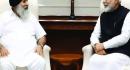
PM Modi Hails SADBJP Alliance in Punjab: 'It Has Stood the Test of Time'
Prime Minister Narendra Modi warmly welcomed the Shiromani Akali Dal (SAD) back into the National Democratic Alliance (NDA) on Tuesday, November 24, 2026, hailing the revived SADBJP partnership ahead of the 2027 Punjab Legislative Assembly elections as a natural bond nurtured by veteran statesmen Atal Bihari Vajpayee, Lal Krishna Advani, and Sardar Parkash Singh Badal. Posting on social media platform X shortly after senior leaders of both parties formally sealed the reunion in New Delhi, the Prime Minister underscored the symbolic timing of the announcement on the auspicious birth anniversary of Sri Guru Nanak Dev Ji (Gurpurab). Putting the welfare of Punjab and Punjabis above all else! I am very happy that the Shiromani Akali Dal is returning to the NDA family, and that too on the auspicious occasion of the birth anniversary of Sri Guru Nanak Dev Ji, PM Modi wrote, adding that the historic partnership has stood the test of time and will deliver pro-people governance that takes Punjab to new heights of progress. The reunion brings an end to a six-year political rupture that began in September 2020, when the Akali Dal snapped its 24-year-old coalition with the BJP over the Centre's three agricultural laws that were later repealed. For political observers, party workers, and citizens across northern Indiaincluding readers in Lucknow and neighboring Uttar Pradesh cities such as Unnao, Kanpur, Prayagraj, and Varanasi, where NDA coalition building and regional political realignments ahead of the 2027 assembly election cycle draw intense national attentionPM Modi's personal endorsement signals full central backing for the revived Punjab front. Inside the New Delhi Announcement: Amit Shah Names Akali Dal 'Elder Brother' for 117 Seats Earlier on Tuesday afternoon, the alliance was formally unveiled at a joint press conference at the BJP Central Office on Deen Dayal Upadhyaya Marg in New Delhi, attended by Union Home Minister Amit Shah, BJP National President Nitin Nabin, and Shiromani Akali Dal President Sukhbir Singh Badal: Key Alliance Parameter Details Announced at BJP Headquarters, New Delhi (Nov 24, 2026) Electoral Scope BJP and Shiromani Akali Dal will jointly contest all 117 assembly constituencies in the upcoming 2027 Punjab Legislative Assembly elections. Leadership & Chief Ministerial Formula Amit Shah clarified that SAD will play the role of elder brother (bada bhai) in the coalition and that the Chief Ministerial face will come from the Akali Dal. Core Governance Agenda BJP President Nitin Nabin and Amit Shah outlined priorities including eradicating narcotics (pledging a drug-free Punjab by December 31, 2029), curbing gangsterism and corruption, addressing farmers' concerns, creating youth jobs, and strengthening HinduSikh brotherhood. Sukhbir Singh Badal's Message Calling the reunion not just a political alliance, but an emotional alliance, Sukhbir Badal recalled the foundation laid by Parkash Singh Badal and Atal Bihari Vajpayee and vowed to oust the incumbent AAP administration. From 1996 Partnership to 2020 Split and 2026 Reunion: Why the Alliance Matters First forged in 199697 under Parkash Singh Badal and the BJP's founding leadership, the SADBJP coalition governed Punjab together for 15 years across three terms (19972002, 20072012, and 20122017) by uniting rural Panthic support with urban Hindu-trading communities. Following their September 2020 separation, both parties suffered steep setbacks in the 2022 Punjab Assembly electionswhere the Aam Aadmi Party swept 92 of 117 seats, leaving SAD with just three seats and the BJP with two. Now, with PM Narendra Modi affirming that the partnership will emerge as the preferred choice of Punjab's electorate and Amit Shah settling the leadership question early in favor of an Akali Dal Chief Minister, the reunited NDA enters the 2027 campaign trail aiming to transform Punjab's political landscape once again.

IAF to Get First India-Made C295 Transport Aircraft by December 31
India's aerospace and defence manufacturing sector stands on the brink of a historic breakthrough as the Indian Air Force (IAF) prepares to induct its first indigenously manufactured C295 medium tactical transport aircraft by December 31, 2026marking the very first military aircraft built in India by a private-sector industrial consortium. Jointly executed by Tata Advanced Systems Limited (TASL) and European aerospace giant Airbus at their dedicated Final Assembly Line (FAL) in Vadodara, Gujarat (inaugurated in October 2024), the aircraft is currently undergoing final flight trials and airworthiness certification ahead of year-end handover. Once formally delivered, the aircraft will join one of the IAF's two operational C295 squadrons stationed at Agra in Uttar Pradesh and Vadodara in Gujarat, replacing the service's ageing, 1960s-vintage HS-748 Avro transport fleet. Originally slated for rollout at the end of September 2026 before minor technical checks shifted the schedule to December 31, this flagship delivery anchors the 21,935-crore contract signed by the Ministry of Defence in September 2021 for 56 C295 aircraft. Under that agreement, Airbus has already delivered all 16 flyaway aircraft from Seville, Spain, while 40 aircraft are being manufactured and assembled domestically in India, with the remaining 39 India-built planes scheduled for delivery by August 2031. For defence watchers, engineering students, and citizens across northern Indiaincluding communities in Lucknow and neighboring Uttar Pradesh cities such as Unnao, Kanpur, Prayagraj, Varanasi, and Agra (home to one of the IAF's premier C295 transport bases and a major node of the Uttar Pradesh Defence Industrial Corridor)the arrival of the first Made-in-India C295 underscores how private industry is reshaping India's frontline airlift capabilities. Boosting Strategic Airlift Along Northern Borders Under Air Chief Marshal Ashutosh Dixit's 'VAYU' Vision Self-reliance (Atmanirbharta) in aerospace manufacturing is a cornerstone priority for Air Chief Marshal Ashutosh Dixit, who assumed office as the 29th Chief of the Air Staff on October 31, 2026, and unveiled his four-pillar 'VAYU' strategic visionfocused on operational readiness, technological innovation, indigenous capability, and tri-service unity of effort. With domestic deliveries commencing at year-end, the IAF is preparing to raise its third C295 squadron next year, expanding rapid troop, equipment, and humanitarian relief deployment across forward airfields and high-altitude sectors along the Line of Actual Control (LAC) with China. Key Technical Capabilities and Indigenous Content of the Made-in-India C295 Engineered for rugged tactical missions in demanding terrain, the C295 combines deep domestic supply-chain participation with proven short-takeoff performance: Aircraft Dimension / Feature Specifications & Operational Capability Indigenous Manufacturing Ecosystem Over 13,000 detailed parts and 4,600 sub-assemblies are manufactured across India by TASL and MSME aerospace suppliers, while Airbus supplies engines, landing gear, and core avionics. Propulsion & Speed Powered by twin Pratt & Whitney Canada PW127G turboprop engines, achieving a maximum cruise speed of 480 km/h (260 knots). Payload & Troop Capacity Carries up to 9 tonnes of cargo, 71 troops, or 45 paratroopers, with configurations for medical evacuation (24 stretchers) and VIP/logistics transport. Short & Unprepared Airstrip Operations Capable of taking off and landing on short, semi-prepared, or unpaved forward landing grounds (under 700 meters) and equipped with a hydraulic rear ramp for low-altitude para-dropping of troops and supplies. A Turning Point for India's Private Aerospace Ecosystem Beyond strengthening the Indian Air Force's tactical transport fleet, the Vadodara final assembly line establishes a complete end-to-end private-sector aircraft manufacturing ecosystem in Indiaspanning component fabrication, sub-assembly integration, flight testing, certification, and lifecycle maintenancepositioning Indian aerospace engineering for both domestic defence self-sufficiency and future global export opportunities.
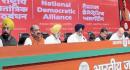
Captain Amarinder Missing at BJPSAD Alliance Launch; Suspense Deepens
A defining new chapter opened in Punjab politics on Tuesday, November 24, 2026coinciding with the auspicious occasion of Guru Nanak Jayanti (Gurpurab)when the Bharatiya Janata Party (BJP) and the Shiromani Akali Dal (SAD) formally reunited after a six-year separation ahead of the February 2027 Punjab Legislative Assembly elections. Yet almost as soon as photographs from the joint press conference at BJP headquarters in New Delhi circulated nationwide, political conversations across Chandigarh and New Delhi zeroed in on a striking absence: former Punjab Chief Minister and senior BJP leader Captain Amarinder Singh was nowhere to be seen on stage. While Union Home Minister Amit Shah, BJP National President Nitin Nabin, and SAD President Sukhbir Singh Badal stood shoulder-to-shoulder alongside senior leaders of both parties to seal the coalitionwith Shah declaring that the Akali Dal would contest as the elder brother in the 117-member Housethe conspicuous absence of the 84-year-old Patiala royal immediately fueled speculation. Widely regarded in political circles as one of the earliest and most persistent advocates of a BJPSAD reunioneven during phases when sections of the state BJP favored going soloAmarinder Singh's absence prompted his former media advisor Vimal Sumbly to publicly describe the omission on social media as puzzling, deepening intrigue over his current equation with the BJP top brass. For political analysts, party workers, and readers across northern Indiaincluding observers in Lucknow and neighboring Uttar Pradesh cities such as Unnao, Kanpur, Prayagraj, and Varanasi, where leadership alignments and NDA coalition dynamics ahead of the 2027 state assembly cycle attract close scrutinythe mystery surrounding Captain Amarinder Singh's absence adds an intriguing subplot to Punjab's biggest political realignment of the year. How Captain Amarinder Singh Acted as a Behind-the-Scenes Bridge on Seat-Sharing In the months leading up to Tuesday's formal announcement, the single biggest stumbling block between the BJP and the Shiromani Akali Dal remained seat-sharing arithmeticbalancing SAD's traditional dominance in rural Panthic constituencies with the BJP's expanded urban vote base following the 2024 parliamentary polls. Political insiders note that Captain Amarinder Singh repeatedly argued behind closed doors that neither the BJP nor the Akali Dal could realistically unseat the ruling Aam Aadmi Party (AAP) or hold off the Congress in 2027 without pooling their rural and urban vote banks. Following a key meeting between Amarinder Singh and Prime Minister Narendra Modi in New Delhi earlier in the negotiation cycle, dialogue between the central BJP leadership and Sukhbir Singh Badal gathered decisive momentumleading directly to Tuesday's breakthrough where Amit Shah confirmed that Akali Dal will lead as the senior partner while exact constituency allocations are finalized shortly. Why the November 10 Sonia Gandhi Book Launch Added Fuel to Political Speculation Suspense over Amarinder Singh's absence from the alliance launch stage has been heightened by recent political optics in New Delhi and Chandigarh: Timeline & Political Milestone Significance in Captain Amarinder Singh's Political Trajectory September 2021 2022 Resigned as Punjab Chief Minister and quit the Congress after prolonged internal friction; floated Punjab Lok Congress, fought the 2022 assembly polls alongside the BJP, and subsequently merged his party into the BJP. Role in BJPSAD Rapprochement (20252026) Consistently backed reuniting with the Akali Dal despite resistance from sections of the Punjab BJP unit and met PM Narendra Modi in Delhi to help unlock stalled alliance talks. November 10, 2026 (New Delhi Book Launch) Attended senior Congress leader Sonia Gandhi's book launch ceremony in Delhi as the sole BJP leader present, where Leader of Opposition Rahul Gandhi publicly thanked him and shared a warm personal anecdote involving former PM Rajiv Gandhi. November 24, 2026 (Alliance Launch Stage) Absent from the joint press conference with Amit Shah, Nitin Nabin, and Sukhbir Singh Badal, sparking debate over whether health considerations, protocol, or internal political distance kept him away. What Lies Ahead for Amarinder Singh and the Reunited NDA in Punjab While Punjab Chief Minister Bhagwant Mann was quick to attack the reunited BJPSAD front on Tuesdaynaming Amarinder Singh alongside Sukhbir Singh Badal, Amit Shah, Sunil Jakhar, and Ravneet Singh Bittu while accusing the alliance of political opportunismneither the BJP nor Captain Amarinder Singh's office has issued a formal explanation for why he skipped the New Delhi ceremony. Whether his absence stemmed simply from age and health considerations at 84 or reflects a quieter advisory role outside frontline campaign stages, how visibly the veteran leader participates in upcoming joint ralliesstarting with the December 8 Moga gathering marking Parkash Singh Badal's birth anniversarywill be watched closely across Punjab's political landscape.

SADBJP Alliance Changes Math in Fatehgarh Sahib's 3 Assembly Seats
The formal revival of the alliance between the Shiromani Akali Dal (SAD) and the Bharatiya Janata Party (BJP) on Tuesday, November 24, 2026announced in New Delhi by Union Home Minister Amit Shah following high-level discussions with SAD president Sukhbir Singh Badalhas immediately altered political calculations across Punjab's historic Malwa belt, most notably in the three assembly constituencies of Fatehgarh Sahib district: Bassi Pathana (Reserved SC), Fatehgarh Sahib, and Amloh. Having parted ways in September 2020 over the now-repealed farm laws, the two former coalition partners are reuniting ahead of the 2027 Punjab Legislative Assembly elections at a moment when twelve years of voting records suggest that a consolidated urbanrural vote transfer can turn one-sided contests into intense triangular battles against the ruling Aam Aadmi Party (AAP) and the Indian National Congress. Yet unlike the pre-2020 erawhen the Akali Dal contested all three seats in Fatehgarh Sahib district under the traditional 9423 seat-sharing formulaground equations have shifted markedly: bolstered by its solo urban vote expansion in Amloh (home to industrial steel town Mandi Gobindgarh) and Fatehgarh Sahib, the BJP is no longer willing to play the role of younger brother and is staking a firm claim to contest at least one or two of the district's three seats. For political observers, election analysts, and readers across northern Indiaincluding policy watchers and diaspora-connected families in Lucknow and neighboring Uttar Pradesh cities such as Unnao, Kanpur, Prayagraj, and Varanasi, where the BJP's coalition strategy heading into the 2027 state election cycle draws close national interestFatehgarh Sahib illustrates both the arithmetic promise and the organizational challenges of the reunited NDA in Punjab. Twelve Years of Election Data: How Alliance Unity vs. Split Shaped Fatehgarh Sahib Between 2012 and 2019, when SAD contested all three assembly segments in Fatehgarh Sahib districtas well as the Fatehgarh Sahib (SC) Lok Sabha seatwith BJP support, the combine consistently commanded a formidable vote base: Election Cycle & Format Fatehgarh Sahib Segment Amloh Segment Bassi Pathana (SC) Segment Key Takeaway 2012 Assembly (In Alliance) SAD Runner-up (29.9%) SAD Runner-up (27.2%) SAD Winner (45.0%) Strong rural-urban consolidation gave SAD victory in Bassi Pathana and narrow second-place finishes elsewhere. 2017 Assembly (In Alliance) SAD Runner-up (28.8%) SAD Runner-up (31.5%) SAD Runner-up (23.8%) Even amid a state-wide Congress wave, SAD remained the primary challenger across all three seats. 2014 & 2019 Lok Sabha (In Alliance) 3rd (27.8%) in 2014 | 2nd (30.1%) in 2019 2nd (32.14%) in 2014 | 2nd (33.50%) in 2019 3rd (27.67%) in 2014 | 2nd (31.40%) in 2019 After AAP's 2014 debut surge, the alliance rebounded to finish second across every segment in 2019. 2022 Assembly (Post-Split) BJP 3rd (11.3%) | SAD 4th (8.7%) SAD 2nd (24.8%) | BJP 4th (8.3%) Neither contested directly (left to allies BSP & PLC) Vote division handed AAP a sweeping victory across all three seats; combined SAD+BJP share still trailed AAP. 2024 Lok Sabha (Post-Split) BJP 3rd (13.6%) | SAD 4th (7.0%) BJP 3rd (18.6%) | SAD 4th (14.0%) SAD 3rd (11.3%) | BJP 4th (8.4%) BJP overtook SAD in urban-heavy Amloh and Fatehgarh Sahib, while SAD stayed ahead in rural Bassi Pathana. Why the BJP Is Staking a Strong Claim on Amloh and Fatehgarh Sahib Electoral strategists point out that statewide, the SADBJP combine polled roughly 30% to 42% of the vote between 2012 and 2019; after separating, their combined standalone shares totaled 24.98% in the 2022 Assembly polls and 31.98% in the 2024 Lok Sabha elections (with BJP polling 18.56% statewide ahead of SAD's 13.42%). That exact pattern played out inside Fatehgarh Sahib district in 2024: BJP's Urban Leverage in Amloh and Fatehgarh Sahib: Driven by industrial and trading centers like Mandi Gobindgarh and SirhindFatehgarh Sahib, the BJP outpolled the Akali Dal by 4.6 percentage points in Amloh (18.6% vs. 14.0%) and nearly doubled SAD's tally in Fatehgarh Sahib (13.6% vs. 7.0%). SAD's Rural Anchor in Bassi Pathana: Conversely, in predominantly agrarian Bassi Pathana (SC), the Akali Dal retained an edge over the BJP (11.3% vs. 8.4%), reinforcing why SAD leaders view rural Panthic pockets as their core domain while BJP leaders demand direct representation in Amloh or Fatehgarh Sahib. Real Test Ahead: Rural AAPCongress Hold and Panthic Vote Fragmentation If the BJP's urban base in Mandi Gobindgarh and Sirhind merges cleanly with SAD's traditional rural cadreswhich together represent roughly 20.6% to 32.6% of the 2024 baseline vote across the three seatsthe alliance will instantly turn Amloh and Fatehgarh Sahib into knife-edge triangular battles. However, political observers caution that AAP's incumbent welfare machinery, Congress's resilient rural network, lingering farmer-union skepticism in Malwa villages, and competing Panthic factions such as SAD (Amritsar) and rival Akali splinter groups will test whether the revived SADBJP alliance can convert arithmetic potential into actual 2027 assembly victories.

Makki Ki Raab Recipe: Desi Winter Drink Made With Buttermilk & Corn Flour
As late-November chill settles across northern India and evenings call for something comforting, nutritious, and easy on the stomach, traditional regional kitchens offer a time-tested alternative to cream-heavy soups and packaged broths: Makki Ki Raab (also widely known in rural households as Makka Ki Maheri). A cherished winter staple across Rajasthan, Punjab, Haryana, and parts of western Uttar Pradesh, this velvety, savory preparation combines coarse or fine yellow maize flour (makki ka atta) with tangy buttermilk (chaas), simmered slowly and finished with an aromatic ghee, cumin (jeera), and asafoetida (hing) tempering. Falling pleasantly between a warming winter soup and a light porridge, Makki Ki Raab delivers sustained warmth from complex maize carbohydrates while supporting gut health and digestion during colder months when physical activity often dips and heavy winter meals can trigger sluggishness. Unlike elaborate multi-step winter delicacies, it relies on everyday pantry staples and comes together in roughly 15 to 20 minutes on a single stovetop burner. For home cooks, families, and wellness-conscious readers across northern Indiaincluding households in Lucknow and neighboring Uttar Pradesh cities such as Unnao, Kanpur, Prayagraj, and Varanasi, where winter mornings and nights bring crisp temperatures and seasonal cravings for wholesome desi comfort foodreviving Makki Ki Raab offers both nostalgic flavor and practical winter nourishment. Why Makki Ki Raab Is a Winter Favorite for Warmth and Digestion In traditional Indian seasonal eating (Ritucharya), coarse grains like maize (makki) are prized in winter because they are naturally warming, rich in dietary fiber, B-complex vitamins, iron, and slow-releasing energy. Pairing maize flour with fermented buttermilk balances its richness, making the drink light, soothing on the digestive tract, and deeply satisfying either as an evening starter before dinner or as a light standalone supper when someone is recovering from seasonal fatigue or cold weather. Ingredients Needed for Authentic Makki Ki Raab Before lighting the stove, gather the base ingredients and tempering spices so the mixture can be stirred continuously without interruption: Preparation Stage Ingredient Exact Quantity Culinary Role Raab Base Maize / Corn Flour (Makki ka Atta) 1/2 cup Provides body, earthy sweetness, and winter warmth (use traditional yellow maize flour rather than refined white cornstarch). Raab Base Fresh or Slightly Tangy Buttermilk (Chaas) 3 to 4 cups Creates the signature tangy, velvety consistency and aids digestion. Raab Base Water 1 cup (adjust as needed) Helps control thickness as the maize flour swells during simmering. Raab Base Pure Desi Ghee & Salt 1 tablespoon ghee | Salt to taste Adds richness and prevents curdling when salt is stirred in near the end. Aromatic Tempering (Tadka) Cumin Seeds (Jeera) & Asafoetida (Hing) 1/2 tsp cumin | 1 pinch hing Enhances aroma and boosts digestive comfort. Tempering & Garnish Whole Dry Red Chillies & Fresh Coriander 2 dry red chillies | 2 tbsp chopped coriander Adds gentle smoky heat and fresh herbal brightness on top. Step-by-Step Method to Make Lump-Free Makki Ki Raab at Home Prepare a Smooth Slurry: Take 1/2 cup of maize flour (makki ka atta) in a deep mixing bowl. Pour in 1/2 cup of buttermilk first and whisk thoroughly with a spoon or wire whisk until completely smooth with zero dry lumps. Blend the Remaining Buttermilk: Gradually pour in the remaining 2.5 to 3.5 cups of buttermilk while whisking continuously with your other hand so the batter stays uniformneither overly watery nor overly thick. Begin Cooking on Medium Flame: Place a heavy-bottomed pan or kadhai over medium heat and warm 1 tablespoon of desi ghee. Once the ghee melts, slowly pour in the maize-buttermilk solution while stirring steadily in one direction. Simmer Until Creamy: Continue stirring for 5 to 7 minutes as the mixture warms and begins to thicken. Add about 1 cup of water to adjust the pouring consistency, then let it simmer gently for another 2 to 3 minutes until it comes to a soft boil and turns smooth and creamy. Season With Salt: Add salt to taste after the raab has come to a boiladding salt later helps prevent the buttermilk from splittingand simmer for 2 more minutes. Add the Traditional Tadka and Serve Hot: In a small tempering ladle, heat a little desi ghee, crackle 1/2 teaspoon cumin seeds, add 1 pinch of asafoetida and 2 whole dry red chillies, and pour the sizzling tempering directly over the simmering raab. Garnish with 2 tablespoons of finely chopped fresh coriander leaves and serve piping hot in earthen kulhads or soup bowls.

Bokaro's Sole KolkataVaranasi Expressway Interchange Set for Petarwar
Infrastructure and economic prospects across Jharkhand's industrial and agrarian belt have received a major clarity boost after alignment details confirmed that Budhan Goda in Petarwar block will serve as Bokaro district's sole entry-and-exit interchange (stand) on the ambitious VaranasiRanchiKolkata Greenfield Expressway being built under the Centre's Bharatmala Pariyojana. Although the six-lane access-controlled highway cuts across several rural stretches of Bokaro district, Budhan Goda has been designated as the single official boarding and exit hub for motorists, freight operators, and commuters across the entire district. As a result, travelers heading toward either Varanasi in Uttar Pradesh or Kolkata in West Bengal from Bokaro Steel City, Petarwar, Kasmar, Jaridih, Gomia, and Bermo will access the high-speed corridor through the Budhan Goda interchange. Once operational, the greenfield corridor is projected to cut road travel time between Bokaro and both Varanasi and Kolkata by nearly half, transforming long-haul logistics, emergency medical transfers, and inter-state commerce. For traders, industrial suppliers, agricultural exporters, and families across northern Indiaincluding transport corridors linking Varanasi, Prayagraj, Kanpur, Unnao, and Lucknow in Uttar Pradesh with Jharkhand and eastern portsthe Petarwar interchange creates a direct, high-speed economic bridge between eastern Uttar Pradesh and Jharkhand's coal-and-steel heartland. How Budhan Goda Interchange Will Transform Bokaro's Economy, Farming, and Jobs With the official roadmap for the Budhan Goda entry-exit point becoming clear, local residents, traders, and farmers across Petarwar, Kasmar, and Jaridih anticipate wide-ranging economic dividends once traffic begins rolling: Economic & Civic Sector Expected Impact Around Budhan Goda (PetarwarKasmar Belt) Inter-State Connectivity & Travel Time Motorists from Bokaro Steel City, Gomia, Bermo, Jaridih, Kasmar, and Petarwar gain a single high-speed gateway toward Varanasi and Kolkata, slashing journey durations by roughly 50%. Horticulture & Vegetable Supply Chains Petarwar and Kasmar are renowned across Jharkhand for fresh vegetable and farm production; direct expressway access will let growers ship perishable produce rapidly to wholesale mandis in Ranchi, Dhanbad, Varanasi, and Kolkata. Highway Hospitality & Youth Employment Expressway interchanges naturally attract hotels, highway dhabas, fuel stations, EV charging plazas, vehicle service centers, and warehousing/logistics hubs, creating local jobs for rural youth. Emergency Healthcare & Real Estate Growth Faster ambulance transit toward tertiary hospitals in Ranchi, Bokaro, and Kolkata, alongside rising investor interest in commercial and residential plots near the interchange. Land Acquisition, Compensation, and Ground-Level Construction Progress On the administrative front, officials in Bokaro district are accelerating land acquisition verification and compensation disbursement along the PetarwarKasmar alignment so that right-of-way hurdles do not slow civil works. Land leveling, earthwork, and preliminary construction activities have already commenced across multiple stretches of the corridor. Local public representatives and villagers across Petarwar and Kasmar blocks say that hosting Bokaro district's lone entry-exit point at Budhan Goda will elevate what were once quiet agrarian pockets into one of Jharkhand's most strategic highway transit and logistics hubs.

Ranchi ATC Denies Takeoff Clearance, Governor Gangwar's Dhanbad Trip Hit
Jharkhand Governor Santosh Kumar Gangwar's scheduled official visit to Dhanbad was abruptly disrupted on Tuesday, November 24, 2026, after Air Traffic Control (ATC) at Birsa Munda Airport in Ranchi did not grant takeoff clearance for his aircraft, forcing the cancellation of his air journey and preventing him from attending two major institutional programs in the coal capital. According to official inputs from Ranchi and Dhanbad, the Governor had been slated to depart Ranchi by air and land at Dhanbad's Barwadda Airport, where district officials, senior police officers, and ceremonial guard-of-honour contingents had already been deployed under tight protocol ahead of his arrival. When takeoff clearance from Ranchi ATC did not materialize within the scheduled flight window, the entire itinerary had to be called off at short noticeleaving event organizers and guests at both Dhanbad venues awaiting word on whether the programs would proceed without him or be rescheduled. Neither Raj Bhavan nor aviation authorities had immediately issued a formal statement detailing the technical, operational, or weather-related factor behind the ATC hold, nor had a revised date for the Governor's Dhanbad tour been announced by Tuesday evening. For readers, alumni networks, and public-affairs observers across northern Indiaincluding residents in Lucknow and neighboring Uttar Pradesh cities such as Unnao, Kanpur, Prayagraj, Varanasi, and Bareilly (Governor Gangwar's long-time parliamentary home turf), where both IIT (ISM) Dhanbad's academic events and Governor Gangwar's official engagements draw keen interestthe sudden aviation hold highlights how tightly VVIP regional air movements depend on real-time ATC and airfield clearances. Two Major Dhanbad Institutional Programs Affected by the Flight Hold Released by the district administration on Monday, the Governor's Tuesday itinerary had centered on two prominent educational landmarks in Dhanbad, both of which had completed full security, traffic-diversion, and protocol arrangements prior to the cancellation: Scheduled Stop / Venue in Dhanbad Nature of Scheduled Engagement On-Ground Impact of Ranchi ATC Hold Barwadda Airport, Dhanbad Arrival airstrip for Governor Santosh Kumar Gangwar's charter/VVIP flight from Ranchi, with district administration reception and security cordon in place. Aircraft never received takeoff clearance from Ranchi ATC, leaving airport reception teams standing by before the visit was called off. Rajkamal Saraswati Vidya Mandir, Dhanbad First scheduled institutional event on the Governor's Tuesday morning/afternoon program. Governor could not attend in person; school management and district officials adjusted program proceedings accordingly. Penman Auditorium, IIT (ISM) Dhanbad Second major academic/institutional function at the Indian Institute of Technology (Indian School of Mines), Dhanbad. Governor's scheduled address and participation could not take place due to the cancelled RanchiDhanbad flight. Why Regional VVIP Air Movements Between Ranchi and Barwadda Require Strict Clearances Unlike major commercial hubs equipped with round-the-clock instrument landing infrastructure, regional airstrips such as Barwadda Airport in Dhanbad operate primarily under Visual Flight Rules (VFR) and strict daytime operational windows, meaning any shift in visibility, airspace congestion, aircraft-clearance paperwork, or terminal weather conditions between Ranchi and Dhanbad can prompt Air Traffic Control to withhold takeoff permission in the interest of aviation safety. In VVIP flight operations, ATC clearance requires simultaneous alignment of flight-plan approvals, destination airstrip readiness, and en-route airspace safety parametersand when any single parameter falls outside prescribed safety margins, departure is strictly held. Awaiting Official Clarification and Rescheduled Dates From Raj Bhavan Following Tuesday's disruption, district administration personnel and security units stationed along the BarwaddaDhanbad route were gradually stood down once confirmation arrived from Ranchi that the Governor's flight would not depart. Officials in Dhanbad indicated that fresh dates for Governor Santosh Kumar Gangwar's visits to Rajkamal Saraswati Vidya Mandir and IIT (ISM) Dhanbad will be finalized once Lok Bhavan (Raj Bhavan), Ranchi issues a revised tour schedule.

Sisuna Danda Ganga Mela: Rural Culture & Faith Shine on Kartik Purnima
Along the sandy banks of the Ganga at Sisuna Danda Ghat near Bahjoi in Uttar Pradesh's Sambhal district, Tuesday, November 24, 2026, unfolded as a moving portrait of intergenerational devotion and rural heritage on the auspicious occasion of Kartik Purnima. From dawn onward, families arrived on foot, tractor-trolleys, and rural transport carrying bedrolls and offerings, greeted by a brightly decorated ceremonial archway near the T-Point checkpoint that signaled entry into a sprawling riverside tent city. Inside the fairgroundsmarking the 11th year of the organized Sisuna Danda Ganga Melafathers walked toward the ghats holding their young children's fingers and explaining the sacred significance of Ganga Snan, while younger adults gently escorted elderly parents by the hand toward the water's edge. Even though winter water levels along the river stretch had receded slightly, the spirit of devotion remained undimmed as pilgrims bathed safely within barricaded zones, lit earthen lamps (deepdaan), offered prayers, and shared prasad amid chants of Har Har Gange. For readers, cultural observers, and families across northern Indiaincluding households in Lucknow and neighboring Uttar Pradesh cities such as Unnao, Kanpur, Prayagraj, and Varanasi, where Kartik Purnima fairs along riverfronts carry deep social and spiritual resonancethe gathering in Sambhal illustrates how regional river fairs keep rural values alive across generations. Kashi-Style Ganga Aarti, Jhandi Yatra, and Three Days of Spiritual Celebration Organized under the stewardship of the Sambhal Zila Panchayat (headed by administrator Dr. Anamika Yadav) and district officials led by District Magistrate Ankit Khandelwal, the 2026 Sisuna Danda Ganga Mela began on Sunday, November 22, with a traditional Jhandi Yatra starting from Hari Baba Bandh Dham, followed by jhandi poojan, Vedic chanting, and dugdhabhishek (milk offering) to Mother Ganga. A centerpiece of the riverside observances has been the evening Ganga Aarti conducted by priests invited from Kashi (Varanasi)recreating the cadence of Varanasi's iconic riverfront ritual on the sands of Sambhal alongside cultural evenings featuring Braj's Phoolon Ki Holi and a Kavi Sammelan ahead of Tuesday's main Kartik Purnima holy dip. Beyond the Ghats: Rural Culture, Meena Bazaar, and Administrative Outreach Once pilgrims step away from the bathing ghats, the fairground transforms into a vibrant showcase of western Uttar Pradesh's folk life and community commerce: Fairground Zone / Attraction Experience & Community Highlights at Sisuna Danda Mela Barricaded Bathing Ghats Safe, supervised bathing zones equipped with watchtowers, divers, lighting, and sanitation for families arriving from Sambhal and neighboring districts. Cultural Stage & Folk Programs Live devotional music, traditional folk performances, poetry sessions, and spiritual discourses drawing multi-generational audiences. Meena Bazaar & Chaat Alleys Women browse household utensils, winter essentials, and handicrafts in Meena Bazaar, while children and youth crowd chaat-pakodi stalls and toy shops. Government Exhibitions & Camp Offices Departmental stalls and LED screens inform rural visitors about state welfare and agricultural schemes alongside round-the-clock administrative and medical camps. Preserving Family Roots and Passing Values to the Next Generation More than an annual bathing ritual, the 11-year-old Sisuna Danda Ganga Mela functions as a living social bridgebringing urban-working youth back to their ancestral villages, introducing young children to their first sight of the Ganga, and reinforcing shared cultural memory in an unhurried, collective setting. As lamps flicker along the riverbank and families gather over shared meals in the fair streets, faith flows seamlessly from grandparents to parents and down to the youngest hands held tightly at the ghat.

Gujarat Police Recruitment 2026: 13,152 Posts Open From Nov 26
Young aspirants preparing for a uniformed government career have a major opportunity ahead as the Gujarat Police Recruitment Board (GPRB) has significantly expanded its 2026 recruitment drive to 13,152 vacancies spanning Lokrakshak (LRD) Constable, State Reserve Police Force (SRPF), Jail Sepoy, Technical Motor Transport, and Police Sub-Inspector (PSI) cadres. Following the revised recruitment notice dated November 23, 2026, online registration will open on Thursday, November 26, 2026, at 2:00 PM IST via the official OJAS portal (ojas.gujarat.gov.in) and remain active until Wednesday, December 16, 2026, at 11:59 PM IST. With 12,752 vacancies in the expanded Lokrakshak and Jail Sepoy cadres, 159 technical motor-transport posts, and 241 direct-recruitment posts in the PSI and Jailor Group-2 cadres, the drive opens doors for both Class 12 (Higher Secondary) pass candidates and university graduates. For government-job aspirants, coaching students, and families across northern Indiaincluding competitive-exam candidates in Lucknow and neighboring Uttar Pradesh cities such as Unnao, Kanpur, Prayagraj, and Varanasi, who closely track major state police recruitment drives and central-state employment calendars nationwidechecking exact cadre-wise vacancies, language requirements, and selection stages early is essential before submitting forms. Complete Post-Wise Vacancy Breakdown (13,152 Posts) Under the updated GPRB notification, vacancies have been distributed across nine distinct operational, prison-security, technical, and sub-inspector roles: Cadre / Post Name Advertised Vacancies Minimum Educational Qualification Unarmed Police Constable (UPC) 8,233 Class 12 (Higher Secondary) pass from a recognized board SRPF Armed Police Constable 3,107 Class 12 (Higher Secondary) pass from a recognized board Armed Police Constable (APC) 1,132 Class 12 (Higher Secondary) pass from a recognized board Jail Sepoy (Male) 251 Class 12 (Higher Secondary) pass from a recognized board Unarmed Police Sub-Inspector (PSI) 225 Bachelor's degree (Graduation) from a recognized university Head Constable Driver Mechanic (Grade-2) 133 Class 12 pass + Motor Mechanic trade certificate and apprenticeship Jail Sepoy (Female / Matron) 29 Class 12 (Higher Secondary) pass from a recognized board Motor Transport Supervisor (Grade-2) 26 Class 12 pass + prescribed Motor Mechanic technical qualification Jailor Group-2 (Female) 16 Bachelor's degree (Graduation) from a recognized university Total Advertised Posts 13,152 (Note: Candidates must also meet prescribed age limits, physical standards, and proficiency in Gujarati languagereading, writing, and speakingas specified in the detailed advertisement on gprb.gujarat.gov.in and ojas.gujarat.gov.in.) Application Fee, Important Dates, and Selection Stages Candidates applying through the OJAS portal should keep key deadlines, fee rules, and examination stages in mind: Important Dates: Online applications open on November 26, 2026 (2:00 PM) and close on December 16, 2026 (11:59 PM); applicants applying for multiple cadres must submit separate applications as instructed. Application Fee: Unreserved/General candidates are required to pay 100 (plus applicable bank charges), whereas SC, ST, SEBC, EWS, PwD, and female candidates are exempted from paying the application fee as per state recruitment norms. Four-Stage Selection Process: Shortlisting proceeds through the Physical Efficiency Test (PET running test), Physical Standard Test (PST height, weight, and chest measurements), Written Examination (objective/descriptive papers depending on LRD or PSI cadre), and final Document Verification. How to Apply Online on the OJAS Portal From November 26 Eligible applicants should visit ojas.gujarat.gov.in, select the Gujarat Police Recruitment Board (GPRB) advertisement for their chosen cadre under the Online Application tab, complete one-time registration or log in with existing OJAS credentials, fill in accurate personal and educational particulars, upload recent passport-size photograph and signature scans in the specified dimensions, pay the fee online if applicable, and download the Application Confirmation Receipt for future admit-card and PET/PST stages.

Stubborn Winter Cough: 7 Easy Daily Habit Changes for Relief
As crisp winter mornings and cooler nights settle across northern India in late November, catching a seasonal cold or scratchy throat is commonyet for many people, the real frustration begins when a stubborn winter cough lingers for days or weeks, disrupting workdays, tiring the chest, and stealing restful sleep. Cold, dry outdoor air, indoor dust or smoke, and subtle drops in seasonal immunity frequently irritate sensitive airways, prompting many people to reach immediately for repeated doses of over-the-counter cough syrups or tablets. While medical care is essential whenever symptoms turn severe or prolonged, clinicians and wellness specialists emphasize that seven practical, everyday habit adjustmentsfocused on internal warmth, airway moisture, targeted nutrition, and restorative restcan calm throat irritation, loosen stubborn phlegm, and help the respiratory tract recover naturally. For commuters, students, office professionals, and families across northern Indiaincluding households in Lucknow and neighboring Uttar Pradesh cities such as Unnao, Kanpur, Prayagraj, and Varanasi, where chilly morning fog, dry indoor air, and winter air pollution combine to trigger persistent throat irritationbuilding these simple routines into daily life can bring noticeable comfort. 7 Everyday Habit Changes to Calm a Stubborn Winter Cough Rather than relying on complicated concoctions or excessive medication, integrating consistent daily habits addresses the root triggers that keep a winter cough alive: Daily Habit Change How It Relieves Cough & Throat Irritation Practical Way to Apply Today 1. Sip Lukewarm Water & Herbal Drinks Keeps mucosal linings hydrated, thins thick phlegm, and soothes inflamed throat tissues. Sip lukewarm water all day; add gingertulsi tea, turmeric milk (haldi doodh), or cinnamon infusion. 2. Cut Out Chilled Foods & Drinks Sudden cold temperatures constrict airway surfaces and aggravate the cough reflex. Avoid refrigerator water, sodas, ice cream, and cold leftovers; choose freshly cooked, warm meals. 3. Maintain Indoor Air Moisture Dry winter air and room heaters parch the throat and trigger dry, hacking coughs. Run a room humidifier or keep a wide bowl of clean water indoors, and minimize exposure to smoke, incense, and dust. 4. Upgrade Your Winter Immunity Diet Vitamin C and natural antimicrobial compounds support faster mucosal healing. Eat amla, oranges, kiwi, and guava, plus ginger, garlic, and raw honey (never give honey to infants under 12 months); limit oily, deep-fried junk foods that worsen congestion. 5. Practice Daily Steam & Salt-Water Gargles Warm vapor opens blocked nasal passages while saline gargles reduce throat swelling and clear irritants. Inhale plain steam safely once or twice daily and gargle with half a teaspoon of salt in comfortably warm water. 6. Prioritize 78 Hours of Quality Sleep Deep sleep restores immune-cell activity needed to clear lingering respiratory inflammation. Maintain a fixed bedtime, keep the chest and feet warm, and elevate your head slightly if nighttime coughing flares. 7. Stay Active With Gentle Yoga & Pranayama Light movement improves circulation and lung ventilation without overtaxing recovery. Include a brisk daytime walk in mild sunshine alongside gentle breathing practices (anulom-vilom, bhramari). Why Keeping Remedies Simple Works Better Than Overdoing 'Kadha' Health practitioners also caution against piling multiple strong herbal decoctions (kadhas) on top of one another when a cough drags on. Overly concentrated spices or piping-hot liquids can actually burn or irritate an already sensitive throat or trigger acid refluxanother hidden driver of nighttime winter coughing. Moderately warm fluids, simple tulsi-ginger tea, or a spoonful of honey before bedtime (for adults and children over one year old) gently coat the throat without causing digestive discomfort. When a Winter Cough Needs a Doctor's Evaluation While mild seasonal coughs typically ease within 10 to 14 days with rest and home care, you should consult a qualified physician promptly if a cough persists beyond two to three weeks, or if it is accompanied by high fever, shortness of breath, wheezing, chest pain, difficulty swallowing, persistent hoarseness, or blood-tinged sputumand seek early medical guidance for young children, older adults, or anyone with asthma or chronic lung conditions.

Trauma Leaves Molecular Scars on Brain: New PTSD Study Findings
Surviving a terrifying accident, violent assault, or life-threatening crisis does far more than trigger lingering emotional distressit leaves measurable molecular, cellular, and structural footprints across key regions of the human brain, according to landmark neuroscience research published in the peer-reviewed journal Cell Reports. Conducted by scientists from the University of Texas at Austin and Emory University School of Medicineand co-authored by neuroscientist Frances A. Champagnethe study examined postmortem brain tissue from 302 individuals to map how post-traumatic stress disorder (PTSD) alters gene regulation differently than major depressive disorder (MDD). Rather than acting uniformly, DNA methylationa natural epigenetic mechanism that functions like a biological dimmer switch to dial gene activity up or downvaried markedly across brain regions in people who lived with PTSD, while also differing by biological sex, ancestry/race, and whether trauma occurred in childhood or adulthood. For clinicians, mental-health researchers, trauma survivors, and families across northern Indiaincluding healthcare communities and readers in Lucknow and neighboring Uttar Pradesh cities such as Unnao, Kanpur, Prayagraj, and Varanasi, where road-accident trauma, acute stress reactions, and mental-health awareness are increasingly recognized as vital public-health prioritiesthese findings offer clearer biological insight into why PTSD affects individuals so differently and how future therapies could become far more personalized. How Researchers Mapped 302 Brains Across Three Critical Regions Unlike earlier studies that relied largely on blood samples or animal models, the research team analyzed donated human brain tissue from 302 individuals: 101 diagnosed with PTSD, 101 with major depressive disorder, and 100 without psychiatric diagnoses serving as controls. Within each brain, investigators profiled DNA methylation and cellular composition across three interconnected regions governing fear, memory, and executive control: Brain Region Analyzed Primary Cognitive & Emotional Role Key Finding in PTSD Brains (Cell Reports Study) Prefrontal Cortex Executive decision-making, impulse control, and top-down regulation of fear responses. Showed the most pronounced DNA methylation differences in PTSD compared with controls, whereas MDD showed stronger methylation shifts in the amygdala. Amygdala Emotional processing hub responsible for threat detection and fear conditioning. Exhibited a notable reduction in oligodendrocytesspecialized cells that build the insulating myelin sheath around nerve fibersespecially among people exposed to trauma in adulthood. Hippocampus Memory formation, contextual recall, and distinguishing past danger from present safety. Showed region-specific epigenetic variation contributing to how traumatic memories persist as intrusive flashbacks or nightmares. Why PTSD Differs Biologically From Major Depressive Disorder Because PTSD and depression frequently co-occur and are often treated with overlapping medications, distinguishing their underlying neurobiology has long been a challenge for psychiatry. Co-author Frances Champagne noted that DNA methylation patterns across brain regions were far more varied in individuals with PTSD than in those with major depressive disorder, and also showed substantial variation from one PTSD patient to another. Whereas depression tended to affect consistent gene sets centered in the amygdala, PTSD displayed distinct epigenetic signatures in the prefrontal cortex alongside loss of myelin-forming oligodendrocytes in the amygdalahelping explain why trauma can impair the brain's ability to quiet fear signals long after physical danger has passed. Study Limitations and the Path Toward Personalized PTSD Care Researchers cautioned that because the tissue was examined postmortem, the study establishes strong biological associations rather than proving whether methylation shifts directly caused PTSD or resulted from living with severe trauma. The authors also noted they lacked granular records on each donor's exact symptom types and severity. Even so, identifying distinct epigenetic and cellular markersand validating whether blood-based biomarkers mirror these brain signaturesbrings neuroscience closer to precision diagnostics and targeted treatments tailored to a patient's trauma history and biology.

Winter Migraine Flare-Ups: Hidden Habit Triggers & Prevention Tips
As chilly mornings, shorter daylight hours, and fluctuating weather systems settle across northern India in late November, many people living with migraine notice a frustrating uptick in the frequency and intensity of their headaches. While cold temperatures themselves do not directly cause migraine disease, neurologists explain that seasonal shifts in barometric pressure, dry indoor air, reduced sunlight, and subtle changes in everyday winter routinessuch as drinking less water, sleeping irregularly, or reaching for extra cups of tea and coffeeact as potent triggers for a sensitive nervous system. Recognizing early warning signs and adjusting daily habits in time can significantly reduce winter flare-ups before severe attacks disrupt work and family life. For commuters, office professionals, students, and homemakers across northern Indiaincluding residents in Lucknow and neighboring Uttar Pradesh cities such as Unnao, Kanpur, Prayagraj, and Varanasi, where crisp winter mornings give way to warm afternoons and indoor heating dries out living spacessmall preventive adjustments can make cold-weather months far more comfortable. Why Migraine Attacks Become More Frequent in Winter A migraine is far more than an ordinary tension headache; it is a complex neurological condition characterized by moderate-to-severe throbbing or pulsing pain (often on one side of the head), nausea, vomiting, and heightened sensitivity to light and sound. Some patients also experience a visual or sensory warning phase known as an aurasuch as flashing lights, zig-zag lines, or temporary blurred visionshortly before head pain begins. During winter, several environmental and behavioral factors converge to lower the brain's trigger threshold: Barometric Pressure & Cold Winds: Sudden drops or swings in atmospheric pressure, along with abrupt transitions between heated indoor rooms and chilly outdoor air, can irritate cranial nerves and blood vessels around the forehead and temples. Silent Winter Dehydration: Because people feel less thirsty in cool weather, daily fluid intake often drops unnoticed even as dry winter air and room heaters draw moisture from the body. Disrupted Sleep & Reduced Daylight: Shorter winter days affect circadian rhythms and serotonin balance, while weekend oversleeping or late-night screen time frequently precipitates morning migraines. Practical Daily Habits to Prevent Winter Migraines Because migraine triggers vary from person to person, specialists recommend combining consistent daily routines with simple trigger tracking: Preventive Habit Why It Helps in Cold Weather Practical Daily Step Consistent Sleep-Wake Timing Stabilizes circadian rhythms and prevents hormone/serotonin dips. Go to bed and wake up at the same time daily, including on winter weekends. Steady Hydration Prevents silent dehydration caused by dry indoor air and low thirst cues. Sip lukewarm water regularly through the day rather than waiting to feel thirsty. Regular Meals & Moderate Caffeine Avoids blood-sugar drops and caffeine-withdrawal rebound headaches. Never skip breakfast or meals, and cap tea/coffee intake at consistent daily levels. Daily Movement & Stress Relief Eases neck/shoulder muscle tension and lowers stress hormones. Practice 30 minutes of indoor exercise, yoga, meditation, or deep breathing, and take regular breaks from bright screens. Keep a Migraine Diary Pinpoints personal food, screen, or weather triggers over time. Note headache timing, sleep hours, foods eaten, and weather shifts after each episode. How Doctors Diagnose Migraine and Modern Treatment Options If headaches grow more frequent, last longer than 48 hours, or stop responding to routine measures, consulting a physician or neurologist is essential. Doctors typically diagnose migraine by reviewing a detailed medical history, evaluating attack frequency, duration, and associated symptoms, and performing physical and neurological examinations. Where symptoms are atypical or red flags appear, an MRI or CT scan may be advised to rule out secondary causes. Treatment is tailored to attack severity and frequency: Acute & Preventive Medications: Doctors prescribe targeted pain-relieving or migraine-specific rescue medicines alongside anti-nausea drugs for acute attacks, and daily preventive therapies when attacks occur frequently. Advanced Options for Chronic Migraine: For select patients with severe, chronic migraine who fail to respond to conventional medications and lifestyle therapy, specialists may evaluate advanced interventionsincluding targeted nerve-block injections or surgical migraine decompression, a procedure designed to release peripheral sensory nerves that trigger pain signals. (Always consult a qualified neurologist before starting or changing any medication or considering procedural options.)

UP Law & Order Transformation Spotlighted at Lucknow Youth Dialogue
A large gathering of young citizens, students, and civic observers converged at Lucknow's iconic 1090 Chauraha in Gomti Nagar for a special Youth Dialogue (Yuva Samvad) organized by Friends of Yogi alongside an exhibition celebrating the 50th edition of Chief Minister Yogi Adityanath's weekly newsletter, Yogi Ki Pati. Held on Sunday, November 22, 2026, the interactive session examined the structural transformation in Uttar Pradesh's law-and-order landscape before and after 2017, focusing on dismantling organized mafia networks, reclaiming encroached public land, deploying technology-led policing, and linking public safety with industrial investment. Featuring former Uttar Pradesh Director General of Police (DGP) Arvind Kumar Jain, Uttar Pradesh Bar Council member and senior advocate Prashant Singh Atal, and former Delhi University Students' Union (DUSU) president Shakti Singh, with AFPR CEO Shashank Shekhar Singh moderating the proceedings, the dialogue drew strong participation from Gen Z attendees and young professionals across the state capital. For residents, students, entrepreneurs, and families across northern Indiaparticularly in Lucknow and neighboring Uttar Pradesh cities such as Unnao, Kanpur, Prayagraj, and Varanasi, where women's safety, urban order, and investor confidence directly shape daily life and career opportunitiesthe discussion offered a detailed look at how governance reforms are being framed ahead of future milestones. Former DGP Arvind Kumar Jain on Dismantling Pre-2017 Mafia Networks Opening the discussion by contrasting Uttar Pradesh's policing environment before and after 2017, former DGP Arvind Kumar Jain highlighted how political patronage had previously emboldened criminal syndicates and land-grabbing networks. He noted that sustained police responsiveness, uncompromising enforcement against hardened criminals, and coordinated drives to clear illegal encroachments have restored the credibility and authority of the rule of law (kanoon ka iqbal). Referring to bulldozer demolitions targeting unauthorized properties built through criminal proceeds or encroached public land, Jain observed that the measure has become a visible symbol of zero tolerance toward organized hooliganismsending an unambiguous signal across society that unlawful muscle power will no longer enjoy immunity. Legal Scrutiny, Crime Reduction Data, and Safe Environment for Growth Addressing legal and statistical aspects of the state's enforcement drive, senior advocate Prashant Singh Atal emphasized that administrative actions against illegal structures remain subject to judicial review, noting that constitutional courtsincluding the High Court and the Supreme Courthave upheld lawful demolition of unauthorized encroachments in the overwhelming majority of contested cases. He added that consistent enforcement has broken the morale of criminal syndicates and enabled Uttar Pradesh's 25 crore citizens to live and work with greater security: Focus Area / Indicator Key Points Highlighted at Lucknow Youth Dialogue Reported Decline in Major Crimes Compared with 2016 benchmarks cited during the session, incidents of dacoity/robbery have dropped by 87% and murders by 43% across Uttar Pradesh. Nine Core Themes Debated Speakers addressed nine pillars: citizen safety, women's security, protection for traders and entrepreneurs, technology-driven policing, anti-mafia drives, judicial accountability, institutional reform, education, and employment. Law & Order as Economic Bedrock Panelists underscored that a fear-free environment for businesses, women, and students directly accelerates education, startup creation, industrial investment, and job generation. Connecting 'Yogi Ki Pati' Outreach With Youth Questions in Lucknow Throughout the question-and-answer segment moderated by Shashank Shekhar Singh, young attendees posed direct queries on women's helpline responsiveness, cyber and smart policing, and how improved security translates into local jobs. Alongside the 50th-edition Yogi Ki Pati exhibitionwhich has also enrolled hundreds of young volunteers into the Friends of Yogi networkthe 1090 Chauraha dialogue reflected a concerted effort to engage Uttar Pradesh's youth directly on governance, public safety, and economic development.
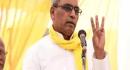
OP Rajbhar Slams Akhilesh Over Congress Talks, Warns of Shivpal
Political temperatures in Uttar Pradesh climbed sharply on Tuesday, November 24, 2026, after Suheldev Bharatiya Samaj Party (SBSP) chief and Uttar Pradesh Cabinet Minister Om Prakash Rajbhar launched a blistering social-media attack on Samajwadi Party (SP) president Akhilesh Yadav over ongoing SPCongress seat-sharing talks ahead of the 2027 Uttar Pradesh Assembly elections. In a pointed post on X, Rajbhar alleged that Congress leaders in New Delhi treated the Samajwadi Party delegation casually during their opening meetingserving tea for barely 20 minutes, handing over a seat-sharing letter asserting equal bargaining terms, and sending them back without senior leaders Priyanka Gandhi Vadra or K.C. Venugopal showing serious engagement. Linking that perceived slight directly to internal equations within the Samajwadi Party, Rajbhar argued that Congress has sensed a weakened SP organization following the sidelining of veteran strategist Shivpal Singh Yadav from the alliance's seat-sharing committee, warning that roughly 45 MLAs aligned with Shivpal's camp could trigger a major political upheaval if internal discontent persists. For voters, political workers, and observers across northern Indiaparticularly in Lucknow and neighboring Uttar Pradesh districts such as Unnao, Kanpur, Prayagraj, and Varanasi, where coalition arithmetic and caste-community equations shape pre-poll strategyRajbhar's remarks underscore how alliance negotiations and intra-party dynamics are already dominating political discourse months before the 2027 campaign peaks. Why Rajbhar Targeted the Delhi Seat-Sharing Meeting Between SP and Congress Rajbhar's latest critique comes right as Samajwadi Party and Congress negotiators initiated formal seat-sharing discussions for Uttar Pradesh's 403 Assembly constituencies, where Congress has reportedly placed an ambitious seat demand on the table while excluding Shivpal Yadav from the SP's negotiating panel. Contrasting the present party setup with earlier eras when veteran leaders such as Amar Singh, Azam Khan, and Shivpal Singh Yadav anchored organizational muscle and back-channel political management, Rajbhar claimed that Delhi leaders no longer view the SP with the same political weight. Taking a sharp swipe at Akhilesh Yadav's inner circle, Rajbhar mocked what he termed a liaison uncle advising the SP chief, quipping that grassroots workers themselves are baffled by the political PhD being pursued over the past decade. Instead, Rajbhar advised Akhilesh Yadav to learn ground-level political craft under Shivpal Yadavwhom he described as someone who understands every nuance of Congress's political playbookarguing that staying aligned with his uncle would protect Akhilesh from what he called the maneuvering of self-serving allies in Delhi. Key Flashpoints in OP Rajbhar's Attack on Akhilesh Yadav Rajbhar's social-media offensive focused on three interconnected political pressure points ahead of the 2027 UP Assembly polls: Political Theme Core Claim Made by OP Rajbhar Strategic Context in UP Politics Congress Bargaining Leverage Alleged Congress wrapped up the Delhi meeting in 20 minutes over tea and demanded an equal share while key leaders stayed aloof. Reflects intense early tug-of-war over constituency numbers between SP and Congress for 2027. Shivpal Yadav & 45 MLAs Warned that sidelining Shivpal Yadav from seat-sharing talks could backfire, hinting that ~45 MLAs in his camp could turn the tables at any moment. Seeks to spotlight fault lines within the SP legislative party and organizational ranks. INDIA Bloc & M-Y Vote Bank Claimed the INDIA alliance has lost its core vote bank and suggested the traditional MuslimYadav (M-Y) equation is weakening as welfare schemes reach all communities. Mirrors NDA outreach aimed at denting opposition consolidation across eastern and central UP. Escalating War of Words Ahead of the 2027 Uttar Pradesh Assembly Battle Known for his blunt, colloquial jibes in Purvanchal and state-level politics, Om Prakash Rajbhar has repeatedly targeted the SPCongress partnership in recent weeksattacking Akhilesh Yadav over Azam Khan's legal troubles, questioning past alliance results from 2017 and 2022, and portraying the opposition bloc as divided over seat distribution. While Samajwadi Party leaders maintain that the INDIA alliance remains united to contest the 2027 Assembly elections together and dismiss ruling-coalition remarks as attempts to sow confusion, Rajbhar's sharp intervention ensures that both seat-sharing arithmetic and Shivpal Yadav's role inside the party will remain under intense scrutiny across Lucknow's political corridors.

No More Stubble Burning: UP Farmers Profit With Super Seeder
Across Uttar Pradesh's paddy-wheat belt, the annual post-harvest race to clear standing rice straw before Rabi wheat sowing is undergoing a practical, cost-saving shift as more growers adopt the tractor-mounted Super Seeder. Instead of setting fire to leftover paddy stalksa practice that degrades air quality, destroys beneficial soil microbes, and invites administrative penaltiesfarmers in districts such as Sultanpur are turning to in-situ residue management that chops crop stubble, incorporates it directly into the topsoil, places wheat seeds and basal fertilizer at precise depths, and levels the seedbed in a single pass. Agricultural specialist Dr. A.K. Singh notes that completing tillage, residue incorporation, and sowing simultaneously takes roughly one to one-and-a-half hours per acre, dramatically trimming diesel consumption, tractor passes, manual labor, and turnaround time between Kharif harvest and Rabi planting. For cultivators, agri-entrepreneurs, and rural households across northern Indiaincluding farming belts surrounding Lucknow and neighboring Uttar Pradesh districts such as Unnao, Kanpur, Ayodhya, Sultanpur, Prayagraj, and Varanasi, where timely November wheat sowing directly determines grain yieldthe Super Seeder is emerging as both an environmental solution and a profit-improving farm tool. How a Super Seeder Works Inside the Field in One Single Pass Conventional post-paddy field preparation often forces farmers either to burn residue or to run multiple rounds of rotavators, cultivators, and plankers before broadcasting seeddriving up fuel bills and delaying sowing. As Dr. A.K. Singh explains, the Super Seeder integrates four distinct field operations into one continuous mechanical sequence: Chopping & Mixing Paddy Residue: Heavy-duty rotary blades at the front slice standing paddy stalks and loose straw left behind by combine harvesters, blending the organic biomass directly into the upper soil layer. Precision Furrow Opening: Rear furrow openers cut clean, uniform seed rows through the residue-mixed soil without clogging. Simultaneous Seed & Fertilizer Placement: Separate hoppers meter wheat seeds and basal fertilizer simultaneously at the recommended depth for uniform germination. Soil Pressing & Moisture Retention: A rear press roller firms the soil gently over the sown rows, sealing in residual field moisture and eliminating separate planking or leveling passes. Super Seeder vs. Traditional Broadcast Sowing: Input and Cost Comparison Beyond eliminating separate plowing rounds, precision metering inside the Super Seeder's dual seed-and-fertilizer boxes reduces input wastage compared with traditional manual broadcasting: Farming Parameter Super Seeder Method Traditional Broadcast / Multi-Pass Method Field Preparation & Sowing Passes Single pass (~1 to 1.5 hours per acre) 3 to 5 separate passes (plowing, harrowing, planking, sowing) Seed Requirement (Per Acre) Lower, precision-drilled requirement (around 15 kg in local field trials; standard recommendations typically 3540 kg/acre vs. higher broadcast rates) Roughly 2530% higher seed volume (e.g., 20 kg vs. 15 kg in comparative field benchmarks) due to uneven scattering Fertilizer Placement DAP / NPK mixture (~15 kg in benchmark trials) placed right beside the seed root zone via a separate box Broadcast across the surface, leading to higher nutrient loss Soil Health & Moisture Incorporated paddy straw decomposes into organic humus, conserving soil moisture and suppressing weeds Residue removal or burning depletes organic carbon, nitrogen, and soil micro-flora Government Subsidy Support and Custom Hiring Income in Uttar Pradesh To make residue-management machinery accessible to small and marginal farmers who may not own high-horsepower tractors, the Uttar Pradesh Agriculture Department supports Super Seeders, Custom Hiring Centres (CHCs), and Farm Machinery Banks under schemes such as the Sub-Mission on Agricultural Mechanization (SMAM) and Promotion of Agricultural Mechanization for In-Situ Management of Crop Residue via the official portal agriculture.up.gov.in. Individual eligible farmers can avail subsidies ranging from 40% to 50% (with higher slabs for small, marginal, SC/ST, and women farmers), while farmer groups and rural entrepreneurs operating custom hiring units receive substantial capital assistanceallowing tractor-owning rural youth to earn steady seasonal rental income by servicing neighboring farms while keeping Uttar Pradesh's skies cleaner.

No Power Can Harm India While Sikh Gurus Are Revered: CM Yogi
Addressing a grand congregation in Lucknow on Tuesday, November 24, 2026, to mark the 557th Prakash Parv (birth anniversary) of Sri Guru Nanak Dev Ji Maharaj, Uttar Pradesh Chief Minister Yogi Adityanath declared that as long as India preserves deep reverence and respect for the Sikh Gurus, no force on earth can harm the nation. Speaking at the DAV College ground in a ceremony organized by Gurdwara Naka Hindola alongside prominent Sikh religious and community leadersincluding Chief Granthi of Amritsar Giani Kewal Singh and state minister Sardar Baldev Singh Aulakhthe Chief Minister described the renunciation, penance, martyrdom, and spiritual awakening of the Sikh Gurus as an irreplaceable pillar of India's national unity, social harmony, and cultural self-respect. He emphasized that Guru Nanak Dev Ji's timeless ideals must not remain confined to annual ceremonies, urging families and educational institutions to weave his teachings into everyday conduct and pass them continuously to younger generations. For residents, devotees, and community members across northern Indiaespecially in Lucknow (around Naka Hindola, Yahiyaganj, Aishbagh, and Alambagh) and neighboring Uttar Pradesh cities such as Unnao, Kanpur, Prayagraj, and Varanasi, where Guru Nanak Jayanti and Kartik Purnima converged on Tuesday in vibrant nagar kirtans, langars, and riverfront prayersthe Chief Minister's address linked spiritual heritage with civic unity across the state. Ek Omkar, Langar, and Standing Fearlessly Against Injustice Reflecting on the historical era in which Guru Nanak Dev Ji Maharaj traveled far and wide across India and beyond its borders despite limited means, CM Yogi Adityanath noted that society at the time was fractured by caste divisions, discrimination, and untouchability while simultaneously confronting foreign invasions. Against that turmoil, Guru Nanak Dev Ji gave humanity the unifying mantra of Ek Omkarteaching that God is one, all human beings are children of the same Creator, and every individual deserves equal dignity. The Chief Minister highlighted Guru Nanak Dev Ji's three foundational tenetsNaam Japo, Kirtan Karo, Vand Chhako (meditate on the Divine Name, sing sacred hymns together, and share honestly earned food and resources with others)alongside Goswami Tulsidas's verse Shraddhavan Labhate Gyaanam (knowledge is attained through faith). Pointing to the Gurdwara langar tradition, where people sit side by side in a single row (pangat) without anyone asking their caste, creed, or social status, CM Yogi called it a living model of social equality and compassion. He added that true spirituality never teaches escapism or silence before oppression; rather, it instills the courage to confront injustice and defend dharmaa legacy embodied by the supreme sacrifice of Guru Tegh Bahadur Ji, the struggle of Guru Gobind Singh Ji Maharaj, and the martyrdom of the four Sahibzadas. Honouring the Four Sahibzadas and the Lucknow Roots of Veer Bal Diwas Paying tribute to Baba Ajit Singh Ji, Baba Jujhar Singh Ji, Baba Zorawar Singh Ji, and Baba Fateh Singh Jiwho endured extreme persecution at ages 14, 11, nine, and seven without bowing to tyrannythe Chief Minister recalled how Veer Bal Diwas on December 26 took shape through collaboration with Lucknow's Sikh Gurudwaras following the 550th Prakash Parv celebrations at the Chief Minister's residence seven years ago, before growing into a nationwide observance inspiring students and youth across India. He also expressed hope that devotees from Lucknow would continue getting opportunities to visit Nankana Sahib and Kartarpur Sahib. Kartik Purnima Bathing Crowds Across Uttar Pradesh and Dev Deepawali in Kashi Highlighting the sacred convergence of Guru Nanak Prakash Parv and Kartik Purnima, CM Yogi shared that he had been monitoring pilgrim arrangements across Uttar Pradesh since 4:00 AM on Tuesday, noting massive river-bathing turnouts across major pilgrimage centers: Pilgrimage / Sacred Site Kartik Purnima Turnout & Significance (Nov 24, 2026) Garhmukteshwar (Hapur) & Tigri (Amroha) Around 15 lakh devotees took a holy dip in the Ganga at Garhmukteshwar and over 15 lakh at Tigri since early morning. Shuktirtha (Muzaffarnagar), Prayagraj & Farrukhabad Lakhs of pilgrims gathered along the Ganga for dawn snan and charity. Ayodhya & Kashi (Varanasi) Lakhs bathed in sacred waters ahead of Kashi's world-famous Dev Deepawali, where millions of earthen lamps illuminate the ghats to commemorate Lord Shiva's triumph over Tripurasura. Prominent attendees at the Lucknow event included UP Minister Sardar Baldev Singh Aulakh, Amritsar Chief Granthi Giani Kewal Singh, UP Minority Commission member Sardar Parvinder Singh, Gurdwara Yahiyaganj Chief Sevadar Dr. Gurmeet Singh, Gurdwara Naka Hindola President/Chief Sevadar Dr. Amarjot Singh, General Secretary Sardar Manmeet Singh, Vice President Sardar Harminder Singh, Sardar Satbir Singh Anand, Sardar Raju Gandhi, Sardar Satnam Singh Sethi, and Councilor Charanjit Gandhi.

Rupee Tops Carry Trade Returns This Quarter: How Long It Lasts
The Indian rupee has stood out in global currency markets during the fourth quarter of 2026, delivering top-tier returns in US dollar-funded carry trades as foreign capital rotates out of crowded artificial intelligence (AI) stocks and policy measures from the Reserve Bank of India (RBI) squeeze speculative bets against the currency. Having rebounded from weaker levels earlier in the autumnclimbing roughly 2% from 95.37 per US dollar on October 29 to around 93.35 by November 19, and trading in the 93.0093.50 per dollar band around late Novemberthe rupee has drawn renewed attention from global macro desks. Yet currency strategists note that this surge is driven largely by spot appreciation and central-bank policy support rather than a wide interest-rate advantage over the United States, raising a central question for markets: is the rupee becoming a durable carry-trade favorite, or are traders riding a policy-backed wave that could cool once temporary incentives taper off? For exporters, importers, retail investors, and households across northern Indiaincluding business hubs and families in Lucknow and neighboring Uttar Pradesh cities such as Unnao, Kanpur, Prayagraj, and Varanasi, where rupee movement shapes import costs, remittances, and equity sentimenttracking both the rally and its underlying constraints is essential. How Carry Trades Work and Why the Rupee Surged This Quarter In a classic carry trade, an investor borrows in a lower-yielding funding currencysuch as the US dollarand deploys those funds into higher-yielding assets or currencies, aiming to capture both the interest-rate spread and any appreciation of the target currency. Historically, the Indian rupee has rarely been a go-to carry currency for global funds because long-term currency depreciation often eroded nominal interest gains. This quarter, however, a combination of softer crude oil prices, rotation out of AI-heavy equities into laggard markets like India, and RBI currency management has lifted rupee returns. Notably, analysts observe that roughly four-fifths (around 80%) of the rupee's carry gains since the end of September have come from currency appreciation rather than interest differentials alone. Why Strategists Call the Rupee Rally Policy-Driven and Potentially Fragile While lower crude prices and returning foreign inflows have eased immediate pressure on the rupeeeven allowing the RBI to scale back net dollar sales between mid-October and early Novemberstrategists including Bank of America point out several structural headwinds that could test the rally over time: Key Factor Current Market Reality Implication for Sustainability RBI Policy & Negative Carry for Bears Measures curbing speculation, managing hedging flows, attracting foreign inflows (including swap windows), and intervening in forex markets have made shorting the rupee costly. Creates a central-bank backstop that supports the rupee now, but leaves traders exposed if temporary incentives expire. Narrowed Interest-Rate Gap The interest-rate differential between India and the US has narrowed sharplyto around 1.5 percentage points, compared with 8.25 percentage points in 2011. Offers a much thinner interest cushion against currency swings and US policy shifts. Historical Depreciation vs. Yield Over the past three decades, the rupee has depreciated against the dollar by roughly 3% per year on average. Long-run drift can outweigh modest yield pick-ups once spot appreciation slows. Market Access & Policy Shifts Offshore rupee positioning relies heavily on non-deliverable forwards (NDFs), and policy adjustments in 2026 have kept traders alert. Shallower offshore liquidity can amplify volatility if global risk sentiment reverses. What It Takes for the Rupee to Hold Long-Term Appeal In the aftermath of the 2008 global financial crisis, an RBI assessment famously likened carry trades to picking pennies off the highwayprofitable for stretches until a sudden reversal wipes out gains. For India to sustain deeper, long-term foreign participation without relying solely on temporary inducements or heavy intervention, economists emphasize maintaining macroeconomic stability, easing market-access frictions, and keeping domestic inflation and external balances well anchored. Until then, the rupee's strong fourth-quarter run remains a welcome breather that still warrants close watch on global tech flows, oil prices, and central-bank policy signals.

Sensex Jumps Nearly 11% in November, Adding 34.61 Lakh Crore
Indian equity markets have delivered one of their strongest monthly rebounds on record in November 2026, propelled by a dramatic reversal in foreign institutional flows, softer global crude oil prices, resilient domestic corporate earnings, and a global portfolio rotation away from crowded artificial intelligence (AI) stocks. Through November 23, 2026, the 30-share BSE Sensex climbed 7,976.46 points, or 10.71%, lifting the cumulative market capitalization of BSE-listed companies by 34.61 lakh crore to roughly 509 lakh crore (compared with around 474 lakh crore at the close of October). Although profit-booking triggered a sharp pullback on Mondaywhen the Sensex slid 1,483.72 points to close at 82,435.99 and the Nifty 50 ended at 25,349.65the broader November surge has cemented India's status as the best-performing major equity market globally this month. For retail equity investors, mutual fund SIP holders, and market watchers across northern Indiaincluding growing investor bases in Lucknow and neighboring Uttar Pradesh cities such as Unnao, Kanpur, Prayagraj, and Varanasi, where systematic equity participation has expanded steadilyunderstanding what powered November's 34.61 lakh crore wealth creation and what risks lie ahead is crucial for portfolio discipline. Four Key Catalysts Behind November's 34.61 Lakh Crore Wealth Surge Market analysts attribute November's sharp turnaround to a rare alignment of macro, currency, and global capital-flow triggers that reversed months of foreign selling: Market Driver November 2026 Data / Benchmark How It Boosted Indian Equities Record Foreign Institutional Buying (FIIs) Net FII inflows crossed 1 lakh crore, reaching roughly 1.27 lakh crorethe highest single-month inflow on record. Ended months of foreign outflows, driving heavy accumulation across index heavyweights, banks, NBFCs, and autos. Softer Crude Oil & Stronger Rupee Global benchmark Brent crude eased to around $88.90 per barrel, while the Indian rupee firmed below the 93-per-dollar mark. Lower oil import costs improve India's inflation and current-account outlook while enhancing dollar-adjusted equity returns. Resilient Q2 Corporate Earnings Stronger-than-expected quarterly financial results across major sectors. Provided fundamental valuation support beyond short-term liquidity flows. Global Rotation Out of AI Stocks Sharp corrections across global AI and semiconductor shares. Prompted global funds to hedge AI concentration by reallocating capital back into undervalued Indian large caps. Record 1.27 Lakh Crore FII Inflow Turns the Tide on Dalal Street For much of 2026 prior to November, Indian equities weathered persistent foreign institutional withdrawals as global capital chased AI-linked tech rallies in North Asia and the United States. In November, that flow reversed decisively: foreign investors pumped in roughly 1.27 lakh crore on a net basis, comfortably eclipsing previous monthly records and absorbing profit-taking by domestic institutions. Commenting on the breadth of the turnaround, VK Vijayakumar, Chief Investment Strategist at Geojit Investments Ltd, noted that the shift in FII sentiment toward India, a strengthening rupee, and better-than-expected corporate earnings growth have combined to lift market confidence on solid fundamental footing, making India the standout performer among major global markets in November. What Retail Investors Should Keep in Mind After Monday's Profit Booking Even after November's remarkable 10.71% Sensex advance, market strategists caution investors against chasing steep single-week rallies blindly. Monday's 1,484-point pullback on the Sensexalongside volatile swings in global tech shares and ongoing debate over US Federal Reserve interest-rate policyserves as a reminder that sharp rallies often invite bouts of profit booking. Maintaining staggered investments through SIPs, avoiding over-leveraged bets, and sticking to quality companies with visible earnings growth remain the most reliable ways to participate in long-term wealth creation without getting caught off guard by short-term volatility.

RBI New Rules: 'Stop Switch' & 'Trusted Person' to Curb Cyber Fraud
In a sweeping bid to give Indian bank customers an instant emergency brake against phishing links, remote-access scams, and coercive digital arrest frauds, the Reserve Bank of India (RBI) has unveiled draft guidelines introducing an account-wide Stop Switch and a voluntary Trusted Person Mechanism. Issued on November 23, 2026, under the draft Reserve Bank of India (Commercial Banks Responsible Business Conduct) Fifth Amendment Directions, 2026alongside parallel drafts covering small finance banks, payments banks, regional rural banks, and co-operative banksthe framework shifts the focus from post-fraud damage control to real-time prevention. Currently open for public and stakeholder comments until December 14, 2026, the preventive controls are slated to come into force on July 1, 2027 (while expanded bank negligence provisions take effect from January 1, 2027). For everyday banking users, retirees, and families across northern Indiaincluding households in Lucknow and neighboring Uttar Pradesh cities such as Unnao, Kanpur, Prayagraj, and Varanasi, where rising UPI and online banking adoption has been accompanied by heightened vigilance against cyber scamsthese upcoming tools promise practical, user-controlled defenses against unauthorized withdrawals. How the RBI 'Stop Switch' Worksand Why Hackers Cannot Easily Disable It When a customer clicks a malicious link, shares an OTP, or notices suspicious login alerts, precious minutes are often lost calling multiple helplines to block cards, net banking, and UPI separately. Under the RBI's draft proposal, every bank will be required to offer a single-action Stop Switch accessible across mobile banking apps, internet banking, ATMs, interactive voice response (IVR) helplines, and physical bank branches: What Gets Blocked Immediately: Activating the Stop Switch halts all customer-initiated outgoing debits across digital channels, stops the creation of new payment mandates or standing instructions, and blocks new UPI registrations on third-party payment apps. What Continues Uninterrupted: The switch does not freeze incoming depositsinward credits, existing recurring mandates (such as scheduled SIPs or utility e-mandates), and bank-initiated recoveries like loan EMIs continue normally. Strict Safeguards Against Deactivation: Even if fraudsters gain access to a victim's phone, turning off the Stop Switch will require stringent multi-factor authenticationat least as strong as the verification used to enable digital channelsfollowed by a risk-based cooling-off period before outward payments resume. Trusted Person Mechanism: A Second Pair of Eyes for Large Transfers Alongside the emergency kill-switch, the RBI has proposed a voluntary Trusted Person Mechanism (TPM) aimed at protecting senior citizens and digitally less-experienced account holders from high-value transfer scams: Safeguard Feature How It Operates Under RBI Draft Directions Built-In Customer Protections Who Can Be Nominated Any adult (aged 18 and above) chosen voluntarily by the account holder, with explicit consent from both parties. The trusted person does not become a joint holder, nominee, or authorized signatory, cannot view balances, and carries zero financial liability. Transactions Covered Electronic fund transfers (such as RTGS and NEFT) initiated via physical or digital channels above a customer-defined threshold. Excludes routine UPI payments, merchant payments, and existing recurring mandates so daily spending stays friction-free. Approval Window & Changes Once triggered, the trusted person receives an alert and has one hour to approve or reject the transfer; unapproved requests are automatically cancelled. Changing or removing a trusted personor altering limitsrequires authentication plus a 24-hour cooling-off period. Custom Channel Limits, Default-Off Channels, and Stronger Bank Liability Rounding out the draft rules, the RBI has proposed keeping all digital payment channels disabled by default at account onboarding (activated only upon explicit customer consent), letting customers set custom per-transaction, per-beneficiary, daily, and time-window limits across UPI, net banking, and cards, and widening the definition of bank negligenceholding lenders accountable if fraud stems from authentication lapses, delayed alerts, system breaches, or failure to honor customer-set controls.

IPO Watch This Week: 3 New Issues Open, 3 Companies Set to List
India's primary equity market is heading into a busy week packed with both fresh fundraising and high-profile stock market debuts, as three new Initial Public Offerings (IPOs) open for subscription alongside three scheduled company listings across the BSE and NSE. On the fundraising front, luxury food services and banquet operator Foodlink F&B Holdings (India) and medical technology player Integris Medtech headline the mainboard calendar, joined in the SME segment by Shree Siddhivinayak Greentech Industries. Simultaneously, market participants are tracking the stock exchange debuts of agrochemicals maker Crystal Crop Protection on Thursday, November 26, 2026, followed on Friday, November 27, 2026, by Coal India subsidiary Mahanadi Coalfields Limited (MCL)whose 8,981.12 crore public issue closed on Monday with 1.52 times overall subscription driven by strong institutional biddingand equipment rental firm Watrana Rentals. For retail investors, market trackers, and wealth-management households across northern Indiaincluding active equity participants in Lucknow and neighboring Uttar Pradesh cities such as Unnao, Kanpur, Prayagraj, and Varanasi, where demat participation in both PSU divestments and mid-sized mainboard issues continues to growcomparing issue valuations, offer structures, and subscription momentum will be key before placing bids. Three IPOs Opening for Subscription This Week Investors evaluating new primary-market opportunities between November 25 and November 27, 2026, have two mainboard issues and one SME offering to review: Company Name Segment & OpenClose Dates Issue Size & Structure Price Band / Key Details Shree Siddhivinayak Greentech Industries SME | Opens Nov 25, 2026 93.66 crore SME public issue 130 142 per share Foodlink F&B Holdings (India) Ltd. Mainboard (BSE, NSE) | Nov 26 Nov 30, 2026 (Anchor bidding Nov 25) 360.76 crore (192 crore fresh issue + 88.35 lakh shares OFS worth 168.76 crore) 181 191 per share; minimum retail lot of 78 shares (14,898); tentative listing Dec 3, 2026 Integris Medtech Ltd. Mainboard (BSE, NSE) | Nov 27 Dec 1, 2026 925 crore fresh issue + OFS by promoter Evercure Holdings and co-promoters (total size & price band awaited) New Delhi-based cardiovascular and diagnostics device maker backed by Everstone Capital Asia; tentative listing Dec 4, 2026 Luxury hospitality and catering group Foodlink F&B Holdingswhich operates restaurant brands such as China Bistro, India Bistro, Glocal, and Art of Dum alongside Jade Banquetsplans to deploy its fresh issue proceeds toward setting up new centralized kitchens, casual dining outlets, and banquet venues as well as repaying certain borrowings. Meanwhile, Integris Medtech, headquartered in New Delhi, proposes to channel a major share of its fresh issue proceeds toward debt repayment across step-down subsidiaries. Three Stock Market Listings Scheduled on November 26 and 27 Alongside fresh IPO openings, primary-market attention turns to listing-day performance across three recently closed issues: Crystal Crop Protection (Listing: November 26, 2026): The agrochemicals manufacturer's 455.49 crore IPO (priced at 259272 per share) drew 17.68 times overall subscriptionled by 39.16 times demand in the Non-Institutional Investor (NII) quota, 15.81 times in QIBs, and 9.71 times among retail applicantsahead of its BSE and NSE debut on Thursday. Mahanadi Coalfields Limited (Listing: November 27, 2026): A wholly owned subsidiary of Coal India Limited, Mahanadi Coalfields closed its 8,981.12 crore pure Offer for Sale (offloading 66.18 crore shares, or a 10% stake, at 129136 per share) on Monday with 1.52 times total subscription across the 49.31 crore shares available post-anchor allocation. Qualified Institutional Buyers (QIBs) anchored the book at 4.95 times subscription, compensating for softer retail (0.46x) and NII (0.66x) participation, with allotment slated for November 25 ahead of Friday's listing. Watrana Rentals (Listing: November 27, 2026): Closing on Monday with a massive 150.48 times overall subscription (including 233.67x in NIIs, 161.11x in QIBs, and 108.71x in retail) for its 120.10 crore offering, Watrana Rentals is scheduled to debut on the NSE SME platform on Friday. Key Takeaways for Retail Primary-Market Investors With SEBI simultaneously cautioning investors this week against relying on unofficial grey-market premiums, market analysts recommend evaluating each open issue on its Red Herring Prospectus (RHP) fundamentals, fresh-issue versus OFS split, debt-reduction plans, and post-issue valuation multiples rather than short-term listing buzz.

Clean Max to Invest 214.49 Cr in Gangotri Unit, Sell 26% to GACL
Commercial and industrial renewable energy developer Clean Max Enviro Energy Solutions Limited (CleanMax) has cleared a fresh clean-energy expansion in Gujarat, approving an equity infusion of up to 214.49 crore into its subsidiary Clean Max Gangotri Private Limited alongside the sale of a 26% equity stake in the unit to state-run Gujarat Alkalies and Chemicals Limited (GACL). In regulatory disclosures filed with the stock exchanges on Tuesday, November 24, 2026, following a board meeting held on November 23, the company confirmed that GACL will acquire 2,600 equity shares of Clean Max Gangotri for a cash consideration of 26,000, while CleanMax will retain the remaining 74% controlling stake and commit up to 214.49 crore in one or more tranches to build wind-solar hybrid and solar generation capacity in Gujarat. The transactionstructured under India's standard group-captive renewable power modelcomes less than two weeks after CleanMax signed a landmark 50,000 crore Memorandum of Understanding with the Government of Andhra Pradesh to power a 2 GW AI compute campus in Kurnool district. For retail investors, industrial power consumers, and sustainability watchers across northern Indiaincluding corporate hubs and market participants in Lucknow and neighboring Uttar Pradesh cities such as Unnao, Kanpur, Prayagraj, and Varanasi, where captive green-power adoption and listed renewable energy stocks draw growing interestCleanMax's dual push across industrial chemicals and AI data centers highlights accelerating clean-energy capital deployment across India. Key Details of the Clean Max Gangotri and Gujarat Alkalies Transaction Incorporated on September 18, 2026, specifically for renewable power generation, Clean Max Gangotri Private Limited has yet to record operational turnover and will serve as the special purpose vehicle (SPV) for developing wind-solar hybrid and solar assets in Gujarat: Deal Parameter Regulatory Disclosure Details (Clean Max Gangotri Pvt. Ltd.) Target Subsidiary Clean Max Gangotri Private Limited (incorporated September 18, 2026) Buyer & Stake Divested Gujarat Alkalies and Chemicals Limited (GACL) acquiring 2,600 equity shares (26.00% paid-up share capital) for 26,000 Post-Transaction Shareholding Clean Max Enviro Energy Solutions retains 74.00% equity and management control Capital Commitment by CleanMax Up to 214.49 crore subscribed in one or more tranches via Shareholders' Agreement Proposed Completion Timeline Share Purchase Agreement and Shareholders' Agreement slated for completion by January 31, 2027 Strategic Purpose Developing wind-solar hybrid and solar renewable energy capacity in Gujarat How the 74:26 Captive Structure Supports Industrial Decarbonization Under Indian electricity regulations, maintaining at least a 26% equity ownership by an industrial off-taker enables a renewable energy SPV to operate under the captive or group-captive power framework, allowing large industrial consumers like Gujarat Alkalies and Chemicals Limited to source round-the-clock green electricity at predictable tariffs while lowering carbon intensity. CleanMax clarified in its filing that GACL does not belong to its promoter or promoter group, and the equity subscription and share sale are being executed on an arm's-length basis. Parallel Push Into AI Data Center Power: 50,000 Crore Andhra Pradesh Complex The Gujarat SPV investment follows closely on the heels of CleanMax's major November 12, 2026 announcement in Andhra Pradesh, where the company signed an MoU with the state government and the Andhra Pradesh Economic Development Board to invest approximately 50,000 crore (around $5.32$5.34 billion) over five years in an integrated clean-energy complex: 3 GW Renewables + 1 GW Pumped Storage: The planned complex combines 3 GW of wind and solar generation capacity with 1 GW of pumped hydro storage (alongside battery storage) to deliver continuous, round-the-clock green power, with at least 1.5 GW of renewable capacity targeted by 2029. Powering a 2 GW AI Compute Campus in Kurnool: The energy complex is designed to supply a proposed 2 GW Green Compute Factory in Kurnool district, where Blackstone-backed AI cloud provider Neysa has signed a separate MoU to anchor 1 GW of IT compute load. Data Centers Driving Portfolio Growth: CleanMax noted that as of September 2026, data center and AI infrastructure customers already account for 41% of its total contracted renewable energy sales portfoliounderscoring how surging AI power demand and traditional industrial decarbonization are jointly propelling the company's expansion.

Bisleri Row Widens: FSSAI Expands Packaged Water Industry Checks
Regulatory action by the Food Safety and Standards Authority of India (FSSAI) against Bisleri InternationalIndia's largest packaged drinking water brandhas triggered broader compliance checks across the country's roughly $4 billion bottled water market, putting quality testing, purification oversight, and on-pack labeling under fresh scrutiny. Following FSSAI's announcement over the weekend that it had sanctioned prosecution under the Food Safety and Standards Act, 2006 after a regulatory sample from Bisleri's Goa facility failed prescribed safety parameters, food safety officials have widened sample collection and laboratory testing across competing packaged water manufacturers nationwide. Even as Bisleri maintained on Monday that its water remains safe for consumption and cited more than 90 quality tests across its 10-step purification process alongside independent laboratory results showing bromate within permissible limits, industry observers say the episode could reshape compliance standards across a sector where Bisleri holds an estimated 60 percent market share alongside major players such as Coca-Cola's Kinley, PepsiCo's Aquafina, and Tata Consumer Products' Himalayan. For households, travelers, restaurants, and retail buyers across northern Indiaincluding consumers in Lucknow and neighboring Uttar Pradesh cities such as Unnao, Kanpur, Prayagraj, and Varanasi, where bottled water is a daily staple at transit hubs, eateries, and homesthe widened regulatory drive highlights why batch verification and clearer standards matter. What Triggered the FSSAI Action and How Bisleri Responded The dispute centers on a regulatory sample of packaged drinking water (batch GO 270) collected during an inspection at Bisleri's Goa unit. According to the regulator, initial laboratory analysis detected bromatea disinfection by-product that can form when ozone reacts with naturally occurring bromide during water treatmentat 12 micrograms per litre, exceeding the prescribed limit of 10 micrograms per litre. When Bisleri appealed the finding, a referral food laboratory also classified the sample as unsafe after reporting polynuclear aromatic hydrocarbons (PAHs), leading FSSAI to sanction formal prosecution proceedings (a legal initiation step rather than a court conviction). In response, Bisleri International stated that five of the six samples collected during that inspection had cleared standards, noted that an independent test at an FSSAI-accredited laboratory showed bromate within safe limits, and said it had not received formal follow-up communication after its earlier submission while pledging full cooperation with regulatory authorities. Why Industry Experts Call for Tighter Rules and Transparent Labeling With FSSAI widening random sampling across other bottled water brands, FMCG and regulatory experts view the moment as a potential inflection point comparable to the 2003 soft-drink pesticide controversy that prompted sweeping overhauls in Indian beverage testing: Regulatory / Market Dimension Current Industry Context What Experts & Regulators Emphasize Regulatory Framework Shift Packaged water was removed from mandatory BIS certification in late 2024, brought under FSSAI's high-risk food category, and placed under a stricter testing scheme effective January 1, 2026. Mandatory NABL-accredited source testing, documented treatment-process controls, and periodic batch verification. Purity & Mineral Definitions Industry veteran and independent director Lloyd Mathias noted that definitions around purity, mineral composition, and added minerals/vitamins have operated with wide flexibility. Clearer statutory definitions aligned with international benchmarks and unambiguous on-pack disclosure. Unorganized & Counterfeit Operators Weak historical enforcement enabled fragmented or spurious local bottlers to coexist alongside established national brands. Consistent field sampling and strict prosecution to protect consumers and raise baseline quality. What Consumers Can Check Before Buying Bottled Water While analysts note that long-term demand for branded packaged water remains strong due to rising urban consumption and hygiene awareness, food safety specialists advise buyers to verify basic packaging cues before purchase: check for a valid FSSAI license number, clear manufacturer address, batch code, manufacturing and best-before dates, an intact tamper-evident cap seal, and storage away from direct heat or sunlight.

Jitin Prasada Urges Closer India-Nepal Trade & Investment Ties
Union Minister of State for Commerce and Industry Jitin Prasada has urged India and Nepal to accelerate bilateral economic integration by shifting toward co-building and co-producing across high-growth sectors including manufacturing, infrastructure, clean energy, digital connectivity, and emerging technologies. Addressing business leaders and policymakers at the IndiaNepal Business Meet in New Delhi on Monday, November 23, 2026jointly organized by the Confederation of Indian Industry (CII) and the Federation of Nepalese Chambers of Commerce and Industry (FNCCI) on the sidelines of Nepal Prime Minister Balendra Shah's two-day state visit to IndiaPrasada emphasized that pairing India's large consumer market, industrial scale, and technological ecosystem with Nepal's natural resources, clean-energy potential, and young workforce can unlock a transformative phase of shared growth. For traders, manufacturers, logistics operators, and business communities across northern Indiaincluding commercial hubs in Lucknow and neighboring Uttar Pradesh cities such as Kanpur, Gorakhpur, Varanasi, Unnao, and Prayagraj, which serve as vital overland trade and transit gateways along the IndiaNepal bordercloser industrial and cross-border infrastructure cooperation carries direct regional economic impact. Core Pillars of Bilateral Economic Cooperation Highlighted in New Delhi Speaking alongside a visiting 52-member Nepali private-sector delegation accompanying Prime Minister Balendra Shah's official delegation, Jitin Prasada outlined why geographical proximity, cultural familiarity, and demographic energy give both countries a natural advantage in building resilient cross-border supply chains: Priority Sector / Theme Strategic Focus Highlighted Mutual Advantage for India & Nepal Joint Manufacturing & Industrial Value Chains Moving beyond basic merchandise trade toward co-production and joint ventures. Combines India's industrial base and market scale with Nepal's competitive production opportunities. Cross-Border Infrastructure & Transit Upgrading roads, rail corridors, integrated check posts, and logistics links. Cuts transit times and lowers freight costs for landlocked Nepal and northern Indian border states. Clean Energy & Hydropower Expanding bilateral power trade, grid connectivity, and renewable energy projects. Leverages Nepal's abundant hydropower resources to support regional clean-energy demand. Digital Connectivity & Emerging Technologies Deepening fintech, digital public infrastructure, IT services, and startup collaboration. Harnesses youth-driven innovation and cross-border digital payments across both economies. Prasada also pointed to growing investor confidence in Nepal's modernizing economy, noting that Indian businesses are closely watching new commercial avenuesfrom tourism and infrastructure to sports ecosystems following the recent Nepal Premier League. What Nepali Industry Leaders Raised at the CIIFNCCI Roundtable During the interactive business session, FNCCI President Anjan Shrestha and Nepali industrialists welcomed stronger Indian investment in Nepal's energy, infrastructure, manufacturing, and technology sectors, while urging coordinated publicprivate action to ease non-tariff trade barriers, testing/certification bottlenecks, and market-access hurdles faced by Nepali exporters entering the Indian market. Although India remains Nepal's largest trade, transit, and investment partnerwith duty-free access granted to eligible Nepali goodsbusiness representatives noted that smoother regulatory harmonization and faster border clearance would help narrow trade imbalances and spur two-way capital flows. Strengthening Neighbourhood First Ties Through Practical Commerce As Prime Minister Narendra Modi and Prime Minister Balendra Shah unveiled a broader forward-looking bilateral roadmap during the New Delhi summit, the CIIFNCCI dialogue reinforced that sustained commercial engagementdriven by private-sector partnerships, cleaner energy grids, and modernized border infrastructureremains central to translating diplomatic goodwill into tangible jobs and growth across both nations.

Supreme Court: Children Not Parents' Toys; Custody Kept With Mother
In a significant ruling on family law and child guardianship, the Supreme Court of India has reaffirmed that the welfare of a minornot competing legal claims between estranged parentsmust remain the sole guiding principle in custody disputes, emphasizing that children are not mere chattels nor are they toys for their parents. Delivering its judgment on Monday, November 23, 2026, a two-judge bench of Justice Vikram Nath and Justice Aparesh Kumar Singh set aside an October 2024 Madras High Court order (which had upheld a Madurai Family Court directive granting custody to the father) and allowed the mother to retain custody of her two teenage sons, now aged 16 and 14, with whom they have lived continuously since May 2014. At the same time, recognizing that children caught in a fractured marriage deserve the love and companionship of both parents for balanced emotional growth, the apex court granted the father structured visitation rights on the second Saturday and Sunday of every month from 10:00 AM to 2:00 PM, alongside vacation visits and an expectation to share future higher-education costs if requested. For families, legal practitioners, and readers across northern Indiaincluding residents in Lucknow and neighboring Uttar Pradesh cities such as Unnao, Kanpur, Prayagraj, and Varanasi, where family courts routinely weigh guardianship and visitation arrangementsthe judgment underscores how human stability and a child's own voice carry decisive weight in custody adjudication. Why the Supreme Court Restored Custody to the Mother Examining the dispute under Section 17 of the Guardians and Wards Act, 1890, the bench noted that courts evaluating guardianship must consider the minor's age, sex, and religion, the character and capacity of the proposed guardian, andunder Section 17(3)the intelligent preference of children old enough to express one. After interacting directly with the parents and both boys, the judges observed that the teenagers were confident and clear in wishing to stay with their mother and maternal grandparents, and found no reason to uproot them after more than a decade of stable upbringing. In such matters, human factors are also relevant for deciding the issues. It is often said that children are not mere chattels nor are they toys for their parents, the bench observed, adding that separating the boys from the mother with whom they had built a deep natural bond since 2014 would run counter to their paramount welfare. The court also noted that following the couple's marriage in August 2009, the birth of their sons in Madurai in July 2010 and May 2012, their separation in 2014, and their divorce in 2018, the mother had single-handedly raised both children with care while ensuring quality schooling. Case Timeline and Visitation Framework Ordered by the Apex Court To balance uninterrupted maternal care with meaningful paternal bonding, the Supreme Court laid out clear directions governing custody, visitation, and educational support: Case Aspect / Direction Details Recorded by the Supreme Court Family & Litigation Timeline Married in August 2009; two sons born in Madurai in July 2010 and May 2012; separated since May 2014; divorced in 2018; Madurai Family Court and October 2024 Madras High Court orders granting custody to the father set aside on November 23, 2026. Custody & Children's Preference Both boys (aged 16 and 14) clearly expressed their wish to live with their mother; custody remains with the mother. Monthly & Holiday Visitation Father permitted to meet the sons on the second Saturday and Sunday of every month between 10:00 AM and 2:00 PM at Gandhi Museum, Madurai, as well as during Pongal and half-yearly vacations with prior notice via phone or WhatsApp, with the mother directed to facilitate visits smoothly. Educational Expenses Father expected to remain willing to contribute toward the sons' future higher-education expenses if the mother requests assistance. Balancing Legal Rules With the Human Reality of Fractured Marriages Even though the father was not found unfit as a natural guardian, the Supreme Court clarified that custody decisions cannot be reduced to a rigid contest over parental rights. By anchoring its verdict in the emotional security of the two teenagers while protecting regular, conflict-free contact with their father, the ruling reinforces a child-first standard across Indian family jurisprudence.

What Did PM Modi Gift Balendra Shah? Ramayana Art & Kashi Gangajal
During bilateral talks in New Delhi on Monday, November 23, 2026, Prime Minister Narendra Modi presented his Nepalese counterpart Balendra Shah with a curated set of traditional Indian gifts that spotlight centuries-old spiritual, cultural, and artisanal links between India and Nepal. According to official sources, the gifts comprised a hand-painted Kalamkari Sampoorna Ramayana painting crafted in Andhra Pradesh's Srikalahasthi tradition, a fine Banarasi brocade silk stole housed inside a decorative wooden presentation box, and sacred Gangajal from Varanasi carried in an engraved brass urn. Rather than functioning as routine diplomatic protocol items, each object was selected to reflect shared sacred geographyconnecting Ayodhya with Janakpur and Kashi with Kathmanduwhile celebrating India's living regional handicrafts. For readers, pilgrims, and cultural observers across northern Indiaincluding households in Lucknow and neighboring Uttar Pradesh cities such as Ayodhya, Varanasi, Kanpur, Unnao, and Prayagraj, which share direct cultural, religious, and family ties with Nepalthe symbolic gesture underscores how shared heritage remains a cornerstone of India-Nepal engagement. Inside the Three Gifts Presented to Nepal PM Balendra Shah Each gift presented by Prime Minister Narendra Modi pairs traditional Indian craftsmanship with civilizational symbolism shared across the border: Gift Presented to PM Balendra Shah Artisanal Origin & Craftsmanship Cultural & Bilateral Meaning Kalamkari Sampoorna Ramayana Painting Hand-painted on cotton cloth using a bamboo pen (kalam) and natural vegetable/mineral dyes in the Srikalahasthi style of Andhra Pradesh. Traces major milestones of Lord Rama's lifefrom birth and forest exile to victory over Ravana and return to Ayodhyahonoring the spiritual bridge between Ayodhya and Janakpur (revered as the birthplace of Mata Sita). Banarasi Brocade Silk Stole Handwoven by master weavers in Varanasi (Uttar Pradesh) and presented inside an intricately crafted wooden box. Showcases Kashi's celebrated silk-and-zari weaving heritage alongside fine Indian woodworking artistry. Sacred Gangajal in a Brass Urn Drawn from the River Ganga near Kashi Vishwanath Temple in Varanasi and enclosed in a traditional brass vessel. Symbolizes the sacred bond linking Baba Kashi Vishwanath in Varanasi with Lord Pashupatinath in Kathmandu, conveying wishes for peace, prosperity, and spiritual harmony. Srikalahasthi Kalamkari Art and the AyodhyaJanakpur Heritage Link The Sampoorna Ramayana painting created in the Srikalahasthi school of Kalamkari exemplifies a narrative textile tradition passed down across generations in Andhra Pradesh. Painted freehand on cotton using a sharpened bamboo pen and natural dyes, the visual panel chronicles key episodes from Lord Rama's journeyfrom his birth and exile to his triumph over Ravana and return to Ayodhya. In the context of India-Nepal ties, the artwork carries immediate emotional and cultural resonance, linking Ayodhya, revered as Lord Rama's birthplace, with Janakpur in Nepal, celebrated as the maternal home of Goddess Sita. Banarasi Weaving and Kashi Gangajal: Linking Vishwanath and Pashupatinath Alongside the Kalamkari scroll, Prime Minister Modi gifted a Banarasi brocade stole presented in an ornate wooden boxhighlighting the intricate zari craftsmanship of Varanasi's master weaversand Gangajal collected near the Kashi Vishwanath Temple in a brass urn. In Hindu spiritual tradition across both nations, Baba Vishwanath of Kashi and Lord Pashupatinath of Kathmandu represent two deeply revered seats of Lord Shiva. By pairing Kashi's sacred Ganga water with Banarasi silk and a Ramayana scroll, the presentation placed shared faith, cultural continuity, and neighborly goodwill at the forefront of Balendra Shah's New Delhi visit.

India's First Bullet Train: May 2027 Trials, Speed & Route Details
India's long-awaited transition into high-speed rail travel has crossed a decisive engineering threshold, with trial runs for the country's first bullet train set to commence in May 2027 on the 50-kilometer SuratBilimora section of the 508-kilometer MumbaiAhmedabad High-Speed Rail (MAHSR) corridor. Briefing reporters on Monday, November 23, 2026, Union Railway Minister Ashwini Vaishnaw confirmed that electrification along the elevated SuratBilimora stretch is finishedfollowing the energization of 225 kV Overhead Equipment (OHE) across both Up and Down lines on November 20and that signaling installation is slated for completion by January 2027, paving the way for initial trial runs in May and the first commercial passenger service in the last quarter of 2027. Once the full corridor is operational, end-to-end journey time between Mumbai and Ahmedabad is projected to drop to roughly 1 hour and 58 minutes. For commuters, travelers, and infrastructure watchers across northern Indiaincluding readers in Lucknow and neighboring Uttar Pradesh cities such as Unnao, Kanpur, Prayagraj, and Varanasi, where rapid rail modernization and future high-speed rail corridors are closely followedthe SuratBilimora breakthrough signals that India's high-speed rail era is moving from civil construction into active testing. Speed, Engineering Standards, and What Makes the B-28 Train Distinct Railways classify corridors operating above 240 kmph as true high-speed lines, requiring specialized track geometry, aerodynamic coach design, and structural rigidity far beyond conventional rail networks. According to Ashwini Vaishnaw, initial trials on the SuratBilimora stretch will deploy the indigenously built B-28 bullet trainmanufactured by BEML and ICFwhich is engineered for a design speed of 280 kmph: Aerodynamic Pressure & Squeeze Testing: At speeds approaching 280 kmph, intense air-pressure waves act on coach bodies and viaduct structures. The B-28 trainset has successfully cleared a rigorous squeeze/pressure endurance test, enduring pressure loads twice the atmospheric pressure anticipated during routine service. Train Configuration & Capacity: Built as an eight-coach formation (roughly 202 meters long, comprising four motor cars and four trailer cars) with capacity for around 557 passengers across seven standard-class coaches (32 seating) and one executive-class coach (22 seating), two B-28 units can also be coupled into a 16-coach train. Power & Noise Control Infrastructure: The corridor draws power from a 225 kV traction system supported by 14 traction substations along the 508-km route (including the completed Bilimora traction substation) monitored via a central control center, while roughly 94,000 noise barriers have been erected along elevated stretches to shield nearby residential neighborhoods from sound. Phased Route Rollout, Corridor Stations, and Opening Timeline Rather than waiting for every kilometer between Maharashtra and Gujarat to finish simultaneously, the National High Speed Rail Corporation Limited (NHSRCL) and the Ministry of Railways are commissioning the 508-km corridor in structured phases across its 12 planned stations (Mumbai/BKC, Thane, Virar, Boisar, Vapi, Bilimora, Surat, Bharuch, Vadodara, Anand, Ahmedabad, and Sabarmati): Project Phase / Milestone Target Timeline Key Operational & Engineering Details SuratBilimora OHE & Signaling Nov 20, 2026 (OHE energised) / Jan 2027 (Signaling) 50-km elevated section powered via 225 kV OHE on both Up and Down tracks. Initial B-28 Trial Runs May 2027 Dynamic track, traction, signaling, and safety testing at speeds up to 280 kmph. First Passenger Service & AhmedabadVapi Stretch Last Quarter of 2027 / End-2027 Commercial debut following safety clearances, extending across the AhmedabadVapi segment by late 2027. Extension to Thane (Mumbai Side) 2029 Rapid civil work in Maharashtra, including India's undersea rail tunnel section, brings service to Thane by 2029. Why the SuratBilimora Milestone Matters for Indian Rail Travel With 508 kilometers of civil, electrical, and tunneling works advancing simultaneously across Gujarat and Maharashtra, energizing the SuratBilimora overhead lines marks the transition from heavy construction to integrated systems testing. Once operational across phases, the bullet train corridor is expected to reshape intercity business travel between Mumbai, Surat, Vadodara, and Ahmedabad while establishing homegrown high-speed rail engineering standards for future corridors nationwide.

PM Modi's Gifts to Nepal PM Balen Shah: Cultural & Spiritual Meaning
During high-level bilateral talks at Hyderabad House in New Delhi on Monday, November 23, 2026, Prime Minister Narendra Modi presented his Nepalese counterpart Balendra Shahwidely known as Balen Shah, who is on his first official bilateral state visit to India since taking office earlier this yearwith a thoughtfully curated trio of cultural and spiritual gifts. The offerings comprised a hand-painted Kalamkari Sampoorna Ramayana painting crafted in Andhra Pradesh's Srikalahasthi tradition, a Banarasi brocade silk stole from Varanasi housed inside an inlaid Gujarati Sadeli wooden box, and sacred Gangajal drawn near the Kashi Vishwanath Temple in a crafted brass urn. Presented on the same day the two leaders virtually flagged off the Saryu-Kamala Express linking Ayodhya in Uttar Pradesh with Janakpur Dham in Nepal alongside signing eight bilateral agreements, each gift echoed the deep religious, civilizational, and people-to-people bonds connecting the two neighbors. For readers, pilgrims, and cultural observers across northern Indiaincluding households in Lucknow and neighboring Uttar Pradesh cities such as Ayodhya, Varanasi, Kanpur, Unnao, and Prayagraj, which sit directly along the sacred corridors and rail routes linking Uttar Pradesh with Nepalthe symbolic diplomacy carries both regional and historic resonance. What Each Gift Represents in India-Nepal Cultural Diplomacy Rather than serving as formal protocol tokens alone, the three items presented by Prime Minister Narendra Modi weave together sacred geography shared by India and Nepal with regional artisanal heritage from across Indian states: Gift Presented to PM Balendra Shah Artisanal & Regional Origin Cultural & Bilateral Symbolism Kalamkari Sampoorna Ramayana Painting Hand-painted on cotton in the Srikalahasthi style (Andhra Pradesh) using a bamboo pen (kalam) and natural dyes. Chronicles key episodes of Lord Rama's journeyfrom birth and exile to victory over Ravana and return to Ayodhyasymbolizing the sacred bond between Ayodhya and Janakpur (revered as the birthplace of Goddess Sita). Banarasi Brocade Stole in a Sadeli Box Woven by master silk artisans in Varanasi (Uttar Pradesh) and enclosed in a geometric-inlay Sadeli woodworking box from Gujarat. Pairs intricate zari silk weaving from Kashi with precision wood marquetry from Gujarat, uniting two celebrated Indian craft traditions in a single presentation. Sacred Gangajal in a Brass Urn Collected from the Ganga near Kashi Vishwanath Temple (Varanasi) and presented in a traditional brass vessel. Reflects the enduring spiritual bridge between Baba Kashi Vishwanath in Varanasi and Lord Pashupatinath in Kathmandu, conveying wishes for peace and harmony. Srikalahasthi Kalamkari Artwork and the AyodhyaJanakpur Bond The Sampoorna Ramayana scroll created in the Srikalahasthi school of Kalamkari stands out both for its artisanal rigor and its narrative resonance. Executed freehand on cotton fabric with a bamboo kalam and organic mineral and vegetable dyes, the painting traces pivotal chapters of the epic from Lord Rama's birth and forest exile to his triumph over Ravana and joyous return to Ayodhya. In the context of India-Nepal ties, the artwork bridges two pillars of the Ramayana circuitAyodhya in Uttar Pradesh and Janakpur in Nepal's Mithila region, revered as the maternal home of Mata Sita. Banarasi Zari Craftsmanship Meets Gujarati Sadeli Marquetry Equally deliberate was the pairing of a Banarasi brocade stole with a Gujarati Sadeli box. Renowned for fine silk textures and shimmering zari motifs passed down through generations of Varanasi weavers, the stole was nestled inside a Sadeli boxa heritage woodworking craft from Gujarat known for intricate geometric patterns assembled from tiny pieces of wood, metal, and natural materials. Together, the textile and its case showcased how distinct regional craft traditions from northern and western India complement one another. Kashi Gangajal and the Saryu-Kamala Express Rail Link Completing the trio was Gangajal gathered from the Ganga near Kashi Vishwanath Temple, presented in an engraved brass urn to symbolize the centuries-old spiritual kinship between Varanasi's Kashi Vishwanath and Kathmandu's Pashupatinath shrines. That message of cultural continuity carried directly into concrete connectivity outcomes during the New Delhi summit, where PM Modi and PM Balen Shah virtually flagged off the Saryu-Kamala Express connecting Ayodhya with Janakpur Dhama roughly 604-km cross-border rail link set to commence regular commercial service on November 28, 2026, making pilgrimage and family travel between Uttar Pradesh and Nepal faster and more accessible.

Vijay Sethupathi Not First Indian Emmy Presenter: Earlier Milestones
Acclaimed actor Vijay Sethupathi's turn as a presenter at the 54th International Emmy Awards in New Yorkheld on Monday, November 23, 2026 (early November 24 in India) at the New York Hilton Midtownhas sparked widespread celebration across Indian cinema and streaming circles. Yet alongside the excitement over his red-carpet appearance, a factual correction has gained traction: Vijay Sethupathi is not the first Indian personality to present an award at the International Emmy Awards. Television actors and producers including Aashka Goradia, Simone Singh, and Prerna Wanvari took the International Emmy stage in earlier editions, while comedian Vir Das became the first Indian to host the ceremony in 2024, and Priyanka Chopra Jonas presented at a separate Primetime Emmy Awards ceremony in 2016. For entertainment followers, OTT viewers, and cultural observers across northern Indiaincluding audiences in Uttar Pradesh cities such as Unnao, Kanpur, Lucknow, Prayagraj, and Varanasithe distinction sets the record straight on India's evolving presence at global television honors. Aashka Goradia, Simone Singh, and Prerna Wanvari Precede Vijay Sethupathi When early coverage inaccurately billed Vijay Sethupathi as the inaugural Indian presenter at the International Emmy Awards, Prerna Wanvariwho presented in the Arts Programming category at the 40th International Emmy Awards in 2012pushed back on social media and in industry interviews, reminding readers that Indian women in television had paved that path years earlier: Indian Talent Role & Ceremony Noted Timeline / Context Highlighted Aashka Goradia Presented at the International Emmy Awards Represented India at the ceremony in 2009. Simone Singh Presented at the International Emmy Awards Cited in reports around 2010, with Prerna Wanvari also recalling an earlier appearance in 2003. Prerna Wanvari Presented in the Arts Programming category Presented at the 40th International Emmy Awards in 2012 and called out inaccurate first Indian presenter claims. Vijay Sethupathi Presented at the 54th International Emmy Awards Joined presenters at the November 23, 2026 gala in New York. While celebrating Vijay Sethupathi's visibility on the global stage, Wanvari emphasized that recognizing earlier Indian presenters ensures accurate television history rather than overwriting past milestones. Vir Das's Hosting Milestone and How Global Bridges Are Built Beyond award presenting, Vir Das achieved a distinct landmark at the 52nd International Emmy Awards in 2024 by becoming the first Indian to host the ceremonyfollowing his 2023 Best Comedy win for Netflix's Vir Das: Landing and his 2021 nomination for Vir Das: For India. Industry observers have also noted the behind-the-scenes role of producer Kavita Gupta, a board member of the International Academy of Television Arts & Sciences, in helping connect Indian creative talent with international showcase opportunities in recent editions. International Emmy Awards vs. Primetime Emmy Awards: Why the Difference Matters Confusion around Emmy milestones often stems from conflating two separate television award tracks organized in the United States: International Emmy Awards: Presented by the International Academy of Television Arts & Sciences in New York to honor television programming produced outside the United States. Primetime Emmy Awards: Presented in Los Angeles to recognize U.S. primetime televisionthe stage where Priyanka Chopra famously presented alongside Tom Hiddleston at the 68th Primetime Emmy Awards in 2016. Keeping these two ceremonies distinctand crediting the performers who came beforegives viewers a clearer picture of how Indian actors, creators, and comedians continue to build a lasting footprint on international stages.

International Emmy Awards 2026: UK Leads, Bobby Schofield & Mona Win
The 54th International Emmy Awards celebrated global television and streaming excellence on Monday, November 23, 2026 (early November 24 in India), at the New York Hilton Midtown in Manhattan, with the United Kingdom leading the winners' tally across major categories. Hosted by American actor Michael Urieknown for Ugly Betty and Shrinkingthe gala presented by the International Academy of Television Arts & Sciences honored 64 nominees across 16 competitive categories spanning more than 20 countries, alongside special leadership honors. Bobby Schofield won Best Performance by an Actor for the UK drama Unforgivable, Mona Mina Leon claimed Best Performance by an Actress for Belgium's Holy Sh!t, France's Carme took Best Drama Series, and Argentina's Division Palermo Season 2 (Community Squad) won Best Comedy. Meanwhile, India's two contenderscomedian Vir Das for his Netflix special Vir Das: Fool Volume and SonyLIV's Real Kashmir Football Clubmissed out on trophies, while actor Vijay Sethupathi drew attention as a presenter on the red carpet. For entertainment fans, streaming viewers, and culture watchers across northern Indiaincluding audiences in Uttar Pradesh cities such as Unnao, Kanpur, Lucknow, Prayagraj, and Varanasi, where international OTT dramas and stand-up specials have a growing followingthe New York ceremony offers a snapshot of global television trends. 54th International Emmy Awards 2026: Complete Winners and Special Honors Across scripted drama, comedy, news, factual programming, children's television, and international formats, British productions captured a substantial share of the night's honors: Award Category Winning Title / Honoree Country / Affiliation Best Performance by an Actor Bobby Schofield (Unforgivable) United Kingdom Best Performance by an Actress Mona Mina Leon (Holy Sh!t) Belgium Best Drama Series Carme France Best Comedy Division Palermo Season 2 (Community Squad) Argentina Best TV Movie / Mini-Series Prisoner 951 United Kingdom Best Documentary Louis Theroux: The Settlers United Kingdom Best Sports Documentary The Philipstown Wirecar Grand Prix South Africa Best News 24 Hours in the Kill Zone United Kingdom Current Affairs Exposure: Breaking Ranks: Inside Israel's War United Kingdom Non-Scripted Entertainment Educating Yorkshire Season 2 United Kingdom Arts Programming Der Talentierte Mr. F. (The Talented Mr. F.) Germany Short-Form Series De Klas van 2000 (The Class of 2000) Belgium Best Telenovela Leyla Trkiye Kids: Animation The Scarecrows' Wedding United Kingdom Kids: Live-Action Dexter Procter: The 10-Year-Old Doctor United Kingdom Kids: Factual & Entertainment Horrible Science United Kingdom International Emmy Founders Award Bela Bajaria (Netflix Chief Content Officer) Global / United States International Emmy Directorate Award Gerhard Zeiler (President, Warner Bros. Discovery International) Global / International How India's Nominees Fared and Vijay Sethupathi's Presenter Role India entered the 54th International Emmy Awards with two high-profile nominees in competition. Stand-up comic Vir Das earned his third International Emmy nomination for his Netflix stand-up special Vir Das: Fool Volumefollowing his 2021 nomination for Vir Das: For India, his 2023 comedy win for Vir Das: Landing, and his historic stint hosting the ceremony in 2024but the comedy trophy went to Argentina's Division Palermo Season 2 (Community Squad). In the Drama Series race, SonyLIV's Real Kashmir Football Club, starring Manav Kaul and Mohammed Zeeshan Ayyub and inspired by the real-world football club from Jammu and Kashmir, faced tough international competition alongside A Thousand Blows (UK), Menem (Argentina), and Carme (France), with Carme taking the top drama prize. Meanwhile, acclaimed actor Vijay Sethupathi represented Indian cinema on the global stage as one of the evening's award presenters, stepping onto the New York red carpet in an all-black ensemble alongside an international roster of hosts and presenters.

Pilgrims Flock to Kashi and Prayagraj for Kartik Purnima Rituals
Thousands of devotees gather in Varanasi and Prayagraj to celebrate Kartik Purnima with sacred dips in the Ganges and Yamuna rivers. Pilgrims Flock to Kashi and Prayagraj for Kartik Purnima Rituals

The Uttar Pradesh Education Service Selection Commission (UPESSC), Prayagraj, will begin the online registration process for the Uttar Pradesh Teacher Eligibility Test (UPTET) 2026 on November 24, 2026. Candidates seeking eligibility to teach Classes 1 to 5 and Classes

8th Pay Commission: BPMS Demands 6% Increment, OPS & DA Merger
Discussions surrounding the 8th Central Pay Commission (CPC) have gathered fresh momentum after the Bharatiya Pratiraksha Mazdoor Sangh (BPMS)an all-India federation of defense civilian employees recognized by the Ministry of Defencesubmitted a comprehensive charter of demands to the Commission's Chairman during second-round consultations on November 18, 2026. The proposals seek sweeping changes across pay progression, inflation protection, retirement security, insurance, and leave entitlements, led by calls to double the annual increment from 3% to 6%, merge 50% of existing Dearness Allowance (DA) into basic pay and pension, and reinstate the Old Pension Scheme (OPS). Constituted formally on November 3, 2025, with an 18-month mandate running until May 2027, the Commission is currently weighing inputs from staff unions nationwide. For central government employees, defense establishment workers, and pensioners across northern Indiaincluding thousands of families in Uttar Pradesh hubs such as Unnao, Kanpur, Lucknow, Prayagraj, and Varanasi, where ordnance, railway, postal, and central administrative staff form a vital part of the local economythese proposals highlight the key financial benchmarks unions want embedded in the next pay revision. Why BPMS Wants the Annual Increment Doubled From 3% to 6% Under the existing pay matrix, central government employees receive a standard 3% annual increment on their basic pay. In its November 18 submission, BPMS argued that a 3% yearly step-up fails to keep pace with rising living costs, household expenses, and long-term inflation, urging the 8th Pay Commission to raise the annual increment rate to 6%. To illustrate the compounding difference, for a Level 6 employee starting on a basic pay of 35,400, a 3% increment adds roughly 1,062 in the first year, whereas a 6% increment would add 2,124widening over a 10-year horizon to a monthly basic pay gap of over 15,800. Alongside the higher increment rate, the federation asked the Commission to determine minimum pay using actual family consumption norms, Indian Labour Conference standards, and the Aykroyd formula, while recommending a fitment factor that preserves purchasing power and keeps the maximum-to-minimum pay ratio capped at 1:10. Proposal to Merge 50% Dearness Allowance Into Basic Pay and Pension Another major pillar of the BPMS memorandum is the immediate merger of 50% of existing Dearness Allowance (DA) with basic pay and basic pension before the revised pay structure and fitment factor are finalized. Because the fitment factor multiplies an employee's base pay, merging 50% DA upfront would raise the starting baseline on which the new pay matrix is calculatedmeaning higher effective pay, pension, and linked allowances. While employee bodies note that DA crossed the traditional 50% threshold earlier, the 6th and 7th Pay Commissions did not continue the 2004 practice of merging DA into basic pay. No merger has been approved by the Union government so far, making it one of the most closely contested fiscal questions before the panel. Restoration of Old Pension Scheme (OPS) and 30-Day Minimum Bonus On retirement security, BPMS urged the Commission to recommend scrapping both the National Pension System (NPS) and the Unified Pension Scheme (UPS) in favor of restoring the defined-benefit Old Pension Scheme (OPS) for all central government employees. The union also called for parity in pension revision between employees retiring before and after January 1, 2026, ensuring no cohort faces discriminatory treatment. In addition, the federation proposed: Universal Minimum Bonus: Extending ad-hoc and productivity-linked bonuses to all central employeesincluding senior cadresat a minimum floor equal to 30 days' basic pay plus DA. Expanded Career Progression (MACP): Increasing guaranteed financial upgradations under the Modified Assured Career Progression (MACP) scheme from three to at least five over a 30-year service span. GPF Rate Protection: Ensuring General Provident Fund (GPF) interest rates are never set lower than Employees' Provident Fund (EPF) rates. Major Jump Sought in Group Insurance Cover and Leave Rules Beyond monthly paychecks, the BPMS charter calls for modernizing welfare, insurance, and work-life benefits that have remained unchanged for decades: Benefit Category Current Provision BPMS Proposal to 8th CPC CGEGIS Group Insurance Cover 30,000 At least 15 lakh Deposit Linked Insurance (DLI) Lower legacy ceiling Up to 10 lakh Annual Casual Leave (CL) 8 days per year 12 days per year Paternity Leave 15 days 45 days (including adoptive fathers) Child Care Leave (CCL) Up to 730 days (with phased pay rules) Full 2 years with full pay Menstrual Leave No separate central rule 1 day special leave per month For defense civilian staff working in hazardous environments, the union also sought raising monthly risk allowance to 10,000 and providing 1 crore in ex-gratia compensation in case of fatal duty-related accidents. Proposals Only, Not Final Decisions Yet While the BPMS demands have sparked widespread discussion among central staff and retirees across Unnao, Kanpur, Lucknow, and the rest of the country, employees should keep in mind that these points represent union proposals submitted during stakeholder consultationsnot final recommendations of the 8th Pay Commission or an approved decision by the Government of India. Once the Commission completes its review ahead of its May 2027 deadline and submits its report, the Union Cabinet will take the final call on fitment factors, increment rates, allowances, and pension rules.

Vedanta, Hindustan Zinc Face Margin Risk as Metal Prices Fall
A sharp pullback in global base metal and steel prices is reshaping margin expectations across Indian equities, creating headwinds for upstream metal producers while handing a timely cost tailwind to downstream manufacturers. According to a sector note from Systematix Institutional Equities, recent declines in copper (down roughly 16%), zinc (down roughly 21%), and steel (down roughly 5%) from recent peaks are expected to ease raw-material bills for Indian automobile and consumer durable companies over the coming quarters. At the same time, the brokerage warned that lower realizations, softer global industrial momentum, and rising inventories could squeeze earnings at metal majors such as Vedanta, Hindustan Zinc, and Hindustan Copper. For retail investors, market participants, and business readers across northern Indiaincluding equity followers in Uttar Pradesh hubs such as Unnao, Kanpur, Lucknow, Prayagraj, and Varanasi tracking sectoral rotation on Dalal Streetthe shift underscores how commodity cycles divide winners from laggards. Why Vedanta, Hindustan Zinc, and Hindustan Copper Face Earnings Pressure In its assessment of the metals space, Systematix Institutional Equities maintained a cautious stance on upstream producers, specifically flagging Vedanta, Hindustan Zinc, and Hindustan Copper as vulnerable to earnings downgrades if weak pricing persists. Non-ferrous metal producers carry high operating sensitivity to benchmark movements in zinc, copper, and aluminum; when global prices retreat swiftly, realizations per tonne drop faster than mining or smelting costs can be trimmed. Combined with signs of sluggish global industrial demand and higher warehouse inventories, softer commodity realizations threaten to compress operating margins across mining, refining, and metal-trading companies in the near term. Nine Automobile and Consumer Durable Stocks Positioned to Benefit On the flip side, cheaper industrial metals act as an immediate margin lever for downstream manufacturers that rely heavily on steel, copper, and aluminum components. Systematix highlighted nine stocks across two-wheelers, passenger/commercial vehicles, and home appliances where easing input costs could support profitability: Sector Stocks Highlighted by Systematix Key Margin Catalyst Automobiles Bajaj Auto, TVS Motor, Eicher Motors, Hyundai Motor India, Tata Motors (Commercial Vehicles) Lower aluminum, copper, and steel costs paired with stable vehicle pricing and operating leverage Consumer Durables Voltas, Blue Star, Havells India, Crompton Greaves Consumer Reduced copper and metal wiring/coil expenses boosting gross margins on cooling and electrical appliances Within the automotive pack, two-wheeler makers stand out as primary beneficiaries because aluminum and copper make up a substantial share of engine, frame, and electrical assembly costs. Similarly, air-conditioner and electrical equipment manufacturers such as Voltas, Blue Star, Havells India, and Crompton Greaves Consumer gain directly when coppera core input in heat exchangers, motors, and cablescools off from peak levels. How Margin Expansion Plays Out Over Upcoming Quarters According to Systematix, downstream margin expansion typically materializes when raw-material costs decline faster than end-product selling prices. Because vehicle makers and branded appliance companies rarely slash retail sticker prices immediately after a commodity dip, lower procurement costs flow straight into gross margin expansion and stronger quarterly operating profits, usually appearing with a one-to-two-quarter lag as older inventory clears. For investors weighing portfolio exposure between metals and consumption-linked manufacturing, tracking global LME copper and zinc trends alongside quarterly management commentary on raw-material pass-through will remain key over the next two earnings seasons.

Gold and Silver Prices Today: Bullion Rebounds Sharply on Nov 23
After days of persistent selling pressure that dragged precious metals to multi-month lows last week, gold and silver prices staged a powerful turnaround on Monday, November 23, 2026, catching many wedding-season buyers and bullion traders off guard. Strong overnight cues from international markets, a softer US dollar index below the 104 mark, and renewed safe-haven demand sparked an immediate morning gap-up on India's Multi-Commodity Exchange (MCX) as well as in physical sarafa markets. For jewelry shoppers, investors, and families across northern Indiaincluding bustling bullion hubs in Uttar Pradesh such as Unnao, Kanpur, Lucknow, Prayagraj, and VaranasiMonday's sharp recovery reversed much of last week's steep correction within a single morning session. Comex Global Rally Sets the Tone for Bullion The rebound began in overseas bullion trade, where Comex gold bounced back from its steepest weekly drop in months. Spot and futures gold climbed over 2% to 2.6%, reclaiming the $3,600 per ounce threshold and trading between $3,606.90 and $3,630 an ounce as global equities wobbled and traders rotated back into defensive assets. Silver mirrored the bullish momentum on Comex, advancing more than 2.15% to trade above $42.10 per ounce (often quoted around $42,100 per 1,000-oz contract benchmark in international tables). Analysts noted that deeply oversold technical indicators after last week's slide, paired with retreating US Treasury yields, triggered aggressive short-covering across precious metals. MCX Gold and Silver Jump Sharply in Morning Trade Domestic commodity futures followed global benchmarks higher right from the opening bell on Monday, November 23, 2026: MCX Gold Futures: December gold contracts jumped roughly 2,400 to 3,300 per 10 grams in morning deals, climbing from early levels near 1,24,1001,24,760 to test intraday highs above 1,25,280 per 10 grams. MCX Silver Futures: Silver outperformed in percentage terms, surging by 3,100 to 5,500 per kilogram across intraday swings to trade between 1,51,328 and 1,52,716 per kg as traders rushed to cover short positions. Market participants attributed the wide intraday swingwith silver jumping up to 5,500 from recent lowsto heightened volatility following last week's steep correction. Retail 24K, 22K, 18K Gold and Silver Rates Across Major Cities In India's physical bullion and retail jewelry markets, prices adjusted upward quickly as jewelers updated morning rate boards: Purity / Metal Morning Benchmark Rate Uttar Pradesh Retail Reference (Kanpur / Lucknow / Unnao) 24 Carat Gold (10g) 1,24,760 1,26,560 ~1,26,710 (plus 3% GST) 22 Carat Gold (10g) 1,14,363 1,16,000 ~1,16,150 (plus making & GST) 18 Carat Gold (10g) 93,570 94,910 ~95,030 (plus making & GST) Silver (1 Kg) 1,52,090 1,56,650 ~1,56,840 1,74,900 (varies by local sarafa board) Note that physical retail invoices vary slightly across cities depending on local bullion association quotes, making charges, hallmarking fees, and the mandatory 3% Goods and Services Tax (GST). What Buyers and Investors Should Keep in Mind For families shopping for wedding jewelry in Unnao, Kanpur, Lucknow, or elsewhere in northern India, Monday's sudden bounce is a reminder that bullion corrections rarely move in a straight line. Commodity strategists advise staggered buying rather than lump-sum purchases during sharp intraday spikes, verifying BIS HUID hallmarking on every gold ornament, and comparing making charges across jewelers before locking in rates.

SG Mart Share Jumps Over 12% to Record High on Fundraising Plan
Shares of SG Mart Limited extended their sharp upward momentum in early trade on Monday, November 23, 2026, climbing more than 12% to touch a fresh all-time high of 1,238.70 on the exchanges. The rally was triggered by the company's regulatory filing announcing that its Board of Directors will convene on Thursday, November 26, 2026, to evaluate and approve a capital-raising proposal. Heavy buying interest pushed the stock among the session's most actively traded counters by value even amid broader market caution. For retail investors, market watchers, and business readers across northern Indiaincluding equity participants in Uttar Pradesh hubs such as Unnao, Kanpur, Lucknow, Prayagraj, and Varanasi tracking mid-cap multibagger stocksSG Mart's rapid wealth creation over the past year has made it one of the most closely watched names in the building-materials space. What Is on the Agenda for SG Mart's November 26 Board Meeting In its exchange intimation, SG Mart stated that the primary agenda of the November 26, 2026 board meeting is to consider raising funds through the issuance of one or more financial instruments, including equity shares or convertible securities. Depending on board approval and subsequent shareholder and regulatory clearances, the company is evaluating multiple fundraising routes: Preferential Issue of equity shares or convertible instruments Qualified Institutional Placement (QIP) aimed at institutional investors Rights Issue to existing eligible shareholders Any other permissible method or a combination of approved routes Fresh equity capital is typically viewed by market participants as fuel for working-capital expansion, supply-chain scaling, and capacity investmentsespecially as the company scales its national B2B distribution footprint. Q2 Earnings Performance: Profit Doubles Year-on-Year Investor enthusiasm has also been underpinned by SG Mart's recent second-quarter (Q2 FY27) financial results announced in late October. While quarterly revenue stood at 156 croremarking an 8% year-on-year decline alongside a healthy 19% sequential quarter-on-quarter increasebottom-line profitability expanded sharply. Net profit surged to 54 crore, representing a 104% jump over the corresponding period of the previous fiscal year and a 19% sequential rise compared with the preceding quarter. Margin improvement and stronger operating leverage have helped reinforce confidence in the company's evolving business mix. Multibagger Track Record: How SG Mart Multiplied Investor Wealth Few mid-cap stocks have matched SG Mart's pace of appreciation over the past year: Time Horizon Approximate Return / Wealth Impact 3 Months ~51.44% gain 6 Months ~100% gain (investor money doubled) Year-to-Date (2026) ~218.6% to 219% surge (more than tripled) 1 Year ~250% to 253.5% rally (money multiplied 3.5x) Since Listing (Sept 2025) ~241% cumulative return At the same time, technical analysts caution that following a steep vertical run-up, short-term traders should watch for normal volatility and potential consolidation dips rather than chasing momentum blindly without assessing risk. What SG Mart Does: Inside the B2B Construction Materials Platform Promoted by members of the APL Apollo Group family, SG Mart Limited operates as a technology-enabled B2B distribution and manufacturing platform catering to India's construction, infrastructure, and building-materials ecosystem. The company supplies structural steel, tubes, sheets, and allied construction products to builders, EPC contractors, real estate developers, original equipment manufacturers (OEMs), dealers, and retailers across the country. With India's infrastructure and real-estate pipeline driving steady demand for organized building-material supply chains, investors will now watch the outcome of the November 26 board meeting to see the exact size, instrument structure, and deployment plan behind SG Mart's next phase of growth.

Personal Loan Comparison: SBI vs PNB vs IDFC First Bank Rates
When an urgent expense hitswhether a medical bill, wedding arrangement, home repair, or education costa personal loan is often the fastest way to raise funds because it is unsecured and requires no collateral such as property, land, or gold. Yet convenience comes at a price: interest rates, processing fees, documentation charges, and prepayment terms vary noticeably from one lender to another. Comparing three prominent choicesIDFC First Bank, State Bank of India (SBI), and Punjab National Bank (PNB)shows how even modest differences in starting rates and upfront fees can change what you actually pay over a multi-year tenure. For salaried employees, self-employed professionals, and families across northern Indiaincluding borrowers in Uttar Pradesh cities such as Unnao, Kanpur, Lucknow, Prayagraj, and Varanasichecking the full cost before applying helps prevent unwelcome surprises after sanction. IDFC First Bank Personal Loan: Starting Rate, Tenure, and EMI Math Among the three lenders, IDFC First Bank advertises the lowest starting interest rate at 9.99% per annum. A key selling point highlighted on its personal loan offerings is zero processing fees alongside zero foreclosure charges once eligible terms are met, helping borrowers avoid upfront deductions or early-closure penalties. Depending on the product variant and applicant eligibility, loan amounts span from 50,000 up to 1 crore, with repayment tenures typically running between 9 months and 60 months (and up to 7 years on select profiles). To put those numbers into perspective, borrowing 5 lakh from IDFC First Bank at 9.99% per annum for 5 years (60 months) works out to a monthly EMI of 10,621. Over the full five-year schedule, total interest comes to roughly 1,37,260, bringing total repayment (principal plus interest) to 6,37,260. SBI Personal Loan: Interest Rate, Loan Limits, and Processing Charges State Bank of India (SBI), the country's largest public sector lender, starts its personal loan interest rates around 10.00% per annum, though the exact rate offered to an individual borrower depends on income stability, employer category, eligibility, and credit profile. SBI provides personal loans ranging from 1 lakh to 50 lakh, paired with flexible repayment windows extending from 6 months to 84 months (7 years)a helpful cushion for borrowers seeking smaller monthly installments over a longer horizon. At 10.00% per annum on a 5 lakh loan for 5 years, the monthly EMI sits at roughly 10,624, translating into about 1,37,411 in total interest and 6,37,411 in combined principal and interest. However, borrowers must also factor in SBI's processing fee of up to 1.50% plus applicable GST, which adds to the effective borrowing cost. PNB Personal Loan: Interest Rate and Outflow Comparison Punjab National Bank (PNB) offers personal loans starting around 10.50% per annum (ranging upward depending on customer segment and risk assessment). Alongside interest, PNB levies a processing fee of up to 1% plus applicable documentation charges. On the same benchmark of 5 lakh borrowed for 5 years at 10.50% per annum, the monthly EMI rises to 10,746.95, resulting in total interest outgo of roughly 1,44,817 and an overall repayment of 6,44,817 before factoring in processing and documentation fees. Bank Starting Interest Rate (p.a.) Processing Fee Indicative 5-Year EMI on 5 Lakh Indicative Total Interest (5 Lakh, 5 Yrs) IDFC First Bank 9.99% Zero (on eligible offers) 10,621 1,37,260 State Bank of India (SBI) 10.00% Up to 1.50% + GST 10,624 1,37,411 Punjab National Bank (PNB) 10.50% Up to 1% + documentation fees 10,746.95 1,44,817 Five Checks to Make Before Finalizing Any Personal Loan On headline introductory numbers alone, IDFC First Bank edges ahead, followed closely by SBI and then PNB. Still, financial planners emphasize that the advertised starting rate is rarely the whole story: Compare the all-in APR, not just the base rate: Add processing fees, GST, and documentation charges to see what the loan truly costs on day one. Check prepayment and foreclosure rules: If you expect a bonus or surplus cash within a year or two, zero-foreclosure terms can save thousands compared to strict lock-in penalties. Match tenure to monthly cash flow: Longer tenures (up to 84 months at SBI or PNB) reduce monthly EMI pressure, though they increase cumulative interest paid over time. Protect your credit score: Banks reserve their lowest interest slabssuch as 9.99% or 10.00%for borrowers with strong repayment histories and a CIBIL score of 750 or higher. Check existing salary or banking relationships: Pre-approved offers from your primary salary bank often come with faster digital disbursal and negotiated fee waivers.

Walchand Hirachand Jayanti: Pioneer Behind HAL, Shipyard & Cars
Long before Make in India became a national industrial slogan, Walchand Hirachand Doshi risked his fortune and reputation to prove that Indian engineers and entrepreneurs could build ships, aircraft, and automobiles on home soil. Born on November 23, 1882, in Solapur (in present-day Maharashtra), the pioneering industrialist laid the cornerstones of modern Indian transport and defense manufacturing at a time when colonial trade policies heavily favored foreign corporations. Across Indiaincluding industrial hubs, defense corridors, and aspiring business communities in Uttar Pradesh cities such as Unnao, Kanpur, Lucknow, Prayagraj, and Varanasihis birth anniversary is remembered as a milestone in India's journey toward industrial self-reliance. From Railway Contractor to Founding India's First Aircraft and Defense Giant After completing his matriculation in Solapur and studying in Mumbai and Pune, Walchand spent a brief period in his father's cotton trading and banking business before realizing his ambitions lay in building large-scale infrastructure. Teaming up with former railway clerk Laxmanrao Balwant Phatak, he launched a railway contracting venturelater formalized as Phatak-Walchand Private Limitedand quickly earned a reputation for executing complex civil and construction projects. His boldest leap came in 1940 in Bengaluru, when he joined hands with the Kingdom of Mysorebacked by Maharaja Jayachamarajendra Wadiyar and visionary Diwan Sir Mirza Ismailto establish Hindustan Aircraft Limited. That landmark enterprise evolved into Hindustan Aeronautics Limited (HAL), India's premier aerospace and defense manufacturer, which today produces fighter jets, helicopters, civil aviation components, and critical aerospace structures supporting ISRO's launch vehicles and satellite missions. Pioneering Modern Shipping, Automobiles, and Agro-Engineering Often nicknamed the Transport Man of India, Walchand refused to stop at a single sector: Maritime & Shipbuilding: Challenging British shipping monopolies, he co-founded The Scindia Steam Navigation Company in 1919 and later established India's first modern shipyard at Visakhapatnam (which became Hindustan Shipyard Limited). Automobile Manufacturing: Recognizing that an independent nation needed its own road transport industry, he founded Premier Automobiles Limited (PAL) in 1944, rolling out India's earliest domestically manufactured cars and trucks shortly after Independence. Heavy Engineering & Agro-Industry: He revived The Indian Hume Pipe Company in 1926, established sugarcane plantations and modern sugar mills such as Ravalgaon Sugar Farm, and built confectionery and engineering businesses. Today, Walchandnagar near Pune stands as an industrial township named in his honor and serves as the heavy engineering base for Walchandnagar Industries Limited. Enduring Tribute From National Leaders Skeptics in colonial India once dismissed Walchand Hirachand as an impractical dreamer, yet history vindicated every industry he championed. Paying tribute to his contribution, India's first Home Minister Sardar Vallabhbhai Patel described him as a patriotic industrialist whose life exemplified the triumph of perseverance over adversity, while later national leadersincluding former Prime Minister Manmohan Singh and former President Dr. A.P.J. Abdul Kalamhonored him as a towering builder whose individual creativity and enterprise helped chart independent India's industrial destiny.

JKSA Writes to Amit Shah Seeking CBI Probe in FAA Exam Row
Mounting outrage over recruitment integrity in Jammu and Kashmir has prompted the Jammu and Kashmir Students Association (JKSA) to formally petition Union Home Minister Amit Shah, seeking urgent central intervention following the exposure of an organized cheating network during the Finance Accounts Assistant (FAA) recruitment examination conducted by the Jammu and Kashmir Services Selection Board (JKSSB) on November 15, 2026. In a detailed representation sent on Sunday, November 22, 2026, JKSA national convener Nasir Khuehami urged the Ministry of Home Affairs to hand over the investigation to the Central Bureau of Investigation (CBI), defer the upcoming Jammu and Kashmir Police Sub-Inspector (JKPSI) and Police Constable recruitment tests, and initiate a comprehensive institutional overhaul of the JKSSB. For job aspirants, students, and competitive exam candidates across Indiaincluding youth preparing for state and central recruitment tests in Uttar Pradesh hubs such as Unnao, Kanpur, Lucknow, Prayagraj, and Varanasithe episode highlights persistent concerns over high-tech examination malpractice and fairness in public hiring. How Police Busted the High-Tech Bluetooth Cheating Racket The controversy erupted after Jammu and Kashmir Police uncovered a coordinated cheating operation during the November 15 JKSSB Finance Accounts Assistant examination that relied on concealed Bluetooth communication devices. So far, investigators have arrested 20 individuals, including the alleged mastermind and four government employees, while seizing 1.8 lakh in cash, mobile phones, and electronic transmitters. Police findings indicate the syndicate was charging candidates between 12 lakh and 18 lakh to supply live answers inside examination halls. Commending the Jammu and Kashmir Police for their prompt crackdown, the JKSA noted that the syndicate's reported modus operandi involved leaking question papers to handlers stationed outside test centers, solving them externally, and relaying answers via miniature wireless earpieces to paying candidates. Pattern of Past Recruitment Scandals Since 2020 Fuels Distrust In his letter to Amit Shah, Nasir Khuehami emphasized that the November 15 arrests cannot be treated as an isolated aberration, pointing to a troubling sequence of recruitment controversies in Jammu and Kashmir since 2020: 2022 Police Sub-Inspector (JKPSI) Recruitment: Cancelled after widespread paper-leak allegations, resulting in a CBI charge sheet against 24 accused. March 2022 Finance Accounts Assistant (FAA) Exam: Scrapped amid selection irregularities and paper-leak charges, leading the CBI to file a case against 20 accused. Junior Engineer Recruitment Process: Came under sharp criticism over the engagement of an examination agency previously flagged for irregularities elsewhere. According to the association, repeated cancellations, inquiries, and official assurances have failed to rebuild trust among young job seekers, raising serious questions about whether entrenched middlemen, exam administrators, and insiders remain linked to earlier recruitment syndicates. Four Key Demands Placed Before the Union Home Minister To restore credibility and safeguard honest candidates, the Jammu and Kashmir Students Association outlined four urgent demands in its appeal to the Ministry of Home Affairs: Transfer Probe to the CBI: Entrust the FAA cheating case to the Central Bureau of Investigation rather than relying solely on a local Special Investigation Team (SIT), ensuring an independent inquiry into masterminds, financial beneficiaries, and possible links to past scams. Preserve All Digital and Physical Evidence: Immediately secure CCTV footage, examination attendance and center records, seized Bluetooth gadgets, call detail records (CDRs), digital trails, and banking transactions to prevent tampering. Postpone Upcoming JKPSI and Constable Exams: Defer the scheduled JKPSI and Police Constable recruitment examinations until an impartial probe establishes the full reach of the syndicate and rules out institutional complicity. Institutional Audit of JKSSB: Seek a detailed report from the JKSSB on security lapses behind the multi-module racket, review the board's functioning, andif transparency cannot be guaranteedconsider replacing it with an independent, professionally governed testing body. Human Cost on Aspirants and Call for Lasting Reform Beyond legal and administrative accountability, the JKSA underscored the emotional and financial toll borne by thousands of young aspirantsparticularly those from modest backgrounds and remote districtswho spend years preparing for government examinations at heavy personal sacrifice. Urging the government to make findings of prior recruitment probes public wherever legally permissible and enforce strict penalties against guilty officials and touts, Khuehami stressed that restoring faith among Jammu and Kashmir's youth requires permanent structural safeguards rather than stopgap assurances.

Hyderabad on High Alert After Threat Email Warns of 26/11 Repeat
Hyderabad City Police have rolled out heightened security, visible patrolling, and thorough anti-sabotage inspections across major transit hubs and crowded public venues after receiving an email warning of 26/11-style bomb blasts in the city. Sent in the name of the Pakistan-based terror outfit Lashkar-e-Taiba (LeT), the message threatened twin explosions targeting Hotel Tourist Plaza in Kachiguda and Kachiguda Railway Station, claiming the strike would kill at least 300 people in retaliation for the killing of LeT commander Lateef Bhat (also spelled Latif Bhat) and his associates by the Indian Army in Kulgam, Jammu and Kashmir. Hyderabad Police Commissioner Mahesh Muralidhar Bhagwat confirmed that precautionary security protocols were triggered immediately upon receipt of the message, while cyber investigators work to trace its source. For commuters, rail passengers, and news readers across Indiaincluding families and travelers in Uttar Pradesh hubs such as Unnao, Kanpur, Lucknow, Prayagraj, and Varanasi tracking national security developmentspolice confirmed that searches uncovered no explosives and urged citizens not to fall prey to panic or unverified rumours. What the Threat Email Claimed and Why Lateef Bhat Was Cited According to an internal security advisory circulated by the Special Branch to all police stations and senior officers in Hyderabad, the sender claimed affiliation with Lashkar-e-Taiba and threatened to replicate the November 26, 2008 Mumbai terror attacks in Hyderabad. The message specifically named Hotel Tourist Plaza in Kachiguda and Kachiguda Railway Station as targets and warned of heavy casualties. The email explicitly framed the threatened blasts as revenge for the neutralization of Lateef Bhat, a 22-year-old LeT operative from Khrewan in Kulgam district who carried a 15 lakh reward and was killed by security forces on November 18, 2026, during an encounter in Zangalpora, Kulgam. While senior Telangana police officials have noted that the email appears most likely fake or the work of miscreants trying to sow alarm, investigators are verifying whether any genuine terror link exists behind the message. High Alert Across Kachiguda, Transit Hubs, and Public Venues Given the specific mention of a busy railway station and hotel, the Crime Branch and Special Branch instructed field officers across Hyderabad to treat the alert with full operational seriousness. Specialized bomb detection and anti-sabotage teams carried out detailed sweeps at Hotel Tourist Plaza, Kachiguda Railway Station, and adjoining areas, confirming that no explosive material or suspicious devices were found. Beyond Kachiguda, security and surveillance have been reinforced across multiple categories of public infrastructure: Railway stations and bus terminals handling heavy commuter traffic Hotels, shopping districts, and crowded public gathering spots Places of worship and key government installations across the city Police personnel on duty have been directed to maintain heightened visible policing, closely monitor suspicious individuals, unattended baggage, and parked vehicles, and coordinate seamlessly with allied security agencies. Cyber Crime Investigation and Police Appeal to Citizens Alongside on-ground preventive deployments, the Hyderabad Cyber Crime Police have launched a technical probe to trace the sender's digital trail, email headers, and IP origin so accountability can be fixed swiftly. Commissioner Mahesh Muralidhar Bhagwat reiterated that Hyderabad Police remain on duty round the clock and are fully committed to safeguarding residents and visitors. In an official public appeal, Hyderabad Police urged citizens to remain calm and refrain from believing or circulating unverified rumours on social media or messaging groups. Authorities requested that anyone spotting a suspicious person or an unattended object report it immediately to the police by dialing the emergency helpline 112.

Air Pollution Today: Which City Has the Highest AQI on Nov 23
Air quality across northern India remained stubbornly entrenched in the Poor category on Monday, November 23, 2026, as dense morning haze and fine particulate matter continued to blanket cities across Delhi-NCR, Haryana, Punjab, and Uttar Pradesh. According to morning bulletins compiled from Central Pollution Control Board (CPCB) monitoring data, Bhiwani in Haryana topped the highlighted list with an Air Quality Index (AQI) of 264, closely trailed by Delhi at 249 and Rohtak at 247, while Khanna in Punjab (232) and Noida in Uttar Pradesh (213) also registered unhealthy air readings. For commuters, schoolchildren, older adults, and families across northern Indiaincluding residents in Uttar Pradesh cities such as Unnao, Kanpur, Lucknow, Prayagraj, and Varanasi, alongside western UP industrial townspersistent winter smog has turned everyday outdoor routines into a health concern. CPCB AQI Snapshot: Where Breathing Is Hardest Right Now Under India's national Air Quality Index classification, readings between 201 and 300 fall into the Poor bracketa threshold where prolonged exposure causes breathing discomfort to most people and heightened distress to individuals with asthma, heart conditions, or respiratory vulnerabilities. Morning CPCB data for November 23, 2026, underscores how widespread the pollution belt remains across neighboring northern states: City State / Region Reported AQI CPCB Air Quality Category Bhiwani Haryana 264 Poor Delhi Delhi-NCR 249 Poor Rohtak Haryana 247 Poor Khanna Punjab 232 Poor Noida Uttar Pradesh (NCR) 213 Poor In the national capital, while the citywide average hovered near 249, localized monitoring stations in parts of south and west Delhiincluding Sirifort, NSUT Jaffarpur, Pusa West, and Talkatora Gardeneven crossed the 300 mark into the Very Poor zone during early morning hours, with PM2.5 acting as the dominant pollutant. Haryana, Punjab, and Uttar Pradesh Towns Feel the Pinch Beyond the capital, industrial and agricultural corridors across three adjoining states recorded elevated particulate concentrations: Haryana: Bhiwani (264) and Rohtak (247) led the state's morning pollution readings, alongside high levels in neighboring NCR belt towns such as Dharuhera and Gurugram. Punjab: Khanna registered an AQI of 232, with Ludhiana and Mandi Gobindgarh also reporting Poor air quality as stagnant morning winds trapped smoke and dust close to ground level. Uttar Pradesh: Alongside Noida (213) and Greater Noida, western Uttar Pradesh districts including Hapur, Meerut, Baghpat, and Bulandshahras well as Ghaziabad and Gajraulaexperienced noticeably degraded air quality, while central and eastern UP hubs such as Lucknow and Varanasi also logged readings above the 200 mark. Why Pollution Has Refused to Subside Since Diwali Environmental analysts and civic agencies point to a familiar seasonal convergence behind the lingering haze. Post-Diwali firecracker emissions injected heavy loads of fine aerosols into the lower atmosphere earlier in the month, and lingering farm-residue burning across pockets of Punjab and Haryana has continued to feed smoke plumes into the Indo-Gangetic plain. Combined with cooler November temperatures, shallow inversion layers, vehicular exhaust, and road or construction dust, pollutants remain trapped near the surface instead of dispersing upward. Health specialists advise children, seniors, and people with respiratory or cardiac ailments to limit strenuous outdoor exercise during early morning and late evening hours, use well-fitted masks in high-traffic corridors, and keep track of live local CPCB updates before planning outdoor travel.

Vaikuntha Chaturdashi: Unique Rituals From Kashi to Ujjain & Nashik
When Vaikuntha Chaturdashi arrives on Monday, November 23, 2026falling on the Chaturdashi tithi of the Shukla Paksha (waxing lunar phase) in the Hindu month of Kartikmany devotees immediately picture the glowing ghats of Kashi (Varanasi) and special prayers to Baba Vishwanath. Yet this sacred observance celebrating the spiritual unity of Lord Vishnu (Hari) and Lord Shiva (Har) extends far beyond Kashi, featuring distinct customs, temple offerings, and regional expressions across India. For devotees and cultural readers across northern and central Indiaincluding families and pilgrims in Uttar Pradesh cities such as Unnao, Kanpur, Lucknow, Prayagraj, and Varanasilooking across temple traditions reveals how a shared theological bond takes on striking local forms. Hari-Har Milan and Sacred Offerings in Kashi In Kashi, Vaikuntha Chaturdashicoming right after Dev Diwalimarks Hari-Har Milan, bringing Vaishnava and Shaiva devotion together inside the Kashi Vishwanath Temple. On this occasion, Lord Vishnu is honored with reverence alongside Lord Shiva, and customary offering rules cross over in a symbolic gesture of unity: Tulsi leaves, traditionally cherished in Vishnu worship, are offered to Lord Shiva, while Bel leaves (Bilva patra), sacred to Mahadev, are placed at Lord Vishnu's feet. Midnight Hari-Har Ritual in Ujjain In Ujjain, Vaikuntha Chaturdashi is celebrated with dramatic fervor around midnight (12:00 AM) at the Shri Dwarkadhish Gopal Temple, drawing large gatherings of devotees to witness the ceremonial Hari-Har Milan. During this ritual exchange, a Tulsi garland associated with Lord Gopal is offered to Lord Mahakal, while a Belpatra garland is presented to Gopalji, symbolizing cosmic harmony between the two deities. Maharashtra Traditions: Nashik and Grishneshwar Across Maharashtra, Vaikuntha Chaturdashi likewise highlights combined Hari-Har veneration at prominent shrines. In Nashik, large numbers of devotees visit historic temples including Tilbhandeshwar Temple and Kapaleshwar Temple, where Tilbhandeshwar is adorned with a ceremonial silver Ardhanarishvara mask and ornaments reflecting the union of masculine and feminine cosmic energies. At the Grishneshwar Temple in Maharashtra as well, devotees observe the reciprocal offering custompresenting Tulsi to Shiva and Belpatra to Vishnuwhile similar Hari-Har traditions are observed across other pilgrimage centers in India, including Haridwar, Rishikesh, and Gaya.

Tragedy Strikes Balangir Dhanu Yatra Opening Night as Elephant Owner Dies
Festivities at the 40th Bangomunda Dhanu Yatra Mahotsav in Odishas Balangir district turned sombre on its opening night following the sudden and tragic death of an elephant owner-cum-mahout who had travelled from Uttar Pradesh to participate in the event. The deceased has been identified as Kakeshwar Nath Dubey, a native of the Varanasi-Prayagraj (Allahabad) region. [] The post Tragedy Strikes Balangir Dhanu Yatra Opening Night as Elephant Owner Dies appeared first on Pragativadi I Latest Odisha News in English I Breaking News .

Why Lord Vishnu Resides in Kashi: Bindu Madhava Temple Mystery
Even though Kashi (Varanasi) is celebrated across India as the sacred city of Lord Shiva, devotion to Lord Vishnu runs deep along its ghats and lanesmost notably at the Bindu Madhava Temple in the Ghasi Tola area near Panchganga Ghat. Observed on Vaikuntha Chaturdashi (Monday, November 23, 2026), which falls on the Chaturdashi tithi of the Shukla Paksha (waxing fortnight) in the month of Kartik, the occasion honors the spiritual harmony of Hari and Har (Vishnu and Shiva). For pilgrims, temple-goers, and cultural readers across Uttar Pradeshincluding families and devotees in Unnao, Kanpur, Lucknow, Prayagraj, and Varanasithe sanctuary offers a striking glimpse into how Vaishnava and Shaiva traditions intertwine in Kashi. Legends Behind Bindu Madhava and Panchganga Ghat Traditions associated with the templecounted among the sacred Pancha Madhava shrineslink its name and sanctity to ancient penance near Panchganga Ghat. According to one well-known account, the sage Agnibindu (also referenced as Agni Bindu) meditated on Lord Vishnu at the Panchananda sacred site and sought a boon for the Lord to dwell there so seekers could attain spiritual liberation (moksha); pleased by his devotion, Lord Vishnu promised to remain at Panchganga alongside a shrine bearing the sage's name, giving rise to Bindu Madhava (Lord of the Drop). Another local tradition recalls Bindu Rishi performing austerity along the Gandaki River in Nepal and receiving a divine mandate to enshrine Lord Vishnu in Kashi using sacred stone or soil associated with the Gandaki. Inside the shrine today, devotees worship a Shaligram form of Vishnu accompanied by Garuda and Hanuman, while Kartik brings evening lamp offerings (deepdan) and scripture recitations. Why Kashi's Bindu Madhava Holds Unique Scriptural Significance In Sanatan Dharma lore and texts such as the Kashi Khanda, the Bindu Madhava temple is regarded as roughly a thousand years old in its historical lineage and forms a vital anchor of Vaishnava worship in a city famed for Shaivism. Scriptural traditions describe how Lord Vishnu granted Kashi to Lord Shiva, while sacred geography distinguishes between Vishnu Kashi (often associated with the stretch toward Adikeshava Ghat near Manikarnika Ghat) and Shiva Kashi (extending from Manikarnika Ghat toward Assi Ghat). Devotees also hold deep faith in bathing at Panchganga Ghat and offering prayers during Kartik, believing sincere devotion and purification along the sacred riverbanks help free seekers from the cycle of birth and rebirth (samsara) and lead toward Vaikuntha Dham. Kartik Celebrations and Rituals at Bindu Madhava Temple Throughout the month of Kartik (spanning October into November), the temple becomes a hub of early-morning and festive observances. Devotees gather for Mangala Aarti at 4:00 AM, take ritual dips at Panchganga Ghat around Brahma Muhurta before sunrise and after dusk, and offer lamps as a mark of devotion. Following Tulsi Vivah, seasonal festivities continue across key lunar datesincluding a ceremonial procession with the deity on Dwadashi, Jhoolan Seva on Trayodashi, Vaikuntha Abhisheka at night, an afternoon procession on Kartik Purnima (full moon), and Panchamrit Abhisheka followed by Chhappan Bhog (56 offerings)making Vaikuntha Chaturdashi a highlight of Kashi's Kartik calendar.

How Lord Vishnu Won the Sudarshan Chakra on Vaikuntha Chaturdashi
Devotees across India are observing Vaikuntha Chaturdashi on Monday, November 23, 2026, falling on the Chaturdashi tithi of the Shukla Paksha (waxing lunar phase) in the Hindu month of Kartika sacred occasion dedicated to the joint worship of Lord Vishnu (Hari) and Lord Shiva (Har) as guardians of cosmic order. Across major pilgrimage centers and templesincluding Kashi Vishwanath in Varanasi and Mahakaleshwar in Ujjainspecial prayers mark the day, while tradition holds that fasting and night vigil (jagran) on Vaikuntha Chaturdashi cleanse past misdeeds and open the path to Vaikuntha Dham. For devotees and spiritual readers across northern Indiaincluding families and temple-goers in Uttar Pradesh cities such as Unnao, Kanpur, Lucknow, Prayagraj, and Varanasithe festival also recalls the celebrated Puranic narrative of how Lord Vishnu obtained the Sudarshan Chakra from Lord Shiva. Why Lord Vishnu Sought a Divine Weapon to Uphold Dharma According to Hindu tradition, an era arose in ancient times when demonic forces grew unchecked, disrupting spiritual practice for sages and devatas and sending waves of turmoil across both the earthly realm and the heavens. Charged with upholding Dharma (righteousness and cosmic balance) and curbing Adharma, Lord Vishnu recognized the need for an invincible celestial instrument capable of overcoming formidable threats. Seeking a weapon of supreme power, Lord Vishnu turned in deep austerity and devotion to Lord Shiva, revered in scripture as the source of potent divine armaments and cosmic transformation. The Lotus Test and the Resolve to Offer One Eye As recounted in Chapter 34 of the Kotirudra Samhita in the Shiva Purana, Lord Vishnu performed an elaborate ritual worship of Lord Shiva using one thousand lotus flowers, offering one blossom with each sacred chant. To test the depth of Vishnu's resolve and single-minded surrender, Lord Shiva secretly hid one lotus flower. When Vishnu reached the end of the offering and found a single lotus missing, he did not falter or break his vow. Because his own eyes were traditionally compared to lotus blossoms (Kamalanayana / Pundarikaksha), Vishnu resolved to pluck out one of his eyes to complete the sacred count of one thousand offerings before Mahadev. Deeply moved by such unshakeable devotion, Lord Shiva intervened, restored his eye, and bestowed the radiant Sudarshan Chakra upon him. Symbolism and Power of the Sudarshan Chakra In Hindu mythology and iconography, the Sudarshan Chakra stands as Lord Vishnu's foremost, unfailing discusa symbol of cosmic law, vigilance, and the triumph of righteousness over unrighteousness. Spinning with divine energy to restore balance whenever destructive forces threaten harmony, it embodies both protective grace for those walking the path of Dharma and decisive justice against tyranny. As devotees observe Vaikuntha Chaturdashi on November 23, 2026, the legend of Hari and Har continues to resonate as a story of unwavering faith, self-surrender, and the enduring bond between two central pillars of Hindu devotion.

Rashmika Mandanna's 'Mysaa' Pushed Past Nov 27; New Date Awaited
Audiences waiting for actress Rashmika Mandanna's upcoming action thriller Mysaa (also spelled Maisa) will have to wait longer for its big-screen arrival after the makers officially pushed the film past its November 27, 2026 release date. Following swirling speculation around a schedule shift, the production team issued an official statement confirming the postponement and explaining that the decision was made so the film reaches cinemas with its planned technical polish and scale intact. For moviegoers and entertainment readers across Indiaincluding cinema fans in Uttar Pradesh cities such as Unnao, Kanpur, Lucknow, Prayagraj, and Varanasi tracking pan-India theatrical releasesthe delay leaves the arrival window open while the team finalizes the next steps. Why the Makers Postponed 'Mysaa' From November 27 In an official statement shared on the production banner's portal and social channels, the makers noted that Telugu cinema is moving through a phase where ambitious production craft and technology are setting higher expectations among moviegoers. With that benchmark in mind, Mysaa has been designed as a large-scale, technologically driven action drama tailored for an immersive theatrical experience. To deliver the film as envisioned without compromising quality, the team decided to step back from the November 27 slot rather than rush unfinished elements to screens. Producers assured viewers that a new release date will be announced soon, signaling that the focus is on finishing touches rather than a prolonged shelving. Tribal Setting, Story Details, and Ensemble Cast Directed by Rawindra Pulle (also credited as Ravindra Pulle), Mysaa is set against a tribal backdrop and features Rashmika Mandanna in an intense role portraying a Gond woman amid high-stakes action and drama. Specific plot twists and narrative beats have largely been kept under wraps ahead of release to preserve suspense for theatergoers. Alongside Rashmika Mandanna, the supporting cast features Eswari Rao, Guru Somasundaram, and Rao Ramesh in key roles, giving the project a strong cross-regional ensemble appeal across South and North Indian markets. What to Watch for Ahead of the Revised Release With the November 27, 2026 release off the calendar, fans looking for Mysaa's new theatrical date will need to watch for official updates from the production house and lead cast. Once technical and post-production milestones wrap up, the makers are expected to lock in a fresh release date and resume promotional momentum ahead of its theatrical rollout.

International Emmy Awards 2026: Vir Das & Real Kashmir FC Nominated
Indian representation takes center stage at the 54th International Emmy Awards in New York City, where Vir Das and the sports drama Real Kashmir Football Club lead India's nominations alongside presenter Vijay Sethupathi. Hosted by actor Michael Urie at the New York Hilton Midtown in Manhattan on Monday, November 23, 2026, the gala begins at 5:00 PM Eastern Time (ET)which translates to 3:30 AM IST on Tuesday, November 24, 2026, in India, running until around 8:30 AM IST. For streaming viewers and entertainment followers across Indiaincluding audiences in Uttar Pradesh cities such as Unnao, Kanpur, Lucknow, Prayagraj, and Varanasi tracking global awardsthe ceremony brings standout homegrown storytelling onto an international stage honoring 22 countries across 16 categories. Date, Time, Venue, and Host for the 54th International Emmy Awards Organized by the International Academy of Television Arts & Sciences, the 2026 International Emmy Awards gala takes place in New York on November 23, running from 5:00 PM to 10:00 PM ET. Because of the time difference, viewers in India following real-time updates will need to tune in during the early morning hours of Tuesday, November 24 (3:30 AM to 8:30 AM IST). Actor Michael Urieknown for Ugly Betty and Shrinkingsteps up as host for the 2026 ceremony at the New York Hilton Midtown. Vir Das and 'Real Kashmir Football Club' Lead India's Nominations Comedian and actor Vir Das earns his third International Emmy nomination in the Comedy category for his Netflix special Vir Das: Fool Volume. Das previously received a nomination for Vir Das: For India in 2021, won the Comedy trophy in 2023 for Vir Das: Landing, and made history in 2024 as the first Indian host of the International Emmy Awards ceremony. India's second nominee this year is the SonyLIV series Real Kashmir Football Club, competing in the Drama Series category. Featuring Manav Kaul and Mohammed Zeeshan Ayyub and inspired by the real-life journey of the football club from Jammu and Kashmir, the series faces international contenders including A Thousand Blows (UK), Carme (France), and Menem (Argentina). Vijay Sethupathi Joins as Presenter and How to Follow From India Adding to the Indian presence on gala night, acclaimed actor Vijay Sethupathi is slated to appear among the presenters at the 54th International Emmy Awards. For fans in India looking to track the 3:30 AM IST (November 24) start time, no separate Indian television telecast or local streaming broadcaster has been confirmed in the available announcements. Viewers can follow official announcements, highlights, and category winners directly through the International Academy of Television Arts & Sciences website at iemmys.tv and its verified social media channels.

Ramayana Box Office Day 18: Third Sunday Jump Hits 1,651 Cr
Nitesh Tiwari's mythological drama Ramayana: Part 1headlined by Ranbir Kapoor, Yash, and Sai Pallavirecorded a solid weekend rebound on Day 18 (Sunday, November 22, 2026), pushing its domestic net total to 937.51 crore and its worldwide collection to 1,651 crore after eighteen days in theaters since its November 5, 2026 release. Following slower mid-week and third-Friday numbers, Sunday footfalls picked up noticeably, reinforcing the film's position as one of the biggest theatrical draws of the season. For cinema followers across Indiaincluding moviegoers and family audiences in Uttar Pradesh cities such as Unnao, Kanpur, Lucknow, Prayagraj, and Varanasi tracking the box-office runthe third-weekend bounce shows the epic continuing to hold attention well into its third week. Day 18 Box Office Collection and Cumulative Tally According to box-office figures cited from Sacnilk, Ramayana opened on Day 1 with 64.85 crore and crossed the 1,000-crore mark worldwide within eight days of release. On its third Sunday (Day 18), collections rose compared with recent days to 30.36 crore, lifting the cumulative numbers to: India Net Collection (18 Days): 937.51 crore India Gross Collection (18 Days): 1,119.82 crore Worldwide Collection (18 Days): 1,651 crore Day-by-Day Box Office Trajectory Across 18 Days After an opening weekend that saw strong momentumincluding 64.85 crore on Day 1, 48.05 crore on Day 2, 69.80 crore on Day 3, 56.15 crore on Day 4, and 107.50 crore on Day 5the film carried steady traction through its second weekend before easing during its third week and climbing back to 30.36 crore on Day 18: Day Collection Day 1 64.85 crore Day 2 48.05 crore Day 3 69.80 crore Day 4 56.15 crore Day 5 107.50 crore Day 6 94.10 crore Day 7 70.65 crore Day 8 53.50 crore Day 9 48.10 crore Day 10 72.90 crore Day 11 75 crore Day 12 32 crore Day 13 28.60 crore Day 14 23.20 crore Day 15 19.35 crore Day 16 15.75 crore Day 17 27.65 crore Day 18 30.36 crore About 'Ramayana: Part 1' and Its Ensemble Cast Directed by Nitesh Tiwariwho co-wrote the screenplay with Shridhar Raghavanand produced by Namit Malhotra and Yash, Ramayana: Part 1 launches a planned two-part cinematic adaptation of the classic epic. Alongside Ranbir Kapoor, Yash, and Sai Pallavi, the multi-starrer cast features Ravi Dubey, Anupam Kher, Shobana, Kajal Aggarwal, Rakul Preet Singh, Vivek Oberoi, Kunal Kapoor, Adinath Kothare, Arun Govil, Indira Krishnan, and Lara Dutta, giving the production broad star appeal across multiple film industries as it heads toward the 1,000-crore India net milestone.

Ramayana Box Office Day 18: Worldwide Gross Nears 1,700 Crore
Nitesh Tiwari's mythological epic Ramayana (also written Ramayan)starring Ranbir Kapoor, Yash, and Sai Pallavicontinued its strong box-office run into its third weekend, climbing to 942.75 crore net in India and 1,693.50 crore gross worldwide by the end of Day 18 (Sunday, November 22, 2026). After a quieter start on its third Friday, ticket sales rebounded sharply across Saturday and Sunday, pushing the film within striking distance of both the 1,700-crore global gross mark and the 1,000-crore domestic net threshold. For cinema enthusiasts and family audiences across Indiaincluding moviegoers in Uttar Pradesh cities such as Unnao, Kanpur, Lucknow, Prayagraj, and Varanasi following the theatrical runthe third-weekend bounce highlights sustained audience pull even after two full weeks in theaters. Day 18 Box Office Numbers: 35.60 Crore India Net and 79 Crore Third Weekend According to box-office tracker Sacnilk, Ramayana collected 35.60 crore net in India on Day 18 (Sunday, November 22, 2026) across 16,277 shows, marking a 28.8 percent rise over Saturday's 27.65 crore and following Friday's 15.75 crore. Across the three-day third weekend, the film added 79 crore to its domestic net tally. Cumulative 18-day box-office figures break down as follows: India Net Collection (18 Days): 942.75 crore India Gross Collection (18 Days): 1,126.50 crore Overseas Gross Collection (18 Days): 567 crore Worldwide Gross Collection (18 Days): 1,693.50 crore (roughly 66.5% domestic and 33.5% overseas) While Sunday's 35.60 crore was lower than the film's second Sunday (75 crore on November 15), the weekend reboundalongside strong interest in 3D and premium screenings in select marketskept the film moving steadily toward the 1,000-crore India net mark expected in its third week. Language-Wise Contributions and Upcoming Competition The Hindi version has anchored the domestic run with 715.75 crore in cumulative India net collections (contributing 26.25 crore on Day 18 across 13,852 shows), while regional versions have added meaningful momentum: Kannada at 75.30 crore net, Telugu at 56.60 crore net, Malayalam at 48.45 crore net, and Tamil at 46.65 crore net. On Day 18 alone, Malayalam added 3.40 crore, Kannada 2.50 crore, Tamil 2.40 crore, and Telugu 1.05 crore. Industry reports indicate Ramayana: Part 1 was mounted on a reported 2,000-crore budget; while its domestic net is still climbing toward four-digit crores, its worldwide gross is fast closing in on the 1,700-crore and 2,000-crore milestones. In the near term, the film has a clear runway until November 27, 2026, when Ayushmann Khurrana and Sharvari Wagh's Yeh Prem Moliya arrives in theaters as the next notable release. How It Stacks Up Against India's Highest-Grossing Films With 942.75 crore net in India already in the bank, Ramayana is steadily approaching historic benchmarks set by Indian blockbusters such as Baahubali 2: The Conclusion (1,030.42 crore India net), Dhurandhar: The Revenge (1,149.30 crore India net), and Pushpa 2: The Rule (1,234.10 crore India net; 1,742.10 crore worldwide gross). Whether Ramayana overtakes Baahubali 2 domestically or challenges Pushpa 2's global tally over the coming weeks will depend on how well it holds through upcoming weekdays and new releases.

Amitabh Bachchan, Sony TV Served Notice Over Viral KBC Clip
Veteran actor Amitabh Bachchan and broadcaster Sony TV have drawn a legal notice from Sangrur, Punjab advocate Indrajit Arora (also spelled Indrajeet Arora) over a widely circulated social media clip purportedly showing Bachchan asking a Kaun Banega Crorepati (KBC) contestant a 12.5 lakh question about bomb attacks on police stations in Punjab. The noticewhich surfaced in news reports over November 2223, 2026seeks clarity on whether the footage is genuine or AI-generated, demands its removal from national media, and calls for an unconditional apology if it originated from an actual broadcast episode. For television viewers and news readers across Indiaincluding audiences in Uttar Pradesh cities such as Unnao, Kanpur, Lucknow, Prayagraj, and Varanasi tracking viral social media claims and AI-manipulated clipsthe episode underscores how rapidly unverified videos can spark real-world disputes. What the Viral KBC Clip Purports to Show and Why the Lawyer Objected According to news reports, Arora became aware of the circulating clip and screenshots a few days earlier when a client brought them to his attention. In the viral footage, Bachchan is seen posing a 12.5 lakh question asking in which state criminals had recently carried out bomb attacks on police stations without fear, alongside four state options. Objecting to the framing and perceived intent of the clip, Arora argued that rather than serving as a straightforward general knowledge question, the prompt risked portraying Punjab negatively and damaging the reputation of a state. He noted that he did not view it as a genuine general knowledge test, calling it an attempt to defame a state. Authenticity Questioned Amid Claims of AI-Generated Footage A central element of the controversy is that the authenticity of the viral clip has not been independently verified, with reports noting claims that the video could have been fabricated or altered using artificial intelligence (AI). Social media feeds have increasingly seen synthetic or edited clips imitating high-profile television hosts and quiz shows, making verification essential before treating viral snippets as factual broadcast records. Arora stated that his notices to Amitabh Bachchan and Sony TV seek formal clarification on whether the video is authentic, request removal of the clip from national media, and ask for an unconditional apology only if it turns out to be part of an actual show episode. No public response confirming or addressing the notice from Bachchan or Sony TV had been independently verified at the time of reporting. Why Fact-Checking Viral Clips Matters in the Age of AI As AI-assisted video and audio tools become more accessible, sensational clips involving recognizable public figures and popular formats like Kaun Banega Crorepati spread quickly across messaging apps and social platforms before context or provenance is checked. Viewers and commentators alike face a recurring challenge: separating genuine television broadcasts from manipulated or synthetic edits, and awaiting official verification before drawing conclusions about what was actually aired.

Anirudh Ravichander, Kavya Maran Reception Buzz in Chennai
Celebrations around the marriage of leading music composer Anirudh Ravichander and Sunrisers Hyderabad co-owner Kavya Maran continued in Chennai on Sunday, November 22, 2026, drawing prominent faces from South Indian cinema, cricket, and public life into the spotlight. Following the grand reception hosted at ITC Grand Chola on Saturday, November 21, Day 2 saw high-profile arrivals including Rashmika Mandanna, Vijay Deverakonda, Pooja Hegde, Ajith Kumar, Venkatesh, and Rana Daggubati, alongside superstar Rajinikanth and former India captain MS Dhoni with Sakshi Dhoni. For entertainment and sports followers across Indiaincluding readers in Uttar Pradesh cities such as Unnao, Kanpur, Lucknow, Prayagraj, and Varanasi tracking major celebrity celebrationsthe star-studded gathering brought together a cross-section of cinema and cricket personalities. Rashmika Mandanna, Vijay Deverakonda, and Dhoni Lead Day 2 Arrivals Clips and snapshots from Sunday, November 22 showed a steady stream of well-known figures arriving in Chennai to join the second day of festivities. Along with Rashmika Mandanna, Vijay Deverakonda, Pooja Hegde, Ajith Kumar, Venkatesh, and Rana Daggubati, veteran icon Rajinikanth and MS Dhoniaccompanied by Sakshi Dhoniadded major star power to the gathering. With both the music composer and the Sun Group executive connected to major entertainment, media, and cricketing circles, the multi-day celebrations have generated brisk social media conversation across South India and beyond. Who Attended the First Reception at ITC Grand Chola? The Chennai celebrations kicked off on Saturday, November 21, at ITC Grand Chola, ten days after the couple's private wedding ceremony in Greece on November 11, 2026. The first day's guest roster spanned politics, cinema, and cricket, featuring Rajinikanth, Kamal Haasan, M. K. Stalin, and C. Joseph Vijay, as well as actors Aditi Rao Hydari and Siddharth and former international cricketers including Kane Williamson, Dale Steyn, and Daniel Vettori. Sangeetha Sornalingam also arrived separately at the reception to greet the newlyweds, underscoring how closely watched every public appearance around the event has been. From a Private Greece Wedding to Chennai Celebrations Prior to tying the knot in an intimate November 11 ceremony in Greece surrounded by close family and select friends, Anirudh Ravichander and Kavya Maran had largely kept their personal relationship out of the public eye. Kavya Maran is associated with the Sun Group and co-owns IPL franchise Sunrisers Hyderabad, while Anirudh ranks among South Indian cinema's most sought-after composers across Tamil and other Indian film industries. Hosting the back-to-back gatherings in Chennai has allowed friends and colleagues from their respective worlds in music, business, film, and cricket to celebrate together after their destination wedding abroad.

Miley Cyrus Shares Wedding Photos With Maxx Morando, 'M + M' Note
American singer, songwriter, and actress Miley Cyrus has given fans an intimate look at her wedding to musician Maxx Morando, posting a series of photographs on Instagram on Sunday, November 22, 2026, one day after the couple tied the knot in Palm Springs, California. Captioning the post simply M + M 11.21.26 in a nod to their initials and November 21, 2026 wedding date, the 33-year-old star shared candid and romantic frames from the private celebration. For pop-culture followers and entertainment readers across Indiaincluding fans tracking international celebrity news in Uttar Pradesh cities such as Unnao, Kanpur, Lucknow, Prayagraj, and Varanasithe wedding post quickly became one of the most talked-about entertainment stories of the weekend. Inside the Wedding Frames: Saint Laurent Attire, White Florals, and Family Moments Among the moments captured in the photographs shared by Cyrus are tender, affectionate posesincluding one image where Morando kisses her on the cheek against a crisp white backdrop beside a golden retriever wearing a floral collar, alongside other frames highlighting their wedding-day fashion and close family presence. For the ceremony, Cyrus wore a refined white silk gown designed by Anthony Vaccarello for Saint Laurent, keeping her styling effortless so the silhouette took center stage, while Morando suited up in a classic black Saint Laurent suit. Reportedly held at a private property in Palm Springs adorned with white floral arrangements and attended by close relatives and friends, the celebration also showed Tish Cyrus and Noah Cyrus in the background of a frame, while Billy Ray Cyrus was reportedly in attendance alongside Elizabeth Hurley. Following the post, congratulatory messages poured in on social media from figures including Brandi Cyrus, Doechii, and Donatella Versace. How Miley Cyrus and Maxx Morando's Romance Unfolded Cyrus and Morando have been linked since 2021, having first connected through a blind datean origin story Cyrus shared in a 2023 British Vogue interview. Morando plays drums for the Los Angeles-based band Liily, which performed during Cyrus's New Year's Eve Party in 2022. Over the subsequent years, the pair largely kept their day-to-day relationship out of the constant media glare before getting engaged in 2025, when Morando proposed during a trip to Japan and Cyrus later drew attention wearing a prominent engagement ring at the premiere of Avatar: Fire and Ash. Prior to her relationship with Morando, Cyrus was married to actor Liam Hemsworth from December 2018 until their divorce was finalized in 2020.

UPESSC Assistant Professor Answer Key 2026 Out - Download Provisional Key PDF and Raise Objection
The Uttar Pradesh Education Service Selection Commission (UPESSC), Prayagraj, has released the provisional UPESSC Assistant Professor Answer Key 2026 of the master set for the selection exam under Advertisement No. 04/2026. The Commission uploaded the key on its website on 22.11.2026. The exam was held on 19 and 20 November 2026. Candidates can check the master set answers and raise online objections until 29.11.2026 at 11:59 PM. The dates, the objection steps, the fee and the links are given below.
Minor boys killing sparks tension in Kaushambi village, probe underway
10% more force, 32 strategic points: Magh Mela gets tighter security net
Musahar women in Prayagraj achieve self-reliance through SHGs
FIR against unidentified for ruckus in courtroom on Oct 28
No eligible voter shouldbe left out: DM to BLOs
Sri Sathya Sai Seva Samiti organises blood donation camp

India Can Win Wellington Test Without Batting Again; 8 Wickets Needed
India can win the opening Test against New Zealand at the Basin Reserve in Wellington by an inningswithout needing to bat a second timeif Indian bowlers take the remaining eight wickets before New Zealand wipe out their 233-run deficit on the fifth and final day. After New Zealand reached 119/2 in their second innings at stumps on Day 4 following India's massive first-innings declaration at 720/9, the hosts still trail by 233 runs behind their first-innings 368. For cricket fans across Indiaincluding supporters following the tour closely in Uttar Pradesh cities such as Unnao, Kanpur, Lucknow, Prayagraj, and Varanasithe fifth-day equation turns Basin Reserve into a high-stakes contest between New Zealand's survival resolve and India's attack. The Cricket Rule Behind an Innings Victory Without Batting Again Under standard Test cricket rules governing follow-on and innings victories, a team that bats second and trails by more than 200 runsor in this case, a side batting second after a massive first-innings totalmust outscore the opposing team's total across both innings combined just to force the opposition to bat a second time. Here is how the numbers stand heading into Day 5 at Wellington: Innings / Metric Runs / Status Key Context New Zealand 1st Innings 368 all out Hosts' opening total India 1st Innings 720/9 declared 352-run first-innings lead for India New Zealand 2nd Innings (End of Day 4) 119/2 Still trail by 233 runs to make India bat again India's Win Condition 8 wickets before NZ reach 720 combined Wins by an innings and runs If New Zealand are bowled out in their second innings while their combined match total across both innings remains below 720meaning they fail to add 233 more runs to their Day 4 score of 119India win outright by an innings and runs without stepping out to bat again. What Happens If New Zealand Cross 233 More Runs on Day 5? Because New Zealand already scored 368 in their first innings and 119 by stumps on Day 4, their combined match total at the close of play stands at 487 runs. To erase India's 352-run lead, New Zealand need 233 additional runs in their second innings to reach 720 overall. If New Zealand reach 233 more runs (taking their second innings to 352 and their combined match total to 720), the deficit disappears and India would require 1 run to win if any wickets remain in hand. Conversely, if New Zealand bat through the scheduled overs on Day 5 and hold off India's bowlers without losing all eight remaining wickets or conceding an innings defeat, the match would end in a draw. Day 5 Outlook: New Zealand Resist as India Push for Eight Wickets Having absorbed India's record-setting 720/9highlighted by strong contributions across the top and middle orderNew Zealand showed cautious intent on Day 4 evening, closing on 119/2 with Devon Conway (59)* and Rachin Ravindra (27)* at the crease and still 233 runs behind. With New Zealand focused on digging in to bat out time and save the Test, Shubman Gill's bowling unit faces the challenge of finding early breakthroughs with the ball on Day 5 to prise out the remaining eight wickets and seal an innings triumph in Wellington.

India A vs Pakistan A: Pakistan All Out for 313; Target 314
Pakistan A were bowled out for 313 inside their allotted 50 overs on Sunday, November 22, 2026, leaving India A with a 314-run target in a high-pressure encounter with semi-final implications. After winning the toss and electing to bat first, Pakistan A surged to 64 runs inside the opening six powerplay overs before losing momentum in the middle phase and collapsing latedropping their final three wickets for just nine runs. For India A, Harshit Rana, Vipraj Nigam, and Suryansh Shedge picked up two wickets apiece in a fiery, competitive contest marked by intense exchanges and momentum swings. For cricket followers across Indiaincluding fans in Uttar Pradesh cities such as Unnao, Kanpur, Lucknow, Prayagraj, and Varanasi tracking emerging talentthe high-scoring setup promises a tense chase. Explosive Powerplay Start Gives Way to Mid-Innings Check Electing to bat first, Pakistan A openers Muaz Sadaqat and Shamim Hussain wasted no time putting pressure on the bowling attack, racing to 64 runs in the first six overs with clean strokeplay and brisk running between the wickets. That early blitz set an aggressive tone, but the breakthrough arrived in the eighth over when Shamim Hussain was dismissed. The dismissal immediately slowed Pakistan A's scoring tempo and triggered spirited competitive energy on the field, highlighted by Harshit Rana's charged exchanges with the batters and a vocal send-off after claiming Shamim's wicket. Hasan Nawaz and Farhan Yousuf Power Pakistan Past 300 Despite middle-over resistance from the Indian bowlers, three Pakistan A batters registered half-centuries to keep the scoreboard ticking: Muaz Sadaqat, Hasan Nawaz, and Farhan Yousuf. Hasan Nawaz top-scored for the side with a fluent 79, striking five fours and four sixes, while Farhan Yousuf provided a decisive late surge to lift the total past the 300-run mark. After moving to 24 off 28 deliveries, Farhan accelerated sharply over the closing stagesadding 32 runs across his final 20 ballsbefore Pakistan A folded prior to completing their full 50 overs, losing their last three wickets for just nine runs. Key Bowling and Innings Snapshot Side / Player Key Figures / Contribution Notes Pakistan A Total 313 all out (under 50 overs) Lost last 3 wickets for 9 runs Hasan Nawaz 79 runs (5 fours, 4 sixes) Top scorer for Pakistan A Farhan Yousuf Half-century; 32 in last 20 balls Helped cross 300 after starting on 24 off 28 Harshit Rana (IND A) 2 wickets Fiery spells and spirited exchanges Vipraj Nigam (IND A) 2 wickets Key middle-overs control Suryansh Shedge (IND A) 2 wickets Helped stem late momentum What Lies Ahead for India A in the Chase Set 314 to win, India A's top and middle order face a demanding run chase against an attack defending a competitive total with a semi-final berth on the line. Keeping wickets intact through the powerplay and pacing the middle overs without getting bogged down will be crucial if India A are to overhaul the target comfortably.

Jacob Duffy Sets Unwanted Cricket Record After 201 Runs in Test
New Zealand fast bowler Jacob Duffy experienced a grueling outing against India during the first Test at the Basin Reserve in Wellington, entering an unwanted chapter of international cricket history after conceding 201 runs in a single Test innings. Bowling 33 overs for 1/201 at an economy rate of 6.09 runs per over as India piled up 720/9 declared, the 32-year-old became the first bowler in international cricket history to concede at least 200 runs in a Test innings and at least 100 runs in an ODI innings. For cricket followers across Indiaincluding passionate fans in Uttar Pradesh cities such as Unnao, Kanpur, Lucknow, Prayagraj, and Varanasi tracking Shubman Gill's India squad in New Zealandthe record-setting batting display turned Wellington's first Test into a gripping contest heading into the final day. Breaking New Zealand's Long-Standing Innings Runs Conceded Mark In New Zealand Test history, conceding 200 or more runs in a single innings has occurred only rarelypreviously seen with spinner Stephen Boock (229 runs against Pakistan in Auckland in 1989) and former skipper Daniel Vettori (200 runs against India in Ahmedabad in 1999). Duffy's tally of 201 runs now stands as the most runs conceded by a New Zealand fast bowler in a Test innings, eclipsing the previous pace benchmark held since 1995. Across Test cricket history among pace bowlers, Duffy's figures of 1/201 place him level with Australia's Brett Leewho returned 4/201 from 39.3 overs against India in Sydney in 2004for the fifth-highest runs conceded by a pacer in a Test innings, behind Khan Mahmood (259), Fazal Mahmood (247), Kapil Dev (220), and Ian Botham (217). The overall record for most runs conceded in a Test innings remains with New Zealand's Stephen Boock (229 against Pakistan in 1989). India's Historic 720/9 Declares Unprecedented Batting Milestones Duffy's difficult spell came amid a commanding batting performance by Shubman Gill's Indian side in response to New Zealand's first-innings 368, stretching India's total to 720/9 declared and opening a 352-run first-innings lead. Key contributions powered the visitors to a towering score: KL Rahul anchored the innings with 136 runs. Rishabh Pant counterattacked with an entertaining 128 off 153 balls. Shubman Gill narrowly missed a century, falling for 98the lone wicket claimed by Duffy in the innings. Yashasvi Jaiswal (85), Devdutt Padikkal (80), and Dhruv Jurel (78) added substantial support as India became the first team in Test history to record seven partnerships of 50 or more runs in a single Test innings. The declaration total also set a new highest team score on New Zealand soil and stood as India's highest-ever total in overseas Test cricket. First Bowler With 200+ in a Test Innings and 100+ in an ODI Innings What makes Duffy's statistical footnote unique across formats is his earlier 100-run outing against India in one-day internationals. On January 24, 2023, during the third ODI against India in Indore, Duffy conceded 100 runs in 10 overs while taking 3 wickets (3/100). Pairing that ODI mark with his 201-run innings in Wellington makes him the first bowler in international cricket to cross the 200-run mark in a Test innings and the 100-run mark in an ODI innings. How the Wellington Test Stands Ahead of Day 5 After absorbing a steep first-innings deficit, New Zealand fought back in their second dig, reaching 119/2 at stumps on Day 4still trailing by 233 runs with Devon Conway (59)* and Rachin Ravindra (27)* at the crease. Heading into the final day at the Basin Reserve, the hosts face a stern test to bat out the match and avoid defeat, while India needs eight wickets to push for a series-opening victory.

No Sequel to Salman Khan's 'Bajrangi Bhaijaan'; Actor Confirms
Fans hoping for a cinematic follow-up to Salman Khan's emotional 2015 blockbuster Bajrangi Bhaijaan have received a clear answer straight from the superstar: there will be no sequel to the beloved drama. Speaking candidly during promotions for his upcoming theatrical release Maatrubhumi: May War Rest in Peace (also referred to as Matrubhoomi), Salman addressed persistent rumors surrounding a second installment and stated plainly that Bajrangi Bhaijaan should not have a Part 2. For moviegoers and Bollywood followers across northern Indiaincluding cinephiles in Uttar Pradesh cities such as Unnao, Kanpur, Lucknow, Prayagraj, and Varanasithe actor's remarks bring clarity on one of Hindi cinema's most frequently rumored follow-up projects even as anticipation builds for his December 4 big-screen arrival. Why Salman Khan Believes 'Bajrangi Bhaijaan' Should Not Get a Sequel Between 2009 and 2017, Salman Khan delivered a string of massive box-office hits that cemented his commercial dominance, with Bajrangi Bhaijaan standing out as both a critical favorite and a pan-Indian crowd-pleaser. Asked whether the story of Pawan Kumar Chaturvedi (Bajrangi) and little Munni could continue in a sequel, Salman explained that taking a self-contained emotional film into a second part risks inviting unfair comparisons with the original. In his words, creating a Part 2 and inviting comparisons where audiences feel the second film does not match the impact of the first is not the right movewhich is why he does not believe a Bajrangi Bhaijaan sequel should be made. By drawing a firm line on Bajrangi Bhaijaan 2, Salman put an end to years of speculation surrounding a project that had often been discussed by fans and trade circles. Box Office Legacy of 'Bajrangi Bhaijaan' and Contrast With 'Dabangg' Directed by Kabir Khan, Bajrangi Bhaijaan arrived in theaters in 2015 and struck a deep emotional chord across borders and demographics, earning more than 320 crore net in India and crossing 918 crore worldwide. Its blend of warmth, humor, cross-border empathy, and memorable music made it one of the defining theatrical events of Salman Khan's career. While ruling out a sequel to Bajrangi Bhaijaan, Salman has struck a different tone regarding Dabangg, noting that the Chulbul Pandey franchise remains open to fresh ideas and future installments because the team holds the creative reins to take it in new directions. Salman Khan Returns in 'Maatrubhumi' on December 4, 2026 Attention is now centered on Salman Khan's upcoming big-screen drama Maatrubhumi: May War Rest in Peace, directed by Apoorva Lakhia and scheduled to release in cinemas worldwide on December 4, 2026. The film draws inspiration from the 2020 Galwan Valley events and features Salman in a role inspired by Indian Army officer Colonel B. Santosh Babu, who was posthumously honored with the Maha Vir Chakra. Alongside Salman Khan, the cast includes Chitrangada Singh, Mukesh Rishi, Ankur Bhatia, Zeyn Shaw, Saqib Saleem, and Abhilash Chaudhary, with Vijay Raaz lending his voice as narrator. Following months of reshoots, creative revisions, and release shifts from earlier in 2026, Maatrubhumi is slated to test audience appetite in theaters starting December 4.

Rashmika Mandanna's 'Mysaa' Postponed Ahead of Nov 27 Release
Cinema lovers waiting to watch Rashmika Mandanna in her upcoming action drama Mysaa will have to hold out a little longer after the makers officially pushed back its theatrical release just five days ahead of schedule. Originally slated to arrive in cinemas on November 27, 2026, the film's release change was announced by the production banner Unformula Films and director Rawindra Pulle on Sunday, November 22, 2026, triggering an immediate wave of curiosity among fans across India. For moviegoers and entertainment followers across northern Indiaincluding audiences in Uttar Pradesh cities such as Unnao, Kanpur, Lucknow, Prayagraj, and Varanasi tracking pan-India theatrical releasesthe late-hour shift leaves the new arrival date open for now. Why the Makers Decided to Push 'Mysaa' From November 27 In a joint statement shared on social media, the filmmakers and director Rawindra Pullewho also co-wrote the script alongside Rajkumar Kandamudiexplained that they wanted to deliver the film without cutting corners. Pointing to the high technical benchmark set by contemporary releases in Telugu cinema, the team described Mysaa as an ambitious, large-scale action drama built for an immersive big-screen experience. To ensure we bring this vision to audiences without any compromise, we have collectively decided to postpone the film's theatrical release from November 27th, the statement read. While the team did not lock in a replacement date immediately, producers assured viewers that a fresh release date will be announced soon and that the wait will not be overly long. Rashmika Mandanna Reacts: 'I Don't Know When It Will Release Yet' Following the producers' announcement, leading lady Rashmika Mandanna reshared the update on her Instagram Stories with a candid reaction that quickly made rounds online. Admitting that she was equally unaware of the revised timetable at the moment, she wrote that the release appeared to be getting pushed and promised her followers she would share the exact date as soon as she had clarity herself. Cast, Crew, and Pan-India Release Plans for 'Mysaa' Positioned as a multi-language theatrical release across Telugu, Hindi, Tamil, Malayalam, and Kannada, Mysaa features Rashmika Mandanna in a fierce action-driven role as a Gond woman standing up against oppression. The supporting ensemble includes Easwari Rao, Rahul Ravindran, Samuthirakani, Rao Ramesh, Shiva Kandukuri, Karthik Ranjini, Tarak Ponnappa, and Nidhi Singh. Backed by producers Ajay Sayyapureddy, Anil Sayyapureddy, and Veerasai Gopa under Unformula Films, the technical crew features music by Jakes Bejoy, cinematography by Shreyaas Krishna and Naveen Sasi, editing by Karthika Srinivas R, production design by GM Sekhar, and action choreography by Kecha and Mallesh. Ahead of the earlier date, promotional tracks and visualsincluding a recreated rendition of Osey Ramulamma sung by Vandemataram Srinivashad already built notable pre-release buzz. When Will 'Mysaa' Hit Theatres? As of November 22, 2026, no new theatrical release date has been officially announced for Mysaa. The makers have stated only that the revised schedule will be revealed shortly, meaning fans will have to watch for upcoming announcements from the production team and Rashmika Mandanna before booking tickets.

Sukanya Samriddhi Yojana Calculation: Get Over Rs 70 Lakh at Maturity
Planning early for a daughter's higher education and future milestones is one of the highest priorities for Indian families, especially when balancing market volatility against long-term financial security. Backed by the Government of India's small savings framework, Sukanya Samriddhi Yojana (SSY) remains one of the most popular sovereign-backed instruments for parents seeking tax-advantaged compounding without equity market swings. At the current 8.2 percent per annum interest rate, depositing the maximum permissible 1.5 lakh every year can grow into more than 70 lakh by maturity in 21 years. For households and parents across northern Indiaincluding families planning ahead in Uttar Pradesh cities such as Unnao, Kanpur, Lucknow, Prayagraj, and Varanasi through local post offices or public-sector banksunderstanding the exact math and eligibility rules helps turn disciplined annual saving into a substantial long-term corpus. Who Can Open an SSY Account: Daughter Only, With Age and Family Limits A frequent question among parents is whether a Sukanya Samriddhi Yojana account can be opened for a son or only for a girl child. Under scheme rules, SSY can be opened exclusively in the name of a girl child; an account cannot be opened in the name of a son. Families with both a son and a daughter can open an SSY account strictly in their daughter's name provided she is below 10 years of age at the time of account opening. Natural or legal guardians can open the account through a designated post office or authorized bank branch. Ordinarily, parents can open accounts for up to two daughters in a family, though exceptions apply under prescribed rules in specific cases such as twin or triplet births on the first or subsequent birth order. Core Rules, Deposit Limits, and Tenure of Sukanya Samriddhi Yojana Before mapping out long-term returns, parents should note the essential operational parameters governing SSY: Minimum Annual Deposit: 250 in a financial year (with subsequent deposits in multiples of 50). Maximum Annual Deposit: 1.5 lakh in a financial year across the account. Applicable Interest Rate: 8.2% per annum, compounded annually and reviewed quarterly by the government. Deposit Tenure: Deposits can be made for 15 years from the date the account is opened. Maturity Period: The account matures upon completion of 21 years from the date of opening (or upon the daughter's marriage after turning 18, subject to scheme conditions). Complete Math: How Rs 1.5 Lakh Yearly Grows to Over Rs 70 Lakh in 21 Years Suppose you open an SSY account shortly after your daughter's birth and deposit the maximum 1.5 lakh per year for the full 15-year contribution period: Total Principal Invested (15 Years): 1,50,000 15 = 22,50,000 (22.50 lakh). Years 1 to 15 (Contribution & Compounding Phase): Each annual deposit earns interest compounded annually. If an illustrative 8.2% annual interest rate is assumed consistently throughout the tenure and deposits are made at the start of each financial year, the corpus grows substantially even before the 15-year deposit window closes. Years 16 to 21 (Pure Compounding Phase): Even after annual deposits stop at the end of year 15, the accumulated balance continues to earn interest for another six years until the 21-year maturity mark. Estimated Maturity Corpus (at 8.2% Illustrative Rate): Approximately 71.8 lakh (comprising roughly 22.5 lakh in principal investment and nearly 49.3 lakh in cumulative interest). While the exact rupee figure varies slightly depending on whether deposits are made at the beginning or end of each financial year, the power of compounding over 21 years accounts for more than double the total amount invested. Important Caveats to Keep in Mind Before Investing Although the 71.8 lakh illustration demonstrates the wealth-building potential of disciplined, long-term saving at 8.2%, actual maturity proceeds are indicative rather than guaranteed at a fixed rate for two decades. Small savings interest rates are notified periodically by the government and can be revised over time, and deposit timing within the financial year also influences annual interest calculations. Parents should also review liquidity rulessuch as partial withdrawal provisions after the account holder turns 18 or completes Class 10 for higher education expensesso the plan aligns smoothly with their family's timeline.

India Gold Imports Drop 40% in 7 Months, Saving $16.46 Billion
India's gold import bill fell by nearly 40 percentor $16.46 billionbetween April and October 2026 compared with the same seven-month window a year earlier, according to trade data highlighted on Sunday, November 22, 2026, by the Confederation of All India Traders (CAIT). Over the seven-month period, gold imports declined from $41.24 billion in AprilOctober 2025 to $24.78 billion in AprilOctober 2026, easing pressure on India's external trade account and saving valuable foreign exchange. For households, retail jewelers, and personal-finance readers across northern Indiaincluding families and bullion markets in Uttar Pradesh cities such as Unnao, Kanpur, Lucknow, Prayagraj, and Varanasi, where gold holds deep cultural and wedding significancethe sharp pullback reflects shifting consumer restraint alongside broader market dynamics. Welcoming the moderation in import outflows, CAIT Secretary General and Member of Parliament Praveen Khandelwal linked the trend to Prime Minister Narendra Modi's appeal urging citizens to avoid non-essential gold purchases for a year. According to Khandelwal, the numbers point to growing public awareness around a nation first approach to household spending and economic priorities. October Gold Imports Plunge 62.6% Year-on-Year to $5.51 Billion Commerce Ministry quick estimates underscored an even steeper contraction in the single month of October. Gold imports dropped 62.57 percent (roughly 62.6 percent) year-on-year to $5.51 billion in October 2026, down from $14.72 billion in October 2025. Khandelwal noted that the impact of the Prime Minister's callwhich PM Modi also referenced during an event in Lucknowhas become visible in recent trade numbers. At the same time, market analysts and industry observers have pointed to a combination of influences shaping gold demand during the period, including elevated price levels, a shifted festive calendar, and customs duty changes. Annual Import Trajectory and FY 202627 Outlook India's gold imports had climbed sharply over the preceding two fiscal years, rising from $58.01 billion in FY 202425 to $71.98 billion in FY 202526, according to official trade figures cited by CAIT. Given the slower pace of inbound shipments recorded through the first seven months of the current fiscal year, CAIT estimates that India's full-year gold imports for FY 202627 could moderate to around $35 billion to $40 billion. CAIT National President B. C. Bhartia said the Prime Minister's appeal was intended to encourage prudent consumption aligned with broader national economic interests rather than merely curtailing buying for its own sake, adding that public responsiveness signals greater economic awareness among everyday consumers. Jewellers' Body Highlights Forex Management and Trade Balance Benefits Echoing the macroeconomic perspective from the jewellery trade, Pankaj Arora, National President of the All India Jewellers and Goldsmiths Federation (AIJGF), observed that while gold remains integral to Indian culture, wedding traditions, family savings, and social life, heavy reliance on imported bullion weighs on foreign exchange reserves. Arora stated that measured restraint in gold purchases can support healthier management of India's foreign exchange reserves, help keep the trade deficit in check, and reinforce overall macroeconomic stabilityeven as jewellers adapt to changing buying patterns across retail markets.

Pancreatic Cancer Breakthrough: Daraxonrasib Shows Trial Promise
Oncologists worldwide have long regarded pancreatic cancer as one of the most aggressive and unforgiving malignanciesoften referred to as a silent killer because early symptoms are subtle or absent until the disease has already progressed or metastasized. Now, researchers have reported encouraging clinical trial findings for an experimental oral targeted therapy called daraxonrasib (also referenced in coverage as daroxonasib), which demonstrated notable tumor shrinkage and disease control when paired with standard chemotherapy in patients with advanced pancreatic cancer. For health-conscious readers, patients, and families across Indiaincluding residents in Uttar Pradesh cities such as Unnao, Kanpur, Lucknow, Prayagraj, and Varanasi tracking advances in oncology carethe findings offer a meaningful scientific update even as larger, long-term trials continue. What Was the Daraxonrasib Trial and What Did the Results Show The clinical findings were presented at the EORTC-NCI-AACR Symposium in Barcelona on November 20, 2026, and highlighted in oncology reporting including the European Medical Journal. The study evaluated 61 patients diagnosed with advanced pancreatic cancer that had already spread to other parts of the body. Participants received daraxonrasib alongside two established chemotherapy medicines: gemcitabine and nab-paclitaxel. Reported outcomes from the study included: Disease Control: Tumor progression halted in 90.2% of evaluated patients. Objective Response (Tumor Shrinkage or Disappearance): Tumors shrank measurably or resolved in 60.7% of patients. Complete Scan Response: In 8.2% of patientsroughly 1 in 12tumors were no longer visible on CT scans, a result clinicians describe as a complete radiological response. Because early-stage clinical trials involve limited patient numbers and require extended follow-up to confirm durability, overall survival benefits, and long-term safety profiles, researchers emphasize that these findings represent early promise rather than a definitive cure. How Daraxonrasib Works Compared With Traditional Chemotherapy Mutations in the KRAS gene are a primary driver in the vast majority of pancreatic ductal adenocarcinoma cases, sending continuous growth signals that keep malignant cells dividing. Daraxonrasib is designed as a targeted RAS/KRAS pathway inhibitor intended to interrupt those growth signals at their source. This mechanism sets targeted therapy apart from conventional chemotherapy. While chemotherapy drugs like gemcitabine and nab-paclitaxel act broadly on fast-dividing cells throughout the bodywhich is why side effects can affect healthy tissues such as blood cells, hair follicles, and the gastrointestinal tracttargeted inhibitors aim specifically at molecular pathways fueling tumor survival. What Patients and Families Should Keep in Mind While new targeted therapies are reshaping oncology research, doctors stress that experimental treatments remain subject to regulatory review, clinical trial eligibility criteria, and oncologist guidance. Anyone experiencing persistent upper abdominal or back pain, unexplained weight loss, new-onset digestive changes, or yellowing of the skin or eyes (jaundice) should consult a qualified physician promptly for proper evaluation, and patients exploring clinical trials should discuss suitability and potential side effects directly with their oncology care team.

Healthy Weight Gain Remedy: Acharya Manish Shares 3-Ingredient Mix
While much of the modern wellness conversation revolves around shedding extra kilos, millions of underweight individuals face the exact opposite frustration: trying everything from full-cream milk and ghee to bananas and calorie-dense shakes, yet seeing the weighing scale barely budge. Beyond everyday remarks about looking overly thin, stubborn low body weight often leaves people feeling fatigued and self-conscious. Addressing this common concern in a recent Instagram video, Ayurveda and holistic wellness exponent Acharya Manish shared a straightforward, kitchen-based evening remedy that relies on three everyday pantry staples rather than expensive supplements or synthetic powders. For health-conscious readers across northern Indiaincluding households across Uttar Pradesh in cities such as Unnao, Kanpur, Lucknow, Prayagraj, and Varanasi where roasted chana, gur, and ajwain are staples in almost every kitchenthe remedy offers a practical, digestible way to support natural appetite and healthy muscle-building nutrition. The 3 Kitchen Ingredients Acharya Manish Recommends Every Evening Rather than overloading a sluggish digestive system with heavy, oily foods, Acharya Manish's approach pairs clean plant protein and natural iron with a classic digestive spice: One Handful of Roasted Chickpeas (Bhuna Chana): A budget-friendly, accessible source of plant protein and dietary fiber that supplies amino acids needed for tissue repair and lean mass. Organic Desi Jaggery (Gur): Unrefined jaggery provides natural carbohydrates, warmth, and iron, helping support healthy hemoglobin levels and steady energy. A Pinch of Carom Seeds (Ajwain): Traditionally valued in Indian kitchens for stimulating digestive enzymes, easing bloating, and relieving gas or sluggish bowel movements. Best Time and Right Way to Eat This Weight-Gain Combination According to Acharya Manish, how and when you consume these three ingredients matters just as much as the ingredients themselves. He advises eating the trio together in the late afternoonideally around 4:00 PM to 5:00 PMas an evening snack. Equally important, he stresses chewing the mixture slowly and thoroughly rather than swallowing it in a hurry. Proper mastication mixes food with salivary enzymes, eases the workload on the stomach, and gently kindles hunger so you feel genuinely ready for a wholesome dinner later in the evening. How Chana, Jaggery, and Ajwain Work Together in the Body Individually, each ingredient brings distinct nutritional value, but eaten together they complement one another effectively: Supporting Lean Muscle Over Empty Fat: Healthy weight gain is about building functional muscle tissue rather than merely accumulating body fat. Roasted chickpeas deliver sustained protein and complex carbohydrates to support gradual, healthy tissue growth. Improving Blood Vitality and Stamina: Jaggery supplies natural iron and minerals that support red blood cell production and circulation, helping counter the dullness and low stamina often associated with nutritional gaps. Strengthening Digestive Fire (Agni): In traditional wellness frameworks, poor weight gain is frequently linked to weak digestion and incomplete nutrient absorption rather than a lack of food. Carom seeds (ajwain) help clear gas, heaviness, and indigestion so the gut absorbs nutrients efficiently and natural appetite improves. Adding Pomegranate and Balanced Habits for Sustainable Results Alongside the evening chanagurajwain habit, Acharya Manish recommends including fresh pomegranate (anar) in the daily diet to support blood health, vitality, and physical strength. For sustainable, well-rounded weight gain, nutrition specialists also note that pairing traditional whole-food snacks with balanced main meals, adequate hydration, restful sleep, and basic resistance or bodyweight exercises helps ensure added calories translate into steady strength and energy. If persistent underweight status is accompanied by sudden weight loss, chronic fatigue, or digestive discomfort, consulting a qualified healthcare professional is always advisable to rule out underlying thyroid, metabolic, or absorption issues.

UP TGT Online Form 2026: Last Date Extended to November 28
Teaching aspirants across Uttar Pradesh dreaming of securing a government-aided secondary school post have received a welcome breather from the Uttar Pradesh Education Service Selection Commission (UPESSC), Prayagraj. The commission has officially extended the online application deadline for the UP Trained Graduate Teacher (TGT) Recruitment 2026notified under Advertisement No. 07/2026 to fill 17,735 Assistant Teacher vacanciesfrom November 23 to November 28, 2026. Issued in compliance with interim directions from the Allahabad High Court, the extension gives eligible B.Ed. and TET-qualified candidates across Uttar Pradeshincluding aspirants preparing in Unnao, Kanpur, Lucknow, Prayagraj, Varanasi, Agra, and Gorakhpurfive additional days to complete their registration and fee payment on the official website upessc.up.gov.in. Revised UP TGT 2026 Schedule: Application, Correction, and Exam Dates Alongside pushing back the final registration and fee submission deadline, UPESSC has updated the application correction window while keeping the December written examination schedule intact: Notification Release Date: October 23, 2026 Online Application Start Date: October 24, 2026 Extended Last Date for Registration & Fee Payment: November 28, 2026 Application Form Correction Deadline: November 30, 2026 UP TGT Written Examination Dates: December 23 and December 24, 2026 Applicants who spot any spelling, subject-combination, or personal-detail errors in their submitted forms will be able to modify their entries through the official portal until November 30, 2026. Vacancy Distribution, Eligibility, and Exam Pattern Overview The recruitment drive spans 17,735 Assistant Teacher (Trained Graduate Grade) posts across non-government aided secondary schools in Uttar Pradeshcomprising 16,193 positions in boys' schools and 1,542 positions in girls' schools across 17 subjects including Hindi, English, Mathematics, Science, Biology, Social Science, Sanskrit, Urdu, Commerce, Home Science, Physical Education, Agriculture, Art, and Music. Selected teachers are placed in Pay Matrix Level-7 (44,900 to 1,42,400). To be eligible as of July 1, 2026, candidates must be at least 21 years old (with an upper age ceiling of 62 years as per service rules) and hold a bachelor's degree with the prescribed subject combination, an NCTE-recognized B.Ed. degree, and a valid Upper Primary (Classes 68) TET qualification. The offline written test will carry 360 marks across 120 Multiple Choice Questions (90 questions from the concerned subject and 30 from General Knowledge) to be solved in 2 hours, with 3 marks awarded for each right answer and a negative marking penalty of 1 mark per wrong response. Category-Wise Application Fee Structure Candidates must deposit the prescribed examination fee online according to their reservation category before the November 28 cutoff: General / OBC / EWS / Other State Candidates: 1,000 Scheduled Caste (SC) / Scheduled Tribe (ST): 500 Persons with Disabilities (PH / PwBD): 300 Step-by-Step Guide to Fill the UP TGT Online Form 2026 Visit the official UPESSC website at upessc.up.gov.in. Complete the mandatory One-Time Registration (OTR) under the New Candidate / Create Your ID section if you have not already generated an OTR number. Log in using your OTR ID and password, then select the UP TGT Recruitment 2026 (Advertisement No. 07/2026) application link. Fill in your academic qualifications, subject preference, and personal details accurately. Upload scanned copies of your recent passport-size photograph and signature in the specified format. Pay the applicable category fee online, submit the final application form, and download a clear printout for future reference. With less than a month remaining until the December 23 and 24 written test, candidates who have yet to apply are advised not to wait for the final hours on November 28 and to keep their subject revision in top gear.

ICAR Technical Assistant Recruitment 2026: Apply for 1393 Posts
Young graduates and engineering diploma holders aspiring for a central government career in agricultural research and technical services have a major opportunity ahead of them. The Agricultural Scientists Recruitment Board (ASRB), operating under the Indian Council of Agricultural Research (ICAR), has opened online applications for 1,393 vacancies across Technical Assistant (T-3) and Senior Technical Assistant (T-4) cadres under its Centralised Combined Examination-2026. Eligible applicants across Indiaincluding thousands of agriculture, science, IT, and engineering aspirants preparing in Uttar Pradesh hubs such as Lucknow, Kanpur, Unnao, Prayagraj, and Varanasican submit their applications online through the official recruitment portal asrb.gov.in until December 17, 2026 (11:59 PM). Notably, the recruitment offers central government pay scales under the 7th Central Pay Commission with selection determined purely through Preliminary and Mains Computer-Based Tests (CBT) and Document Verification, with no interview stage. ICAR ASRB Vacancy 2026: Post-Wise and Category-Wise Breakdown Out of the 1,393 total vacancies notified under Advertisement F. No. 2(2)/2025-Exam, 1,254 posts are designated for Technical Assistant (T-3) in ICAR research institutes (Pay Level 5: 29,200 to 92,300), while 139 posts are earmarked for Senior Technical Assistant (T-4) in Krishi Vigyan Kendras (Pay Level 6: 35,400 to 1,12,400). Category-wise across both cadres, 642 seats fall under Unreserved (UR), 306 under OBC (Non-Creamy Layer), 178 under Scheduled Caste (SC), 170 under Economically Weaker Section (EWS), and 97 under Scheduled Tribe (ST), alongside horizontal reservations for PwBD and Ex-Servicemen candidates in T-3. The largest share of openings772 postsbelongs to the Agriculture functional group, followed by Information Technology (181 posts), Animal Science (124 posts), Fisheries (97 posts), Library and Information Science (59 posts), and Workshop Staff across Civil, Agricultural, Electrical, and Electronics & Instrumentation disciplines. Important Dates for ASRB Technical Assistant Recruitment 2026 Candidates planning to appear in the examination should mark every milestone on the official ASRB calendar: Notification Release Date: November 11, 2026 Online Application Start Date: November 18, 2026 Last Date to Submit Application & Pay Fee: December 17, 2026 (up to 11:59 PM) Application Form Correction Window: December 18 to December 20, 2026 Combined Preliminary CBT Exam: February 2027 (tentative) Combined Mains CBT Exam: To be announced later on the portal Eligibility Criteria: Educational Qualification and Age Limit To apply, candidates must be between 21 and 30 years of age as of December 17, 2026, with upper-age relaxation granted as per central government normsup to 5 years for SC/ST, 3 years for OBC (NCL), and 10 years for PwBD candidates. Educational qualifications correspond to the chosen functional group. Applicants for Field Farm and Laboratory Technician roles require a relevant bachelor's degree in Agriculture, Horticulture, Agricultural Engineering, Agro-forestry, Food Science, Biotechnology, Environmental Science, Home/Community Science, Veterinary Science (B.V.Sc. & A.H.), or Fisheries Science (B.F.Sc.). Candidates applying under Information Technology must hold a BCA, B.Sc. (Computer Science/IT), or B.E./B.Tech. in IT, Computer Science, or ECE, while Library/Information Science requires a Bachelor's in Library Science. For Workshop Staff posts in Civil, Agricultural, Electrical, or Electronics & Instrumentation streams, either a B.E./B.Tech. or a three-year diploma in the respective engineering branch is eligible. Application Fee Structure by Category Registration fees are payable online through the Bharatkosh portal depending on whether an applicant opts for a single post (T-3 or T-4) or both positions: Unreserved (UR): 300 for one post (T-3 or T-4); 600 for both posts OBC / EWS: 150 for one post (T-3 or T-4); 300 for both posts SC / ST / PwBD / Women / Transgender / Ex-Servicemen: Exempted (0 fee) Step-by-Step Guide to Apply Online at asrb.gov.in Visit the official ASRB portal at asrb.gov.in and navigate to the What's New section on the homepage. Click on the link for Centralised Combined Examination-2026 (Technical Assistant T-3 & Senior Technical Assistant T-4). Under New Candidate, complete your One-Time Registration (OTR ID) using valid personal, email, and mobile details. Log in with your OTR credentials, select your preferred post(s) and functional group, enter academic details, and upload scanned photograph, signature, and certificates. Pay the applicable category fee online before December 17, 2026, submit the final form, and download a printed copy of the confirmation page for future reference.

Pratapgarh Student Saksham Singh Ranks 4th in TCS Rural IT Quiz Finals
Rural talent from Uttar Pradesh's government-run residential schools has once again commanded the national spotlight, as Saksham Singh, a Class 9 student of Jaiprakash Narayan (JPN) Sarvodaya Vidyalaya in Pratapgarh, clinched fourth place across India by scoring 70 points in the national finals of the 27th TCS Rural IT Quiz 2026 held in Bengaluru. Highlighted by the Uttar Pradesh government and Social Welfare Department on Sunday, November 22, 2026, Saksham's podium-contending finish among eight elite regional champions from across the country has drawn warm congratulations from Minister of State (Independent Charge) for Social Welfare Asim Arun and senior departmental officials. Saksham earned his berth on the national stage after emerging as the Uttar Pradesh state champion at the regional finals hosted at Banaras Hindu University (BHU) in Varanasi on October 27, 2026, where he outscored more than 400 meritorious students representing 60 districtswith his schoolmate Kishesh Pandey also sweeping second place at the state level to underscore JPN Sarvodaya Vidyalaya Pratapgarh's dominance. Competing in Bengaluru alongside seven other state finalists from Gujarat, Chhattisgarh, Madhya Pradesh, Telangana, Maharashtra, Karnataka, and Goain an edition that reached over 5.64 lakh rural and semi-urban students nationwideSaksham demonstrated sharp command over emerging technologies, Artificial Intelligence, digital governance, and logical problem-solving across five high-pressure rounds. Congratulating the young achiever, Social Welfare Minister Asim Arun credited Chief Minister Yogi Adityanath's sustained investment in modern digital classrooms, mentorship, and equitable opportunities at Sarvodaya Vidyalayas for enabling students from rural and underprivileged families to compete shoulder-to-shoulder with the nation's sharpest minds. Echoing the sentiment, Social Welfare Department Deputy Director J. Ram noted that the partnership between the state government and Tata Consultancy Services (TCS) is giving government-school learners in Pratapgarh, Varanasi, Lucknow, Unnao, Kanpur, and Prayagraj the confidence and exposure needed to shine on India's biggest academic stages. Saksham Singh at TCS Rural IT Quiz National Finals 2026: Journey, Scores & National Finalists To bring together the verified milestones of Saksham Singh's journey from Pratapgarh and BHU Varanasi to the Bengaluru National Finals, the institutional support of Jaiprakash Narayan Sarvodaya Vidyalaya, and the eight national finalists of the 27th TCS Rural IT Quiz, the tables below summarize the complete achievement: Saksham Singh's Milestone Journey & Institutional Support (OctNov 2026) Milestone / Attribute Verified Details (As of Nov 22, 2026) Educational & Policy Significance Student & School Identity Saksham Singh, Class 9 student at Jaiprakash Narayan (JPN) Sarvodaya Vidyalaya, Pratapgarh (operated by UP Social Welfare Department). Showcases academic excellence in free residential schools serving rural and underprivileged students in Uttar Pradesh. UP Regional Finals (Oct 27, 2026) 1st Place (State Champion) at Banaras Hindu University (BHU), Varanasi, ahead of 400+ students from 60 districts; schoolmate Kishesh Pandey won 2nd Place. Back-to-back top-two finish by JPN Sarvodaya Vidyalaya Pratapgarh highlighted strong IT mentorship in rural UP. National Finals Performance (Bengaluru) 4th Place Nationwide with 70 points in the 27th TCS Rural IT Quiz National Finals 2026 (which engaged 5.64+ lakh students nationwide). Placed Uttar Pradesh among the top four rural technology quiz performers in India. Official Recognition & Leadership Congratulated by UP Social Welfare Minister (Independent Charge) Asim Arun and Deputy Director J. Ram under CM Yogi Adityanath's education vision. Reinforces public-private collaboration between the UP Social Welfare Department and Tata Consultancy Services (TCS). Complete List of Eight Regional Champions at TCS Rural IT Quiz National Finals 2026 State / Region Represented National Finalist Name School & District Uttar Pradesh (4th Place 70 Pts) Saksham Singh Jaiprakash Narayan Sarvodaya Vidyalaya, Pratapgarh Gujarat (National Champion) Kartik Sanjay Avhad Aditya Birla Higher Secondary School, Gir Somnath Chhattisgarh (National Runner-Up) Tanish Kumar Sahu BSP Senior Secondary School, Bhilai Madhya Pradesh Lalit Kumar Yadav PM Shri Govt. Higher Secondary School, Narmadapuram Telangana Sanjay Pratapagiri Nalanda High School, Warangal Maharashtra Yajurva Atul Khade St. John's High School, Wardha Karnataka P. Vibhu Bhat Sri Satyasai Loka Seva High School, Bantwal Goa Anish Nauso Shetye Dr. K. B. Hedgewar Vidyamandir, Sankhalim How Sarvodaya Vidyalayas and TCS Are Bridging the Rural-Urban Digital Divide Launched in 2000 and recognized in the Limca Book of Records as India's first information technology quiz dedicated exclusively to rural and semi-urban school students, the TCS Rural IT Quiz has reached more than 22.4 million students over 27 editions. By integrating this competitive platform across Uttar Pradesh's Jaiprakash Narayan Sarvodaya Vidyalayas, the Yogi Adityanath government has equipped rural adolescents with practical digital literacy, analytical reasoning, teamwork, and real-time quizzing agilityturning district classrooms in Pratapgarh into springboards for national recognition. Why Minister Asim Arun Hailed Saksham Singh's 70-Point Finish as a Milestone for UP Congratulating Saksham Singh on his 70-point national performance in Bengaluru, Minister of State (Independent Charge) Asim Arun noted that Sarvodaya school students are consistently proving that talent in Uttar Pradesh's villages needs only structured guidance and modern infrastructure to flourish. Deputy Director J. Ram added that with smart labs, dedicated teacher coaching, and state-level competitions like the BHU Varanasi regional round, government schools across Pratapgarh, Lucknow, Unnao, Kanpur, Prayagraj, and Varanasi are nurturing a confident new generation of young innovators.
UP Police Transfer: 144 Deputy SPs, ACPs Shuffled Across Districts
Ahead of the 2027 Uttar Pradesh Legislative Assembly elections, the Yogi Adityanath government executed a sweeping police reshuffle on Sunday, November 22, 2026, transferring 144 Deputy Superintendents of Police (DSPs) and Assistant Commissioners of Police (ACPs) belonging to the Provincial Police Service (PPS) cadre across the state. Issued by the Uttar Pradesh Police Department in strict adherence to tenure norms governing officers who have completed their stipulated three-year posting period in a single district, the order reassigns field officers across regular districts, all seven Police Commissionerates (Lucknow, Gautam Buddh Nagar, Ghaziabad, Kanpur Nagar, Prayagraj, Varanasi, and Agra), Provincial Armed Constabulary (PAC) battalions, Special Task Force (STF), UP-112, cyber crime units, Local Intelligence Units (LIU), and state police training academies. Among the prominent field reassignments, Sujeet Kumar Dubey has been shifted from Lucknow Commissionerate to Ayodhya, Dilip Kumar Singh from Kanpur Nagar Commissionerate to Mirzapur, Shobhit Kumar from Bulandshahr to Kanpur Dehat, Atul Kumar Singh-I from Amethi to Maharajganj, Shubham Todi from Azamgarh to Sambhal, Ravi Kumar Gupta from Prayagraj Commissionerate to Gonda, Mahendra Kumar Shukla from Ayodhya to Mahoba, Ashutosh Tiwari from Ayodhya to Hardoi, Nilesh Mishra from Bareilly to Gorakhpur, and Praveen Kumar Singh from Gautam Buddh Nagar Commissionerate to Hapur. Simultaneously, Lucknow Police Commissionerate inducted new ACPs including Vivek Yadav (from Prayagraj), Arvind Kumar-I (from Unnao), Amrish Kumar (from Firozabad), Ramkaran (from Bulandshahr), Pragya Pathak (from Varanasi), and Sameer Kumar Singh (from Barabanki), while Ranjeet Kumar moved from Lucknow Commissionerate to STF Headquarters, Lucknow. For citizens, local administrators, and police observers across Lucknow, Unnao, Kanpur, Ayodhya, Prayagraj, Varanasi, Gorakhpur, Gautam Buddh Nagar, and Ghaziabad, Sunday's 144-officer transfer list marks a decisive step toward tightening law-and-order readiness and election-year policing across Uttar Pradesh. UP Police 144 DSP & ACP Transfer List (Nov 22, 2026): Major District & Commissionerate Postings To bring together the verified postings from Sunday's 144-officer Uttar Pradesh Police transfer list, the tables below categorize key district reassignments, Police Commissionerate changes, and transfers across PAC battalions, STF, UP-112, and training academies: Key District-to-District & Commissionerate-to-District DSP Transfers Officer Name Previous Posting New Posting (Effective Nov 22, 2026) Sujeet Kumar Dubey ACP, Lucknow Commissionerate Deputy SP, Ayodhya Dilip Kumar Singh ACP, Kanpur Nagar Commissionerate Deputy SP, Mirzapur Shobhit Kumar Deputy SP, Bulandshahr Deputy SP, Kanpur Dehat Atul Kumar Singh-I Deputy SP, Amethi Deputy SP, Maharajganj Shubham Todi Deputy SP, Azamgarh Deputy SP, Sambhal Ravi Kumar Gupta ACP, Prayagraj Commissionerate Deputy SP, Gonda Mahendra Kumar Shukla Deputy SP, Ayodhya Deputy SP, Mahoba Ashutosh Tiwari & Rajesh Singh Ayodhya / Bijnor Deputy SP, Hardoi Nilesh Mishra Deputy SP, Bareilly Deputy SP, Gorakhpur Praveen Kumar Singh-I ACP, Gautam Buddh Nagar Commissionerate Deputy SP, Hapur Chaman Singh Chawda & Anita Chauhan Bhadohi / Hapur Deputy SP, Mathura Rajneesh Verma ACP, Lucknow Commissionerate Deputy SP, Baghpat Pradeep Kumar Maurya Deputy SP, Unnao Deputy SP, Lalitpur Raju Kumar Sahu, Jasveer Singh Sirohi & Ashok Kumar Singh Muzaffarnagar / ACP Agra / Balrampur Deputy SP, Barabanki Vivek Ranjan Rai & Ajendra Yadav Cyber Crime Gautam Buddh Nagar / ACP Prayagraj Deputy SP, Bulandshahr Police Commissionerate, PAC, STF & Training Institute Reassignments Police Commissionerate / Specialized Unit Officers Posted In (New Responsibilities) Officers Shifted Out / Key Changes Lucknow Commissionerate & HQ Units ACP Lucknow: Vivek Yadav (Prayagraj), Arvind Kumar-I (Unnao), Amrish Kumar (Firozabad), Ramkaran (Bulandshahr), Pragya Pathak (Varanasi), Sameer Kumar Singh (Barabanki). HQ Units: Ranjeet Kumar to STF HQ; Akhilesh Rajan to UP-112 HQ; Neelam Bisht to Women & Child Security Org; Shashank Shekhar Tripathi to Police Computer Centre; Ritik Kapoor to ACO HQ. Sujeet Kumar Dubey (to Ayodhya), Rajneesh Verma (to Baghpat), Anup Kumar (to Banda), Rajeev Sirohi (to Security HQ, Lucknow). Gautam Buddh Nagar & Ghaziabad Commissionerates ACP Gautam Buddh Nagar: Dipanshi Rathore (Gorakhpur), Anurag Kumar Singh (Gorakhpur). ACP Ghaziabad: Diksha Singh (Gautam Buddh Nagar), Rupali Rao (Muzaffarnagar), Imran Ahmed (Agra), Onkar Dutt Tiwari (Gorakhpur). Praveen Kumar Singh-I (to Hapur), Vivek Ranjan Rai (to Bulandshahr), Priyashree Pal (to Meerut), Ziauddin Ahmed (to ACP Kanpur Nagar). Kanpur Nagar, Prayagraj, Varanasi & Agra Commissionerates ACP Kanpur Nagar: Mahesh Kumar (Aligarh), Ziauddin Ahmed (Ghaziabad). ACP Prayagraj: Anup Kumar Singh (Ambedkar Nagar), Vikant Dwivedi (24th PAC Moradabad). ACP Varanasi: Ravikant Parashar; ACP Agra: Shakeel Ahmed. Dilip Kumar Singh (Kanpur to Mirzapur), Abhishek Kumar Rahul (Kanpur to Aligarh), Priyam Rajshekhar Pandey (Kanpur to Siddharthnagar), Gaurav Kumar (Varanasi to Bijnor). PAC Battalions & Training Institutes (PTC / PTS / Academy) PTC Sitapur: Rohit Yadav (11th PAC), Shailendra Kumar Bajpai (37th PAC Kanpur), Devi Dayal (LIU Gorakhpur). PTS Sultanpur: Ajay Kumar Yadav (25th PAC Rae Bareli). PTS Unnao: Chandra Prakash Mishra; Police Academy Moradabad: Anil Kumar (49th PAC), Shyamjeet Pramila Singh. Jyoti Yadav (Shahjahanpur to Asst Commandant 24th PAC Moradabad), Anuka (4th PAC Prayagraj to Moradabad), Raj Sonkar (Sonbhadra to APTS Chunar). Why Three-Year Tenure Rules Drove Sunday's 144-Officer Reshuffle Ahead of 2027 Polls With the 2027 Uttar Pradesh Assembly elections on the horizon, the Yogi Adityanath administration has systematically rotated civil and police officers who have completed their prescribed three-year tenure in a single district or unit. Moving experienced PPS officers between field districts, urban Police Commissionerates, PAC battalions, intelligence wings, and training academies prevents entrenched local equations, injects fresh supervisory energy into sensitive districts like Ayodhya, Gorakhpur, Maharajganj, Prayagraj, Varanasi, Kanpur, and Gautam Buddh Nagar, and ensures administrative neutrality well ahead of the election cycle. How Commissionerates and Specialized Wings Were Reinforced Across Uttar Pradesh Beyond routine district rotations, Sunday's order notably strengthened metropolitan policing and specialized wings across Lucknow, Gautam Buddh Nagar, Ghaziabad, Kanpur Nagar, and Prayagraj. By inducting fresh Assistant Commissioners of Police into high-density urban commissionerates while reinforcing STF Headquarters, UP-112, Women and Child Security, and police training centers in Sitapur, Unnao, Sultanpur, Chunar, and Moradabad, the Uttar Pradesh Police Department has balanced frontline crime control with institutional training and emergency response.
Lucknow to Host International Tribal Festival Nov 2326 at UP Darshan Park
Uttar Pradesh's capital Lucknow is all set to transform into a vibrant confluence of indigenous heritage, folk music, and international cultural exchange as the four-day International Tribal Participation Festival (Antarrashtriya Janjatiya Bhagidari Utsav) gets underway at UP Darshan Park in Gomti Nagar from Monday, November 23 to Thursday, November 26, 2026. Organized under the leadership of Chief Minister Yogi Adityanath's government to commemorate the birth anniversary of tribal icon Bhagwan Birsa Munda (Janjatiya Gaurav Diwas), the grand cultural showcase will bring together hundreds of folk and tribal performers from across India alongside international cultural troupes from Kazakhstan, Zimbabwe, and the Maldives. Sharing full details of the preparations on Sunday, November 22, 2026, Uttar Pradesh Tourism and Culture Minister Jaiveer Singh emphasized that tribal communities' art, music, dance, handicrafts, and sustainable lifestyles represent centuries of accumulated civilizational wisdom. By placing Indian and foreign tribal artists on a shared platformand actively involving school, college, and university studentsthe festival aims both to safeguard endangered folk traditions and connect younger generations with their cultural roots. Proceedings will kick off at 3:00 PM on Monday, November 23 with a colorful cultural gathering procession (Sanskritik Samagam Yatra) marching from 1090 Square (Chauraha) to UP Darshan Park in Gomti Nagar, featuring hundreds of artists in traditional attire. Throughout all four days, visitors can explore a sprawling tribal handicrafts fair open daily from 11:00 AM to 9:00 PM, savor authentic regional delicacies at the Jevnar culinary pavilion, and enjoy evening stage performances starting at 5:00 PM. For families, students, and visitors across Lucknow, Unnao, Kanpur, Barabanki, Ayodhya, Gorakhpur, and Varanasi, the festival promises four unforgettable days of art, flavor, and heritage. International Tribal Participation Festival Lucknow (Nov 2326, 2026): Schedule, Artists & Attractions To bring together the verified four-day schedule at UP Darshan Park, Gomti Nagar, the state-by-state and international artist lineup, and the interactive craft, food, and folk attractions detailed by Minister Jaiveer Singh and organizing departments, the tables below summarize the complete festival guide: Daily Schedule & Cultural Lineup (November 2326, 2026) Date & Timing Key Event / Cultural Lineup Featured Communities, States & Countries Monday, Nov 23 (3:00 PM) Inaugural Cultural Procession (Samagam Yatra) from 1090 Square to UP Darshan Park, Gomti Nagar. Traditional costume parade, folk dances, and live percussion welcoming domestic and overseas troupes. Daily, Nov 2326 (11:00 AM 9:00 PM) Tribal Handicrafts Fair, Workshops & Pavilions at UP Darshan Park. Artisans displaying handloom textiles, tribal jewelry, woodwork, paintings, and live craft demonstrations. Nov 23 & Nov 24 (From 5:00 PM Daily) Indian State Folk & Tribal Performances. Uttar Pradesh: Madal Vadan & Karma (Sonbhadra), Tharu dance (Chandan Chowki, Lakhimpur Kheri), Buksa dance (Kuan Kheda, Bijnor), Jawara & Rai (Chitrakoot), Been Vadan (Prayagraj). Other Indian States: Bohna (Nashik, Maharashtra), Bhagoria (Dhar, Madhya Pradesh), Terawali (Rajasthan), Santhali (West Bengal), Sirmouri & Lambada (Himachal Pradesh), Pandavani singing (Durg, Chhattisgarh), Boda (Odisha), and Jaunsari (Uttarakhand). Nov 25 & Nov 26 (From 5:00 PM Daily) International Troupes & Special Theatre Finale. Foreign Cultural Delegations: Kazakhstan, Zimbabwe, and Maldives. Special Play: Jharkhand's acclaimed drama Dharti Aba on Bhagwan Birsa Munda's life and struggle, plus Jhumar & Domkach (Sonbhadra), Tharu dance (Pilibhit), Gaur Madia & Kaksar (Chhattisgarh), and Baiga Pardhauni (Madhya Pradesh). Special Thematic Pavilions, Cuisine & Organizing Departments Festival Attraction / Organizers What Visitors Will Experience at UP Darshan Park Cultural & Educational Role Jevnar Traditional Food Court Authentic tribal and regional recipes prepared using indigenous grains, forest produce, and traditional cooking methods. Introduces urban visitors to nutritious, time-honored culinary traditions. Exhibitions & Literary Spaces Tribal Photo Ghar (archival & contemporary photographs), Janjatiya Paridhan Pravah (traditional attire showcase), Pothi Ghar (tribal literature & books), and Chai Chaupal. Fosters dialogue, historical awareness, and appreciation of indigenous dress and literature. Nomadic Folk Arts & Instruments Jaipur nomadic artists presenting puppet shows, camouflage acts, acrobatics, and magic shows alongside live demonstrations of Madal, Algoja, and Sapera Been. Preserves rare nomadic performing arts and indigenous musical craftsmanship. Joint Organizing Bodies Directorate of Culture, UP Institute of Folk and Tribal Culture, Department of Social Welfare, Tribal Development Department, Department of Tourism, and Tribal Research Institute (TRI), Lucknow. Coordinated multi-departmental execution under the Yogi Adityanath government. How UP's Tharu and Buksa Communities Join 16 States and Three Nations in Gomti Nagar From Chandan Chowki in Lakhimpur Kheri and Kuan Kheda in Bijnor to Sonbhadra, Pilibhit, Chitrakoot, and Prayagraj, Uttar Pradesh's own vibrant tribal and folk ensembles will take center stage during the opening two days (November 23 and 24) alongside troupes from Maharashtra, Madhya Pradesh, Rajasthan, West Bengal, Himachal Pradesh, Chhattisgarh, Odisha, and Uttarakhand. On November 25 and 26, visiting cultural contingents from Kazakhstan, Zimbabwe, and the Maldives will bring global rhythms to UP Darshan Park, culminating in Jharkhand's moving theatrical tribute Dharti Aba celebrating Bhagwan Birsa Munda's historic struggle. What Visitors Can Explore From 11 AM to 9 PM Beyond Stage Performances Even before the evening stage lights come on at 5:00 PM, visitors arriving at UP Darshan Park between 11:00 AM and 9:00 PM can browse dozens of artisan stalls, attend live handicraft and painting workshops, sample heritage dishes at Jevnar, explore indigenous attire at Janjatiya Paridhan Pravah, and enjoy puppetry, acrobatics, and magic by nomadic performers from Jaipur. Jointly hosted by six state cultural, tourism, and tribal welfare institutions in Lucknow, the festival offers a rare, accessible window into living tribal heritage right in the heart of Uttar Pradesh's capital.
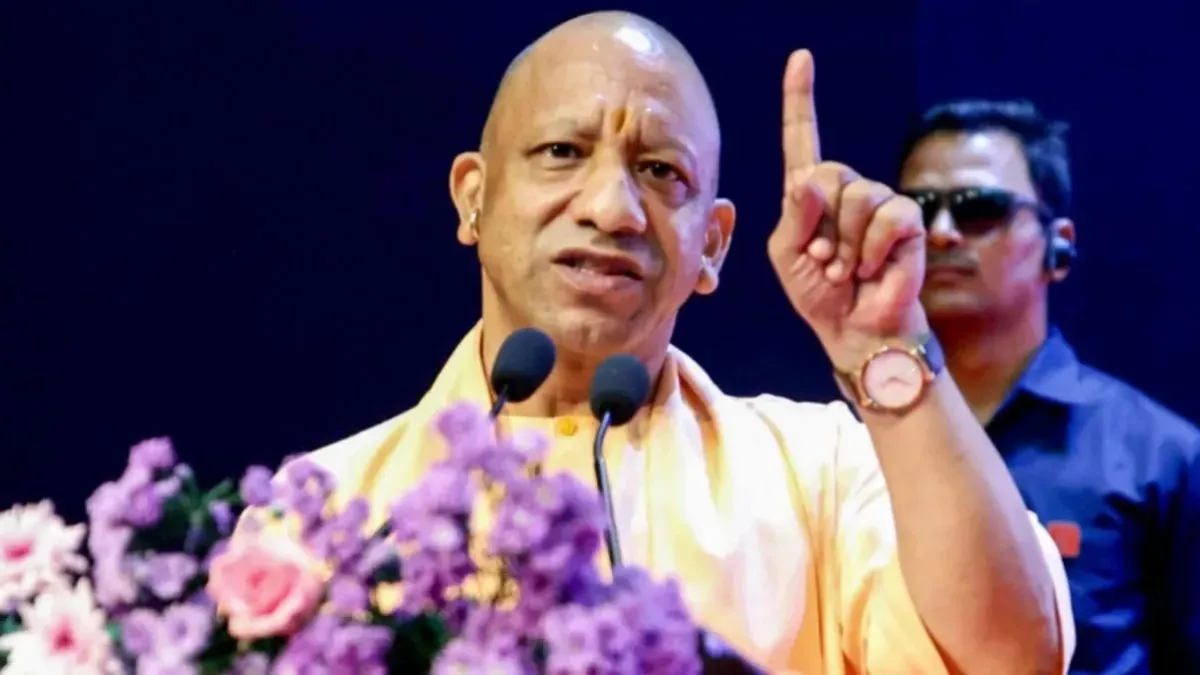
The Uttar Pradesh government has transferred 144 officers in a major administrative reshuffle, assigning new responsibilities across several police commissionerates and districts. The transfers include several Deputy Superintendents of Police (DSPs) and Assistant Commissioners of Police (ACPs), with significant changes in Lucknow, Gautam Buddh Nagar, Ghaziabad, Kanpur, Prayagraj, Agra and Varanasi.

Preparations in Prayagraj for 2027 Magh Mela with pontoon bridge work
The News Mill
UPESSC declares special TET results, 41.5% teachers pass in UP
UPPSC chairpersons over 5-yr tenure ends, faster recruitment & exam reforms mark his term
Div Comm inspects drainage, temple corridor projects
Woman bludgeoned to death inside Kaushambi home
Mason shot dead by unidentified assailants in Muaima
No processions of seers on six major bathing days of Magh Mela
Photography contest puts spotlight on heritage conservation
DNA maps Indias 50,000-year-old link to Southeast Asia

Sand artist pays tribute to Indira Gandhi on birth anniv
Mass Drug Administration drive against filariasis launched in Saidabad
AI can help women focus on career and personal growth: NCW chief
Pradeep Singh Chaudhary, Neetu Kumari win Indira Marathon 2026
UPPSC mulls digital document verification, evaluation for exams
UPPSC announces 365 vacancies for civil judge exam