


SIFs offer better risk-adjusted returns: Rishi Kohli, Jyotivardhan Jaipuria
At the Business Standard Smart Investor Arena, fund managers said SIFs may suit investors seeking risk-adjusted returns, while PMS offers higher return potential with greater volatility

A man received 16 lakh from his mother after she sold gold jewellery, but the Income Tax Department questioned the cash deposits. The Jaipur ITAT deleted the 13.04 lakh addition after examining the gift deed, jewellery valuation and supporting evidence.
NMC gets 3 fresh ragging complaints from Raj colleges
Steering panel defers decision on HOFF appointment for second time
Head constable frames friends in Arms case; arrested
Two held from Kerala in Rs 2.1cr digital arrest case

Maritime Training Institute in Jaipur loses DGMA approval following irregularities
Digital Desk | Kolkata, Oct 27 (IANS) Approval granted to a Maritime Training Institute (MTI) in Jaipur, Rajasthan, has been withdrawn by the Directorate General of Maritime Administration (DGMA) for alleged irregularities. M/s R R Marines Academy, located at Singhu Nagar, Murlipura, Jaipur, was granted approval by the DGMA for conducting Basic Safety Training, Proficiency in Survival Craft and Rescue Boats (PSCRB), Refresher for Proficiency in PSCRB, Refresher Training for Proficiency in FPFF, Refresher Training for Proficiency in PST, and Security Training for Seafarer with Designated Security Duties. After receiving complaints, the directorate had issued a Show Cause Notice dated November 14, 2025, to the MTI for alleged violation in the conduct of the exit examinations. Furthermore, the Directorate General, Shipping (DGS) had advised the MTI against admitting any new candidates, pending completion of the investigation. The MTI has, however, knowingly admitted a fresh batch of candidates who would not be able to appear for the exit exams and therefore cannot be issued with the certificate of the courses to which they had enrolled. The response to the show cause notice received from the MTI clearly indicates serious dereliction on the part of the MTI, and the explanation that it was the manager who had committed all the violations is difficult to comprehend and accept, the DGMA has stated in an order. It has been clearly noted that the DGMA's established procedures for approval of any maritime training institutes in India are underpinned by strict compliance and quality control. The DGMA directives are issued for the MTIs to implement the same in the interest of the Indian seafarers without any negligence, willful or otherwise. The DGMA monitors the institutes to ensure they maintain the set standards and may take disciplinary action if they do not comply. The DGMA has received complaints from three seafarers who had undertaken the basic safety courses at the MTI and have alleged that the promoter of the MTI had promised them jobs onboard ships and has been demanding lakhs of rupees as service charge. These seafarers claimed to have paid the promoter in cash and by electronic means. They have shared documents to support their claim, the order stated. The directorate claimed that the evidence available prima facie indicated serious illegality in the actions of the MTI. Taking cognisance of the aggregated violations, and in the interest of limiting further damage to the seafarers, the MTI was suspended, pending investigation. It was served with another show cause notice, to which the institute replied. Meanwhile, the Mercantile Marine Department in Kandla carried out a detailed investigation into the matter and submitted a report to the DGMA. This was regarding alleged malpractices detected during the exit examination of the MTI. The MMD also recommended the withdrawal of the approval accorded to the MTI. The recommendation of MMD Kandla was deliberated before the 72nd Standards of Training, Certification, and Watchkeeping (STCW) Compliance Board Meeting. The recommendation of MMD Kandla was accepted by the STCW Board. Accordingly, the MTI approval, which was under suspension, has been withdrawn on the e-governance system, the DGMA has said. In the notice, the directorate has clearly announced that all existing approvals granted to M/s R R Marines Academy for all DGMA-approved courses stand withdrawn.
Three years after announcement, Raj to begin first greenfield e-way construction soon
NGT seeks action-taken report on pollution in Bikaners Khara industrial area
Digital Desk | Jaipur, Oct 27 (IANS) Rajasthan Police is conducting an extensive campaign to make the state drug-free and dismantle narcotics trafficking networks. Under the campaign being carried out under the direction of Director General of Police (DGP) Rajiv Kumar Sharma, 7,695 cases related to narcotic substances had been registered and 8,842 accused arrested as of Monday. During this period, 220 wanted criminals were arrested, and raids were conducted at 335 hotspots. Along with seizing narcotic substances, the police have also taken action against illegal assets allegedly acquired through drug trafficking. As part of the campaign, a one-day special operation was conducted across Rajasthan on October 26. During the operation, 262 cases were registered, and 278 accused were arrested. Eight kingpins and traffickers were identified, and action was taken at six hotspots. As part of an extensive inspection drive, 3,496 locations were checked. During the special operation conducted on Monday, the police seized 14.68 kg of opium, 365.33 kg of poppy husk, 65.74 kg of cannabis, 124 cannabis plants, 352.82 grams of smack, 112.78 grams of heroin and 177.57 grams of MD. A total of 1,717 intoxicating tablets were also seized. The police additionally seized Rs 4,98,105 in cash. The estimated value of the recovered narcotic substances was 2,91,18,247. During the operation, 15 vehicles and eight mobile phones were also seized. According to the figures, 7,695 cases related to narcotic substances had been registered and 8,842 accused arrested as of October 26, 2026. In addition, 220 wanted criminals, including absconders, history-sheeters and proclaimed reward offenders, were arrested. Raids were conducted at 335 hotspots during this period. During the overall campaign, Rajasthan Police recovered 1,010.55 kg of opium, 131.46 tonnes of poppy husk and 274.13 kg of MD. The total estimated value of the narcotic substances recovered during the period stood at Rs 1,244.20 crore. As part of targeted action against the illegal drug trade, 35 MD manufacturing units were busted, while raids were conducted at 144 locations to curb illegal cultivation. A total of 2,125 vehicles were seized during the period. Rajasthan Police has also taken action against illegal assets linked to narcotics trafficking. According to the figures available up to October 26, action was taken against 75 properties in 250 property-related cases. The estimated value of the properties concerned was approximately Rs 30.25 crore. Additionally, 149 actions were initiated under Section 68-F of the Narcotic Drugs and Psychotropic Substances (NDPS) Act, while 101 proposals were prepared under the Prevention of Illicit Traffic in Narcotic Drugs and Psychotropic Substances (PIT-NDPS) Act. These measures aim to curb assets allegedly acquired through drug trafficking and disrupt the financial networks supporting the illegal trade. Alongside law enforcement, Rajasthan Police is focusing on public awareness and community participation in the fight against drugs. As of October 26, a total of 363,547 citizens had been engaged through the campaign, of whom 358,682 took a pledge to help build a drug-free society. During this period, 3,966 awareness programmes were organised. Under the direction of DGP Sharma, Rajasthan Police is pursuing the campaign to effectively curb narcotics trafficking, take action against those involved in the illegal trade and protect young people from the harmful consequences of drug abuse.
Bhilwara police arrest 2 in kidnapping, murder of 72-year-old woman
Ex-MLA Gunjal booked in Kota over video-linked threat speech to Birlas OSD
Baran Police registers case against coachs husband for harassing, molesting tribal girls
Investigation Underway
RU to introduce PG course in Rajasthani from next academic session
CISF conducts mock drill at Jaipur airport
Family feud drove man to kill 2 nephews before suicide in Dholpur
Two held in Rs 2.5cr luxury watch heist in Jaipur
Rajasthan Police seeks anti-drone shield along Pak border
SOG arrests ex-prof who solved leaked SI exam papers for kingpin
Raj puts Ebola watch on flyers from high-risk nations
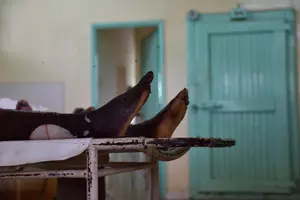
Rajasthan: Woman killed for 15 tolas of gold in Bhilwara; accused burns body, dumps ashes in river
Digital Desk | Jaipur, Oct 27 (IANS) An elderly woman was allegedly strangled to death by her neighbour in Rajasthans Bhilwara district for her gold jewellery weighing 15 tolas. After the murder, the accused allegedly took her body to the rooftop of his house, doused it with petrol and set it on fire. They then dumped the remains and ashes into the Kothari River in an attempt to destroy evidence. The incident took place on October 12 in the Veer Savarkar Nagar area under the Bhimganj police station limits. Police have arrested the victims neighbour, Ravi Tapadia, 43, and his alleged accomplice, Heera Sindhi, in connection with the case. On Tuesday, acting on information provided by the accused, police used a JCB machine to search the Kothari River near the Paldi bridge, around two kilometres from the scene, and recovered the womans remains. According to Bhimganj Station House Officer Sunil Chaudhary, Ravina Kankariya had lodged a missing persons report on October 15 regarding her mother-in-law, Kamala Devi Kankariya. Kamala Devi lived alone. Her husband, Tej Singh Kankariya, had died four years ago, while her son, Saurabh Kankariya, died in a road accident two years ago. Ravina lives in Bhilwaras Azad Nagar area with her two children. A domestic worker employed by Kamala Devi alerted Ravina on October 15 that the house had remained locked and unoccupied since October 12. During the investigation, police discovered that Ravi Tapadia, who lived in the neighbourhood, frequently visited Kamala Devis house. CCTV footage reportedly showed the two leaving together on the evening of October 12. When questioned, Ravi initially told police that Kamala Devi had asked him to drop her at the market and that he had done so. However, investigators found that she had not left Bhilwara. During further questioning, he allegedly confessed to the crime. According to police, Ravi had his eyes on Kamala Devis gold jewellery, weighing approximately 15 tolas. He allegedly lured her away on October 12 and, with the help of Heera Sindhi, strangled her to death. After the murder, the accused allegedly took the jewellery and carried the body to the rooftop of Ravis house. They reportedly poured petrol over the body and set it on fire before disposing of the remaining bones and ashes in the Kothari River near the Paldi bridge. Police collected the recovered remains in a container as part of the investigation. Kamala Devis daughter-in-law, Ravina, said she had last spoken to her mother-in-law on October 6. She regularly visited her and said Kamala Devi had asked her to bring the children along during her next visit. According to Ravina, her mother-in-law would also frequently discuss repairs needed around the house. The accused were taken into custody and produced before a court. Photographs published with the report showed the two men smiling while being escorted by police. Police are investigating the circumstances of the murder and the alleged destruction of evidence.
Jaisalmer district approves 61 new fodder depots amid drought crisis
Rajasthan HC seeks action-taken report on stray dog management

Agarwal, Verma Triumph In National Squash Quarterfinals
Shiven Agarwal and Riyansika Verma secured hard-fought victories in the quarterfinals of the Sub-Junior and Junior National Squash Championship in Jaipur on Tuesday. Agarwal won in five games in the U-17 category, while Verma also came from behind to win her U-17 match. Subhash Choudhary caused an upset in the U-19 boys' category, advancing to the semifinals.

Who is Vijay Vaghela? I am intrigued because he gets a mention in Street of Shame, my favourite section in Private Eye where readers learn what is going on behind the scenes in the newspaper world (Fleet Street was once the home of Britains national newspapers). And newspapers still matter because they collectively shape the way British Asians are perceived by society at large. Referring to the financial problems at the Standard (once known as the Evening Standard), Private Eye reports: In 2024 financial adviser Vijay Vaghela was given 702,000 to come up with a plan that ended with the closure of the daily paper in favour of a once-a-week effort that few Londoners are aware still exists. The Evening Standard was once a great newspaper, where Sam White wrote a column, Sam Whites Paris, for 41 years, on French politics, society and diplomacy. According to the online only i newspaper, Russian origin owner Evgeny Lebedev, who acquired the Evening Standard in 2009, closed the daily paper after pressure from Saudi investors. With the new Saudi influence also pushing for radical plans to rescue it, a team including external consultants was brought in. Vijay Vaghela, the former chief operating officer at the National World newspaper group, and Evening Standard chairman Paul Kanareck, worked on different options. Private Eye also comments on job cuts at the Telegraph: The Guardian reported last week that Axel Springer CEO Mathias Dpfner plans to make between 50 and 100 Telegraph journalists redundant and the Eye is told the chopping is imminent. Thats rather a change in tone from April, when Axel Springer ended the broadsheets almost three-year limbo by pledging to invest significantly in the Telegraphs editorial excellence and international growth. The grim reaper has now struck. In an all-company briefing and email on Friday morning, staff were told the title would rely increasingly on technology, data and AI to reinvent the reader experience. Newsroom insiders said they expected as many as 100 people to lose their jobs, the Guardian reported, adding, A source from inside the Telegraph said the atmosphere in the newsroom was like a morgue. Senior Telegraph journalists might have made a mistake in previously turning down the offer of Arab money from International Media Investments (IMI), an investment fund controlled by Sheikh Mansour bin Zayed Al Nahyan, the vice president and deputy prime minister of the UAE. They felt culturally more comfortable with German owners. Truss on Tory traitors Cover of Liz Truss' Bank Job Eastern Eye Most commentators usually use the word delusional to describe Liz Truss. She has written another book, Bank Job: A short book on how the Bank of England broke the bond market and brought down the government (Free Speech Press), alleging that Michael Gove, Mel Stride and James Cartlidge plotted to remove her as prime minister because they were probably promised jobs under Rishi Sunak. In Bank Job, Truss has a chapter titled Tory Traitors, in which says: A large share of the Conservative parliamentary party had voted for Rishi Sunak in the summer 2022 leadership election. They regarded my victory among members as an error to be corrected. The self-appointed compassionate Conservatives could not bear to touch welfare. Speaking to the Daily Telegraph before the books release on Monday (26), Truss elaborated: All three of those people [Gove, Stride and Cartlidge], and there are many more, I was just naming them as examples, but all three of those people, either on the media, in Parliament, or in meetings like the 1922 committee, attacked me rather than holding the system to account. And the fundamental problem was that not all of the Conservative Party, but a lot of people in the Conservative Party sided with the system. These were people who had backed Rishi Sunak, who probably had been promised jobs under Rishi Sunak, and that was their motivation. How seriously should one take Truss, whose premiership lasted only 45 days? She is the one who said US President Donald Trump is right about everything. Hanif Kureishi on a Shattered life Lunch with Hanif Kureishi doesnt come cheap. The Financial Times had to pick up a bill for nearly 400 for the privilege of interviewing Kureishi, who has written a new book, Are You with Me Now?, as a sequel to Shattered. The bill at the River Caf on the Thames Wharf for Squid 36; Mozzarella 35; Carpaccio 37; Pappardelle 42; Cappellacci x2 68; John Dory 68; Mixed leaves 16; Glass Pinot Bianco x2 26.50; Fresh lemonade 6; Fresh mint tea 4; Cappuccino x2 10 came to 392.08. Of course, Kureishi, who has been tetraplegic since an accident on December 26, 2022 while on vacation in Rome, had to be helped by his son, Carlo Kureishi. Waking up one day to find out youre tetraplegic: its completely devastating and sort of unbelievable, said Kureishi. The writing was an attempt to reconstitute myself as a person, as opposed to a body that was severely damaged and would never recover. To try and work out what that means, and who I am. Asked how he channelled his rage, the author of The Buddha of Suburbia and Oscar-nominated screenwriter of My Beautiful Laundrette said: I remember discussing this with Salman Rushdie [who was attacked the same year as Kureishis accident], and he said, Well, you have to learn to be patient. And I think of that when Im lying there . . . theres a lot of rage about your lack of agency, your impotence, your failure all the time, the fact that youre a burden. Most people probably dont realise that a life changing accident could happen to anyone. Both Kureishi and Rushdie have shown remarkable and inspiring strength of character in dealing with their respective tragedies. Pinto turns Pirelli girl Freida Pinto in 2027 Pirelli calendar Pirelli The Slumdog Millionaire actress Frieda Pinto, who turned 42 last week, features in Pirellis 2027 calendar. In fact, the whole calendar has an Indian theme, which is probably a reflection of the countrys growing prominence in the global economy. Frieda is one of nine women in the calendar, Beyond a Single Gaze, which presents a multifaceted portrait of India. The others are models Bhavitha Mandava and Lakshmi Menon, musician Anoushka Shankar, poet and performer Rupi Kaur, actresses Aditi Rao Hydari and Avantika Vandanapu, and cookery writer Padma Lakshmi, who also happens to be one of Salman Rushdies four ex-wives. All eight have been photographed by Norwegian artist Slve Sundsb at Jaigarh Fort in Jaipur and Ajabgarh village in Rajasthan. She photographed Freida in a fuchsia mini dress against a backdrop of bougainvilleas. Freida expressed pride in the project, noting that the calendar helps dismantle stereotypes by portraying Indian women with complexity and diversity. The other images were taken in the streets of Old Delhi by Avani Rai, who appears both behind and in front of the camera. Her father was the late photographer Raghu Rai, whose books can be seen in all the luxury hotels shops in India. The glamour girls in Pirelli calendars are normally admired in working mens changing rooms. This is the first time in the calendars 53-year-history that an entire calendar has been devoted to India. The guiding idea is to show Indias civilisation, the multitude and the multi-existence of life itself avoiding reduction to a single narrative by embracing what Avani calls the contradictions and multiple coexisting universes of the country. I suppose it is just a coincidence that the Indian women picked by Pirelli all happen to be glamorous. Emergency store in case of war Now that the government has urged people to stockpile three days worth of stores for emergencies, what should British Asians get? It might be useful to include turmeric, ginger, cumin and chilli powder, along with masala chai and the right flour for samosas.

Jaipur Businessman's Rs 20 Kachori Break Costs Him Rs 20 Lakh Loss
The theft occurred around 4 pm when the businessman, identified as Champalal, stopped to eat a kachori and placed the bag containing the cash in front of his scooter when the two men took it and escaped.
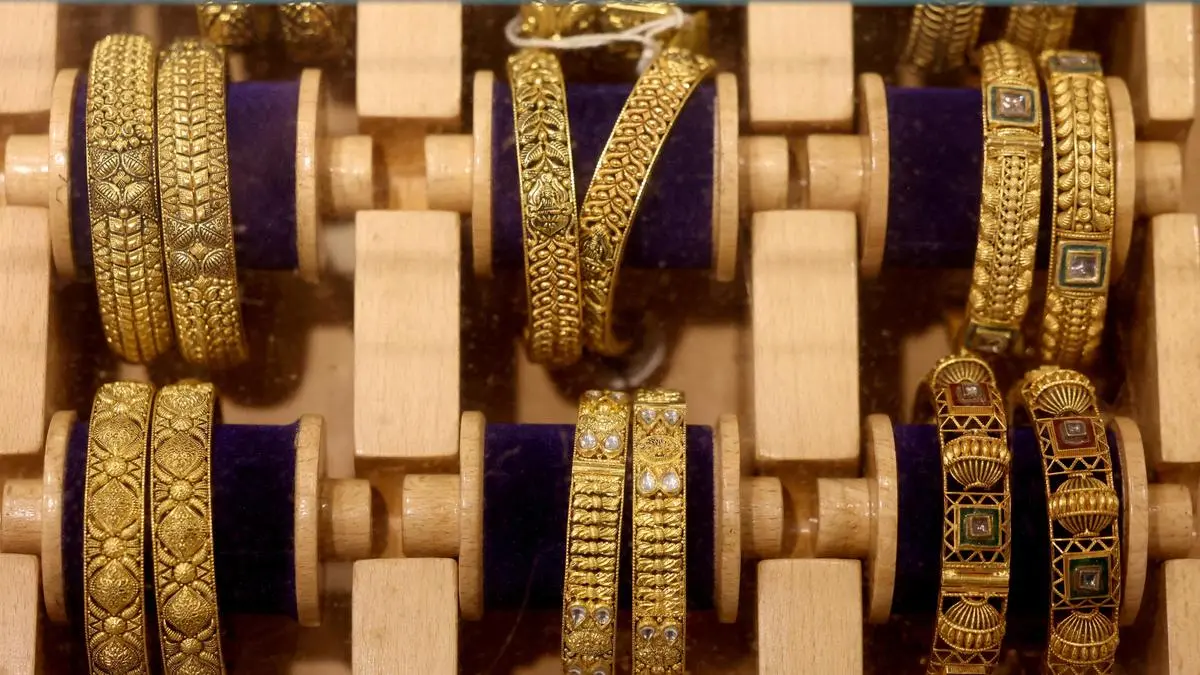
22, 24 carat Gold prices up across other cities on October 27
Jaipur (Rajasthan) [India], October 27: Every Indian kitchen runs on a short list. Atta for the rotis, dal for the evening meal, a spoon of mustard oil for the tadka, a pinch of haldi, and a jar of dry fruits kept aside for guests. Change any one of them and the family notices. Let any one of them be adulterated, and the family pays the price, often without ever knowing.

Rajasthan's Electric Bus Fleet Set To Reach 1,150 Across Jaipur, Jodhpur, And Seven Other Cities
Jaipur's young artist paints stories of life

Power Cut in Jaipur, October 27: Over 100 Areas to Face Electricity Shutdown in Multiple Shifts
Jaipur, October 27, 2026: More than 100 areas in Jaipur are scheduled to face power cuts due to maintenance work by the electricity company. The planned shutdowns will Power Cut in Jaipur, October 27: Over 100 Areas to Face Electricity Shutdown in Multiple Shifts
Jaipur traders plan year-long campaign for citys 300th anniversary
Raj govt likely to hold selection panel meet today for forest chief
New water connections planned amid water scarcity concerns in expanded Jaipur
Jaipur's erstwhile royal Padmanabh Singh performs puja on the occasion of Vijaydashami
Jaipur police crackdown on drunk driving, 557 caught in 3 days
70th National School Games 2026: Jaipur girl Tanishtha Jodha wins bronze medal in taekwondo
Rly min flags off Jaipur-Santragachi Express, boosts east-west connectivity
Rajasthan orders verification of Rs 3,000cr MGNREGA dues pending with Centre
Dotasra seeks clarity over scrapping of Sikar Master Plan 2041
Raj drought declaration questioned as wider distress signals emerge
Churu farmers call Diwali boycott over Yamuna reservoir plan
Fake currency worth Rs 3.45 lakh seized in Jaipur
Man loses 4.4 lakh after clicking fake e-challan link in Jaipur
SOG arrests original, dummy candidates in 2020 Forest Guard exam fraud
HC suspends sentence of man jailed for attempting to sexually assault minor daughter
Accountant concocts robbery story to buy SUV, arrested
Man stabbed to death in Pilani, live-in partners husband held

Relationship-based idioms common in India: Ashok Gehlot defends Kharge
Relationship-based idioms common in India: Ashok Gehlot defends Kharge Jaipur: Former Rajasthan Chief Minister Ashok Gehlot has defended Congress president Mallikarjun Kharge over his controversial remarks concerning Prime Minister Narendra Modis father, accusing the BJP of selectively invoking political decorum while ignoring its own past controversies. In a series of posts on social media platform [] The post Relationship-based idioms common in India: Ashok Gehlot defends Kharge appeared first on Mangalorean.com .

Jaipur, October 26, 2026 (Udaipur Kiran): Indian Railways has launched a new weekly express train connecting Khatipura in Jaipur with Santragachi in West Bengal via Tatanagar. The inaugural New KhatipuraSantragachi Express Connects Rajasthan with West Bengal
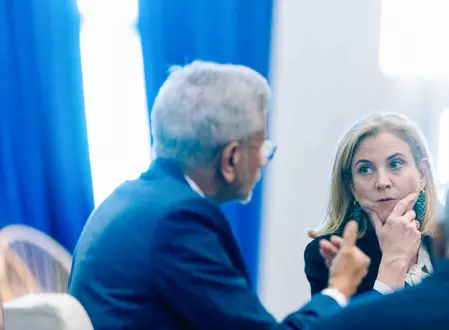
Austria's Foreign Minister to visit India, hold talks with EAM Jaishankar
Digital Desk | New Delhi, Oct 26 (IANS) Austria's Federal Minister for European and International Affairs Beate Meinl-Reisinger will be on an official visit to India from October 27 to November 2, the Ministry of External Affairs (MEA) announced on Monday. During her visit, Reisinger will hold talks with External Affairs Minister (EAM) S Jaishankar at Hyderabad House in New Delhi on Wednesday. After concluding her engagements in New Delhi, the visiting minister will participate in various events in Jaipur from October 29 to November 2. Earlier in the day, EAM Jaishankar extended wishes to Beate Meinl-Reisinger and the people of Austria on the country's National Day and expressed commitment to further enhancing the Enhanced Partnership between the two nations. Warm felicitations to FM Beate Meinl-Reisinger, the Government and people of Austria on their National Day. Committed to further strengthening our Enhanced Partnership, EAM Jaishankar posted on X. On October 6, Secretary (West) in the Ministry of External Affairs (MEA), Sibi George met Austria's National Security Advisor Peter Vorhofer, and discussed ways to strengthen cooperation between the two nations in security and strategic matters, including counter-terrorism. Secretary (West) Sibi George received Dr Peter Vorhofer, National Security Advisor of Austria. They discussed ways to further strengthen India-Austria cooperation in security and strategic matters, including counter-terrorism and exchanged views on regional and global issues of mutual interest, the MEA said on X. On June 11, Austrian Chancellor Christian Stocker congratulated Prime Minister Narendra Modi on becoming the longest-serving elected PM of India and stressed that India has emerged as one of the fastest growing economies and very strong partner of Austria and the European Union under PM Modi's leadership. Congratulations Prime Minister Narendra Modi on becoming the longest serving, elected Prime Minister of India. During your leadership of the worlds largest democracy, India has emerged as one of the worlds fastest growing economies and a very strong partner of Austria and the European Union, Stocker posted on X. In response, PM Modi thanked Chancellor Stocker for his warm wishes and recalled his recent visit to India. PM Modi stated that he looked forward to working with Stocker to further strengthen ties between India and Austria.

Reva Diamonds posts 52% revenue jump in H1FY27, opens first Jaipur store
Profit after tax for H1FY27 stood at 505 million, up 151% from 201 million in the corresponding period last year, with a PAT margin of 21%
Rajasthan to align quality of polytechnic colleges with industry demands
Recently, 'Samvad' (dialogue) programme was held in Jaipur, chaired by Srinivas, to discuss the strengthening of government polytechnic colleges and improvement of the quality of technical education
Fake Notes Worth Lakhs Seized In Jaipur
Jaipur police arrested a man with counterfeit currency notes worth Rs 3.45 lakh, primarily in Rs 500 denominations, ahead of Diwali. The accused, Shahbaz Khan, allegedly procured the fake notes from Old Delhi for circulation during the festive season. An investigation is underway to uncover the source and other members of the racket.
Khajuraho set for Rs 500 crore tourism push to join Delhi-Agra-Jaipur circuit

22, 24 carat Gold prices up across other cities on October 26

North Western Railway (NWR), through the Railway Recruitment Cell (RRC), Jaipur, has released Notice No. 04/2026 (NWR/AA) for the engagement of Act Apprentices under the Apprentices Act, 1961, for the year 2026-27, against 2,008 training slots across various trades at Workshops/Units within North Western Railway's jurisdiction. Eligible candidates can apply online at www.rrcjaipur.in from 7 October 2026 to 6 November 2026 (23:59 hrs).
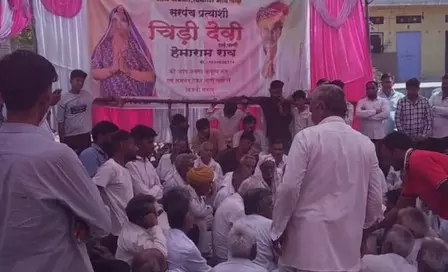
Digital Desk | Jaipur, Oct 26 (IANS) In a remarkable example of social bonding, villagers in Nagaur district have raised Rs 25 lakh for Chidi Devi after she lost the sarpanch election by just 162 votes. The gesture has drawn attention to the spirit of community support and solidarity in rural Rajasthan. Amid the results of the 2026 Panchayati Raj elections in Rajasthan, an inspiring story of social unity has emerged from Nagaur district in Bhadaura Gram Panchayat, under Mundwa Panchayat Samiti. Villagers came together to honour Chidi Devi, a 45-year-old woman from a farming family, after she narrowly lost the sarpanch election. While electoral defeats often leave candidates and their supporters disappointed, residents of Modi village chose to turn the occasion into a celebration of community spirit. Following a village assembly, residents collectively raised Rs 25 lakh as a gesture of respect and appreciation for Chidi Devi and her family. Village elders, young people and prominent community members subsequently gathered with the money arranged on a ceremonial platter. Accompanied by music and celebrations, they visited Chidi Devis home to present the amount, turning her electoral defeat into an occasion of honour. The gesture has become a topic of discussion in Nagaur district and beyond, highlighting how community relationships can extend beyond the outcome of an election. Chidi Devi, a resident of Modi village in Bhadaura Gram Panchayat, comes from a modest farming family. Her husband, Hemaram Rao, is also a farmer. In the sarpanch election, Chidi Devi contested against Girija Sandu, daughter-in-law of Madho Singh, a retired police Inspector from Bhadaura village. The contest was closely fought. Girija Sandu secured 1,317 votes, while Chidi Devi received 1,155 votes, resulting in a defeat by a margin of just 162 votes. Although the result disappointed her supporters, the villagers decided to respond differently. Rather than allowing the electoral outcome to overshadow their relationships, they came together to recognise the candidates standing within the community. Following the election results, a special panchayat was organised in the village. During the gathering, villagers and prominent local residents emphasised that electoral victory and defeat were temporary, while brotherhood, mutual respect and social unity were far more enduring. The gathering was marked by a shared sentiment: If there is a win, the entire village wins; if there is a loss, the entire village loses. Inspired by this spirit of solidarity, residents began contributing money collectively. They eventually raised Rs 25 lakh and presented the amount to Chidi Devi and her husband, Hemaram Rao, at their home. The contribution was intended as a gesture of appreciation and respect, demonstrating that the villagers valued their relationship with the family beyond the result of the sarpanch election. According to villagers, the affection shown towards Hemaram Rao and his family reflects their longstanding involvement in local welfare activities. Around two years ago, Hemaram Rao reportedly donated a new tractor to the villages gaushala (cow shelter) using his personal savings. He also established a facility providing drinking water to villagers and passersby. In addition, he announced plans to fund the drilling of a borewell to help address the villages drinking-water needs. These contributions to local welfare are believed to have strengthened the familys ties with residents and contributed to the widespread support they received after the election. For the villagers, the decision to raise Rs 25 lakh was not simply about compensating a candidate for an electoral loss. It was also a way of acknowledging the familys social contributions and reinforcing a sense of shared responsibility. The unexpected gesture left Chidi Devi and Hemaram Rao deeply moved. Speaking to the media, Hemaram Rao acknowledged that the family had felt disappointed by the election result. However, the villagers response transformed that disappointment into a moment of pride and gratitude. He expressed the view that holding political office was not the only measure of success and that the affection, respect and support of the people around him were far more valuable. The villagers gesture has highlighted a broader message about rural life in Rajasthan: Political competition does not necessarily have to divide communities, and social relationships can remain strong even when election results disappoint individual candidates. The story offers a striking example of how collective goodwill, community participation and mutual respect can take precedence over electoral victory or defeat.

Rajesh Naik was in his early 40s when he got the opportunity of a lifetime to have breakfast with superstar Shah Rukh Khan, not just for a day, but for an entire week! This extraordinary experience took place on the sets of Asoka (2001) in Jaipur, Rajasthan. As the period drama, co-starring Kareena Kapoor Khan, completed 25 years on October 26, Bollywood Hungama exclusively spoke to Rajesh Naik, now 66, about how a common man landed this enviable opportunity and came away with memories to cherish for a lifetime. Rajesh Naik began by saying, I was deputed by the board of directors of Exide Industries Ltd to Jaipur, Rajasthan, to take over the operations. Initially, I was alone in Jaipur. My wife, Bhavna, and son, Hardik, had not joined me yet. Meanwhile, one of my close friends, the late Ravi Indulkar, was Shah Rukh Khans personal makeup man. We used to call him Ravi Dada. Shah Rukh also called him the same. Ravi Dada was aware that I had shifted from Mumbai to Jaipur. He called me one day at 8:45 in the morning and told me, We are in your city and Sahab bhi hai. By Sahab, he meant Shah Rukh. I asked him the purpose of the visit. He replied, We are here for the shoot of Asoka. You should join us and have breakfast with Shah Rukh and us! Rajesh Naik immediately agreed. When asked whether Kareena Kapoor Khan was also present at the breakfast table, he replied, I dont remember if she was there, but the child actor (Sooraj Balaji) was present. You wont believe how Shah Rukh treated me. He was so happy that I accepted his invitation when it should have been the other way round! After we were done, he asked, We are here for 7 more days. Aap roz hamare saath breakfast karne aayenge kya?! The offer was very tempting, but I suddenly remembered that I had to be at work early in the morning. So, I told him, Thank you so much, but unfortunately, I wont be able to change my routine. He understood my reason and told me, Sure. Aapse ho sakta hai, toh hi aaiye. But I insist that you should join us. Rajesh Naik revealed, I couldnt resist, and I ended up going for breakfast all 7 days! The shoot of Asoka was taking place 22 km outside the city. He used to call me Sir. During one of our breakfast sessions, he asked me, Sir, would you and your office people like to come and see the shoot of our movie?. I accepted this invitation too. I went to my office and asked my team if they were interested. Obviously, they agreed but requested that we go on a Saturday, which was an off day. He added, My team had a total of 17 members. A minibus was booked, and we went to witness the shoot. The battle sequence was being shot. Even back then, he was a huge star, and yet, he was so kind to each one of them, as if we were VIPs. Food was arranged for us. A couple of people even went to his vanity van and shook hands with Shah Rukh! Rajesh Naik laughed as he shared, My team was so charged up after that meeting and Shah Rukh's behaviour towards them that their efficiency increased. Our sales increased by almost 24% that year. The credit for it goes to Shah Rukh and Ravi Dada! Shah Rukh surely has some effect. Did he get a chance to click a picture with the superstar? Rajesh Naik said, Yes, I clicked a picture with him. I asked him if he would put his hand on my shoulder. He laughed and was more than happy to accept my request (laughs). Rajesh Naik then got a couple of chances to meet the superstar, though those meetings were brief. Meanwhile, he also recalled a touching incident that Ravi Dada had narrated to him. He revealed, While the shoot of Asoka was going on, his assistants mother passed away. Shah Rukh flew to Mumbai to pay his last respects. He even gave some money to the assistant. Then, he returned to Jaipur immediately. No one in the team was aware of his visit. Ravi Dada knew about it, and he told me. He said that this is how Shah Rukh treats every person in his team.
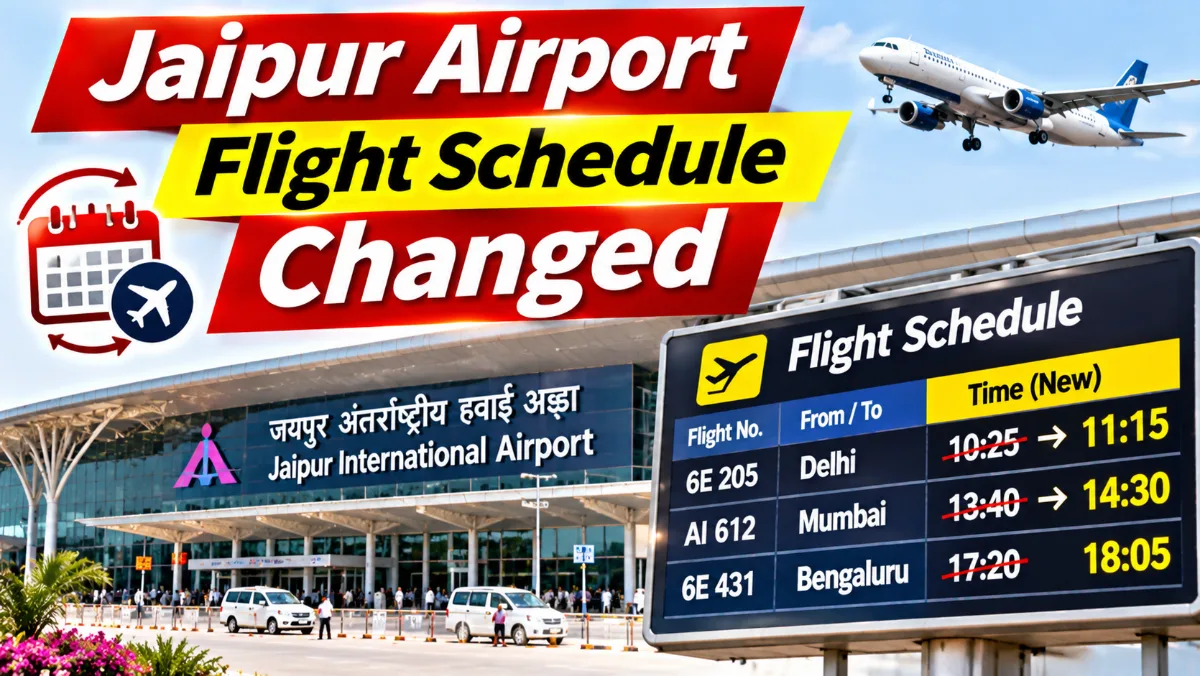
Jaipur, October 26, 2026 (Udaipur Kiran): Flight schedules at Jaipur International Airport have been changed, affecting services to Mumbai and Bengaluru. Air Indias JaipurMumbai flight will depart two Jaipur Airport Flight Schedule Changed: Air India Mumbai Flight Delayed by 2 Hours, Akasa Air Bengaluru Flight Timing Revised

Jaipur, October 26, 2026 (Udaipur Kiran): Rajasthan is witnessing contrasting weather conditions in the final week of October. While falling night temperatures are bringing a gradual increase in Rajasthan Weather Update: Dry Conditions for Three Days, Rain Alert for Jaipur, Bharatpur and Kota Divisions from October 29

Woman, two girls drown in pond in Telangana
Hyderabad: A woman and two girls died after drowning in a pond at Kashimpalli village in Jaipur mandal on Sunday, October 25. The deceased were identified as Manemma, 24, her sister-in-law Keerthana, 16, and her younger sister Kavya, 9. They belong to the same family and were migrants. They had reportedly gone to the pond Get the latest updates in Hyderabad City News , Technology , Entertainment , Sports , Politics and Top Stories on WhatsApp & Telegram by subscribing to our channels. You can also download our app for Android and iOS .
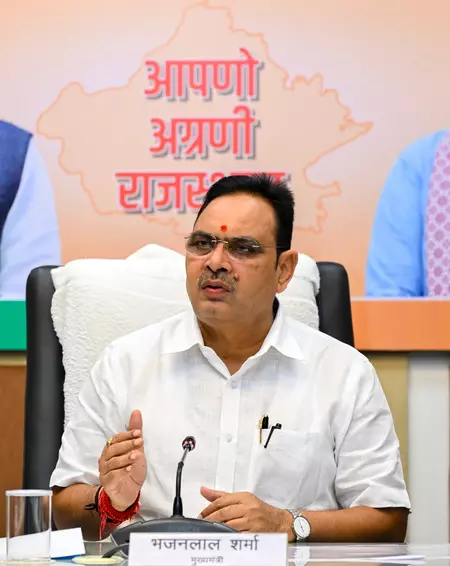
Rajasthan declares 80 tehsils across 14 districts drought-affected; Jalore, Jodhpur among worst-hit
Digital Desk | Jaipur, Oct 26 (IANS) Rajasthan has declared 80 tehsils across 14 districts drought-affected following deficient monsoon rainfall and damage to standing crops. The affected areas include parts of Jodhpur, Jalore, Barmer, Balotra, Pali, Dungarpur, Jaisalmer and other districts. According to a state government notification issued on Sunday, the tehsils have been classified as severely or moderately drought-affected. The decision comes amid concerns over crop losses, water shortages and the availability of fodder for livestock. Chief Whip Jogeshwar Garg said drought-like conditions had developed in several parts of the state, prompting the government to take measures to address the situation. He said fodder depots would be established in affected areas and all possible assistance would be extended to farmers and livestock owners. Garg also confirmed that 10 tehsils in Jalore district had been declared drought-affected. The district-wise distribution of the affected tehsils include Jodhpur: 12 tehsils; Jalore: 10 tehsils; Barmer: 10 tehsils; Balotra: 9 tehsils; Pali: 8 tehsils; Dungarpur: 7 tehsils; Jaisalmer: 7 tehsils; Phalodi: 7 tehsils; Banswara: 3 tehsils; Beawar: 2 tehsils; Churu: 2 tehsils; Bikaner: 2 tehsils; one tehsil each in Nagaur and Sirohi. The notification brings the affected areas under the applicable drought-related provisions for six months from the date of its publication, according to the supplied details. The Disaster Management and Relief Department issued the notification after assessing factors such as rainfall deficiency, groundwater levels, surface water availability and crop losses. The declaration is expected to facilitate administrative and relief measures in the affected areas. These may include arrangements for livestock fodder and water, along with other assistance under the applicable government provisions. According to the rainfall figures cited in the report, Pali recorded a rainfall deficit of 58 per cent, while Jaisalmer recorded a deficit of 54 per cent compared with normal levels. Jalore received 50 per cent less rainfall than normal, followed by Banswara at 39 per cent and Sirohi at 36 per cent. The reported deficits were 28 per cent in Balotra, 27 per cent in Jodhpur and 24 per cent in Dungarpur. The rainfall shortfall has affected agricultural activities in several areas, with standing crops reportedly withering due to insufficient moisture. The resulting losses have added to farmers' concerns over their livelihoods and the availability of water for agriculture and livestock. The drought declaration is expected to help district administrations initiate necessary relief measures. Farmers and livestock owners are looking to the authorities for support, particularly in securing fodder and water.

303 persons with disabilities receive artificial limbs, mobility aids at Sharifabad camp
Srinagar, Oct 24: As many as 303 persons with disabilities received artificial limbs and mobility aids during a two-day camp organised by the Army's Chinar Corps in collaboration with Bhagwan Mahaveer Viklang Sahayata Samiti (BMVSS), popularly known as Jaipur Foot, at Sharifabad on October 23 and 24. The camp provided free prosthetic limbs and mobility assistance to people facing physical disabilities, with the aim of improving their movement, independence and ability to carry out everyday activities. According to organisers, 190 beneficiaries were fitted with customised artificial limbs, while another 113 received mobility aids, including wheelchairs, crutches and callipers. A team of prosthetic technicians and medical specialists from BMVSS examined beneficiaries individually before providing artificial limbs suited to their physical requirements. The camp brought specialised prosthetic services closer to beneficiaries, allowing them to receive assessment and assistance without having to travel to distant medical facilities. Local residents and beneficiaries appreciated the initiative, saying access to artificial limbs and mobility aids could help persons with disabilities regain independence and participate more actively in daily life. The organisers said the programme was part of efforts to extend rehabilitation support to vulnerable sections of society through cooperation between the Army and civil society organisations. The initiative also highlighted the importance of accessible rehabilitation services and sustained assistance for persons with disabilities across the Kashmir Valley.
Road accident kills one, injures 10
A match like none other: Transplant survivors, donors celebrate a victorious second innings
Raj govt declares 80 tehsils across 14 dists drought-hit
Health dept steps up checks on mawa, edible oil in Jaipur ahead of Diwali
1,100 CCTV cameras scanned, but no clue in Rs 2.5cr watch heist
RU replaces cross-disciplinary HoDs in four out of five departments
One city, two driving tests: Jhalanas automated track vs Vidhyadhar Nagars manual check
Woman dies after C-sec in Kota hosp, family alleges delay in Baran
Market beautification, traffic and parking in focus ahead of Diwali
Cong targets to mobilise 1L people from Raj for Nov 1 Delhi rally
Jaisalmer MLA writes to CM over canal water shortage, seeks compensation for farmers
Rajasthan rolls out winter water plan as reservoir levels drop 30%
Rajasthan Pravasi Divas to host 5k members on Dec 10
Drone-dropped heroin worth Rs 5 crore recovered near India-Pak border in Sriganganagar
Wanted gangsters father held for alleged arms supply, sheltering aides
Cong functionary Draupdi Koli named in FIR over alleged assault in Ajmer land dispute
Kota constable caught red-handed taking Rs 2,000 bribe
Ajmer police freezes Rs 15 Lakh assets of absconding smuggler
11,653 candidates in fray for rural polls third phase; BLO dies during deputy sarpanch election