



146 Players, 27 Slots: WPL Teams Gear Up for Auction Day
The Women's Premier League (WPL) mini-auction in Kochi on Wednesday will see 146 players, including capped Indian and international cricketers, go under the hammer. Teams like UP Warriorz, Gujarat Giants, Royal Challengers Bengaluru, Delhi Capitals, and Mumbai Indians will bid for 27 available spots, with a focus on Indian talent and strategic backups for the WPL 2027 season.
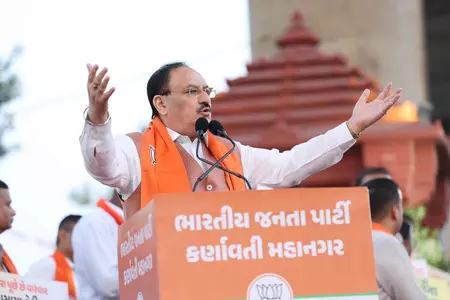
Gujarat: JP Nadda targets Congress over appointments linked to poll body
Digital Desk | Ahmedabad, Oct 27 (IANS) Union Health and Family Welfare Minister Jagat Prakash Nadda on Tuesday accused the Congress of attempting to influence the Election Commission through appointments to public offices during its tenure in power, while defending the poll body's functioning amid the Opposition's criticism of the Special Intensive Revision (SIR) of electoral rolls. Addressing the BJP's Save Democracy, Remove Anarchy rally in Ahmedabad, attended by Gujarat Chief Minister Bhupendra Patel and Deputy Chief Minister Harsh Sanghavi, Nadda cited several former election officials who, he alleged, had subsequently received positions in government or public institutions under Congress administrations. He referred to former Chief Election Commissioner T.N. Seshan, who contested against BJP veteran L.K. Advani from Gandhinagar on a Congress ticket, and former Chief Election Commissioner M.S. Gill, who was nominated to the Rajya Sabha and later served as Union Sports Minister. Nadda also cited former Rajasthan chief minister Ashok Gehlot's alleged allotment of six acres of land to Naveen Chawla for an educational trust. He referred to the appointments of former Election Commissioner Sukumar Sen as vice-chancellor of Burdwan University, K.V.K. Sundaram as an adviser to the Union Home Minister, and Nagendra Singh as India's representative to the United Nations General Assembly. He further cited V.S. Ramadevi's appointments as Governor of Himachal Pradesh and Karnataka, arguing that he Congress had attempted to bring the poll body under its influence through such appointments. Defending the BJP-led government's changes to the appointment process, Nadda said: Prime Minister Narendra Modi had, in accordance with a Supreme Court judgment, included the Leader of the Opposition in the Lok Sabha in the process of selecting the Chief Election Commissioner and Election Commissioners. The Union minister accused the Congress of questioning constitutional institutions whenever their decisions went against it. The party's criticism of the Election Commission is part of a broader pattern of challenging institutions, including the judiciary and the Comptroller and Auditor General (CAG), he said. Referring to the Congress-led government's handling of the 2G spectrum and coal allocation controversies, Nadda alleged that the party had threatened the CAG and its officials over their reports. He also recalled former Prime Minister Rajiv Gandhi's reported description of the Planning Commission as a group of buffoons, noting that Manmohan Singh was its chairman at the time. Nadda accused the Congress of undermining constitutional authority through the establishment of the National Advisory Council (NAC), which he said had been placed on a footing comparable to the Prime Minister's Office. He also referred to Rahul Gandhi publicly tearing up an ordinance brought by the Manmohan Singh government. The minister cited the dismissal of elected state governments under Article 356 of the Constitution as another example of what he described as the Congress's record on democratic institutions. Congress governments had dismissed elected governments on 100 occasions, with former Prime Minister Indira Gandhi responsible for 50 of those instances, he said. Nadda also invoked the Emergency, alleging that around 1.3 lakh people had been imprisoned under the Maintenance of Internal Security Act and the Defence of India Rules without trial for prolonged periods. He questioned the Congress's present claims to defend democracy in light of that period. The BJP leader said, The Congress should reflect on its electoral performance instead of blaming the Election Commission and electronic voting machines for defeats. He argued that elections were decided by voters and not by rallies or protests, and asserted that the BJP would seek another mandate under PM Modi in 2029. The rally was part of the BJP's nationwide campaign against what it describes as attempts by the Congress and the INDIA bloc to undermine democratic institutions.
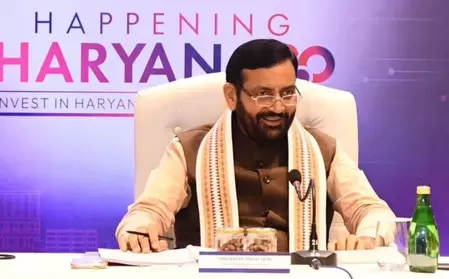
Haryana signs MoUs worth Rs 12,000 crore on first day of Gujarat visit
Digital Desk | Chandigarh/Surat, Oct 27 (IANS) Haryana signed memorandums of understanding (MoUs) involving proposed investments of around Rs 12,000 crore on Tuesday, with commitments spanning defence textiles, renewable energy, industrial machinery and waste-to-energy projects, as the state seeks to attract fresh industrial investment ahead of its global summit in April 2027. The agreements were signed on the first day of a high-level delegations visit to Gujarat, led by Haryana Chief Minister Nayab Singh Saini. The proposed investments include Rs 5,000 crore in defence textiles, Rs 2,000 crore in technical textiles and Rs 500 crore in industrial machinery. A further Rs 4,000 crore has been proposed for the waste-to-energy sector, while solar energy and cosmetics manufacturing together account for investments worth Rs 400 crore. During the visit, Saini held one-to-one meetings with founders, managing directors and chief executive officers of various companies to discuss the expansion of their existing operations in Haryana, the establishment of new industrial units and potential investment proposals. Industries and Commerce Minister Rao Narbir Singh also attended the meetings. The Chief Minister said the state government was committed to supporting investors and entrepreneurs and attracting investment to generate employment opportunities for young people. Haryana is working to improve the ease of doing business and provide a favourable environment for industrial development. The government aims to offer investors a combination of supportive policies, industrial infrastructure, connectivity and essential facilities, while simplifying procedures and ensuring time-bound approvals, he said. Saini said the state is focusing on better coordination between government departments to reduce procedural hurdles and facilitate the establishment and operation of industrial projects. Haryanas single-window clearance system, investment promotion schemes and plug-and-play industrial facilities were among the measures intended to make the state more attractive to businesses. The government is also seeking to ensure that industries investing in Haryana receive applicable incentives, necessary approvals and departmental assistance in accordance with the rules. Feedback from industry representatives would be considered to improve policies and procedures and help companies implement projects on schedule, he said. He described the MoUs signed on Tuesday as steps towards expanding industrial activity, developing ancillary industries and encouraging new business partnerships. Their implementation could create employment opportunities, strengthen the local economy and increase Haryanas industrial capacity. The Chief Minister invited industrialists and investors to attend the 'Happening Haryana Global Summit', scheduled to be held in April 2027. During the meetings, industry representatives discussed investment opportunities across various sectors and expressed interest in Haryanas industrial infrastructure, business facilitation measures and investment promotion policies.

WPL 2027: G. Kamalini Fully Available As Four New Names Added To Player Auction Pool
Delhi Premier League: Four more players have been added to the Womens Premier League (WPL) 2027 auction list at the request of the five franchises, while India wicketkeeper-batter G. Kamalini will be available for the entire season, a source told IANS. The new entrants in the 2027 WPL auction pool, which now stands at 150 players, are Delhi all-rounders Medhavi Bidhuri and Samaira Raghav, New Zealand pacer Bree Illing and Uttar Pradesh bowler Avanya Jain. The auction will start at 5:30 pm in Kochi on Wednesday. Yes, during the auction briefing held today, the late addition of four players was made, and all five teams were informed about it. All five teams were also told that G Kamalini is fully available for the 2027 WPL season as she will not be playing in the 2027 U-19 World Cup, which was the case before, further said the source to IANS on Tuesday. Kamalinis availability for 2027 WPL had been in question before she was understood to be in contention for next years Under-19 World Cup, which directly clashes with the tournaments fifth season running from January 14 to February 7. Two-time winners, Mumbai Indians had released Kamalini, who had a contract of Rs 1.1 crore, during last months retention deadline. But with Kamalini, who has set her base price at Rs 40 lakhs, fully available for the WPL, it means that she can get a good payday at the auction, where 27 slots are to be filled, and wicketkeeper-batters will be in great demand. While Medhavi, who bowls leg-spin, has gone viral for her 6-7 celebration in the Delhi Premier League (WPL) womens competition, Samaira is coming off a good showing in the U19 Womens T20 Trophy and is also believed to be selected for the U19 Womens T20 Challengers tournament, which prompted her late addition to the WPL auction pool. The 2027 WPL auction will open with a full round of capped players, and is followed by a full round of uncapped players. After the 50th player, the accelerated rounds may begin. With each teams overall purse at Rs 15 crore, UP Warriorz, who finished last in 2026 and have never reached the final in four seasons, have the most to spend at Rs 3.75 crore. The Meg Lanning-led side has eight slots to fill -- five Indian and three overseas spots. Gujarat Giants have a purse of Rs 1.25 crore available to fill three slots -- one of which is overseas. Defending champions and two-time winners Royal Challengers Bengaluru have Rs 1.15 crore available to fill five slots -- two of which are overseas. Four-time runners-up Delhi Capitals have Rs 1.10 crore in hand to fill five slots -- one of which is overseas. Mumbai Indians have Rs 90 lakh purse available to fill six Indian player slots. Australias T20 World Cup-winning captain Sophie Molineux, who has listed herself at a base price of Rs 50 lakh, and Jess Jonassen, who missed the 2026 season with a shoulder injury, are the biggest overseas names in the auction pool. Scotland wicketkeeper-batter Sarah Bryce is another name that will keep five teams interested, as well as Indias off-spin bowling all-rounder Sneh Rana. Uncapped batters Vrinda Dinesh, Gongadi Trisha, Saanika Chalke, and Mumbais 15-year-old batting sensation Ira Jadhav could draw strong bidding interest from the five franchises. Australias T20 World Cup-winning captain Sophie Molineux, who has listed herself at a base price of Rs 50 lakh, and Jess Jonassen, who missed the 2026 season with a shoulder injury, are the biggest overseas names in the auction pool. Also Read: Special Cricket Stories Article Source: IANS

The 15th meeting of the Narmada Control Authority Review Committee was held on Tuesday under the chairmanship of Union Minister for Jal Shakti, CR Patil. Rajasthan Chief Minister Bhajanlal Sharma, Maharashtra Chief Minister Devendra Fadnavis, Madhya Pradesh Chief Minister Mohan Yadav, and Gujarat Chief Minister Bhupendra Patel, along with senior officials, participated in the meeting via video conference, according to a press release. Patil stated that under the leadership of Prime Minister Narendra Modi and the guidance of Union Home Minister Amit Shah, new dimensions have been established in long-pending inter-state water cooperation. The agreement reached on July 7, in New Delhi, in the presence of the Chief Ministers of Rajasthan, Gujarat, Madhya Pradesh, and Maharashtra, is being effectively implemented by the Narmada Control Authority Review Committee. He noted that decades-old water agreements have finally taken concrete shape through mutual consensus, coordination, cooperation,...
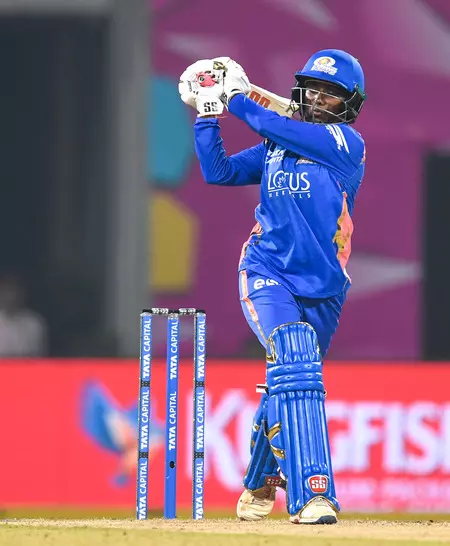
G. Kamalini fully available as four new names added to WPL 2027 auction pool
Digital Desk | New Delhi, Oct 27 (IANS) Four more players have been added to the Womens Premier League (WPL) 2027 auction list at the request of the five franchises, while India wicketkeeper-batter G. Kamalini will be available for the entire season, a source told IANS. The new entrants in the 2027 WPL auction pool, which now stands at 150 players, are Delhi all-rounders Medhavi Bidhuri and Samaira Raghav, New Zealand pacer Bree Illing and Uttar Pradesh bowler Avanya Jain. The auction will start at 5:30 pm in Kochi on Wednesday. Yes, during the auction briefing held today, the late addition of four players was made, and all five teams were informed about it. All five teams were also told that G Kamalini is fully available for the 2027 WPL season as she will not be playing in the 2027 U-19 World Cup, which was the case before, further said the source to IANS on Tuesday. Kamalinis availability for 2027 WPL had been in question before she was understood to be in contention for next years Under-19 World Cup, which directly clashes with the tournaments fifth season running from January 14 to February 7. Two-time winners, Mumbai Indians had released Kamalini, who had a contract of Rs 1.1 crore, during last months retention deadline. But with Kamalini, who has set her base price at Rs 40 lakhs, fully available for the WPL, it means that she can get a good payday at the auction, where 27 slots are to be filled, and wicketkeeper-batters will be in great demand. While Medhavi, who bowls leg-spin, has gone viral for her 6-7 celebration in the Delhi Premier League (WPL) womens competition, Samaira is coming off a good showing in the U19 Womens T20 Trophy and is also believed to be selected for the U19 Womens T20 Challengers tournament, which prompted her late addition to the WPL auction pool. The 2027 WPL auction will open with a full round of capped players, and is followed by a full round of uncapped players. After the 50th player, the accelerated rounds may begin. With each teams overall purse at Rs 15 crore, UP Warriorz, who finished last in 2026 and have never reached the final in four seasons, have the most to spend at Rs 3.75 crore. The Meg Lanning-led side has eight slots to fill -- five Indian and three overseas spots. Gujarat Giants have a purse of Rs 1.25 crore available to fill three slots -- one of which is overseas. Defending champions and two-time winners Royal Challengers Bengaluru have Rs 1.15 crore available to fill five slots -- two of which are overseas. Four-time runners-up Delhi Capitals have Rs 1.10 crore in hand to fill five slots -- one of which is overseas. Mumbai Indians have Rs 90 lakh purse available to fill six Indian player slots. Australias T20 World Cup-winning captain Sophie Molineux, who has listed herself at a base price of Rs 50 lakh, and Jess Jonassen, who missed the 2026 season with a shoulder injury, are the biggest overseas names in the auction pool. Scotland wicketkeeper-batter Sarah Bryce is another name that will keep five teams interested, as well as Indias off-spin bowling all-rounder Sneh Rana. Uncapped batters Vrinda Dinesh, Gongadi Trisha, Saanika Chalke, and Mumbais 15-year-old batting sensation Ira Jadhav could draw strong bidding interest from the five franchises. Jess, though, is down with a neck injury, which has ruled her out of the upcoming WBBL. Though her return to play is set for the new year, it may be too close to comfort for teams to pick her for 2027 WPL. Ira's availability for WPL 2027 will also be doubtful if she is selected for India's U-19 Women's T20 World Cup squad.
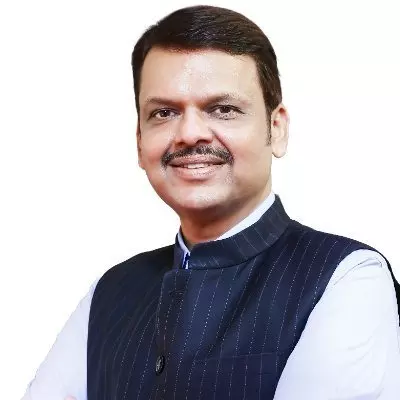
Maha to receive 5 TMC water from Ukai Dam under Narmada Water Award: CM Fadnavis
Digital Desk | Mumbai, Oct 27 (IANS) In a major boost to Maharashtra's water share, directions have been issued to provide 5 TMC (Thousand Million Cubic feet) of water to the state from the Ukai Dam, in accordance with the Narmada Water Disputes Tribunal Award. The decision was finalised during a high-level review committee meeting of the Narmada Control Authority, following strong representations made by Maharashtra Chief Minister Devendra Fadnavis. Union Minister for Jal Shakti, C R Patil, issued immediate instructions to facilitate the release of water following the Chief Minister's demand. Under the original Narmada Water Disputes Tribunal Award, Maharashtra was sanctioned a total share of 10 TMC of water, comprising 5 TMC to be routed through the Narmada-Tapi diversion canal scheme and 5 TMC to be drawn directly from the Ukai Dam. CM Fadnavis highlighted that the decision to release water in accordance with regulations was previously agreed upon in a joint meeting with Union Home Minister Amit Shah. CM presented Maharashtra's stance alongside an update on the state's obligations toward the Narmada project, said the government release. CM Fadnavis reiterated Maharashtra's right to its designated share of water from the Ukai Dam. As per the decision taken during the earlier meeting with Union Home Minister Amit Shah, Maharashtra is entitled to receive its share of water from the Ukai Dam in accordance with the award regulations. We requested the Union Minister and the Gujarat Chief Minister to grant formal approval for the same, he said. Following the presentation, Union Minister C R Patil affirmed Maharashtra's right and issued necessary directives to ensure the immediate release of the state's share of water.

Senvion books 54.6-MW wind turbine order for C

Video: How Gujarat's Biggest Thepla Factory Makes The Gujarati Staple In Bulk
The viral video shows a group of women cooking and packaging theplas in bulk at a factory in Gujarat.
AMFI to expand MF training to Chhattisgarh, Gujarat; targets 15 districts
Over 19,500 students in Andhra Pradesh and Bihar have cleared investor awareness test; Tarun Yojana to target Classes VIII and IX

An Amrit Bharat Express linking Bhuj, Gujarat, and Barauni, Bihar, is expected to begin running ahead of Diwali. PM Modi may flag it off during his Gujarat visit, though his official itinerary does not list the inauguration.
TARIL Shares Rise 6.3% After Rs 1,250 Cr Gujarat Investment - TradingView

GSSSB FSO Recruitment 2026 Notification Out
Gujarat Subordinate Service Selection Board (GSSSB) has published the Recruitment 2026 notification for 84 Food Safety Officer posts. The online application process will be conducted from 27 October 2026 to 10 November 2026. Eligible candidates can apply through the official website, gsssb.gujarat.gov.in.
Gujarat University Recruitment 2026
Gujarat University has invited applications by email for 3 vacancies, including Research Fellow and Office Assistant posts. Applications can be sent from 27 October 2026 to 05 November 2026. For complete details, candidates can visit gujaratuniversity.ac.in.
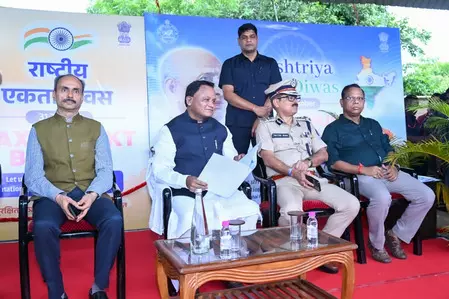
Odisha CM flags off train carrying delegates to National Unity Day parade
Digital Desk | Bhubaneswar, Oct 27 (IANS) Chief Minister Mohan Charan Majhi on Tuesday flagged off a special train from Bhubaneswar New Railway Station carrying nearly 1,000 delegates from 19 Naxal-free districts of Odisha to Gujarat to participate in the national parade marking the 151st birth anniversary of Sardar Vallabhbhai Patel and Rashtriya Ekta Diwas on October 31. The representatives will attend the parade near the Statue of Unity at Ekta Nagar in Gujarat, symbolising Odishas progress towards peace, security and development, the Chief Minister said. Paying tribute to Patel, Majhi said the countrys first Deputy Prime Minister had built a Unified India by merging more than 550 princely states through his exceptional leadership and determination. He said Prime Minister Narendra Modi has been observing Patels birth anniversary as Rashtriya Ekta Diwas every year since assuming office in 2014. CM Majhi asserted that this year's national-level unity parade will reflect the picture of a completely Naxal-free India. Majhi attributed the achievement of making Odisha and the country Naxal-free to the leadership of Union Home Minister Amit Shah under the guidance of the Prime Minister and the efforts of security forces at the national and state levels. Highest priority is being given to social and economic development along with infrastructure construction in Naxal-affected areas. Particularly in 10 affected districts, various public welfare schemes are being delivered to the actual beneficiaries in an integrated manner through the 'Gramodaya Plus' scheme, enabling them to join the mainstream, said Majhi. The Chief Minister said that the collective efforts of the country's 140 crore citizens are continuing to realise the Prime Minister's vision of 'Ek Bharat, Shreshtha Bharat'. On the occasion, Majhi also announced that the Centre has approved a new express train service between Puri and Badampahar in Mayurbhanj district. He further informed that President Droupadi Murmu is scheduled to inaugurate the service in the first week of November. The proposed train service is expected to improve connectivity among six districtsPuri, Khordha, Kataka, Jajpur, Kendujhar and Mayurbhanjstrengthening rail links across the state.

WPL 2027 Auction: UP Warriorz Eye Squad Overhaul As 146 Players Go Under The Hammer In Kochi
Royal Challengers Bengaluru: With 27 slots up for grabs and several prominent Indian and overseas cricketers in the fray, the Womens Premier League (WPL) 2027 auction is set to trigger intense bidding battles as the five franchises look to complete their squads ahead of the fifth edition of the tournament, beginning in January. The auction, scheduled to take place in Kochi on Wednesday, will feature 146 players, with teams having contrasting purse sizes and squad requirements. UP Warriorz will head into the auction with the most slots to fill, while defending champions Royal Challengers Bengaluru (RCB), Delhi Capitals (DC) and Gujarat Giants (GG) will look to make targeted additions after retaining most of their core players. Among the players expected to attract attention are Indian cricketers G Kamalini, Sneh Rana and Sushma Verma, along with Australian stars Grace Harris, Jess Jonassen and Sophie Molineux. UP Warriorz have eight slots available and a remaining purse of Rs 3.75 crore, putting them in a position to make several additions to their squad. Mumbai Indians (MI), meanwhile, have six slots to fill but only Rs 90 lakh left to spend, which could make their auction strategy more selective. RCB, who won the previous edition, will have Australian all-rounder Ellyse Perry available for the upcoming season and will look to strengthen their bench, particularly with Indian backups, as they aim to add another title to their tally. Delhi Capitals and Gujarat Giants will also seek to address specific squad requirements while retaining the nucleus of their teams. The auction comes at a time when the WPL is increasingly contributing to India's talent pipeline, with young players gaining exposure to high-pressure matches alongside international stars. India vice-captain Smriti Mandhana highlighted the league's role in identifying emerging talent and stressed the need to develop promising players into match-winners for the national team. The WPL has been a huge benefit in that we have found quite a few players in the WPL, but now it's our responsibility to figure out how we take them forward and make them into bigger match-winners. We definitely have exciting talent in our team right now, Mandhana said on JioStar's programme 'Follow the Blues: The Dawn of Captain Smriti'. She added that eight to nine players in the current Indian setup are aged between 19 and 24 and have impressed in India A matches. They have all played good cricket during the India A series. We have followed everything, and they have played very good cricket. So now it's on us to take them forward and make them lead the way for India, she said. Former India cricketer and JioStar expert Veda Krishnamurthy expects Indian wicketkeepers to be among the players in demand, with multiple franchises looking to strengthen their options behind the stumps. I think Indian wicketkeepers, especially, will be in demand, with quite a few teams looking for them. There are a couple of domestic players I'm interested in seeing how they go about things in the auction. Of course, Sophie Molineux is a big name to look forward to, given the kind of experience she brings. She's a match-winner and has already won the WPL with RCB, Krishnamurthy said. She also pointed to the interest surrounding young wicketkeeper G Kamalini and the importance of franchises identifying alternatives for each role before the bidding begins. The options and the number of slots available are very limited. Teams know exactly what they're looking for, so it's important for them to filter the names from the available cricketers and identify their options. They need to have at least three or four names for each proficiency because the auction can go in any direction, she added. The fifth edition of the WPL will be held from January 14 to February 7, 2027. Four-time finalists Delhi Capitals, Gujarat Giants and UP Warriorz will aim to secure their maiden title, while two-time champions RCB and Mumbai Indians will look to add to their trophy collections. The options and the number of slots available are very limited. Teams know exactly what they're looking for, so it's important for them to filter the names from the available cricketers and identify their options. They need to have at least three or four names for each proficiency because the auction can go in any direction, she added. Also Read: Special Cricket Stories Article Source: IANS
Direct Connectivity to Rajasthan and Gujarat Announced for Barauni-Bhuj Route
The Gujarat Tribal Genome Project (2kTGP) - Nature

Nyrraa M. Banerji says Story TVs Premkatha made her imagine herself in a Sanjay Leela Bhansali film
Actor Nyrraa M. Banerji has opened up about the visual treatment of Premkatha, the Story TV micro drama in which she stars opposite Karam Rajpal. Blending romance, revenge and unexpected revelations, the show adopts a larger-than-life approach to storytelling, with Nyrraa revealing that the team took inspiration from the filmmaking style of Sanjay Leela Bhansali while shaping its cinematic appeal. In an interview with a leading publication, the actress spoke about how the shows visual sensibility reminded her of the filmmakers work. She explained that the team attempted to recreate elements of his distinctive style within the vertical format, drawing particular inspiration from the song Lahu Munh Lag Gaya featuring Deepika Padukone. We have created the charm of Sanjay Leela Bhansalis filmmaking. The Lahu Munh Lag Gaya kind of andaaz and appeal, we tried to capture that essence Deepika on Big Screen and Nyrraa on vertical. We shot the entire show with that sensibility. When I used to see the shots, I would think, this has shown me how I would look in a Bhansali film We have really put a lot of effort into bringing that level of energy to the making. The actress also added a playful observation during the conversation, asking, Lag Rahi Hu Ke Nahi Main Deepika Padukone Jaisi. Her remarks offer a glimpse into the visual ambition behind Premkatha and the effort to bring a grand cinematic aesthetic to a micro drama. In the series, Nyrraa plays Sejal, the fearless daughter of a dreaded don who falls in love with Jai, played by Karam Rajpal. A humble truck driver, Jai repeatedly comes to Sejals rescue, and their relationship soon draws them into a fierce conflict between rival crime families. As the story progresses, revelations about Jais identity threaten to change the course of their lives. Set against the colourful backdrop of Gujarat, Premkatha combines an intense romantic storyline with family rivalries, revenge and dramatic twists. Its visual presentation is central to the shows attempt to deliver a cinematic experience in the vertical storytelling format. Premkatha is streaming exclusively on the Story TV app. Also Read: Nyrraa M Banerji explores music with her second singing venture KHWAB: Music has always been a very special form of expression for me
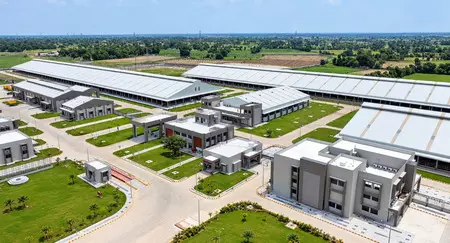
PM Modi to inaugurate Rs 325-crore cattle breeding centre in Gujarat on Oct 30
Digital Desk | Palanpur (Gujarat), Oct 27 (IANS) Prime Minister Narendra Modi will inaugurate a Rs 325-crore cattle breeding and research centre at Bhildi in Gujarats Banaskantha district on October 30, with the facility aiming to produce 25,000 superior embryos annually to improve indigenous cattle breeds and increase milk production. The Bharat Bovine Breeding and Research Centre (BBBRC), spread across 127 acres, has been developed by Banas Dairy with technical guidance from the National Dairy Development Board (NDDB) and support under the Centres 'Rashtriya Gokul Mission'. It is among five major development projects of Banas Dairy that PM Modi will inaugurate or dedicate to the public, or for which he will lay foundation stones, during his visit. State Assembly Speaker and Banas Dairy Chairman Shankar Chaudhary said the centre would use advanced reproductive technologies, including ovum pick-up and in-vitro fertilisation (OPU-IVF), as well as embryo transfer, to increase the breeding of high-quality cattle. Normally, a cow of a superior breed gives birth to only one calf in a year. However, with the help of this new technology, several calves can be obtained from an elite cow within a single year, Chaudhary said. The centre has set a target of producing 25,000 superior embryos annually. The initiative is intended to improve the genetic quality of successive generations of cattle and enhance their milk-producing capacity. The facility will focus on indigenous cattle breeds, including Kankrej, Gir, Sahiwal and Tharparkar, as well as buffalo breeds such as Mehsani, Banni, Jaffarabadi and Murrah. Chaudhary said the centres approach is to promote fewer animals, but better-quality animals and more milk, particularly as livestock farmers face shrinking fodder-growing areas and rising rearing costs. The initiative is expected to benefit small livestock farmers and rural women, who, according to Banas Dairy, contribute 70 per cent of the work in the dairy sector. Disease-free bulls of superior breeds, quality semen and embryos at affordable rates will be made available to livestock farmers. The improved genetic potential of animals is expected to help increase milk yields and reduce production costs. Higher milk-fat content could also improve returns for farmers, although the outcomes will depend on the animals, their feeding and management, and the adoption of the breeding technologies. The centre is also expected to promote Indian cattle breeds internationally. Indigenous cows and buffaloes are valued for their ability to withstand heat and, in suitable conditions, produce milk with comparatively lower feed requirements. Banas Dairy, a farmers cooperative, has developed the facility with expert guidance and government support. The centre is intended to strengthen scientific breeding practices and improve the productivity and profitability of livestock rearing.
Majhi flags off special train from Bhubaneswar to Gujarat for National Unity Day celebrations
Odisha Chief Minister Mohan Charan Majhi flagged off a special train from Bhubaneswar to Ekta Nagar. The train carries around 1,000 people from Naxal-free districts to celebrate the birth anniversary of Sardar Vallabhbhai Patel. Majhi highlighted the importance of social and economic development in Naxal-affected areas through various public welfare schemes. A new express train service between Puri and Badampahad is set to begin next month.

IOA Celebrates Amdavad Getting Hosting Rights For 2029 IWF World C'ships
The Indian Olympic Association: The Indian Olympic Association (IOA) has welcomed the decision of Amdavad, Gujarat, being awarded the rights to host 2029 IWF World Championships. This will be the first time that the global weightlifting championship will be held in India. The International Weightlifting Federation (IWF) confirmed Amdavad as the host after its Executive Board made the decision on October 25 in Ningbo, China. The announcement adds another major event to Indias international sporting calendar and comes after a significant year for weightlifting in Gujarat, where Gandhinagar hosted the Asian Weightlifting Championships earlier in 2026. With Amdavad also set to host the 2030 Commonwealth Games, the 2029 IWF World Championships will give India another chance to welcome leading international athletes and fans, and bring one of weightliftings most important competitions to Indian audiences for the first time. P.T. Usha, President of the Indian Olympic Association, said, The 2029 IWF World Championships coming to Amdavad is a proud moment for Indian sport and another opportunity for India to welcome the world. Indian weightlifting has given us remarkable champions, including Olympic medallist and world champion Mirabai Chanu, whose achievements have inspired so many across the country. Bringing the worlds best weightlifters to India will give a new generation the opportunity to see them compete on home soil and, I hope, inspire many more young Indians to take up the sport and dream of competing at the highest level. Sahdev Yadav, president of the Indian Weightlifting Federation (IWLF), said, Hosting the IWF World Championships in India for the first time is an important milestone for Indian weightlifting. India has a proud history at the Championships, with 18 World Championship medals to their name, including three world titles. Bringing the worlds best weightlifters to India will give a new generation the opportunity to see them compete on home soil and, I hope, inspire many more young Indians to take up the sport and dream of competing at the highest level. Also Read: Special Cricket Stories Article Source: IANS
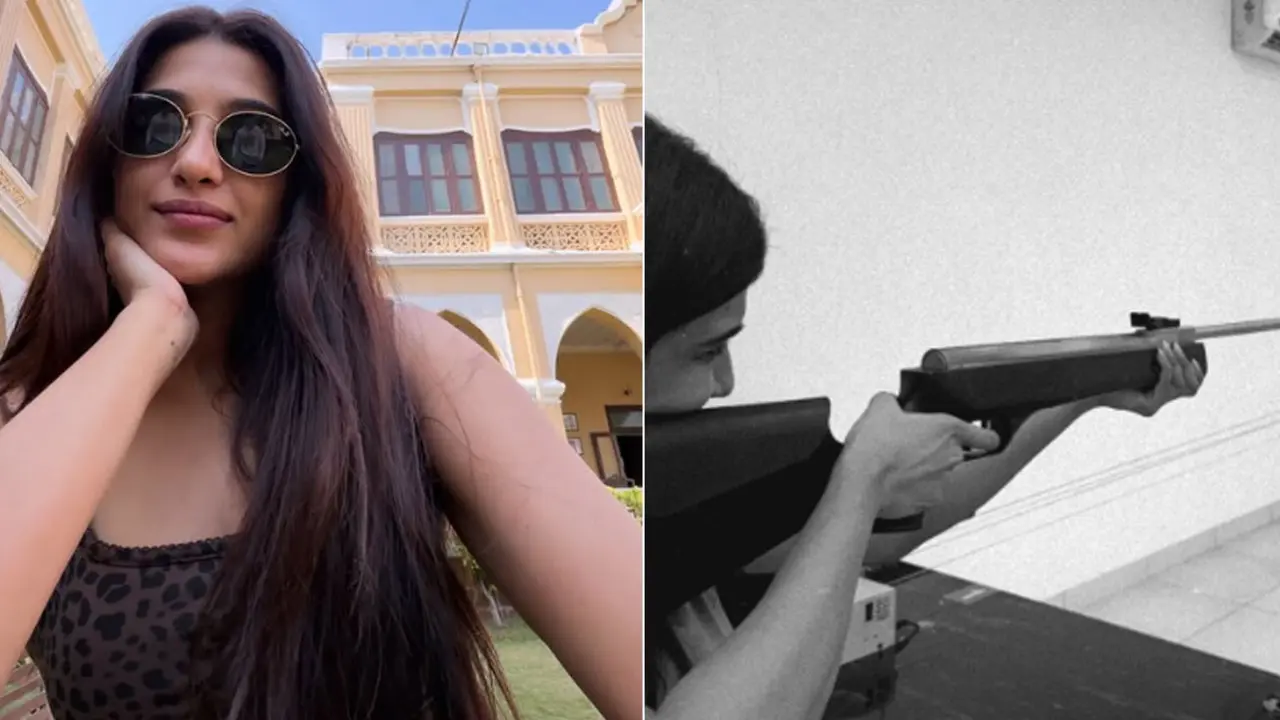
Nimrit Kaur Ahluwalia heads to Gujarat for new film shoot
Actress Nimrit Kaur Ahluwalia is in Gujarat to film an upcoming project in an unexplored genre. After seeking blessings at a gurdwara, she expressed excitement for the new role, leaving fans eager for an official announcement
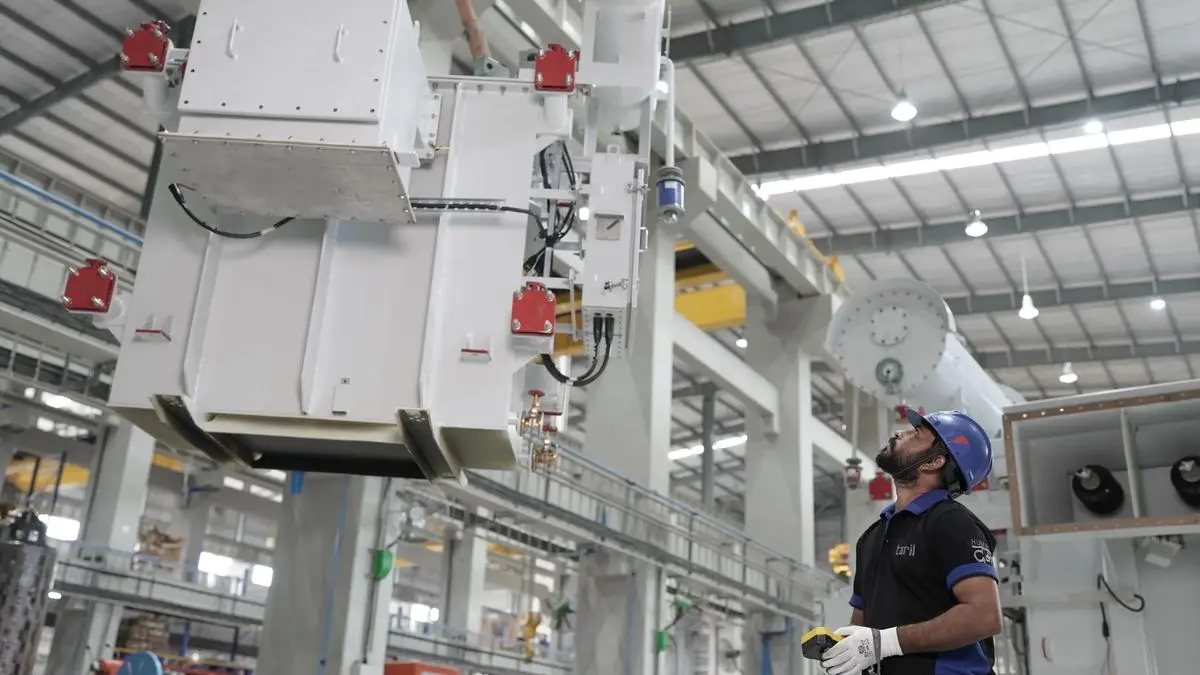
Transformers and Rectifiers to invest 1,250 cr for 3 manufacturing plants in Gujarat
Construction of these facilities has already started in December 2025, and their commercial operations are expected to begin in the first quarter of FY28

Gujarat scheme aids 29,518 tribal women in dairy farming
The News Mill
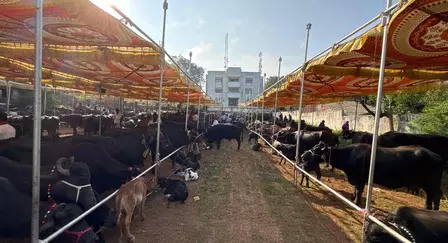
Gujarat provides Rs 162 crore dairy aid to over 29,500 tribal women in 3 years
Digital Desk | Gandhinagar, Oct 27 (IANS) More than 29,500 tribal women in Gujarat have received animal husbandry assistance worth Rs 162.28 crore over the past three years under the state government's Integrated Dairy Development Scheme, which provides financial support to help women establish dairy-based livelihoods, an official statement said on Tuesday. The government has allocated Rs 65 crore for 2026-27 to extend benefits to 11,206 women, with assistance of Rs 58,000 per beneficiary, according to the Tribal Development Department. Launched in 2007-08, the scheme has so far provided more than 1.96 lakh milch animals to tribal women across the state. Under the scheme, 6,860 women received assistance worth Rs 30.87 crore in 2023-24. The number increased to 13,616 beneficiaries in 2024-25, when assistance of Rs 78.97 crore was provided. In 2025-26, another 9,042 women received assistance worth Rs 52.44 crore. The scheme fixes the cost of an animal unit at Rs 90,000, covering the purchase of a milch animal, insurance, transportation, cattle feed, veterinary treatment and specialised vocational training. The funding structure comprises a loan of Rs 29,000, a Central government subsidy of Rs 29,000 and state government assistance of Rs 29,000, while the beneficiary contributes Rs 3,000. Eligible tribal women can apply online through the Tribal Development Office in their respective areas. The scheme targets women from below-poverty-line tribal families with scores ranging from zero to 20 and is implemented across 14 tribal districts of Gujarat. Beneficiaries can receive two milch animals through the scheme's subsidy and loan provisions. They are also provided training in scientific animal husbandry and animal care, with an emphasis on supplying milk regularly to local dairy cooperatives. The scheme links access to a second animal to loan repayment. A beneficiary who repays more than 60 per cent of the loan in timely instalments using income earned from the first animal becomes eligible for a second milch animal. The arrangement is intended to increase milk production and household earnings. By supporting dairy farming close to home, the scheme also seeks to provide tribal families with a more stable source of income and reduce the need for migration in search of work. The state government is implementing the scheme under Chief Minister Bhupendra Patel, with Tribal Development Minister Naresh Patel overseeing the department's initiatives. The programme aims to help tribal women meet household expenses, fund their children's education and manage healthcare costs through income generated from dairy farming.
IDCA 10th T20 National Cricket Championship for Deaf 2026 opens in Surat
The Indian Deaf Cricket Association (IDCA), in association with the Deaf Cricket Association Surat (DCAS), has commenced the IDCA 10th T20 National Cricket Championship for Deaf 2026 in Surat, Gujarat. Scheduled from October 26 to November 1, 2026, the championship is being held for the first time in Surat, bringing together 14 teams from across India for a week of competitive cricket, as per a press release. Bringing together 14 teams from across India, the championship highlights the breadth of talent within the country

Lawrence Bishnoi Moved To Jail Block Housing 2008 Serial Blast Convicts
He is now shifted to ultra high security jail block within the Sabarmati Prison in Gujarat, where he has been housed since August 2023
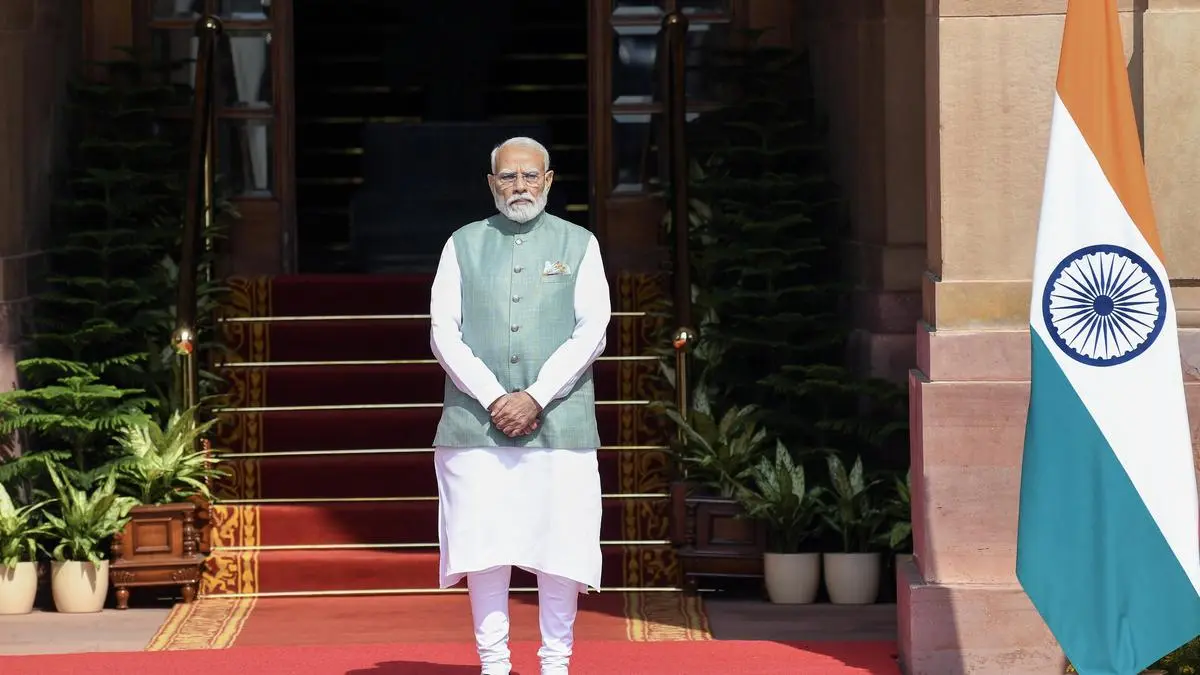
PM Modi to inaugurate Banas Dairys 325-cr cattle breeding centre in Gujarat on Oct 30
The facility is expected to help improve the genetic quality of cattle, enabling farmers to obtain higher milk yields from fewer animals

CM Majhi Flags Off Special Train for Rashtriya Ekta Diwas; Announces New Puri
Honouring the legacy of Iron Man Sardar Vallabhbhai Patel on his upcoming 151st birth anniversary, Odisha Chief Minister Mohan Charan Majhi flagged off a special train from the Bhubaneswar New Railway Station. The train carries nearly 1,000 delegates representing 19 Naxal-free districts of Odisha to Ekta Nagar in Gujarat, where they will attend the prestigious [] The post CM Majhi Flags Off Special Train for Rashtriya Ekta Diwas; Announces New PuriBadampahar Express appeared first on Pragativadi I Latest Odisha News in English I Breaking News .

SC collegium recommends four judges for appointment as HC chief justices
The Supreme Court Collegium headed by Chief Justice of India Surya Kant has recommended to the Centre the appointment of four judges as chief justices of various high courts. The collegium, also comprising Justices Vikram Nath and B V Nagarathna, held its meeting on October 26 and recommended the name of Justice P Sam Koshy of the Telangana High Court for appointment as Chief Justice of the Delhi High Court. Justice Manash Ranjan Pathak, currently serving at the Gujarat High Court, has been recommended for appointment as Chief Justice of the Gujarat High Court. The Collegium has also recommended Justice Tapabrata Chakraborty of the Calcutta High Court for appointment as Chief Justice of the Telangana High Court. Justice Sudhir Singh of the Patna High Court has been recommended for appointment as Chief Justice of the Uttarakhand High Court.
Diwali 2026: Are schools closed on November 9? Check state-wise calendar
November 2026 features multiple important Hindu festivals, including Dhanteras, Diwali, Govardhan Puja, Gujarati New Year, Bhai Dooj, Chhath Puja, Tulsi Vivah, Dev Diwali and others

Weve been waiting three years: Indian fans excited ahead of 3rd T20I against New Zealand
As India gears up for the third T20I against New Zealand, Indian fans gather outside the Hnry Stadium in Wellington on Tuesday. India will look to clinch the five-match T20I series when they take on New Zealand in the third match at Hnry Stadium in Wellington on Tuesday, with the visitors carrying a 2-0 lead and momentum firmly on their side. Having won the opening two matches against the runners-up of the 2026 T20 World Cup, India have put themselves in a strong position to secure the series despite missing pace spearhead Jasprit Bumrah and all-rounder Hardik Pandya. Sunny, an Indian resident from Gujarat who has lived in Wellington for three years, expressed excitement about watching India play at the stadium for the first time. I am from Gujarat, India and I
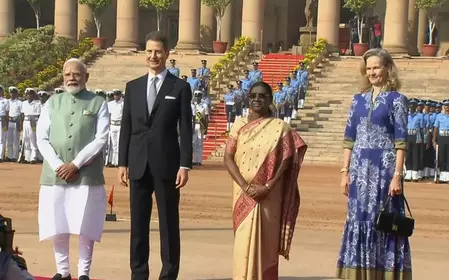
Liechtenstein Prince Alois accorded ceremonial welcome at Rashtrapati Bhavan
Digital Desk | New Delhi, Oct 27 (IANS) Liechtenstein's Hereditary Prince Alois was accorded a ceremonial welcome at the forecourt of Rashtrapati Bhavan on Tuesday. President Droupadi Murmu and Prime Minister Narendra Modi warmly welcomed Prince Alois upon his arrival at the Rashtrapati Bhavan. Prince Alois arrived in the national capital from Gujarat's Vadodara on Monday. He was received by Union Minister of State (MoS) Jayant Singh at the airport. A new chapter in IndiaLiechtenstein engagement. H.S.H. Hereditary Prince Alois of Liechtenstein arrived in New Delhi today, following his visit to Vadodara, as part of his ongoing State Visit to India. He was received by MoS Jayant Singh at the airport. The visit will provide renewed impetus to the bilateral relations, the Ministry of External Affairs (MEA) posted on X. Extending a warm welcome to Prince Alois, MoS Singh took to X and posted: Following our earlier engagement at Davos, I look forward to further strengthening the warm and friendly ties between India and Liechtenstein and advancing our shared interests through greater cooperation. Prince Alois arrived in Mumbai as he began his State Visit at the invitation of Prime Minister Narendra Modi. He is accompanied by his wife, Princess Sofia, and a high-level official and business delegation comprising top industry leaders. This is the second visit of Prince Alois to India in 2026, as he had earlier visited New Delhi in February to attend the AI Impact Summit. He had previously visited India in 2010 and 2018. Prince Alois will pay a tribute to Mahatma Gandhi at Rajghat and have a meeting with External Affairs Minister (EAM) S. Jaishankar. Prince Alois is scheduled to hold talks with Prime Minister Narendra Modi at the Hyderabad House later on Tuesday, where they will discuss cooperation in various sectors, including trade and investment, science, technology and innovation, and people-to-people exchanges, as well as views on regional and global developments. Finance Minister Nirmala Sitharaman and Union Minister of State for Skills Development and Entrepreneurship Jayant Chaudhary will call on Prince Alois on Tuesday. Prince Alois will then meet President Droupadi Murmu, who will also host an official banquet in his honour. The visit is expected to provide further impetus to the growing engagement between India and Liechtenstein, particularly since the operationalisation of the IndiaEFTA Trade and Economic Partnership Agreement in 2025. The visit will provide an opportunity to further deepen the friendly ties between India and Liechtenstein and build partnerships in new areas of mutual interest, the MEA said in a statement.

Anantnag Police arrest 7 in drug crackdown
Anantnag, Oct 26: Continuing its sustained crackdown against drug trafficking and substance abuse, Police in Anantnag intensified its efforts to curb the drug menace across the district. During a series of operations, police teams apprehended seven peddlers and recovered large quantity of contraband substances from their possession. A police party from Police Station Anantnag apprehended Sareer Ahmad Bhat son of Khazir Mohammad Bhat resident of Chirhama Mirbazar, at Nawvathoo Danter and recovered approximately 230 grams of charas powder-like substance from his possession. In another operation, police intercepted a Hyundai i10 bearing registration number JK05B-3181, driven by Mohd Altaf Bhat son of Abdul Majeed Bhat, resident of Mirdanter. Approximately 153 grams of charas powder-like substance was recovered during the search from his possession. Besides, vehicle used in the commission of crime has also been seized. In separate operations at Wazirbagh and behind Police Station Anantnag, police apprehended Bittu Dantani son of Raju Dantani resident of Chapur Mehdi Kuwa, Ahmedabad, Gujarat, presently residing at Achabal Adda, Anantnag, and Ajay Kumar son of Kishan Kumar, resident of Verrugam Kadi, Gujarat. Approximately 17 grams and 22 grams of charas, respectively, were recovered from their possession. Meanwhile, acting on reliable information, Police Post Sangam conducted a raid at the residential house of Bilal Ahmad Bhat son of Abdul Wahab Bhat, resident of Baliyar Marhama, and recovered approximately 7.170 kilograms of ganja-like substance. Similarly, a naka party of Police Post Shairbagh apprehended Danish Manzoor Shaikh son of Manzoor Ahmad Shaikh, resident of Janglat Mandi, Anantnag, at High Ground and recovered approximately 205 grams of charas-like substance from his possession. Moreover, a naka party of Police Station Mattan apprehended Javid Mukhtiyaar Pashoo son of Mukhtiyaar Ahmad Pashoo, resident of Gopalpora, Mattan, and recovered approximately 52.6 grams of charas-like substance from his possession. In a separate action, a police party of Police Post DK Pora apprehended Bashir Ahmad Bhat son of Mohd Abdullah Bhat, resident of Brinty, and recovered approximately 15 grams of charas from his possession. Accordingly, cases under relevant sections of law have been registered at respective police stations and further investigation have been initiated. Police reiterate its firm commitment to eradicating the drug menace and appeals to the general public to cooperate with police by sharing credible information regarding drug trafficking and peddling. Public participation remains vital in the collective effort to build a drug-free society.
More milk or better heat tolerance? New centre to help farmers pick right cows
City university launches training centre for semiconductor industry
Ahead of Unity Day parade, 33 BSF jawans down with dengue
Harassed for dowry, 19-year-old woman kills self
VCCI Expo 2026 to host over 700 exhibitors
More passengers in car doesnt imply its commercial use
Two booked for illegal sale of domestic LPG
Man arrested with country-made pistol, live cartridge
Doctors certificate alone not enough for skin disorder exclusion
Undertrial in murder-robbery cases found hanged in Lajpore jail
Karjat project sparks Maharashtra political faceoff as thousands of trees are cut for 3,000 MW plant
A significant controversy emerged in Maharashtra due to tree cutting for Torrent Power's energy project. Locals and activists oppose the project due to environmental concerns and tree felling. Shiv Sena leader Aaditya Thackeray questioned the project's need while citing its ties to Gujarat. The Maharashtra government claims the project is essential for energy needs and has followed regulations.
Telangana cops arrest conman in Gujarat for escort service cyber fraud

Rajasthan man arrested in Gujarat by Adilabad police in cyber fraud case

Ranji 2026-27: Kishan Lyngdoh, Ajay Duhan smash tons as Meghalaya dominate Mizoram
Shillong, Oct 26: Kishan Lyngdoh and guest professional Ajay Duhan hit centuries for Meghalaya on the first day of their Ranji Trophy 2026-27 plate group match against Mizoram in Nadiad, Gujarat, today. Having won the toss and chosen to bat first, Meghalaya went at over 4 runs an over to post a massive 385/2 in [] The post Ranji 2026-27: Kishan Lyngdoh, Ajay Duhan smash tons as Meghalaya dominate Mizoram first appeared on Highland Post .

Ranji Trophy: Badoni Slams Second Successive Ton, Saranshs Seven-for Puts MP On Top
JSCA International Stadium: Batting all-rounder Ayush Badoni continued his rich vein of form by hitting a second consecutive hundred, while India off-spinner Saransh Jains seven-wicket haul gave Madhya Pradesh firm control on day one of the third-round Ranji Trophy matches on Monday. Fresh from a career-best 217 against Gujarat, Badoni struck an unbeaten 106 off 122 balls, laced with 11 fours and two sixes, to take Delhi to 309/5 against Jharkhand at the JSCA International Stadium in Ranchi. Badoni, 26, previously hit 205 against the same opponents in the 2024/25 season. A chanceless knock, Badonis sixth first-class hundred, anchored Delhis recovery. He found a reliable ally in all-rounder Sumit Mathur, who was unbeaten on 50, as the pair put together an unbroken 128-run stand for the sixth wicket. Mathur had a lucky escape on 36 when he was caught at long-on, only to be recalled because Anukul Roy had overstepped. At Holkar Stadium in Indore, Saranshs 7-40 helped Madhya Pradesh bowl Bihar out for just 99. The hosts, still looking for their first win of the season after two draws, then reached 261/3 with a lead of 162, after bowling out Bihar for 99. Wicketkeeper-batter Saksham Purohit was unbeaten on 113, and his opening partner Yash Dubey made 84. At the BKC Ground, Mumbai also made a strong start against Haryana at home after being put in to bat first. Angkrish Raghuvanshi made 114 off 180 balls with 13 fours and a six, while Musheer Khan scored 109 off 185 balls with 12 fours and a six. The pair added 208 runs for the second wicket to steer Mumbai to 290/3 at stumps. Defending champions Jammu and Kashmir, also in search of their first win, were frustrated by Priyanshu Moliya at the Reliance Ground in Vadodara. Moliyas patient unbeaten 113 lifted Baroda to 259/6 after they had slipped to 197/6 at one stage. Vidarbha, who have two wins so far, had Goa in trouble at 84/6 after Nachiket Bhute ripped through the top order with four wickets. But Darshan Misal and Yash Kasvankar then struck half-centuries and shared a stand of 104 runs for the seventh wicket to help the visitors reach 204/8. On a rain-hit day, Pondicherry reduced Uttar Pradesh to 67/4. In Mysuru, Karnataka recovered from a sluggish start to bowl Tripura out for 194 at the SDNR Wadiyar Stadium. The hosts, who sprang a surprise by leaving out pacers Vidwath Kaverappa and Abhilash Shetty to accommodate spinners Shikhar Shetty and Ritesh Bhatkal, failed to make use of the new ball as Tripura moved comfortably to 88/2 in the first session. Left-arm spinner Shikhar then claimed his third first-class five-wicket haul, while pacer Manvanth Kumar took three. Karnataka lost Mayank Agarwal early and were 10 for one at stumps. At the DVR Ground in Mulapadu, Chhattisgarhs spinners made full use of a helpful pitch to bowl Andhra out for 231. Veteran off-spinner Jayant Yadav led the way with 4-75, while Ajay Mandal and Dharmendrasinh Jadeja took three and two wickets respectively. In reply, Chhattisgarh lost Ayush Pandey early when he was run out going for an unnecessary quick single. Captain Anuj Tiwary and Mayank Verma then negotiated the final half-hour to take the visitors to 35/1. Wicketkeeper-batter Prabhsimran Singh laid the foundation with 81 off 126 balls, hitting nine fours and a six, while fifties from Salil Arora and Ramandeep Singh then guided Punjab to 289/6 against Hyderabad in Secunderabad. Denish Das made 90 off 165 balls, with 14 fours, to take Assam to 235/6 against Saurashtra in Rajkot. For the hosts, veteran pacer Jaydev Unadkat picked up three wickets, while Ravindra Jadeja and Arth Yadav took one wicket each. In Thiruvananthapuram, where only 50 overs were possible due to rain, Kerala reduced Bengal to 172/6, with Aditya Sarwate taking three wickets and Nedumankuzhy Basil two scalps. Maharashtra bowled out Gujarat for 233 in Pune, with Siddhesh Veer taking four wickets, while Rajvardhan Hangargekar and Vicky Ostwal claimed three apiece. Maharashtra were 24/1 when stumps were called. Services off-spinner Pulkit Narang returned 6-47, his second five-wicket haul of the season, to bowl Odisha out for 194 in Bhubaneswar. The visitors were 13/0 at stumps. Tamil Nadu bowled out Railways for 184 in Chennai, with R Sai Kishore and Sonu Yadav taking three wickets each, but slipped to 71/3 till stumps arrived. Devendra Singh Boras six-wicket haul helped Uttarakhand dismiss Rajasthan for 272 in Dehradun despite skipper Kartik Sharmas 73. Uttarakhand were 18/0 at stumps. Centuries from Arjun Azad and Nehal Pajni powered Chandigarh past 350 for the loss of three wickets against Himachal Pradesh. In the Plate group, Meghalayas Ajay Duhan (167) and Kishan Lyngdoh (144) shared an unbroken 308-run stand for the second wicket as their side piled up 385/2 against Mizoram in Nadiad. Tamil Nadu bowled out Railways for 184 in Chennai, with R Sai Kishore and Sonu Yadav taking three wickets each, but slipped to 71/3 till stumps arrived. Devendra Singh Boras six-wicket haul helped Uttarakhand dismiss Rajasthan for 272 in Dehradun despite skipper Kartik Sharmas 73. Uttarakhand were 18/0 at stumps. Also Read: Special Cricket Stories Article Source: IANS

Rajasthan youth held for cheating Telangana man of Rs 4.20 lakh
Hyderabad: A Rajasthan youth has been arrested for defrauding a Telangana resident in Adilabad of Rs 4.20 lakh through unauthorised transactions from the latters bank accounts. The accused, Dinesh Patel, aged 23, was arrested in Gujarat and has been connected with at least 220 complaints across India and 20 in Telangana alone. Akhil Mahajan, Adilabad Get the latest updates in Hyderabad City News , Technology , Entertainment , Sports , Politics and Top Stories on WhatsApp & Telegram by subscribing to our channels. You can also download our app for Android and iOS .
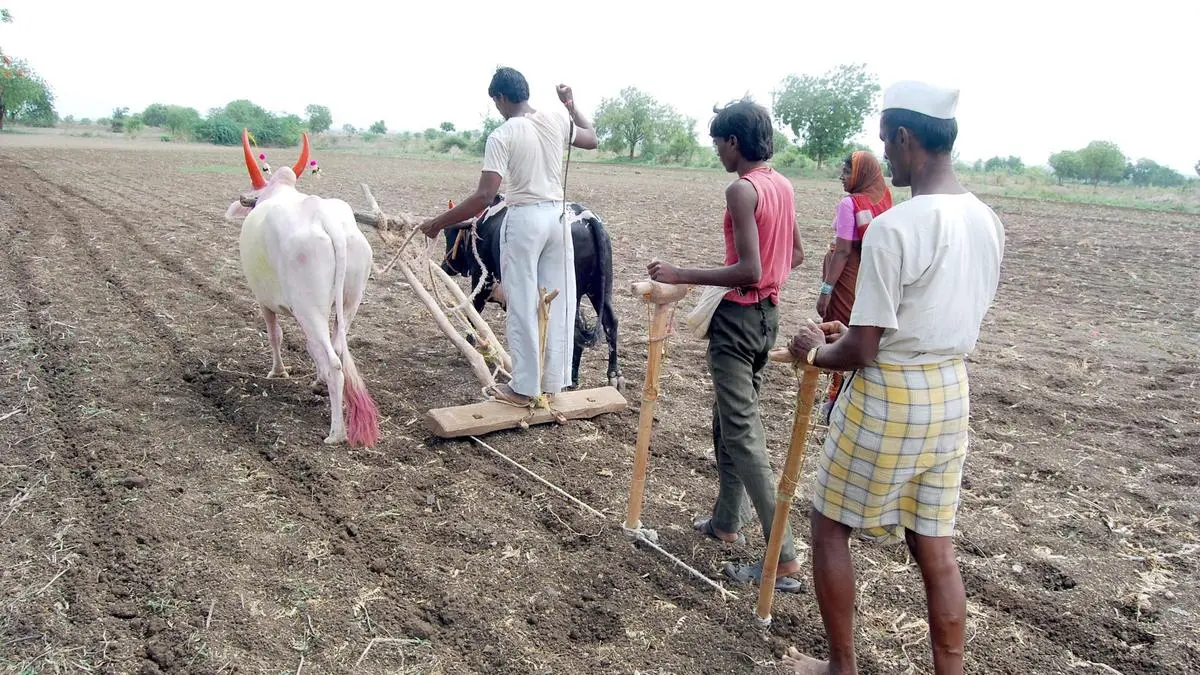
Slack mustard coverage drags Indias rabi acreage as sowing begins
Area under chana, moong, wheat and rice trail as Rajasthan, UP, M.P., Gujarat, Maharashtra and Karnataka report deficient rainfall
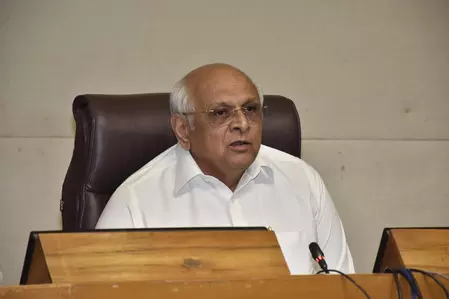
Digital Desk | Gandhinagar, Oct 26 (IANS) The Gujarat government has declared Devbhumi Dwarka, Porbandar, Kutch and Jamnagar districts drought-affected following deficient and delayed rainfall, announcing crop damage assistance, subsidised fodder and 150 days of employment for rural residents in the affected areas. Chief Minister Bhupendra Patel announced the decision in Gandhinagar in the presence of Agriculture Minister Jitu Vaghani, saying the government had completed the required procedures under the Central government's Drought Assessment Manual, 2016, and held high-level meetings before declaring the four districts drought-affected. Although Gujarat received around 89 per cent of its average rainfall this year, the four districts recorded lower rainfall, prompting the government to announce relief measures for farmers and livestock breeders. The decisions will come into effect from November 1, 2026. Under the crop assistance package, farmers affected by crop damage in the four districts will receive Rs 8,500 per hectare under State Disaster Response Fund (SDRF) norms, subject to a maximum limit of two hectares. The government has also decided to provide 150 days of employment under the VB-G RAM G (Viksit Bharat Guarantee for Rozgar and Ajeevika Mission (Gramin) scheme in the drought-affected talukas to support rural residents. The announcement comes alongside measures to ensure fodder availability and provide financial assistance for livestock maintained at animal camps. Patel said, The government had anticipated the difficulties arising from delayed rainfall and initiated advance preparations before formally declaring the districts drought-affected. Fodder distribution at subsidised rates is authorised across Gujarat from June to July 2026, with district collectors specially empowered to facilitate distribution in specific cases. Around 1.21 crore kg of fodder has so far been distributed at Rs two per kg. The state currently has three crore kg of fodder available, and the process of procuring additional stocks has begun. For livestock kept at animal camps in the drought-declared talukas, the government will provide assistance of Rs 80 per animal per day from the SDRF for two months. The state government will bear the cost of continuing this assistance thereafter, the Chief Minister said. Explaining the rationale behind the measures, Patel said the government had consistently prioritised the interests of farmers and livestock breeders under the guidance of Prime Minister Narendra Modi. The government has stood by farmers during difficult times in the past as well. In the present situation, we stand with them with complete sensitivity and remain fully committed to providing whatever assistance farmers and livestock breeders may need in any future crisis, he said. The government has also outlined its irrigation plans for the upcoming rabi season, while prioritising drinking water supplies amid concerns over rainfall. During the current kharif season, irrigation water was supplied to the command areas of 44 dams based on demand. The state's 206 major dams currently have water storage at 66 per cent of their capacity, according to the government. For the rabi season, irrigation water supply has been planned for the command areas of 76 dams. Drinking water has been given priority, with supplies reserved for this purpose until June 30, 2027. The irrigation plan covers 11 dams, including Dharoi and Dantiwada, in North Gujarat; 12 dams, including Karjan and Panam, in Central Gujarat; and nine dams, including Ukai, Kakrapar and Damanganga, in South Gujarat. Irrigation has also been planned for 39 dams, including Shetrunji, Brahmani and Machhu, and five dams in the Kutch region. Depending on water availability, the government plans to provide between one and four irrigation cycles from the identified dams during the rabi season.
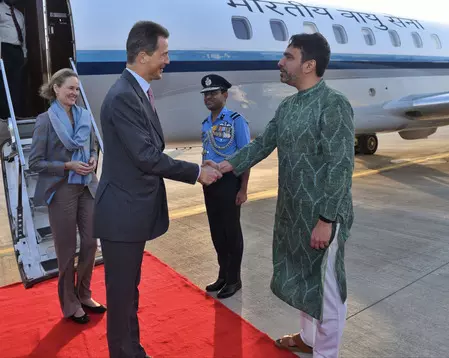
Liechtenstein Prince arrives in Delhi, set to hold bilateral talks with PM Modi on Tuesday
Digital Desk | New Delhi, Oct 26 (IANS) Liechtenstein's Hereditary Prince Alois arrived in New Delhi on Monday as part of his ongoing State Visit to India which aims at further strengthening bilateral ties. Prince Alois arrived in the national capital from Gujarat's Vadodara. He was received by Union Minister of State (MoS) Jayant Singh at the airport. A new chapter in IndiaLiechtenstein engagement. H.S.H. Hereditary Prince Alois of Liechtenstein arrived in New Delhi today, following his visit to Vadodara, as part of his ongoing State Visit to India. He was received by MoS Jayant Singh at the airport. The visit will provide renewed impetus to the bilateral relations, the Ministry of External Affairs (MEA) posted on X. Extending a warm welcome to Prince Alois, MoS Singh took to X and posted: Following our earlier engagement at Davos, I look forward to further strengthening the warm and friendly ties between India and Liechtenstein and advancing our shared interests through greater cooperation. Prince Alois arrived in Mumbai on Sunday as he began his State Visit at the invitation of Prime Minister Narendra Modi. He is accompanied by his wife, Princess Sofia, and a high-level official and business delegation comprising top industry leaders. A warm welcome to India! H.S.H. Hereditary Prince Alois of Liechtenstein arrived in Mumbai on a State Visit to India. He was received by Shri Jaykumar Rawal, Minister of Protocol, Government of Maharashtra. IndiaLiechtenstein share warm and cordial relations, based on shared values, the MEA posted on X. This is the second visit of Prince Alois to India in 2026, as he had earlier visited New Delhi in February to attend the AI Impact Summit. He had previously visited India in 2010 and 2018. Prince Alois will be accorded a ceremonial reception at Rashtrapati Bhavan on Tuesday. He will pay a tribute to Mahatma Gandhi at Rajghat and have a meeting with External Affairs Minister (EAM) S Jaishankar. Prince Alois is scheduled to hold talks with Prime Minister Narendra Modi at the Hyderabad House later on Tuesday, where they will discuss cooperation in various sectors, including trade and investment, science, technology and innovation, and people-to-people exchanges besides also views on regional and global developments. Finance Minister Nirmala Sitharaman and Union Minister of State for Skills Development and Entrepreneurship Jayant Chaudhary will call on Prince Alois on Tuesday. Prince Alois will then meet President Droupadi Murmu, who will also host an official banquet in his honour. The visit is expected to provide further impetus to the growing engagement between India and Liechtenstein, particularly since the operationalisation of the IndiaEFTA Trade and Economic Partnership Agreement in 2025. The visit will provide an opportunity to further deepen the friendly ties between India and Liechtenstein and build partnerships in new areas of mutual interest, the MEA said in a statement.

ICA | GemLab India Launches Gemological Laboratory in Surat
The facility will offer testing and reporting services for diamonds, coloured gemstones and jewellery Surat (Gujarat) [India], October 26: ICA | GemLab India, an internationally recognised organisation specialising in diamonds,

J&K Police arrests 7 drug peddlers in Anantnag; large quantity of contraband recovered
Digital Desk | Srinagar, Oct 26 (IANS) Jammu and Kashmir Police in Anantnag district said on Monday it has arrested seven drug peddlers from whose possession a large quantity of contraband substances was recovered. A police statement said today that continuing the sustained crackdown against drug trafficking and substance abuse, police in Anantnag intensified efforts to curb the drug menace across the district. During a series of operations, police teams apprehended seven peddlers and recovered a large quantity of contraband substances from their possession. A police party from Police Station Anantnag apprehended Sareer Ahmad Bhat son of Khazir Mohammad Bhat resident of Chirhama Mirbazar, at Nawvathoo Danter and recovered approximately 230 grams of charas powder-like substance from his possession. In another operation, police intercepted a Hyundai i10 bearing registration number JK05B-3181, driven by Mohd Altaf Bhat son of Abdul Majeed Bhat, resident of Mirdanter. Approximately 153 grams of charas powder-like substance was recovered during the search from his possession. Besides, the vehicle used in the commission of crime has also been seized. In separate operations at Wazirbagh and behind Police Station Anantnag, police apprehended Bittu Dantani son of Raju Dantani resident of Chapur Mehdi Kuwa, Ahmedabad, Gujarat, presently residing at Achabal Adda, Anantnag, and Ajay Kumar son of Kishan Kumar, resident of Verrugam Kadi, Gujarat. Approximately 17 grams and 22 grams of charas, respectively, were recovered from their possession. Meanwhile, acting on reliable information, Police Post Sangam conducted a raid at the residential house of Bilal Ahmad Bhat son of Abdul Wahab Bhat, resident of Baliyar Marhama, and recovered approximately 7.170 kilograms of ganja-like substance. Similarly, a naka party of Police Post Shairbagh apprehended Danish Manzoor Shaikh son of Manzoor Ahmad Shaikh, resident of Janglat Mandi, Anantnag, at High Ground and recovered approximately 205 grams of charas-like substance from his possession. Moreover, a naka party of Police Station Mattan apprehended Javid Mukhtiyaar Pashoo, son of Mukhtiyaar Ahmad Pashoo, resident of Gopalpora, Mattan, and recovered approximately 52.6 grams of charas-like substance from his possession. In a separate action, a police party of Police Post DK Pora apprehended Bashir Ahmad Bhat son of Mohd Abdullah Bhat, resident of Brinty, and recovered approximately 15 grams of charas from his possession. Accordingly, cases under relevant sections of law have been registered at respective police stations and further investigations have been initiated. Police reiterates its firm commitment to eradicating the drug menace and appeals to the general public to cooperate with police by sharing credible information regarding drug trafficking and peddling. Public participation remains vital in the collective effort to build a drug-free society, the statement added.
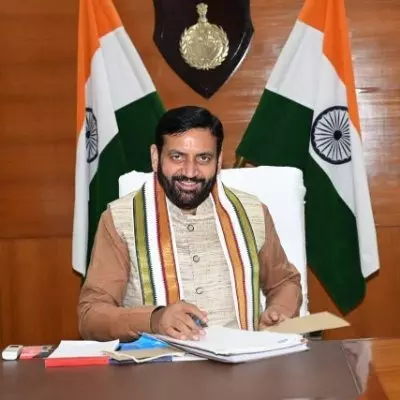
Haryana CM Saini to lead investment outreach in Gujarat
Digital Desk | Chandigarh, Oct 26 (IANS) Haryana Chief Minister Nayab Singh Saini will lead a high-level delegation to Gujarat on October 27-28 to attract investments, strengthen industrial cooperation and promote business opportunities in the state, the state government said on Monday. The delegation will visit Surat and Gandhinagar, where it will hold meetings with investors, engage with industry representatives and organise the Haryana Investment Roadshow. Haryana Industries and Commerce Minister Rao Narbir Singh will also accompany the Chief Minister. The outreach comes as Haryana seeks to attract investments worth around Rs 5 lakh crore and generate more than 10 lakh employment opportunities by 2030-31 under its Make in Haryana Industrial Policy -- 2026. Amit Agrawal, Commissioner and Secretary (Industries and Commerce), said Saini would hold one-to-one meetings with investors in Surat on October 27 to discuss investment prospects, industrial expansion and opportunities for setting up businesses in Haryana. The programme will also include a Pravasi Milan Samaroh, bringing together members of the Haryana diaspora and prominent business representatives. The event will highlight the state's cultural heritage, development trajectory and industrial capabilities. On October 28, Haryana will organise an investment roadshow in Gandhinagar, bringing together industrialists, investors and representatives from various sectors. The roadshow will showcase Haryana's industrial infrastructure, investor-friendly policy framework, connectivity and skilled workforce, while highlighting opportunities across sectors, Agrawal said. The delegation will hold discussions with industry representatives on prospective investments, projects and business partnerships. The state will also explore the possibility of signing memoranda of understanding (MoUs) linked to investment proposals. The government aims to use the engagements to establish direct links with investors and encourage companies to consider Haryana for new industrial units and expansion projects. The Make in Haryana Industrial Policy -- 2026 is aimed at accelerating industrial development, strengthening manufacturing and creating a conducive environment for domestic and international investors, according to the state government. Under the policy-led investment push, Haryana has set a target of attracting approximately Rs 5 lakh crore in fresh investments and creating more than 10 lakh jobs by 2030-31. The Gujarat outreach is intended to familiarise investors with the state's industrial ecosystem and encourage investment proposals that could support manufacturing growth, technological innovation and employment generation. The government expects the engagements in Surat and Gandhinagar to open avenues for new industrial ventures, expansion of existing businesses and partnerships with companies across sectors. The visit forms part of Haryana's broader effort to widen investor engagement and position the state as a destination for industrial investment and business expansion.
Gujarat govt. declares Devbhoomi Dwarka, Kutch, Jamnagar and Porbandar as drought-affected
Chief Minister Bhupendra Patel said the decision on drought declaration was taken as per the guidelines of the Centre after monsoon ended in the state; as per the Centre's 2016 guideline on drought, the announcement will be in effect for six months, Mr. Patel added.
After Somnath, Gujarat plans plastic-free prasad packaging at Ambaji Temple
Digital Desk | Gandhinagar, Oct 26 (IANS) The Gujarat Pollution Control Board (GPCB) plans to introduce eco-friendly packaging for prasad at the Ambaji temple, with the proposed switch from conventional plastic boxes expected to prevent around 135.6 tonnes of packaging-related plastic waste annually. The initiative follows the introduction of plastic-free prasad packaging at the Somnath temple in September and aims to extend the model to another major pilgrimage centre in Gujarat. The alternatives developed by the National Institute of Design (NID), Ahmedabad, include moulded containers made from sugarcane bagasse, a by-product of sugarcane processing, as well as reusable tin boxes and plastic-free paper packaging. Forest and Environment Minister Arjun Modhwadia said the Ambaji temple currently uses around 15,000 plastic prasad boxes on a normal day, with demand increasing considerably during festivals and special occasions. Approximately 10 lakh boxes are distributed every month, generating an estimated 11,299.5 kg of packaging-related plastic waste. The proposed transition to eco-friendly alternatives could prevent approximately 135.6 tonnes of plastic waste annually at Ambaji. The packaging solutions are intended to maintain the hygiene, functionality and convenience required for prasad distribution while preserving its cultural identity, Modhwadia said. The GPCB engaged NID Ahmedabad's Integrated Design Services through a professional design consultancy assignment to develop alternatives suited to the requirements of both temples. Field studies at Somnath and Ambaji examined devotee footfall, the quantity of prasad distributed, preparation and packaging processes, storage conditions, distribution patterns and existing waste-generation practices. The study found that a single type of packaging would not meet all requirements. Prasad intended for immediate consumption needed lightweight, biodegradable packaging, while products carried home or transported over longer distances required stronger containers. Separate solutions were, therefore, developed for immediate consumption, regular takeaway and reusable packaging. The proposed options include paper boxes and moulded sugarcane bagasse containers for short-term use, alongside durable tin boxes that devotees can retain and reuse. At Somnath, prasad is now distributed in plastic-free paper boxes and reusable tin containers. Chief Minister Bhupendra Patel formally inaugurated the eco-friendly packaging initiative on September 17. The temple distributes approximately 4,200 kg of prasad in nearly 27,700 boxes every day. The transition from conventional plastic containers to sustainable alternatives is expected to eliminate more than 203 tonnes of plastic use annually. Minister of State for Forests and Environment, Pravin Mali, said the initiative sought to make environmental responsibility an integral part of religious practice. By introducing biodegradable and reusable alternatives at prominent pilgrimage centres, GPCB aims to demonstrate how thoughtful design, institutional action and public participation can deliver measurable environmental benefits, Mali said. The initiative is intended to promote sustainable waste management at religious sites while encouraging devotees to adopt environmentally responsible practices. With the model already introduced at Somnath and plans being developed for Ambaji, the approach could also be considered for other pilgrimage centres in Gujarat and elsewhere.
Gujarat Police seize firecrackers worth Rs 2.68 lakh from two shops operating without licences
Digital Desk | Aravalli, Oct 26 (IANS) The Special Operations Group (SOG) of Aravalli district police has seized firecrackers worth Rs 2.68 lakh from two shops in Dhansura for allegedly stocking explosive materials without licences ahead of Diwali. The police registered cases against the two shop owners under the Explosives Act, 1884, following inspections carried out on October 25 to check compliance with licensing requirements and fire safety provisions. According to the police, the inspections were conducted on the instructions of senior officials, who had directed teams to take action against those illegally selling explosive materials ahead of the festival. The operation was conducted under the supervision of P B Chaudhary, police inspector with the Aravalli-Modasa SOG. At Mahadev Traders, owned by Sanjaykumar Thakkar, the team found 1,116 boxes of different types of firecrackers valued at Rs 98,076 allegedly stocked without a licence. At Sai Baba Seasonal Firecracker Shop, owned by Vinodkumar Khatri, the police found 1,338 boxes valued at Rs 1,70,162. The combined seizure amounted to 2,454 boxes of firecrackers worth Rs 2,68,238. The police also reported safety concerns at both premises, where electrical wiring had been routed through plastic pipes outside the walls rather than installed within them. According to the police, this arrangement posed a risk of short circuits and fire. The police said the shop owners had failed to make adequate arrangements to protect people against the potential danger of fire and injury while keeping explosive materials in their possession. Cases were registered against both under Section 9(B)(1)(b) of the Explosives Act, 1884, and legal proceedings were initiated. Thakkar is a resident of Jhulelal Society on Madhi Ashram Road in Vijapur taluka of Mehsana district, while Khatri resides in Akshardham Society in Dhansura, Aravalli district.
Rohtak (Haryana) [India], October 26: What began as a small juice centre has grown into a retail network of more than 500 mobile stores. The journey of Bhatia Mobile is a story of resilience, family dedication and customer trust. After establishing a strong presence in Gujarat, Maharashtra, Rajasthan and Madhya Pradesh, the company has now opened its first Haryana store in Rohtak, the hometown of the Bhatia family.
Gujarat Declares 4 Districts Drought-Hit Despite 89% Rainfall: Govt Announces Major Relief Package
Devbhumi Dwarka, Porbandar, Kutch and Jamnagar will receive drought relief, including subsidised fodder and employment support for rural communities.
Ahmedabad (Gujarat) [India], October 26: The rapid digitisation of data and evolution of technology are creating a growing need for data scientists to analyse complex data to better inform individual choices, clinical practice, industry priorities, public health initiatives, and policy decisions. To address this critical need, Ahmedabad University's Bagchi School of Public Health has introduced a Master of Science in Health Data Science. The inaugural cohort will commence on July 1, 2027.
Why Wicketkeepers Could Rule WPL Mini-Auction
Reema Malhotra urged Delhi Capitals to prioritise a wicketkeeper-batter and strengthen their bowling, while Gujarat Giants must target an Indian pacer, reliable backups and match-winning depth at Wednesday's WPL mini-auction.
BJP's Tarun Chugh Slams Rahul Gandhi and Mallikarjun Kharge in Fierce Gujarat Attack
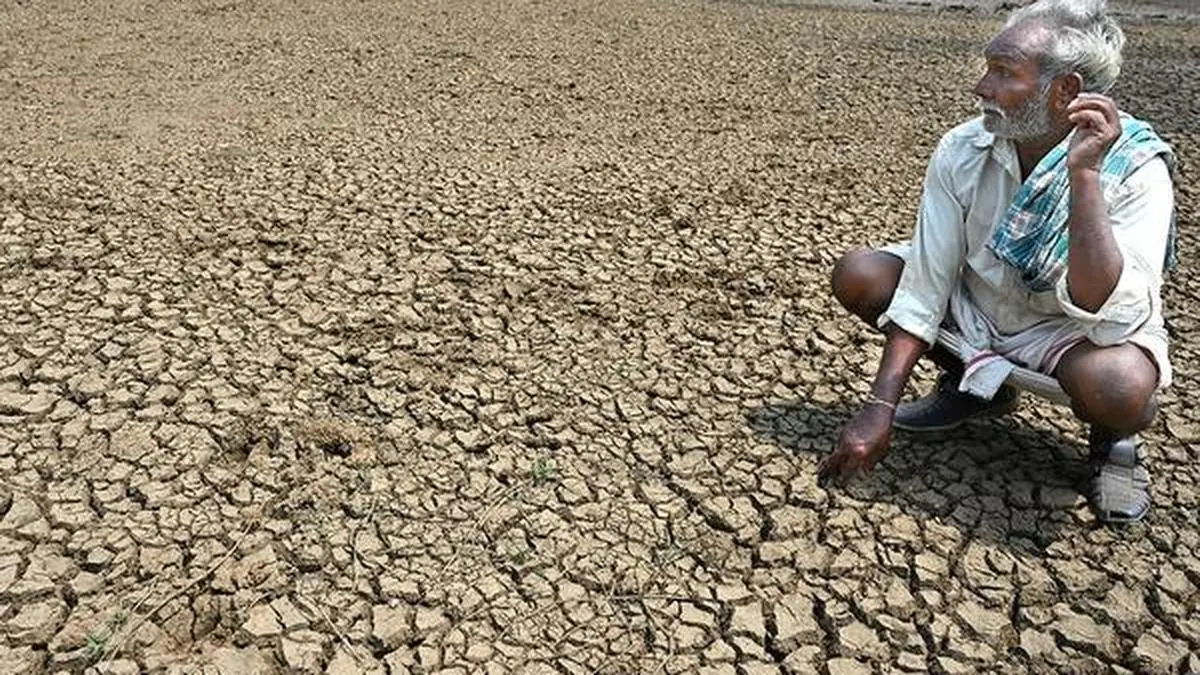
Gujarat declares 4 districts drought-hit; announces farm relief
The government has also announced measures to support livestock owners, including financial assistance for cattle kept in relief camps

Surat-Made Steel Powers INS Mangrol, Strengthening Indias Naval Defence Capabilities
Surat/Hazira (Gujarat) [India], October 26: The Indian Navys newly commissioned Anti-Submarine Warfare Shallow Water Craft INS Mangrol carries a strong Surat connection, having been built using 100% specialised steel supplied

Gujarat Govt Replaces Poem In Diwali Magazine Following VHP Protest
The Gujarat government has removed a poem from the online edition of its annual Diwali magazine after the Vishwa Hindu Parishad (VHP) objected to references to Lord Ram and Bhakti saint Meera Bai, news agency PTI reported. The poem, written by
Vadodara (Gujarat) [India], October 24: Vadodara-based Parul University has been recognized globally for its research, with eight of its researchers featuring in the Stanford-Elsevier Global Scientist Rankings 2026 as among

DC's Main Priority In WPL 2027 Auction Will Be To Get An Experienced Keeper: Reema Malhotra
Former India cricketer Reema Malhotra feels landing an experienced wicketkeeper-batter will be the foremost task on the mind of Delhi Capitals (DC) in the 2027 Womens Premier League (WPL) mini auction, adding that the four-time runners-up cannot afford to go without a proven hand behind the stumps if they are serious about lifting the trophy. DC, who have a purse of Rs 1.10 crore, released both Taniyaa Bhatia and Lizelle Lee ahead of the auction, leaving young Mamatha Madiwala as the only keeping option in the squad. With other teams also vying for keeping options, the likes of Taniyaa, Uma Chetry, Nuzhat Parween, Sushma Verma, G Kamalini, Bhavika Ahire and Sarah Bryce can expect big paydays in the auction starting from 5:30pm in Kochi on Wednesday. Delhi Capitals will be heading into the mini-auction thinking about how they can win the trophy after losing three times in a row and what gaps they need to fill to achieve that. The biggest gap is that they dont have a wicketkeeper batter. Taniya Bhatia was there before but has been released, and Lizelle Lee has been let go of too, so Delhis main priority will be to sort out that spot. This WPL auction is going to be a jackpot for the wicketkeepers, because almost every team needs one, said Reema on JioStar. Though Reema backed Mamathas ability to don the keeping duties for DC, she felt the role demanded the kind of composure and leadership that only comes with experience. Mamatha Madiwala is there in the squad, but shes quite young. She has the talent required to excel, but shes not that experienced, and Delhi require an experienced wicketkeeper batter to get their hands on the trophy. In a tournament like the WPL, you need someone who can handle the pressure behind the stumps and contribute with the bat. An experienced wicketkeeper can guide the bowlers, set the field, and keep the team calm in tight situations. That kind of leadership is difficult to find in a young player. If DC want to end their wait for the trophy, they need someone who has been there and done it before. Otherwise, they will keep falling short in the big moments. Reema further opined that DCs overseas contingent needed no tinkering, but the bowling unit needed reinforcements after the exits of Alana King and Sneh Rana. In this Delhi team, the overseas players are sorted with Laura Wolvaardt, Annabel Sutherland, Marizanne Kapp and Chinelle Henry, so there is no problem there. In the spin department, they have Shree Charani, and Nandni Sharma will lead the pace attack. But they need support bowlers as they have released Alana King and Sneh Rana, because Shree Charani cannot be the lone spinner. Either a leg spinner, an off-spinner, or an Indian all-rounder would help Delhi, because without that, they wont have a sixth bowling option, she said. She also named Australian all-rounder Grace Harris as a likely target, though she felt an Indian spin-bowling all-rounder would be the other key piece alongside a keeper. Grace Harris is a name Delhi Capitals could look at. A lot of teams will go for her, but I feel Delhi will put in a good fight to secure her services. She can strengthen their middle order. But I still feel DC need an Indian all-rounder, someone who can bat in the middle order and give the option of spin in the middle overs. So, an all-rounder and a wicketkeeper complete this team. On the Indian options already in DCs squad, Reema said, If they want an Indian batter in the top order, they can think about introducing Deeya Yadav into the playing XI, who has played for Haryana under Shafalis leadership, so you can see her playing a part at some point in the season. They have Minnu Mani, but shes not known for her batting. She bowls well and is a good fielder too, so if Delhi make her play, she can fill in somewhere. But I still feel they need a stronger option for that Indian spin-bowling all-rounder. While assessing the needs of Gujarat Giants, who have a purse of Rs 1.25 crore, Reema said she expects them to stay away from the big-ticket buys and focus instead on adding depth to their pace attack, which looks thin after the release of Titas Sadhu. Gujarat Giants are not going to be in the hunt for many big players. They mainly need backups for their main players. Renuka Singh Thakur and Kashvee Gautam are their main pacers, but Kashvee is injury-prone and Renuka is struggling for form. Its a long tournament, so you need a backup pacer, because they have released Titas Sadhu. While assessing the needs of Gujarat Giants, who have a purse of Rs 1.25 crore, Reema said she expects them to stay away from the big-ticket buys and focus instead on adding depth to their pace attack, which looks thin after the release of Titas Sadhu. Also Read: Special Cricket Stories Article Source: IANS
Anantnag Police Arrest 7 in Anti-Drug Crackdown, Recover Over 7.86 Kg of Contraband
Anantnag, Oct 26 : Continuing its sustained crackdown against drug trafficking and substance abuse, Anantnag Police intensified its efforts to curb the drug menace across the district. During a series of operations, police teams apprehended seven persons, registered eight cases under the relevant provisions of the NDPS Act, seized one vehicle and recovered over 7.86 kilograms of contraband substances. During the operations, a police party from Police Station Anantnag apprehended Sareer Ahmad Bhat, son of Khazir Mohammad Bhat, resident of Chirhama Mirbazar, at Nawvathoo Danter and recovered approximately 230 grams of charas powder-like substance from his possession. In another operation, police intercepted a Hyundai i10 bearing registration number JK05B-3181, driven by Mohd Altaf Bhat, son of Abdul Majeed Bhat, resident of Mirdanter. Approximately 153 grams of charas powder-like substance was recovered during the search. The vehicle was seized, and a case was registered under the relevant provisions of the NDPS Act. In separate operations at Wazirbagh and behind Police Station Anantnag, police apprehended Bittu Dantani, son of Raju Dantani, resident of Chapur Mehdi Kuwa, Ahmedabad, Gujarat, presently residing at Achabal Adda, Anantnag, and Ajay Kumar, son of Kishan Kumar, resident of Verrugam Kadi, Gujarat. Approximately 17 grams and 22 grams of charas, respectively, were recovered from their possession. Meanwhile, acting on reliable information, Police Post Sangam conducted a raid at the residential house of Bilal Ahmad Bhat, son of Abdul Wahab Bhat, resident of Baliyar Marhama, and recovered approximately 7.170 kilograms of ganja-like substance. The accused was not present at the time of the raid. FIR No. 323/2026 under Sections 8/20 of the NDPS Act has been registered, and efforts are underway to apprehend him. In another operation, a naka party of Police Post Shairbagh apprehended Danish Manzoor Shaikh, son of Manzoor Ahmad Shaikh, resident of Janglat Mandi, Anantnag, at High Ground and recovered approximately 205 grams of charas-like substance from his possession. Similarly, a naka party of Police Station Mattan apprehended Javid Mukhtiyaar Pashoo, son of Mukhtiyaar Ahmad Pashoo, resident of Gopalpora, Mattan, and recovered approximately 52.6 grams of charas-like substance from his possession. Accordingly, FIR No. 123/2026 under Sections 8/20 of the NDPS Act has been registered at Police Station Mattan. In a separate action, a police party of Police Post DK Pora apprehended Bashir Ahmad Bhat, son of Mohd Abdullah Bhat, resident of Brinty, and recovered approximately 15 grams of charas from his possession. A case has been registered, and further investigation has been taken up. Anantnag Police reiterates its firm commitment to eradicating the drug menace and appeals to the general public to cooperate with police by sharing credible information regarding drug trafficking and peddling. Public participation remains vital in the collective effort to build a drug-free society.
Kharge's Remarks on PM Modi's Father Spark Row; Bhupendra Patel, Harsh Sanghavi Hit Back
Gujarat CM Bhupendra Patel and Harsh Sanghavi criticise Congress chief Mallikarjun Kharge over his remarks about PM Narendra Modi's father at a Patna event.
Solvent extractor survey estimates 20% decline in Gujarats kharif groundnut crop output
SEA made three days of extensive field visits across major districts before coming out with its estimate
Gujarat Giants Explain Why They Released World Class Danni Wyatt-Hodge Ahead Of WPL Auction
Gujarat Giants (GG) head coach Michael Klinger has stated that the decision to release England opener Danni Wyatt-Hodge was driven by a desire for tactical flexibility in the upcoming auction, alongside considerations regarding her international availability during WPL 2027.
ScoutOP, a Bigg Boss 20 contestant, faced scrutiny regarding his closeness with co-contestant Love Gill. His girlfriend, Kaashvi Hiranandani, confronted him about the situation during a recent episode. She expressed her dissatisfaction and embarrassment over his actions on national television. Amidst this controversy, viewers have revisited ScoutOPs past, including a YouTube tour of his impressive home.
A National Unity Rally comprising 150 motorcycles was flagged off in Surat on Monday as part of an anti-drug campaign, with participants from different states joining the initiative to mark National Unity Day (Rashtriya Ekta Diwas). Surat SP Rajesh Gadiya highlighted the participation of representatives from different states and the welcome extended to them by local groups, including NCC cadets, college students, industrial workers and village heads. Speaking to ANI, he said,

How to make Jethalal's favourite Jalebi Fafda at home: see the amazing recipe.
You've probably seen Jethalal relishing jalebi fafda on Taarak Mehta Ka Ooltah Chashmah many times. Learn how to make this easy Gujarati snack at home.Jalebi Fafda RecipeJethalal's passion for Jalebi Fafda is no secret from the popular TV show Taarak Mehta Ka Ooltah Chashma. He has been seen...
Gujarat govt drops poem from Diwali magazine after VHP's objection - Rediff
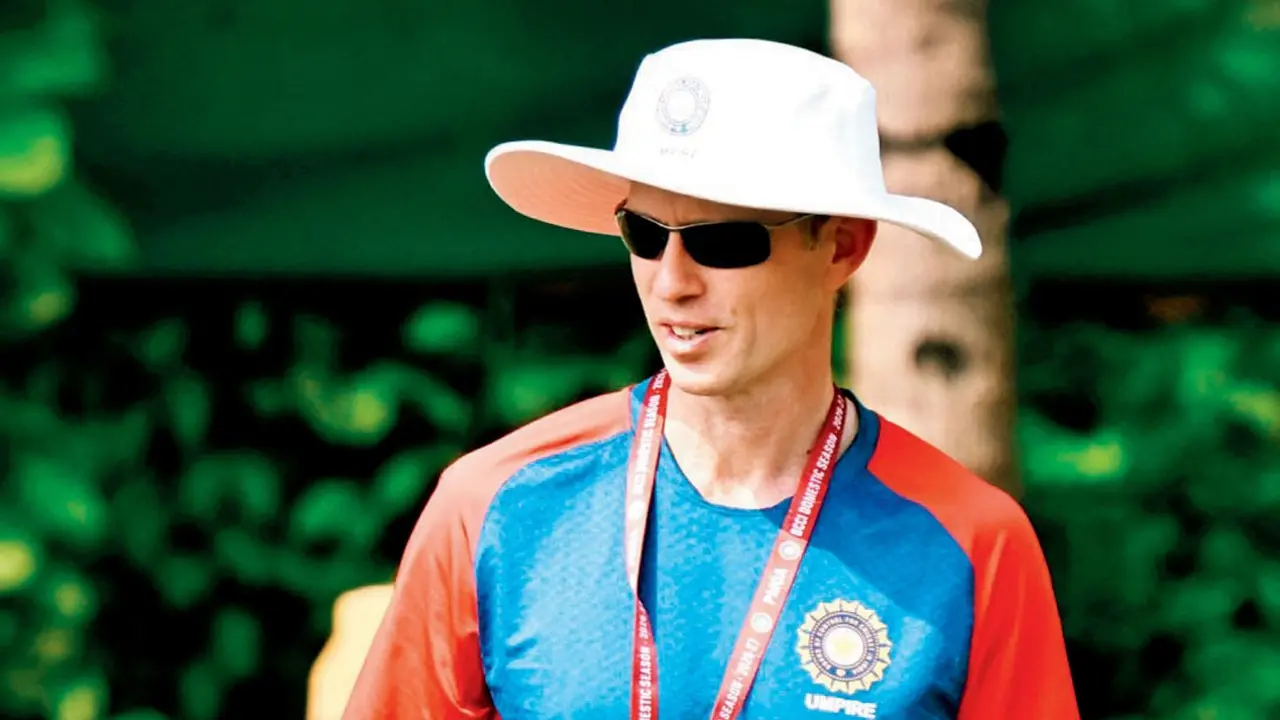
Australian umpire Ben Treloar reveals attending first umpiring course at 16
Sydney-based Treloar is in India as part of the umpire exchange programme between the BCCI and Cricket Australia (CA). He officiated the Ranji match between hosts Delhi and Gujarat last week.
Viral Video: 40 iPhone 17, Apple Watches Stolen From A Warehouse in Gujarat
Ingram Micro warehouse near Sanathal Circle in Ahmedabad district, Gujarat has been robbed of electronic items worth around

Gujarat cops raid flat, seize 243 kg of narcotics worth Rs 1.21 crore
Gujarat cops raid flat, seize 243 kg of narcotics worth Rs 1.21 crore Vapi (Gujarat): The Valsad district police have seized 243.670 kg of cannabis-based narcotic substance worth Rs 1.21 crore and arrested a 32-year-old man during a raid at a residential flat in Vapi, police said on Sunday. The seizure was made by the [] The post Gujarat cops raid flat, seize 243 kg of narcotics worth Rs 1.21 crore appeared first on Mangalorean.com .

202 National School Games taekwondo bouts held in Ganderbal on day 4
Ganderbal, Oct 25: The 70th National School Games (NSG) Taekwondo Championship continued with great enthusiasm at Ganderbal, witnessing 202 bouts involving 208 participants across different weight categories on the fourth day of the championship. The Directorate of Youth Services and Sports (YSS), Jammu and Kashmir, organised a medal ceremony to honour the outstanding performances of the participating athletes. Additional Secretary YSS TinnaMahajan, as per a statement issued, attended the ceremony as the chief guest and distributed medals among the gold, silver and bronze medal winners. Joint Director Kashmir, YSS, Mohammad Rashid Kohli, Principal of the Government College of Physical Education (GCOPE) and SGFI Field Officer were also present on the occasion. During the fourth day's competitions, 202 bouts were conducted across six weight categories. In the girls' section, 34 bouts were held in the -38 kg category, 35 in the -52 kg category and 36 in the -63 kg category. In the boys' section, 33 bouts were conducted in the -41 kg category, 36 in the -59 kg category and 33 in the -78 kg category. Among the gold medal winners, Sarfaraaz Ahmad, Uzair Aslam and Abdul Hadi represented Jammu and Kashmir, while Ayush Semwal of Delhi, Ayushman Chuchan of Uttar Pradesh, Pranava Raj of Tamil Nadu, Gunj Manish Pipaliya of Gujarat and Tejas Yadav of KVS also secured gold medals. Other gold medal winners included Ananya A of Tamil Nadu, Soloni Umesh Prasad of Maharashtra, Nikesha Singh of CISCE, Rishika of Haryana, Joyshree Chetia of Haryana, Sai Prashant Kadhi of Maharashtra, Aaniya of Haryana, Aekta Kapoor of Jammu and Kashmir, and Sanatani Dey of West Bengal. Silver and bronze medal winners were also honoured during the ceremony in recognition of their performances and achievements in the championship. The medal distribution ceremony celebrated the dedication, discipline and sporting excellence of young athletes representing different states, Union Territories and school boards across the country. The 70th National School Games Taekwondo Championship is being hosted by the Directorate of Youth Services and Sports, Jammu and Kashmir, under the aegis of the School Games Federation of India (SGFI).

Unique School in Gujarat Prepares Students for Careers in Police and Paramilitary Forces
Gujarats Raksha Shakti School combines academics with training for careers in police and paramilitary forces. Unique School in Gujarat Prepares Students for Careers in Police and Paramilitary Forces
Cong seeks declaration of TAT-HS Mains results - Ahmedabad Mirror
Gujarat to seek water-for-power deal with Raj, MP, M
Gujarat Urban Road Guidelines Set 48-Hour Deadline for Dangerous Repairs - Urban Acres
CM, Gujarat Governor attend religious event in Ghogha village - The Tribune
Gujarat Drought Risk Grows as Saurashtra Faces Water Gaps - Urban Acres