


Gujarat govt. declares Devbhoomi Dwarka, Kutch, Jamnagar and Porbandar as drought-affected
Chief Minister Bhupendra Patel said the decision on drought declaration was taken as per the guidelines of the Centre after monsoon ended in the state; as per the Centre's 2016 guideline on drought, the announcement will be in effect for six months, Mr. Patel added.

Gujarat Declares 4 Districts Drought-Hit Despite 89% Monsoon Rainfall; Farmers To Get
Devbhumi Dwarka, Kutch, Jamnagar and Porbandar face severe rainfall deficits as Gujarat announces financial, employment and livestock relief.

Gujarat Declares 4 Districts Drought-Hit Despite 89% Rainfall: Govt Announces Major Relief Package
Devbhumi Dwarka, Porbandar, Kutch and Jamnagar will receive drought relief, including subsidised fodder and employment support for rural communities.

Jamnagar at the centre of a New Oil Order
As Washington tightens pressure on Russian energy, it is discovering an inconvenient reality: global fuel markets cannot afford disruption. At the heart of that equation sits Jamnagar, India's refining giant and one of the world's most important energy hubs. Marco Rubio's visit was not merely a refinery tour. It was a signal that the next phase of energy geopolitics will be driven as much by supply security as by sanctions.
Horse stable, swimming pool, RJ monograms: Inside Ravindra Jadejas 8-acre Jamnagar farmhouse
Ravindra Jadeja, a celebrated cricketer, leads a life of luxury, epitomised by his stunning home in Ahmedabad and a serene farmhouse in Jamnagar. The farmhouse boasts a vast lawn, a glistening swimming pool, and spacious stables for his prized horses. Jadeja's Ahmedabad residence is tastefully decorated, reflecting his love for the finer things in life.
US courting Reliance's refining muscle to keep oil flowing, not curb Russian crude, analyst says
Marco Rubio's recent visit to Jamnagar emphasizes strengthening energy ties between the US and Reliance Industries. With a capacity of 1.4 million barrels per day, Jamnagar plays a crucial role in global diesel exports. The US seeks to stabilize energy flows while urging India to diversify away from Russian oil. Reliance is also positioned to process Venezuelan crude, enhancing Washington's interests in the region.
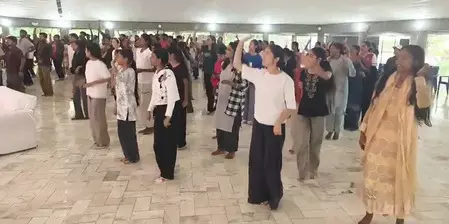
'Drug-Free India' message promoted through traditional sports campaign in Gujarat's Gandhinagar
Digital Desk | Gandhinagar, Oct 24 (IANS) A 'Drug-Free India' (Nasha Mukt Bharat) awareness programme was organised in Gujarat's Gandhinagar on Saturday, with a theme of 'Celebrating India's Traditional Sports.' The initiative aimed to raise awareness among the youth regarding physical fitness, the importance of traditional Indian sports, and the adoption of a healthy, drug-free lifestyle. The event was organised by the Netaji Subhas Chandra Bose Western Centre of the Sports Authority of India (SAI), Gandhinagar, in collaboration with 'My Bharat.' It featured a variety of traditional Indian sports and fitness-based activities, including 'Lagori' (seven stones), tug-of-war, sack races, a 'Drug-Free India'-themed game of Snakes and Ladders, 'Knock Out Addiction' (coin toss), 'Choose Fitness' (ring toss), a 'Fit India' fitness challenge, and penalty shoot-outs. These activities fostered teamwork, discipline, and sportsmanship, while also celebrating India's rich heritage of traditional sports. The chief guest, mountaineer Nisha, conducted an awareness session highlighting the importance of fitness, discipline, endurance, healthy lifestyle choices, and staying away from substance abuse. The event concluded with an awards ceremony, where winners of the various traditional sports and activities were honoured. Through this joint initiative, SAI Gandhinagar and 'My Bharat' reaffirmed their commitment to advancing the objectives of the 'Fit India Movement' and inspiring the youth to embrace sports, fitness, and a healthy, drug-free lifestyle. Speaking to IANS, mountaineer Nisha expressed her pleasure in attending the event and said, Efforts are being made to convey the message of a 'Drug-Free India' (Nasha Mukt Bharat) to the youth. It is essential today to keep young people away from substance abuse. Traditional games are also being introduced to the current generation, as many children are unaware of the games that were played in the past. It is heartening to see such messages reaching the youth, she said. Vishal Nagrale, the District Youth Officer for Jamnagar, stated that a 'Drug-Free India' is the vision of Prime Minister Narendra Modi. We want our country to become completely free from drugs, and we want young people to stay away from substance abuse so that we can realise the vision of a Viksit Bharat by 2047. With this objective, various initiatives are being undertaken to channel the energy of young people in the right direction, Nagrale said. Key attendees included Sachin Sharma, State Director of 'My Bharat' (Gujarat); Pankaj Yadav, Deputy Director of 'My Bharat'; and Shreyansh Singh, Assistant Director of 'My Bharat' (Gujarat). Additionally, the event saw the participation of Amrita Surana, District Youth Officer (DYO) of Navsari and Kajal Sahrawat, District Youth Officer of Patan.
Gujarat Police Destroy Liquor Worth 2 Crore In Major Crackdown
In a major anti-liquor crackdown, Gujarat police in Jamnagar destroyed 54,991 seized IMFL bottles worth 2.03 crore under court orders. The operation, supervised by the SDM and carried out under IG Linley Paye's zero-tolerance policy, targeted confiscated liquor stock from multiple enforcement actions across the district.

Best of Opinion: Global prosperity can no longer be taken for granted
Today's columns examine India's growing cyber risks, uncertainty over Nitish Kumar's political succession, the strategic value of Reliance's Jamnagar refinery and the changing language of Gen Z.
Watch: Rubios India visit: What did the U.S. really want? | Worldview
U.S. Secretary of State Marco Rubio visits India for the second time in five months, with stops in Mumbai and Jamnagar and talks on trade, energy and connectivity. As Rubio and External Affairs Minister S. Jaishankar prepare for the next Modi-Trump talks, have differences over trade, tariffs, Russian oil and immigration been bridged? In this episode of WorldView, we examine five key takeaways from the visit and five unanswered questions.

Why Washington Eyes Jamnagar: Reliance Mega Refinery, Venezuelan Crude & Global Oil Diplomacy
Why Washington Eyes Jamnagar: Reliance Mega Refinery, Venezuelan Crude & Global Oil Diplomacy
Opinion: Opinion | Why The US Won't Stop Penalising India - Even If It Needs Delhi's Help
Marco Rubio's dash to Jamnagar was driven by Trump's hope that India could do something about the shortage of diesel that the world is experiencing and thereby help his mid-term performance. But why the punishing policies then?
Corporates, politics, not just hand in Gov
Marco Rubio visited Jamnagar, showcasing the new dynamics of government-corporate relationships in a changing global landscape. Companies like Reliance benefit from interactions that blend trade, technology, and statecraft in today's world. The shift in globalisation signifies a need for cooperation between nations and multinational corporations. As trade policies evolve, strategic engagements are increasingly essential for market access and competitiveness.

US Diplomat Visits Jamnagar Refinery As Global Crude Scarcity Reshapes Energy Ties
US Diplomat Visits Jamnagar Refinery As Global Crude Scarcity Reshapes Energy Ties
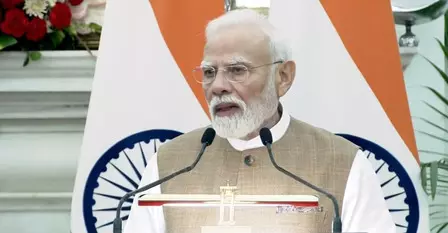
India, Poland agreed to deepen ties in defence, space and nuclear energy: PM Modi
Digital Desk | New Delhi, Oct 22 (IANS) Prime Minister Narendra Modi said on Thursday that India and Poland agreed to deepen ties in defence, space and nuclear energy and invited Polish companies to engage with India in co-development and co-production in these sectors. While addressing a joint press meet with Polish PM Donald Tusk following their talks at Hyderabad House in New Delhi on Thursday, PM Modi recalled how India and Poland elevated ties to the status of Strategic Partnership during his visit to Warsaw in 2024 and noted that the bilateral partnership has gained new momentum over the past two years. I am delighted to extend a warm welcome to the Prime Minister of Poland in India. During my visit to Poland in 2024, he had warmly welcomed me and my delegation. During that visit, we elevated our relationship to the status of Strategic Partnership. Building on this strong foundation, our partnership has gained new momentum over the past two years. And today, in our meeting with the Prime Minister, we have taken several significant decisions to further strengthen our strategic partnership, he said. The Prime Minister said that India and Poland are emerging as important centres of growth, technology and innovation when the world is going through a period of uncertainty and change. Today, we have agreed to deepen our ties in the fields of defence, space, and nuclear energy. We invite Polish companies to work with India on co-development and co-production in all these strategic sectors, he stated. Highlighting the 'Good Mahraja' connect between India and Poland, PM Modi said, The friendship between India and Poland is not merely based on diplomatic relations, but on a shared heritage of humanity and compassion. During the Second World War, the royal families of Jamnagar and Kolhapur had provided shelter to thousands of Polish children and families in India. Even today, the people of Poland remember Jam Saheb as Dobry Maharadza (The Good Maharaja). The Prime Minister expressed happiness that PM Donald Tusk has travelled to New Delhi with a large business delegation and expressed confidence that companies from India and Poland will work together to develop trusted supply chains for the world and achieve the shared goal of doubling bilateral trade by 2030. Highlighting the economic growth of India and Poland, PM Modi said, Last year, Polands GDP crossed the historic USD 1 trillion mark. I warmly congratulate the Prime Minister on this achievement. India, too, recorded impressive growth of 7.8 per cent in the last quarter. Our growing economic strength has created new opportunities for the India-Poland partnership, and the India-European Union Free Trade Agreement has further expanded these opportunities. Once this agreement comes into effect, it will open up new opportunities for the export of machinery, chemicals, plastics, and engineering goods from India to Poland. Furthermore, we will attract new investments from Poland in sectors such as railways, mobility, advanced manufacturing, food processing, and biotech, he added.

Mukesh Ambani Hosts US Secretary of State Marco Rubio at Jamnagar Refinery
Reliance Industries CMD Mukesh Ambani and Anant Ambani welcome US Secretary of State Marco Rubio and Ambassador Sergio Gor to Jamnagar for discussions on energy, technology and commercial partnerships.

Rubio tours Jamnagar as Washington courts Reliances refining muscle
Jamnagar, Oct 21: Almost the entire Ambani family led by billionaire tycoon Mukesh Ambani welcomed the US Secretary of State Marco Rubio at Jamnagar on Wednesday, as he began a tour of the worlds largest single-site refinery. Rubio arrived in Jamnagar a day after calling India a crude-refining superpower and urging more processing of Venezuelan crude there. The day also included a visit to Reliances Vantara animal-rescue centre and giga factories being developed by the conglomerate. The day also included a visit to Reliances Vantara animal-rescue centre and giga factories being developed by the conglomerate. The visit puts a private industrial empire at the centre of US-India energy diplomacy, analysts said. Officials have described the Ambani-hosted programme as a private visit. It comes as US diesel prices surge ahead of the mid-term elections. No details of the visit were released by either side. Rubio was welcomed by Ambani, chairman and managing director of Reliance Industries Ltd, his wife Nita and children Isha and Anant, people familar with the visit said. Akash Ambani, Mukesh Ambanis eldest son and managing director of Jio Platforms, was overseeing the opening of the telecom giants initial public offering (IPO). Reliances Jamnagar complex can process 1.4 million barrels of crude a day and is the worlds largest and most complex single-site refinery. Its fuel exports make it a hub for global supply. Rubio told Reliance-owned Network 18 that Washington wants to work more closely with Reliance on refining energy from the Western Hemisphere, calling that helpful to both countries. Reliance is already a key player in Washingtons oil diplomacy. It is the biggest buyer of Venezuelan crude after the US itself, at a time when Washington is urging India to buy more, the people said. Reliances proposed Texas refinery adds a reciprocal dimension to its energy ties with the US. US President Donald Trump recently announced that Reliance is partnering to build a new 168,000 barrels-a-day refinery project in Brownsville, Texas. While Washington is seeking to encourage more processing of Western Hemisphere crude at Jamnagar, the Indian conglomerate is also positioning itself to handle US oil closer to its source. The plant is designed to process US-produced light shale crude and would be the first major new US refinery in about five decades if completed. Besides the refinery, Rubio also visited Vantara. Reliance Industries and Reliance Foundation-run Vantara is a rescue, rehabilitation and conservation programme spread over 3,000 acres in Jamnagar. It sits within the green belt of the refinery complex and was conceived by Anant Ambani, the youngest son of Mukesh Ambani. The centre houses more than 2,000 animals across 43 species and employs about 2,100 care-givers and conservationists. It says it has rescued more than 200 elephants and thousands of other animals, reptiles and birds. The other stop on Rubios visit was the Dhirubhai Ambani Green Energy Giga Complex Reliances integrated clean-energy manufacturing hub at Jamnagar, covering solar, storage, fuel cells, electrolysers and power electronics. It is being built on a 5,000-acre site at an expected cost of Rs 75,000 crore (about USD 10 billion). The US Secretary of State arrived in Mumbai on Tuesday, where External Affairs Minister S Jaishankar hosted him for wide-ranging talks on bilateral cooperation. Ahead of the meeting, Rubio described India as a crude oil refining superpower and advocated for processing more Venezuelan crude in India. He also urged India to scale up energy trade with the US and increase purchases of American technologies and defence systems. For Washington, Jamnagar offers a way to turn Western Hemisphere crude into diesel at scale, a pressing concern before the midterms, analysts said. For Reliance, the visit is validation, and a chance to show the US it is an investor as well as a buyer, they said. For New Delhi, it comes as both governments try to settle their differences. Rubio said only a small number of items remain unresolved on a trade deal.
US secretary of state Marco Rubio, Ambani discuss energy and tech cooperation
US Secretary of State Marco Rubio's recent visit to the Reliance Industries refinery in Jamnagar signified a pivotal step towards enhancing energy cooperation. Engaging in discussions with Mukesh and Anant Ambani, Rubio focused on investment avenues, including technology partnerships and ensuring affordable energy and dependable supply chains.
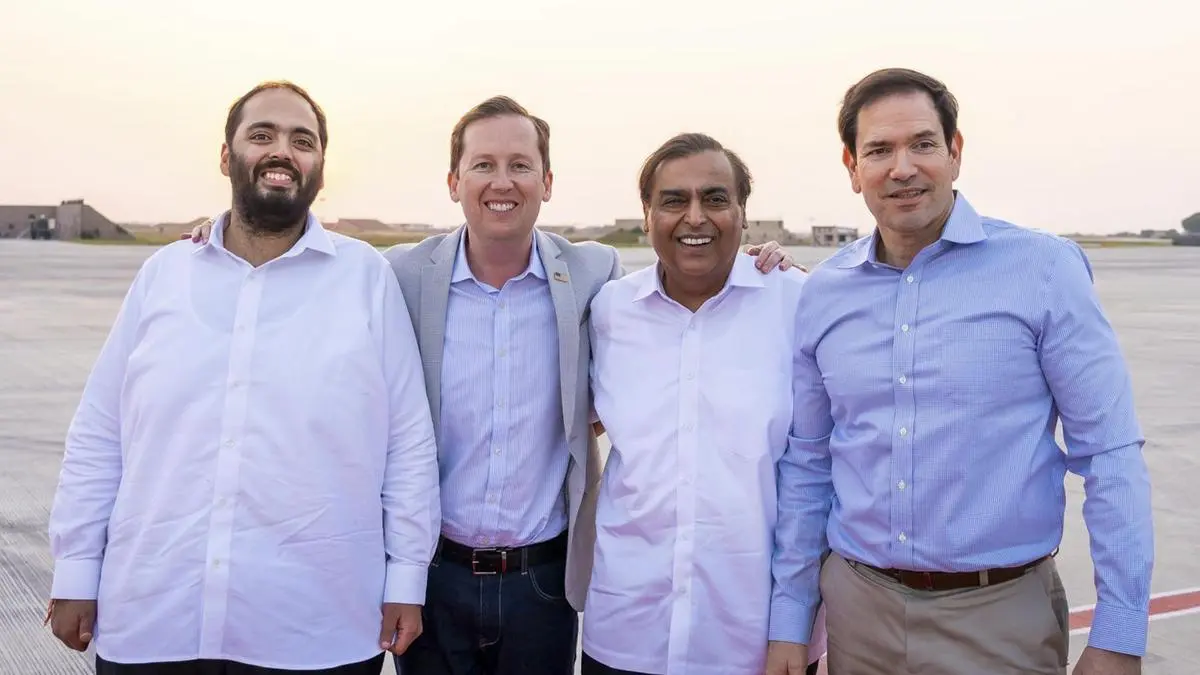
Mukesh Ambani hosts Marco Rubio at Reliances Jamnagar refinery
The visit featured discussions on energy security, advanced manufacturing, digital infrastructure and opportunities for commercial collaboration between Indian and American companies.
At Jamnagar refinery, Rubio and Ambanis discuss energy, digital infrastructure
US President Donald Trump had earlier announced the setting up of a $300 billion refinery in US, with RIL being part of his plank to revive industry in the country and bring back jobs that were offshored. The Mukesh Ambani-led company has, however, not outlined any details. The importance of Reliance has since increased because the Jamnagar complex is where hard Venezuelan crude can be refined.
Rubio, Mukesh Ambani discuss energy, technology partnerships at Jamnagar
US Secretary of State Marco Rubio toured Reliance's Jamnagar refinery and discussed energy supplies, technology, data centres and potential commercial partnerships with Mukesh Ambani.

Rubio Visits Ambanis Jamnagar Refinery As US Turns To India To Process Venezuelan Crude Oil
America has the crude. Ambani has the refining muscle.US Secretary of State Marco Rubio visited Reliances Jamnagar refinery after calling India a refining superpower capable of processing heavy Venezuelan crude.With global conflicts squeezing fuel supplies, Washington is looking at Venezuelan oil as part of the answer and Indias massive refining capacity could be crucial.But theres a twist: the US also wants India to cut its dependence on Russian oil.So why does Washington need Jamnagar now?Watch: https://youtu.be/DrOU_itY6MY

Next-Gen Energy Alliance: Reliance Leadership Hosts Top US Officials in Jamnagar
Reliance Industries Limited (RIL) Chairman and Managing Director Shri Mukesh Ambani and Executive Director Shri Anant Ambani hosted high-level US delegates, including US Secretary of State Mr. Marco Rubio and US Ambassador to India Mr. Sergio Gor, at the Jamnagar complex today. Home to the worlds largest integrated refining complex, Jamnagar served as the backdrop [] The post Next-Gen Energy Alliance: Reliance Leadership Hosts Top US Officials in Jamnagar appeared first on Pragativadi I Latest Odisha News in English I Breaking News .

Rubio meets Adani, Chandrasekaran; visits Reliances Jamnagar refinery
The visit comes as India and the U.S. seek to deepen commercial and strategic ties, with energy security, manufacturing and technology among the areas of potential cooperation.
Rubio At Jamnagar: Russian Oil, Venezuelan Crude; Why US Needs Indias Refinery Power
America wants India to stop buying Russian oil. Yet Washington also needs Indian refineries to keep the world supplied. That is why Secretary of State Marco Rubio flew to Jamnagar, the world's largest refining complex, run by India's richest man, Mukesh Ambani. The Iran war has squeezed fuel supplies, diesel is tight, prices are rising, and Washington now controls a mountain of Venezuelan crude it must process. America has the crude. Ambani has the refining muscle. Rubio has already called India a refining superpower, and Reliance may be asked to refine more Venezuelan oil and even drill there. Reliance suspended Venezuelan imports following American pressure; Washington courts it relentlessly. But the irony is sharp: Washington wants Indian capacity while reshaping India's oil choices. Jamnagar can refine the world's crude. Can America also refine India's strategic autonomy? Watch the complete story to understand this high-stakes energy bargain between Washington and Delhi.

Rubio tours Reliances Jamnagar refinery, pushes energy ties
Indias share of LPG imports from the US surged to 67% from 10% over the past year, making it the countrys largest supplier, says Sergio Gor

Rubio Meets Adani, Tata Chiefs Before Reliance Refinery Visit in Jamnagar
Rubio, who arrived in Mumbai on Tuesday afternoon, first met Adani, followed by a meeting with Chandrasekaran, sources said.
Marco Rubio in Jamnagar: All about Reliances oil refinery in Gujarat
The Jamnagar refinery stopover comes at a time when the world is witnessing widespread uncertainty over oil prices owing to the West Asia conflict.
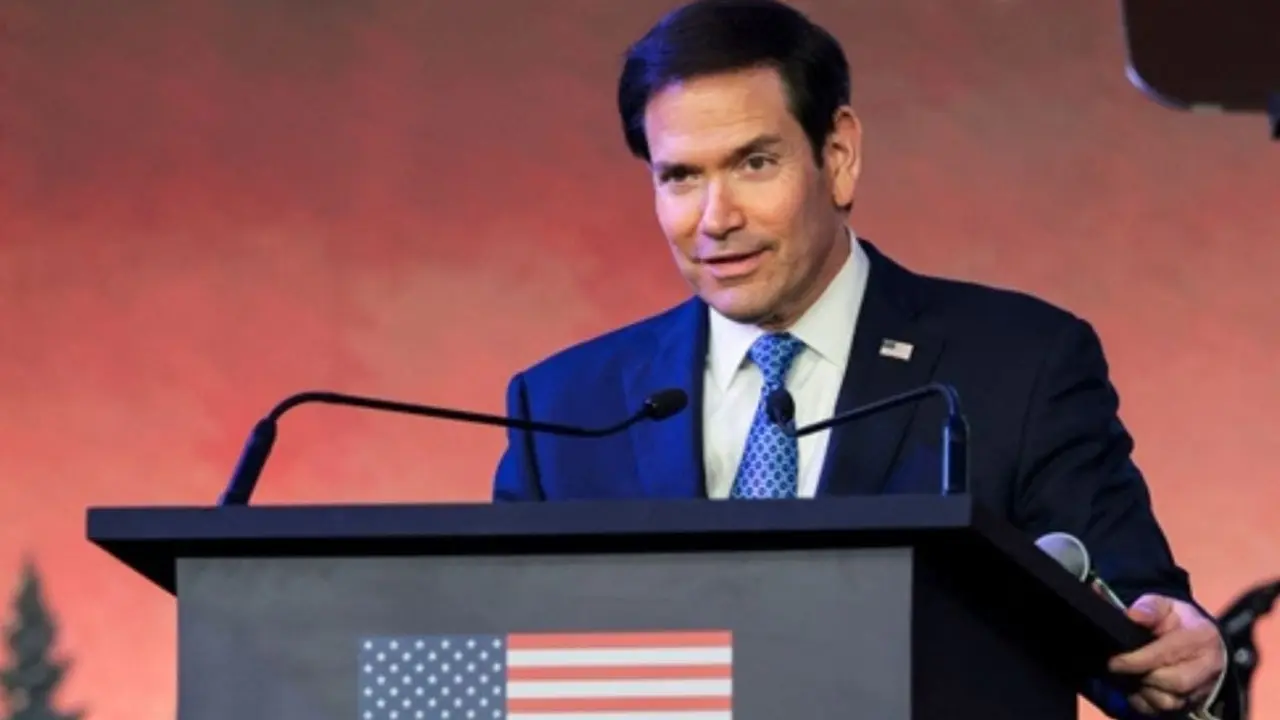
US Secretary of State Marco Rubio meets Adani, Tata chiefs before Jamnagar visit
US Secretary of State Marco Rubio met Adani Group chairman Gautam Adani and Tata Sons chief N Chandrasekaran in Mumbai before heading to Jamnagar. His itinerary includes Reliance's giant oil refinery, Vantara and clean energy giga factories, highlighting India-US cooperation in energy and manufacturing
Marco Rubio meets Adani, Tata chiefs before heading to Jamnagar for Reliance refinery visit
US Secretary of State Marco Rubio met Adani Group chairman Gautam Adani and Tata Sons chairman N Chandrasekaran in Mumbai before travelling to Jamnagar to visit Reliance Industries' oil refinery, Vantara and its planned clean-energy manufacturing complex. The visit comes as India and the US explore deeper cooperation in energy, manufacturing and technology.
Rubio meets Adani, Tata Sons chiefs ahead of Reliance Jamnagar visit
US Secretary of State Marco Rubio met Adani Group chairman Gautam Adani and Tata Sons chairman N Chandrasekaran in Mumbai on Wednesday morning before heading to Jamnagar in Gujarat to visit Reliance Industries' giant oil-refining complex, the world's largest single-site refinery, along with Vantara and giga factories being developed by the conglomerate. Rubio, who arrived in Mumbai on Tuesday afternoon, first met Adani, followed by a meeting with Chandrasekaran, sources said. Neither side released details of the meetings. Adani heads one of India's largest conglomerates, with interests spanning ports, airports, energy, logistics and infrastructure. The group has also been expanding its renewable-energy and manufacturing businesses, sectors that are central to India's ambitions to strengthen domestic supply chains and attract global investment. Chandrasekaran, who leads Tata Sons, the Tata Group's holding company, oversees a sprawling business empire with interests in automobiles, .
US State Secy Marco Rubio arrives in Jamnagar to visit Reliance refinery
US Secretary of State Marco Rubio arrived in Gujarat's Jamnagar city on Wednesday to visit the oil refinery complex owned by Mukesh Ambani-led Reliance Industries Ltd, a day after he described India as a crude oil refining superpower. Rubio is on a three-day visit to India to advance bilateral ties in energy, trade and investment, defence and critical technologies, besides exchanging views on the West Asia crisis. During his visit, Rubio is scheduled to tour the Jamnagar refinery complex, which assumes significance in the context of his remarks on India's oil refining capabilities and his call for processing more Venezuelan crude in the country. According to the RIL website, its Jamnagar refinery is the largest and most complex single-site refinery in the world with 1.4 million barrels per day (MMBPD) crude processing capacity and a complexity index of 21.1 - the highest in the world. It states that he refinery has processed over 216 different grades of crude oil produced in
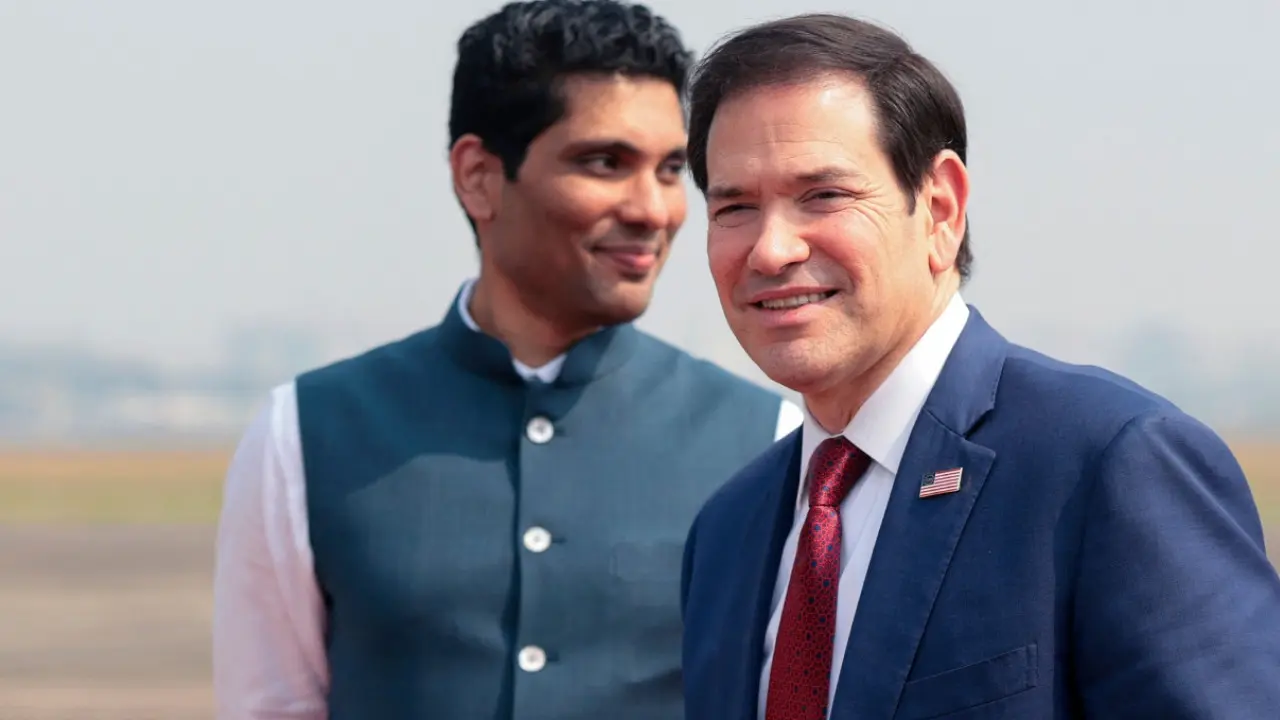
Video: Marco Rubio arrives in Jamnagar to visit Reliance refinery
Rubio's visit comes a day after he described India as a crude oil refining superpower and called for the country to process more Venezuelan crude oil

US Secretary of State Marco Rubio on Wednesday arrived in Jamnagar on the second leg of his India visit. Jamnagar is the home to one of the World's largest refineries, operated by Reliance. Marco Rubio visits...

US Secretary of State Marco Rubio landed in Jamnagar, Gujarat, on Wednesday to visit Reliance Industries' oil refinery, with discussions expected to focus on the company's capacity to process more Venezuelan crude and opportunities for wider energy cooperation between India and the United States. Speaking to reporters in Mumbai before departing for Gujarat, Rubio said Reliance's extensive refining capabilities, including its ability to process heavy crude oil from Venezuela, would be among the subjects discussed during his meeting with the company. He also indicated that the visit would explore opportunities for further cooperation and highlighted Reliance's existing investments in the United States. I think for us, it's more an opportunity to see their operations and have a broader discussion about their presence globally at a time in which energy is featuring prominently in many of the geopolitical decisions that are being made. This is a very large and prominent energy company. The...
Rubio to meet Ambani in Jamnagar: Venezuelan oil, energy on agenda
With the whole world watching, Marco Rubio will meet Mukesh Ambani today in Jamnagar, home to the world's largest oil-refining complex
US Secretary of State Marco Rubio left Mumbai on Wednesday for Jamnagar on the second leg of his India visit. Jamnagar is the home to one of the World's largest refineries, operated by Reliance. Rubio's Jamnagar visit will focus on talks that will include enhanced energy cooperation. Ahead of his visit the US State Department said, Marco Rubio
U.S. Secretary of State Marco Rubio is visiting Jamnagar, India, to discuss energy cooperation with Reliance Industries. His discussions will focus on processing Venezuelan oil amid ongoing international energy challenges. The Jamnagar refinery has significant capacity and could help stabilize global supply chains. Rubio's meeting with Mukesh Ambani highlights the strategic energy ties between the U.S. and India.
In talks with Reliance to refine more Venezuelan oil: Marco Rubio
US secretary of state Marco Rubio is visiting Jamnagar Wednesday to tour the Reliance refinery and, in a lastminute change of schedule, is likely to spend the night there. He was earlier scheduled to leave around 9pm and return to Mumbai. In Jamnagar, he will have dinner with Mukesh Ambani at the Vantara centre. Rubios visit to Jamnagar comes within weeks of a vicious attack on Ambani by Elon Musk.
From Venezuela to Texas to Jamnagar: Marco Rubios dash for energy
US Secretary of State Marco Rubio is encouraging Reliance Industries to process more Venezuelan crude. His visit includes discussions with External Affairs Minister S. Jaishankar and plans for a refinery in Texas. The focus on Venezuelan oil aims at expanding reliance on alternative sources amidst geopolitical tensions. Washington is keen on tapping into Indian refining capacities for its energy strategies.
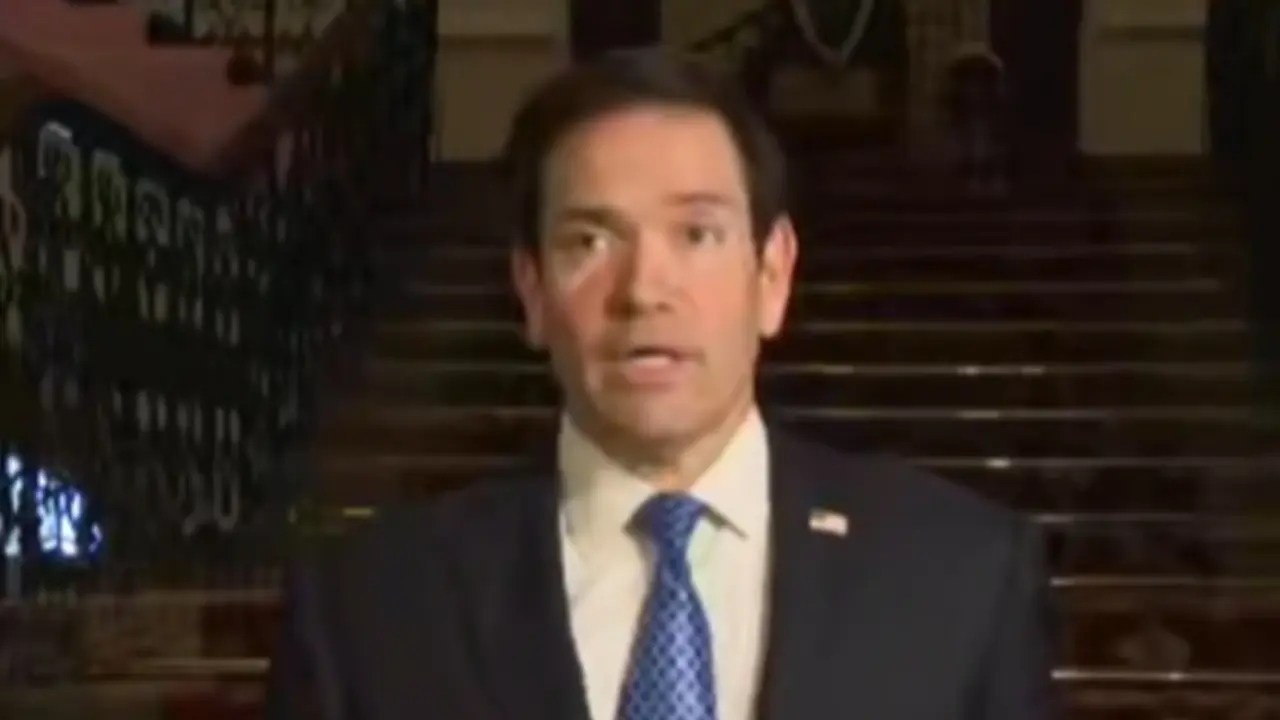
Marco Rubio to discuss Venezuelan oil opportunities with Reliance Industries
Speaking to reporters after arriving in Mumbai, Rubio said the US had previously held discussions with Reliance about opportunities in Venezuela. He further stated that he would examine the hurdles to expanding cooperation during his upcoming visit to the company's Jamnagar refinery in Gujarat
In second visit within months, Rubio calls on India to scale up US energy and defence buys
India and the US are actively working to expand energy and defence cooperation amidst existing tensions. US Secretary of State Marco Rubio emphasized India's potential as a crude oil refining superpower. Discussions included increasing energy trade and promoting the purchase of American technologies for mutual benefit. Rubio also plans to visit Reliance Industries Ltd's Jamnagar Refinery to discuss energy security.
'Makes all the sense in the world to talk to them': Rubio on visit to Reliance's Jamnagar refinery
US Secretary of State Marco Rubio is visiting India from October 20 to 22 to discuss energy cooperation. He will visit Reliance Industries' Jamnagar refinery in Gujarat, highlighting its refining capabilities. Rubio stated that energy is directly linked to national security during a media interaction in Mumbai. He expressed concerns about energy disruptions affecting global supply and economic stability.
Rubio, Jaishankar discuss energy security, defence ties amid continuing friction in India-US ties
Mumbai/New Delhi, Oct 20: US Secretary of State Marco Rubio and External Affairs Minister S Jaishankar on Tuesday held wide-ranging talks largely focusing on cooperation in the energy and defence sectors against the backdrop of continuing friction in bilateral ties. The Jaishankar-Rubio meeting took place shortly after the top US diplomat landed in Mumbai on a three-day India visit that came nearly five months after his first trip to the country as the Secretary of State. Before his talks with Jaishankar, Rubio visited the Taj memorial and laid a wreath in honour of the victims of the horrific 26/11 Mumbai terror attacks that included six American citizens. In Mumbai, Indian External Affairs Minister @DrSJaishankar and I discussed energy security and defense cooperation while reaffirming the importance of advancing the U.S.-India strategic partnership, the US Secretary of State said on social media. The top diplomat also answered questions from the media on the India-US energy ties as well as his trip to Reliance Industries Ltd's refinery in Jamnagar on Wednesday. In order for energy to become usable, you have to refine it. You have a company with a massive amount of refining capability. I think I should go talk to them, especially when it involves nation-states, he said. We're going to go see a company that has a tremendous amount of refining capability. It makes all the sense in the world to talk to them about it. It's very difficult to understand something or see what the possibilities are if you're not going to speak to them, he noted. The US Secretary of State also responded to a query on India's procurement of Russian crude oil. India has expressed repeatedly its desire to diversify its energy portfolio, which is a smart thing to do. It's not easy to do that from one day to the next, he said. I think they've made some substantial progress in that regard, and we're happy to see that. But in the end, it's not just about Russian oil; it's about India's desire to diversify, and we think we can be a source of some of its energy inputs. We have discussed Venezuela and other countries, and I think it's in our interest to have strong allies with diverse energy portfolios, he noted. It is not immediately known whether the proposed trade deal between India and the US figured in the Rubio-Jaishankar talks. Ahead of his visit, Rubio said in Uzbekistan that the US is very close to finalising the trade deal with India. He also suggested that the US waiver on tariffs for buying Russian oil was linked to the decision. Last week, US President Donald Trump suspended certain sanctions against Russia and five of the biggest buyers of Russian oil including India. We're trying to finalise the trade deal with India right now. We're very close to doing that. So that's one of the things we take into consideration when the President makes a decision about national security waivers and things of that nature, Rubio said on Monday. India and the US have been engaged in talks since early 2025 on the proposed trade pact to address tariff friction, eliminate non-tariff barriers and boost bilateral market access. India is seeking better tariffs than its competitors for its goods in the US market. External Affairs Minister Jaishankar said a few days back that the trade talks between the two sides are nearing a landing point. The India-US relations witnessed a major downturn after Washington imposed punitive tariffs on India last year and President Trump made assertions regarding his role in de-escalating the India-Pakistan military clashes of May 2025 that drew sharp reaction from Indian officials. Washington's new immigration policy and its decision to increase H1B visa fees also contributed to the slide in India-US ties. The ties came under fresh strain after the US decided to restrict a key green-card processing programme for major global and Indian IT firms, including Tata Consultancy Services and Wipro.
US Secretary of State Rubio lands in Mumbai for 3-day visit; trade deal, energy in focus
Mumbai/New Delhi, Oct 20: US Secretary of State Marco Rubio kick-started a three-day visit to India on Tuesday to advance bilateral ties in energy, trade and investment, defence and critical technologies, and exchange views on the West Asia crisis. Rubio's second India visit this year comes amid persistent friction in bilateral ties. During his earlier trip in May, he held talks with Prime Minister Narendra Modi and External Affairs Minister S Jaishankar, besides attending a Quad foreign ministers' meeting. The visit of the US Secretary of State, who is accompanied by a large business delegation, is likely to focus largely on boosting India-US economic engagement. In their meeting in Mumbai on Tuesday afternoon, Jaishankar and Rubio are expected to deliberate on ways to further strengthen the India-US Comprehensive Global Strategic Partnership. Welcome to Mumbai, US Secretary of State, on your second visit to India! Ministry of External Affairs (MEA) spokesperson Randhir Jaiswal posted on social media shortly after the top American diplomat landed at the Chhatrapati Shivaji Maharaj International Airport in India's financial capital. Rubio was received by Ashish Shelar, Maharashtra's Minister of Culture, Electronics, IT and AI, at the airport. The visit provides an opportunity to further advance cooperation across the various pillars of the India-US Comprehensive Global Strategic Partnership, Jaiswal said. In addition to his meeting with Jaishankar, Rubio's engagements in Mumbai included laying a wreath at the Taj memorial to honour the victims of the 26/11 terror attack, which claimed the lives of over 160 people, including six US nationals. The top American diplomat will also attend a reception to mark the 250th anniversary of the US' independence. Discussions are expected to cover key areas of bilateral cooperation, including energy, trade and investment, defence, critical and emerging technologies, and other areas of mutual interest, Jaiswal said last week. The two sides are also likely to delve into the proposed bilateral trade deal as well as the situation in West Asia. The visit will provide an opportunity to sustain the high-level engagement between the two countries and advance our shared priorities, Jaiswal had said. Rubio will travel to Jamnagar in Gujarat on Wednesday. Ahead of his visit, Rubio said in Uzbekistan that the US is very close to finalising the trade deal with India. He also suggested that the US waiver on tariffs for buying Russian oil was linked to the decision. Last week, US President Donald Trump suspended certain sanctions against Russia and five of the biggest buyers of Russian oil, including India. We're trying to finalise the trade deal with India right now. We're very close to doing that. So that's one of the things we take into consideration when the President makes a decision about national security waivers and things of that nature, Rubio said. India and the US have been engaged in talks since early 2025 on the proposed trade pact to address tariff friction, eliminate non-tariff barriers, and boost bilateral market access. India is seeking better tariffs than its competitors for its goods in the US market. External Affairs Minister Jaishankar said a few days back that the trade talks between the two sides are nearing a landing point. The India-US relations witnessed a major downturn after Washington imposed punitive tariffs on India last year and President Trump made assertions regarding his role in de-escalating the India-Pakistan military clashes of May 2025 that drew sharp reaction from Indian officials. Washington's new immigration policy and its decision to increase the H1B visa fee also contributed to the slide in India-US ties. The ties came under fresh strain after the US decided to restrict a key green-card processing programme for major global and Indian IT firms, including Tata Consultancy Services and Wipro.
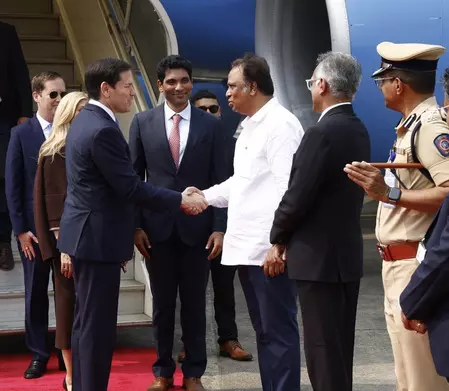
Marco Rubio's visit provides opportunity to further advance India-US cooperation: MEA
Digital Desk | Mumbai, Oct 20 (IANS) The Ministry of External Affairs (MEA) on Tuesday extended a warm welcome to US Secretary of State Marco Rubio as he arrived in Mumbai for his second visit to India, noting that his coming provides an opportunity to further advance cooperation across various pillars of the India-US Comprehensive Global Strategic Partnership. For his visit to Mumbai, Rubio is accompanied by his wife, Jeanette Rubio and US Ambassador to India Sergio Gor. In a post on X, MEA spokesperson Randhir Jaiswal stated, Welcome to Mumbai, US Secretary of State Marco Rubio, on your second visit to India! He was received by Shri Ashish Shelar, Minister of Culture, Electronics, IT and AI, Government of Maharashtra at the airport. The visit provides an opportunity to further advance cooperation across the various pillars of the India-US Comprehensive Global Strategic Partnership. Gor stated that he looked forward to a productive visit and advancing India-US ties. Great to be back in Mumbai, this time with my friend US Secretary of State Marco Rubio. Looking forward to a productive visit and to advancing U.S.-India ties, Gor posted on X. Later in the day, Rubio will hold talks with External Affairs Minister (EAM) S. Jaishankar, with discussions expected to cover key areas of bilateral cooperation, including energy, trade, investment, defence, critical emerging technologies, and other areas of mutual interest. Addressing a bi-weekly media briefing in New Delhi last week, the MEA spokesperson said that Rubio and EAM Jaishankar will also discuss regional and global developments. In so far as the visit of the Secretary of State is concerned, this forthcoming visit will provide an opportunity for both sides to review India-US relations and discuss ways to further strengthen the Comprehensive Global Strategic Partnership that we have with the United States. Discussions are expected to cover key areas of our bilateral cooperation, including energy, trade, investment, defence, critical emerging technologies, and other areas of mutual interest. The two sides will also exchange views on regional and global developments. The visit will provide an opportunity to sustain the high-level engagement between the two countries and advance our shared priorities, Jaiswal said. After concluding his engagements in Mumbai, Rubio will travel to Gujarat's Jamnagar for talks that will include enhanced energy cooperation, the US State Department said.
Rubio To Land in India Today, Skip Delhi, To Visit Mumbai, Jamnagar
During the two-day visit to Mumbai and Jamnagar, Rubio is slated to meet Foreign Minister S. Jaishankar and Reliance Industries chairman Mukesh Ambani
Rubio India visit: Bilateral with Jaishankar, Jamnagar refinery tour & trade deal - whats on agenda
Marco Rubio's visit to Mumbai includes discussions on the pending US-India trade deal and bilateral relations. He will meet External Affairs Minister S Jaishankar to address economic cooperation and regional stability. After paying tribute to terror victims, he will attend the Freedom 250 Reception celebrating diplomatic ties between the nations. Following Mumbai, Rubio will travel to Jamnagar to engage further in energy discussions.
Marco Rubio's India Mission: Trade Deal, Energy Talks And Jamnagar Stop
US Secretary of State Marco Rubio will land in Mumbai on October 20 for a high-profile India visit focused on trade, energy and strategic cooperation. With Rubio saying a long-awaited India-U.S. trade deal is very close, his meetings with External Affairs Minister S. Jaishankar and his visit to Reliance's Jamnagar refinery are expected to spotlight energy ties, defence cooperation and the next phase of the India-U.S. partnership.


Indian refiners fuel exports to West surge 43% amid Russian crude imports
Reliance Industries Ltd.'s Jamnagar refinery in Gujarat supplied six of the seven cargoes unloaded at EU ports that month, despite the bloc's ban on fuel made from Russian crude
Refined in India, bound for West: Russian-crude fuel exports to Europe rise 43%
Indian refineries exported Russian crude oil products to Western markets, generating significant revenue in September. The European Union, Australia, the US, and New Zealand imported these refined products, despite existing sanctions. Reliance Industries' Jamnagar refinery was particularly active in these exports, sending significant cargoes to the EU and the US. However, India's own imports of Russian crude oil decreased by 13% during the same period.
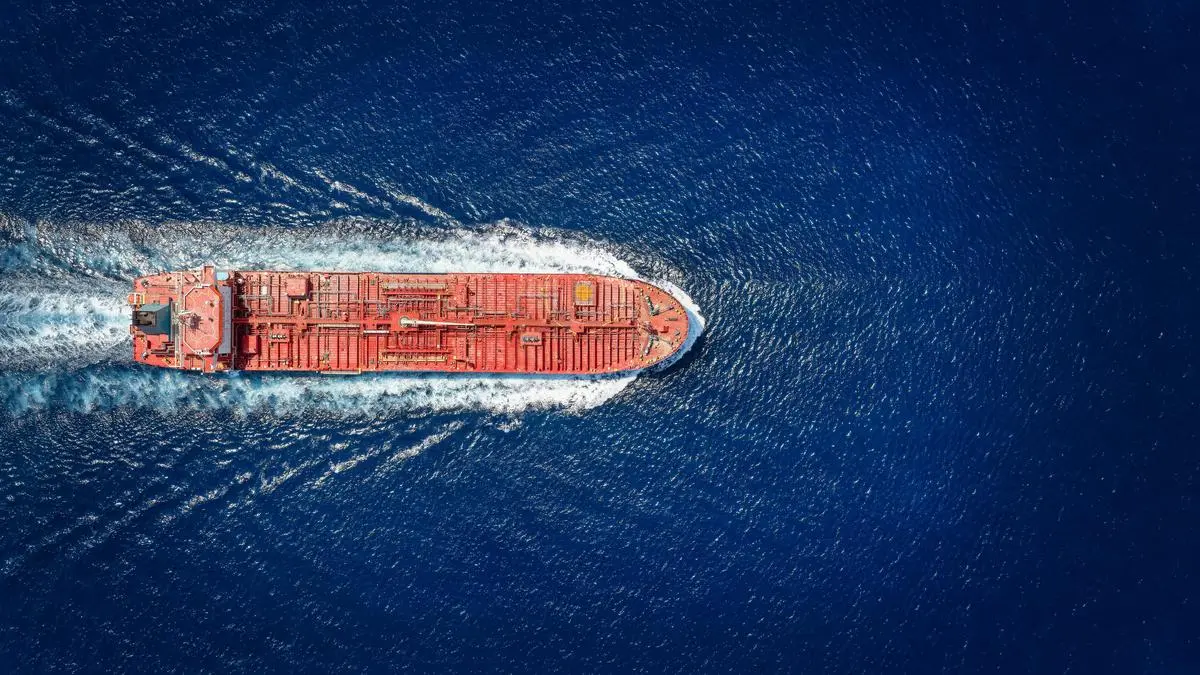
Indian refiners' fuel exports to the West jump 43% as they keep processing Russian crude
Reliance Industries Ltd's Jamnagar refinery in Gujarat supplied six of the seven cargoes unloaded at EU ports that month, despite the bloc's ban on fuel made from Russian crude
Indian refiners' fuel exports to West rise 43% amid Russian crude use
Refineries in India and two other countries that run on Russian crude shipped 1 billion euros (USD 1.2 billion) of oil products to sanctioning countries in September, up 43 per cent from August, according to the Centre for Research on Energy and Clean Air (CREA). Reliance Industries Ltd's Jamnagar refinery in Gujarat supplied six of the seven cargoes unloaded at EU ports that month, despite the bloc's ban on fuel made from Russian crude. The CREA report covers refineries in India, Turkiye and Brunei. The EU took 667 million euros' worth of their products, Australia 168 million euros, the US 154 million euros and New Zealand 19 million euros. CREA estimated 295 million euros' worth was refined from Russian crude. Jamnagar also supplied the group's largest US-bound exports, worth 122 million euros, and Russian crude made up 32 per cent of its imports from July to September. Italy received three of the seven EU-bound shipments, Romania two, and Spain and Cyprus one each. Exports repor
What is holding up the US-India trade deal?
US Secretary of State Marco Rubio will visit India next week to strengthen bilateral relations and discuss trade issues. His meetings will take place in Mumbai and Jamnagar, focusing on investment and energy. The two countries have faced considerable delays in finalizing a trade agreement due to several ongoing challenges.
'Important ally and partner': Rubio leaves for India amid Trumps Russian oil tariff threat
Marco Rubio's visit to India aims to bolster energy collaboration and strategic partnerships. Following a halt on tariffs pertaining to Russian oil imports, he seeks to engage with External Affairs Minister S. Jaishankar in Mumbai to explore investment prospects. Notably, he will also tour Reliance Industries in Jamnagar and take part in a ministerial meeting in Uzbekistan centered around strategic alliances.
Jamnagar on Rubio's two-day itinerary: Musk mellows on Reliance, appreciates post
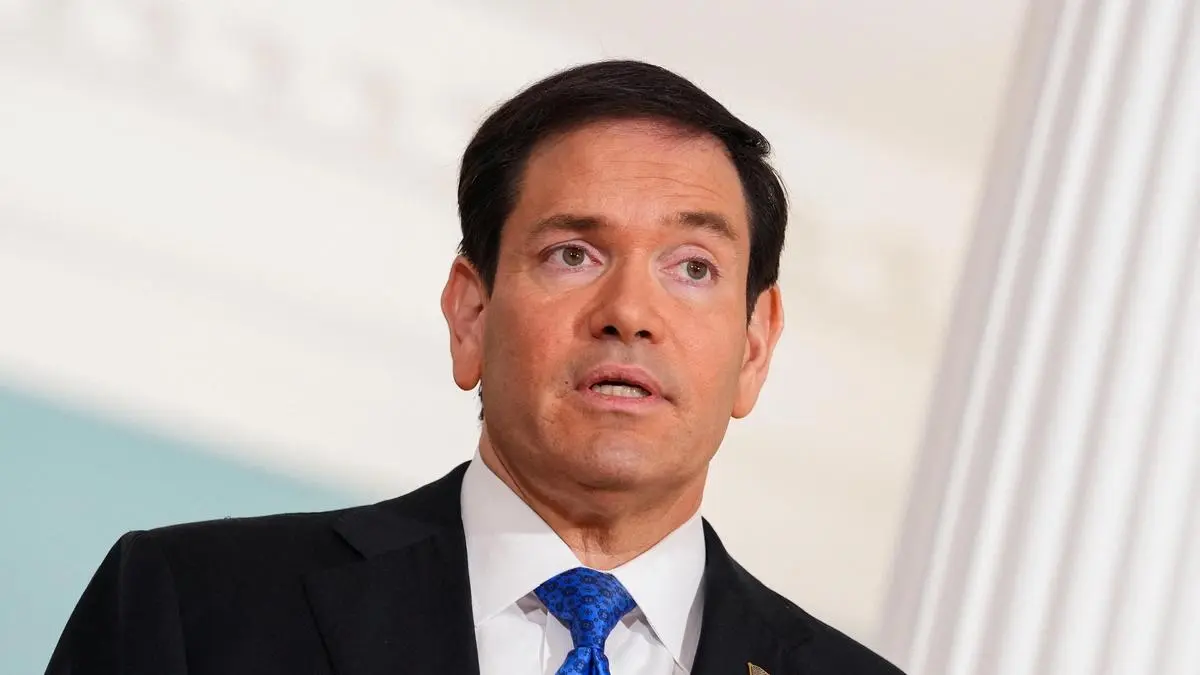
Foreign affairs expert Robinder Sachdev sees a possible commercial and political dimension to the visit, alongside discussions on bilateral and regional issues.
MS Dhoni And Atlee Arrive In Jamnagar For Garba Festivities
Former India cricket captain MS Dhoni and filmmaker Atlee arrived in Jamnagar, Gujarat, to attend the Garba festivities. Their arrival sparked excitement among fans ahead of the celebrations.

The Elephant Ownership Exception: A History of Protection and Possession
In 1963, private forest owners in Malabar challenged provisions of the Kerala Forest Act, 1961 (Act IV of 1962). The question before the Court was whether the State could deprive forest owners of their existing right to capture and own elephants found on their land. In Kuppathode Madhavan Nair v State of Kerala (1963), the Kerala High Court sided with the owners. Applying common-law principles inherited from the colonial period, it held that ownership of land conferred a qualified right over wild animals found there ( ratione soli ), including the right to capture them and claim them as private property. Within a decade, the Indian Parliament would enact a national conservation law and the Constitution would soon expressly recognise duties towards forests, wildlife ( Article 48A ) and living creatures ( Article 51A(g) ). Even though the elephants legal status would change profoundly as both a Schedule I animal in law and a National Heritage Animal, a symbol of the country itself, the owners place in her life would prove much harder to dislodge. Elephants, forests and capture The Malabar litigation belonged to a much longer history in which protecting elephants and putting them to work were closely connected. In Elephants and Kings: An Environmental History (2015), Thomas R. Trautmann, a historian and anthropologist, explains how the military value of elephants gave Indian rulers an interest in preserving wild populations and the forests that sustained them, even as they continued to capture individual animals. Academic Natasha Nongbris 2003 study of nineteenth-century Northeast India shows how colonial authorities regulated capture of elephants through licences, leased grounds and royalties. The forest was not simply a place where elephants lived. It was also the source of successive generations taken into captivity. Preserving wild elephant populations and capturing individual animals became part of the same policy which gave birth to the Elephant Preservation Act, 1879, a national law modelled on the regional Madras Wild Elephant Preservation Act, 1873. It was arguably the first national law on Elephants in British India enacted with the ostensive realisation that a live elephant was more valuable than dead. The policy as preservation, not conservation, was instrumentalised to preserve the source the elephant in the forest, to allow for its simultaneous extraction from it to feed the rising demand for captive elephants. Among the important establishments in this system were Dacca, now Dhaka, and Mysore , both associated with khedda operations in which wild elephants were driven into stockades and subdued with the help of trained elephants. The Dacca establishment drew upon the Garo Hills and other northeastern forests, while the Mysore operations captured elephants from the forests of southern India. These regional systems of capture existed alongside wider networks of trade. The Sonpur fair in Bihar , already an important elephant market in the nineteenth century, connected elephants captured in the Northeast with buyers from elsewhere in India. Against this background of an extensive elephant trade, the forest-owning timber merchants in Kuppathode Madhavan Nair asserted their right to capture elephants and put them to work within a legal order that still accepted their removal into human service. The shift in constitutional law The Wild Life (Protection) Act, 1972 introduced a national framework for conservation, prohibiting the hunting of the most protected species. Yet the elephants initial classification revealed how much of the older world remained. She appeared in Schedule II, Part I as special game, whose hunting which included capture could be licensed, while Section 2(6) included domestic elephants, curiously for a wildlife law, in its definition of cattle. The changes of the next five years gave the law a different direction. The Constitution (Forty-second Amendment) Act, 1976 , passed during the Emergency, is remembered for weakening fundamental rights and curbing the powers of the courts. Yet it left a curious and enduring legacy in the protection of the environment and animals. Even during the darkest period of Indira Gandhis leadership, her concern for the natural world found expression in the Constitution. The amendment inserted Article 48A, directing the State to protect the environment and safeguard forests and wildlife, and Article 51A(g), making it the duty of every citizen to protect the natural environment and to have compassion for living creatures. These duties gave constitutional weight to the responsibilities we owe to the non-human world. In October 1977, months after these provisions took effect, the elephant was elevated to Schedule I , bringing her capture within the highest level of statutory protection. In 1986, amid growing concern over the killing of elephants for their tusks, Parliament prohibited domestic trade in Indian elephant ivory. In 1991, following stronger international restrictions under the Convention on International Trade in Endangered Species of Wild Fauna, it extended the prohibition to imported ivory, which traders had been using as a cover for selling ivory from poached Indian elephants . That year, Parliament also removed the Acts definition of cattle, which had included domestic elephants. It introduced livestock in its place, expressly excluding protected wild animals. Yet these changes did not bring private ownership of elephants to an end. Under Sections 4042, people in lawful possession of elephants could declare them to the authorities and obtain certificates recognising their ownership after an inquiry. Even as the law strengthened protection for elephants and restricted the trade in their ivory, it continued to recognise that a living elephant could remain someones property. The 2002 amendment: live elephant ownership exception and the prohibition on sale A 2002 amendment to the Act (which became effective from 2003) tightened restrictions on private ownership of protected captive animals. However, it expressly exempted live elephants. Although the newly introduced Section 43 prohibited transfers for any commercial consideration, a person could still acquire an elephant and pass her to another owner with the necessary permissions. This left an opening for sales disguised as gifts. In the years that followed, animal protection organisations documented how this distinction enabled trade to continue. At the Sonpur Mela in Bihar, where elephants had long been bought and sold, transactions were now presented as gifts. Researchers even recorded owners carrying blank gift deeds to transfer possession. These practices formed part of the challenge brought to the Supreme Court in 2014 by the Wildlife Rescue and Rehabilitation Centre (WRRC) and others in W.P.(C) No. 743 of 2014. Still pending twelve years later, the WRRC case has become a central proceeding through which the Court supervises the treatment and regulation of captive elephants. Although the Court imposed no blanket prohibition, the continuing proceedings, notices to forest departments in every State with captive elephants, and numerous interim orders largely halted the trade. These included a nationwide census and checks on ownership certificates , welfare inspections at tourist resorts in Goa , and an order blocking Keralas attempt to regularise 289 elephants held without ownership certificates and restraining their transfer. The Courts scrutiny of ownership papers and transfers had made the trade harder to carry on. A 2021 case in Guwahati High Court confirmed the concerns raised by WRRC before the Supreme Court in 2014. In April 2021, forest officials at Doomdooma in Assams Tinsukia district intercepted two elephants travelling from Arunachal Pradesh to Odisha, ostensibly for religious purposes. Their investigation went beyond the ownership certificates and transport permissions. In a recorded statement, the claimed owner described bank payments of 9 lakh and 17 lakh from an intermediary who had also arranged the documents. He could not identify the receiving religious institution. In State of Assam v. Sri Chow Sonjit Pomong (2021), the Gauhati High Court found prima facie evidence of a commercial sale and set aside the order releasing the elephants to the claimed owner while the investigation continued. The elephants were reported to be in the Forest Departments custody at Kaziranga National Park. The 2022 amendment: religious and other purposes In December 2021, the Central Government introduced the Wild Life (Protection) Amendment Bill, 2021 , which went considerably further than the amendment eventually enacted. It proposed exempting transfers of live elephants by ownership certificate holders from Section 43 altogether, subject to government permission and prescribed conditions. This would have removed the prohibition on commercial transfers for those elephants, allowing them to be openly bought and sold again. The pressure for change came particularly from Kerala, where temple authorities and private elephant owners associations were seeking easier acquisition and interstate transfer of elephants. In my view, the elephant provision in the 2022 amendment must be understood as an attempt to loosen the practical restraints that the Supreme Courts scrutiny in the WRRC case had helped impose. Following objections from conservation and animal protection organisations, the Parliamentary Standing Committee chaired by Jairam Ramesh recommended deleting this proposal. In April 2022, it suggested a narrower provision allowing transfers of existing captive elephants for religious institutions, with additional safeguards. The version Parliament ultimately enacted extended this to transfers for a religious or any other purpose , subject to conditions prescribed by the Central Government. The prohibition on commercial consideration remained. Non-commercial transfers were already possible under the elephant exception introduced in 2002. An amendment was therefore unnecessary merely to allow an elephant to pass from one private owner to another as a gift. In this respect, the new provision largely reaffirmed the existing position, while creating a specific framework for central rules governing transfers . Its practical significance lay in giving renewed statutory backing to transfers at a time when litigation and enforcement had made them increasingly difficult. The words any other purpose were particularly troubling because they offered no meaningful limit of their own. For those of us who had worked to curb the use of elephants for begging, entertainment, circuses and timber logging, the concern was that this broad wording could encourage attempts to revive practices we had spent years challenging. The safeguards governing these transfers consequently became crucial. On March 14, 2024, fifteen months after the amendment, the government notified the Captive Elephant (Transfer or Transport) Rules (2024 Rules). These attempted to place meaningful safeguards around a difficult accommodation. By limiting transfers to elephants whose ownership certificates predated the Rules and to their offspring, and by requiring registration of genetic profiles, they offered a means of confining transfers to an identifiable population already lawfully in captivity. Read together, these provisions seek to break the logic of the khedda , in which the forest continually supplied elephants for human use. Putting this into practice is a demanding exercise. The State must build a reliable genetic record of the captive population, then verify each claimed captive birth through a DNA match with the mother and records establishing that she was lawfully held. Each new addition must be traceable to this legally recognised population, closing off the forest as a continuing source of captive elephants. Yet the government was still struggling to identify the population it sought to regulate. In August 2026, the Ministry of Environment, Forests and Climate Change placed the proceedings of the Captive Elephant Healthcare and Welfare Committee (formed under Project Elephant) for the month of February before the Supreme Court in the WRRC case . These recorded that the profiling exercise remained incomplete and that, among 2,075 samples analysed, 40.5 per cent of elephants had unknown origins and 25.4 per cent were documented as wild-caught. Nearly two-thirds therefore fell into these two categories. The continuing exception These concerns have become urgent with the September 2026 movement of five young elephants from Assam to Tamil Nadu temples: Durga, Rupsing, Shiva, Hiralal and Bijuli. More than fifty organisations have sought an independent investigation into their origins, ownership documents and the possibility of sales disguised as gifts. The pace of the transfers shows how readily decisions that will shape decades of an elephants life can be made while fundamental questions remain publicly unanswered. In my account of Durgas transfer , the sequence from the request for a health certificate to her departure from Manas took three days. Her ownership certificate was issued in October 2025, after the 2024 Rules came into effect, so her transfer depended on a claimed captive birth to a mother covered by them, yet her mothers identity and lawful captive status remained publicly unverified. A five-year-old elephant is not a remnant of pre-conservation law; she is another generation entering a system that can determine almost her entire future. These journeys follow years of large transfers from the Northeast to Vantara in Jamnagar, where reporting in 2024 documented convoys coming in from Arunachal Pradesh and the private wildlife facility hosting more than 200 elephants. Vantara describes its work as rescue and rehabilitation, and in September 2025 the Supreme Court accepted an investigation reporting no legal violations. Its transfers and those to temples have different stated purposes, but their scale raises a very important question: how should a constitutional commitment to wildlife, and to compassion for living creatures, govern the continuing movement and concentration of elephants in human institutions? Elephants leaving the Northeast in convoys is not very dissimilar from the old geography of the khedda , when the forests of the Garo Hills supplied elephants to distant establishments and markets. Trautmann and Nongbri show that the forest sustained a system in which wild populations were protected in part because they supplied animals for capture. The question is whether the modern ownership regime has truly broken that relationship. In his Study on Illegal Sale and Transfer of Live Elephants from Assam , Chaturbhuja Behera, then a regional official of the Wildlife Crime Control Bureau, described illegal sales and transfers, accounts of wild calves being captured, and weaknesses in records used to establish captive birth. Findings such as this make it difficult to treat an ownership certificate, by itself, as an answer to where a young elephant came from. The 2024 Rules thus return us to the contradiction the law has carried since 1972. Once again, the government is trying to make its core commitment to protection coexist with private ownership, a relationship that subordinates an elephants life to the purposes of her owner. The safeguards are necessary, but they cannot resolve that contradiction while the exception is effectively allowing institutions to replenish their captive populations for generations to come. The demand for young elephants must be supplied from somewhere. The historical answer is in front of us: it is the forest. The forest is the breeding ground from which elephants have long been taken to replenish captivity. The exception leaves open the route by which demand for elephants in captivity can be met through illegal capture in the wild, disguised as captive-born. More than sixty years after the Malabar owners defended their right to capture elephants for timber in Kerala High Court, the law is yet to confront the continuity between that older system and the present one.

Simi Garewal Reflects on First Love with Jamnagars Maharaja
Simi Garewal shares memories of her first love with Jamnagars Maharaja, recalling a passionate yet complicated relationship. Simi Garewal Reflects on First Love with Jamnagars Maharaja

Is India-US Trade Deal Near Finish Line?
Marco Rubio will visit Mumbai and Jamnagar to discuss energy cooperation as S Jaishankar says India-US trade talks are nearing a landing point, with a few issues unresolved.
Marco Rubio to meet Mukesh Ambani in Jamnagar, says US envoy Sergio Gor
The visit is Rubio's second to India this year after a trip to New Delhi in May

Rubio Heads to Mumbai and Jamnagar to Push Energy Deals, Business Investment and Strategic Ties
US Secretary of State Marco Rubio will travel to India next week with energy cooperation, commercial investment and the strategic partnership on his agenda. The stops are Mumbai and Jamnagar, the Gujarat home of Reliance Industries. Rubio will visit Mumbai and Jamnagar from October 17 to 22, the US Department of State said on Tuesday. [] The post Rubio Heads to Mumbai and Jamnagar to Push Energy Deals, Business Investment and Strategic Ties appeared first on Tfipost.com .
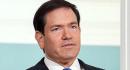
Marco Rubio to visit Reliances Jamnagar refinery during India trip, says US envoy
The US secretary of state is expected to meet Indian officials and Reliance representatives as Washington seeks to deepen bilateral energy cooperation.
Rubios India visit to focus on business, include Reliance meeting in Jamnagar: US envoy Sergio Gor
US Secretary of State Marco Rubio is set to visit India from October 17 to 22. He will engage with Indian government officials in Mumbai and meet representatives from Reliance Industries in Jamnagar. This visit aims to enhance energy cooperation between the US and India, reflecting the increasing bilateral trade. Rubio's trip follows his previous visit in May for the Quad Foreign Ministers' meeting.
18 new machines to upgrade cataract surgery facilities at Gujarat hospitals
Digital Desk | Gandhinagar, Oct 15 (IANS) Government hospitals and medical colleges across Gujarat will receive 18 advanced phacoemulsification machines for cataract surgeries at an estimated cost of more than Rs 8.85 crore, following approval by state Health Minister Praful Pansheriya, on Thursday. The machines will be distributed among government healthcare institutions in Ahmedabad, Surat, Bhavnagar, Vadodara, Jamnagar, Morbi, Gandhinagar, Vadnagar and Himmatnagar. The state government said the equipment would help patients to access modern eye treatment free of cost. The M and J Institute of Ophthalmology in Ahmedabad will receive seven machines, while Government Medical College in Bhavnagar, and GMERS Hospital in Morbi, will receive two each. One machine each has been allocated to New Civil Hospital and Old Civil Hospital in Surat, GG General Hospital in Jamnagar, ESIC General Hospital in Vadodara, and GMERS institutions in Gandhinagar, Vadnagar and Himmatnagar. The machines are designed to improve precision during cataract surgery by allowing surgeons to control ultrasound energy, vacuum and fluid flow. Their technology helps break down and remove cataract fragments, with the aim of providing greater control during procedures and supporting faster recovery. The equipment features an elliptical movement technology in its handpiece and a peristaltic pump system to regulate fluid flow and vacuum, enabling cataract particles to be removed through a suction tip. A foot-pedal control system allows surgeons to adjust ultrasound energy, vacuum and fluid flow according to the requirements of each operation. The machines also incorporate CASE (Chamber Stabilisation Environment) technology, which regulates changes in vacuum and fluid flow to help maintain stable pressure inside the eye during surgery and reduce the risk of a sudden pressure drop, known as a post-occlusion surge. The handpiece is designed to reduce excessive heat generation near the small incision made during surgery. This can help minimise corneal oedema, or swelling of the cornea, and other post-operative complications, supporting quicker recovery. The approval was given at a meeting chaired by Pansheriya as part of the state government's efforts to strengthen eye-care facilities at government medical colleges and hospitals.
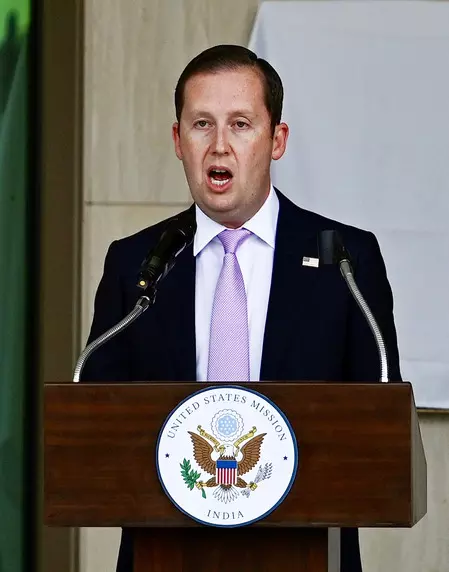
India-US trade pact very close to finalisation ahead of Rubio visit: Sergio Gor
Digital Desk | New Delhi, Oct 15 (IANS) India and the United States are nearing the conclusion of a bilateral trade agreement with most major issues already resolved and only limited negotiations on remaining details continuing, US Ambassador to India Sergio Gor said on Thursday. Speaking at the Bloomberg New Economy Forum here, Gor said the broad framework of the proposed agreement had been finalised and expressed confidence that both sides would soon reach a conclusion. The big picture, the big framework, the big items are done, he said. Meanwhile, he described the negotiations as one of the fastest-moving trade discussions involving two large economies. Gor said talks had progressed to product-specific and tariff-level discussions involving senior officials, including US Trade Representative Jamieson Greer and Commerce Minister Piyush Goyal. While acknowledging the complexity of negotiations between two large economies, he said both countries were very close to finalising the pact. Highlighting the strength of broader bilateral ties, the ambassador described India as a trusted strategic partner of the United States. He credited Prime Minister Narendra Modi's government for advancing emerging technology initiatives and noted India's inclusion among the first countries invited to key international technology partnerships. The envoy said expanding cooperation in artificial intelligence, technology development, clean energy and civil nuclear power would create new opportunities for both countries. Moreover, he pointed to growing investments by major US technology firms, including Google, Microsoft, Adobe and Micron, in India, describing the partnership as a win-win that supports job creation in both nations. On defence ties, he said India conducts more military exercises with the United States than any other country, citing recent joint drills and the participation of F-35 fighter aircraft in exercises in India as evidence of deepening strategic trust. Gor also announced that US Secretary of State Marco Rubio will soon visit India with engagements planned in Mumbai and Jamnagar. The visit is expected to focus heavily on trade, investment and commercial partnerships amid rapidly expanding bilateral economic relations. Addressing concerns over proposed US sanctions linked to Russia, Gor said the measures are aimed at ending the conflict and are not targeted at any specific country. He added that discussions on the issue remain ongoing and any decisions would be taken by the US administration in the coming days.

Jamnagars Traditional Garba Celebrates 37 Years of Charan Culture During Navratri
Jamnagars unique Garba tradition, celebrating 37 years, showcases the Charan communitys rich cultural heritage during Navratri. Jamnagars Traditional Garba Celebrates 37 Years of Charan Culture During Navratri
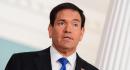
Marco Rubio to skip Delhi, visit Mumbai and Jamnagar next week
His Jamnagar Reliance refinery visit will come a day after U.S. President is expected to take a decision on sanctions on Russian oil imports
US Secretary of State Marco Rubio is scheduled to visit Mumbai and Jamnagar from October 17 to 22. He will engage with Indian officials on energy cooperation and investment opportunities. The visit follows a significant phone call between President Donald Trump and Prime Minister Narendra Modi regarding sanctions waivers for importing Russian oil. Rubio's discussions will focus on enhancing the strategic partnership between the two countries.
Marco Rubio to visit India as trade talks with US near 'landing point'
Marco Rubio will visit Mumbai and Jamnagar to discuss energy cooperation as S Jaishankar says India-US trade talks are nearing a landing point, with a few issues unresolved
Navratri 2026: Hema Malini, Varun Dhawan, Ranveer Singh, Aamir Khan & Ambanis Celebrate in Style
Navratri 2026 has brought together devotion, dance and Bollywood glamour! Hema Malini returned to the stage as Goddess Durga with her celebrated ballet, while Varun Dhawan performed live at the Reliance Greens Navratri celebrations in Jamnagar. Meanwhile, the Ambani family hosted the star-studded Devi Shakti celebration in Mumbai, attended by Ranveer Singh, Aamir Khan, Kriti Sanon, Rashmika Mandanna, Sara Ali Khan and several other celebrities. From divine performances to Garba moves and festive fashion, heres how Bollywood stars celebrated Navratri 2026 in style.
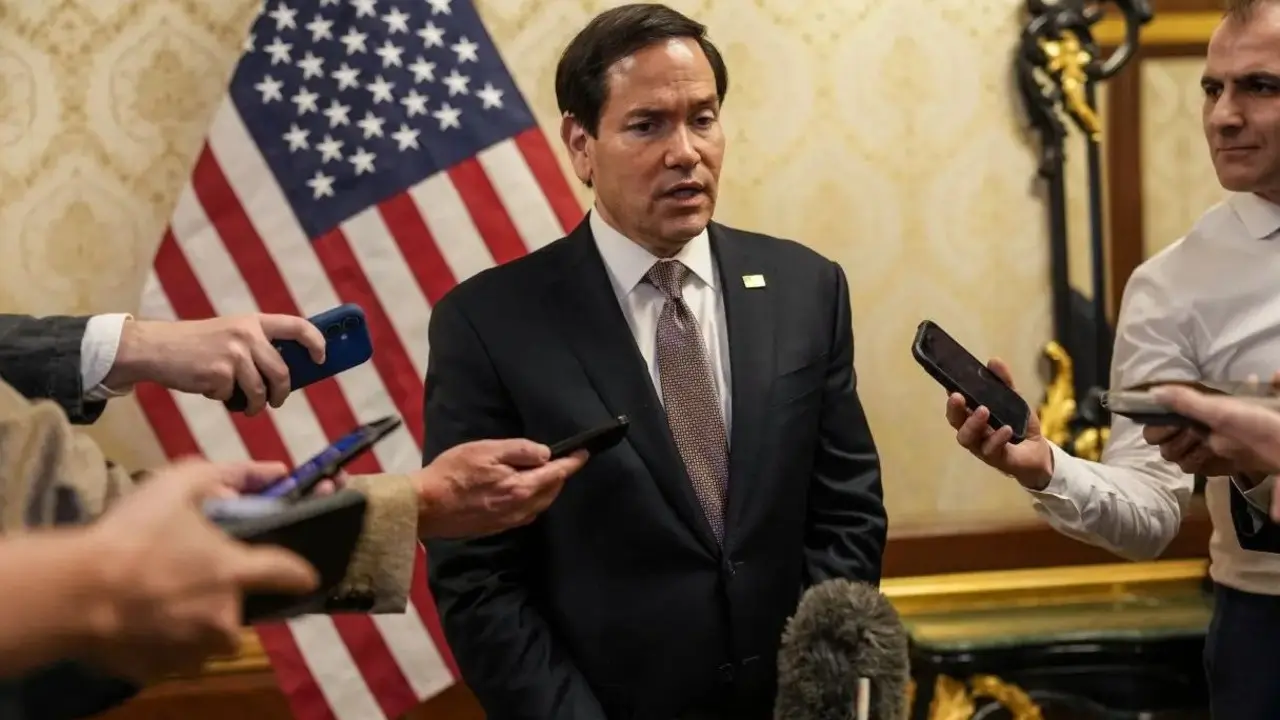
US Secretary of State Marco Rubio to visit Mumbai, Jamnagar from Oct 17-22
US Secretary of State Marco Rubio will visit Mumbai and Jamnagar from October 17 to 22 to strengthen strategic ties, energy cooperation and commercial investment. His itinerary includes meetings with Indian officials and business leaders, as well as a visit to Jamnagar, home to Reliances major refinery
U.S.-India Energy Ties in Focus as Rubio Plans Mumbai, Jamnagar Stops
U.S. Secretary of State Marco Rubio will visit Mumbai and Jamnagar, India, next week for talks expected to cover energy cooperation, trade and broader strategic ties, the State Department said, as Washington approaches an Oct. 18 deadline tied to potential penalties on countries buying Russian energy.
US Secretary of State Marco Rubio to visit Jamnagar, Mumbai from Oct 17-22
This will be Marco Rubio's second visit to India since May, when he attended the Quad Foreign Ministers' meeting hosted by External Affairs Minister S Jaishankar in New Delhi
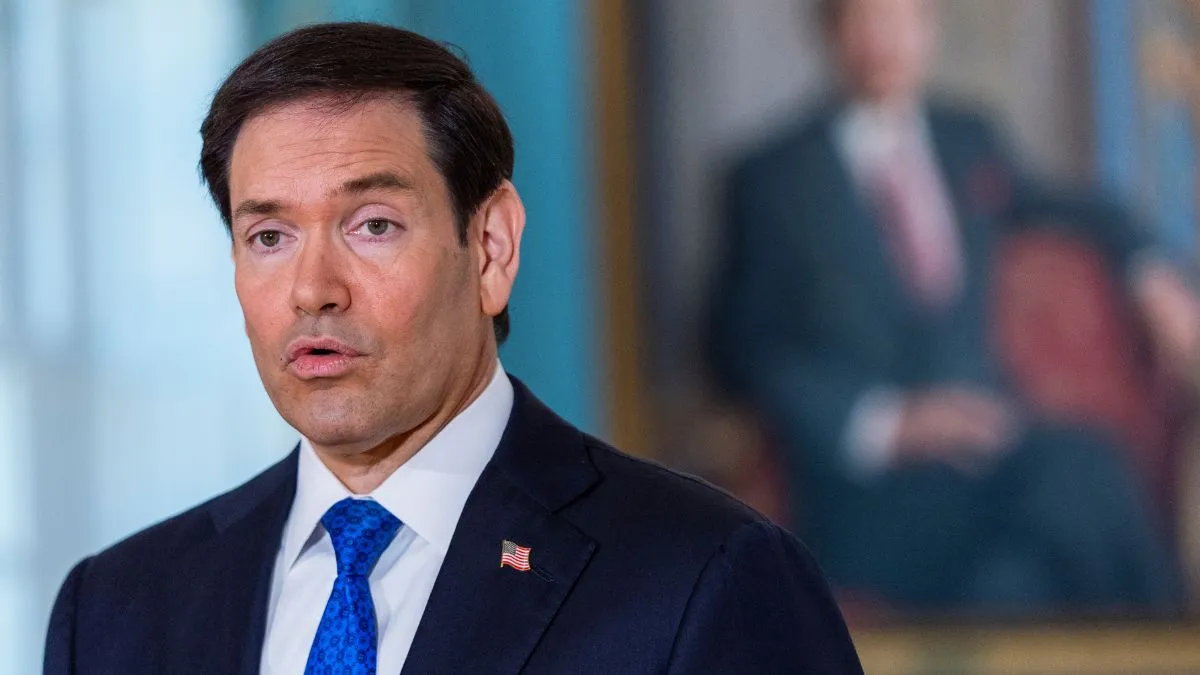
Marco Rubio to visit India next week; energy, investment and strategic ties on agenda
US Secretary of State Marco Rubio will visit India from October 17 to 22 as Washington looks to strengthen energy cooperation and its wider strategic partnership with New Delhi. His India itinerary will include Mumbai and Jamnagar, where he is expected to meet senior government officials and business leaders.
Marco Rubio to visit Uzbekistan, India from October 17-22
Washington: US Secretary of State Marco Rubio will travel to India next week to further strengthen energy cooperation, the Department of State said on Tuesday, October 13. Rubio will first visit Samarkand in Uzbekistan, and will then travel to Mumbai and Jamnagar in India from October 17-22, it said. This will be Rubios second visit Get the latest updates in Hyderabad City News , Technology , Entertainment , Sports , Politics and Top Stories on WhatsApp & Telegram by subscribing to our channels. You can also download our app for Android and iOS .
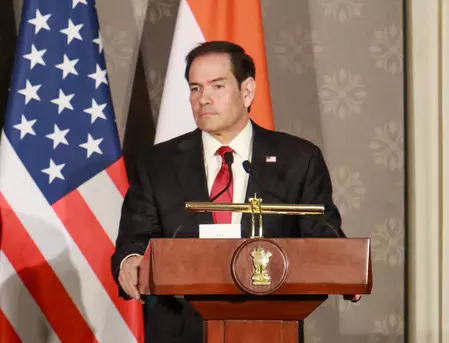
US State Secretary Rubio to visit Mumbai, Jamnagar with energy on agenda
Digital Desk | Washington, Oct 14 (IANS) US Secretary of State Marco Rubio will travel to Mumbai and Jamnagar next week for talks that will include enhanced energy cooperation, the State Department said, as Washington's deadline on penalties for buyers of Russian energy approaches. Rubio will travel to Samarkand, Uzbekistan, and Mumbai and Jamnagar in India from October 17 to 22, the department said in a media note. The Secretary will then travel to India for his second official visit this year, the State Department said. He will meet with senior government officials to strengthen the U.S.-India strategic partnership, exchange views on regional and global dynamics, and discuss prospects for enhanced energy cooperation, it said. Secretary Rubio will also meet with business leaders to promote opportunities for commercial investment and economic cooperation, the media note added. Jamnagar, in Gujarat, is home to Reliance Industries' refining hub, one of the largest refining complexes in the world. The State Department did not say why the city was chosen as a stop. The India stop comes days after the October 18 deadline under the Graham Act on duties targeting countries that buy Russian energy. India has been one of the largest buyers of Russian crude since 2022, and its oil purchases have been a recurring point of friction with Washington. Before India, Rubio will attend the C5+1 Ministerial in Samarkand. The State Department said he will highlight how strategic cooperation through this diplomatic platform promotes a more peaceful and prosperous future for the United States and the countries of Central Asia. He will hold bilateral meetings with senior officials from Uzbekistan, Kazakhstan, Tajikistan, Turkmenistan and the Kyrgyz Republic. On this historic visit, Secretary Rubio will lead a U.S. commercial delegation comprised of over 200 business leaders, ushering in a new era of strengthened commercial cooperation for the United States and Central Asia, the department said. In May, Rubio described India as a great partner and said his trip then would focus on energy and the Quad. The C5+1 is a diplomatic platform that brings together the United States and the five Central Asian republics of Kazakhstan, the Kyrgyz Republic, Tajikistan, Turkmenistan and Uzbekistan. India and the United States describe their ties as a comprehensive global strategic partnership, covering defence, trade, technology and energy.
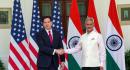
U.S. State Secretary Rubio to visit India for energy talks next week; visit to Jamnagar on cards
Mr. Rubio will first visit Samarkand in Uzbekistan, and will then travel to Mumbai and Jamnagar

Women Showcase Traditional Sword Dance During Navratri Celebrations in Rajkot and Jamnagar
Rajkot and Jamnagar celebrate Navratri with traditional sword dances, showcasing womens empowerment and cultural heritage. Women Showcase Traditional Sword Dance During Navratri Celebrations in Rajkot and Jamnagar

Jamnagar POCSO court sentences accused to death for girl
The News Mill
Death Penalty For Niece's Murder In Jamnagar
A special POCSO court in Jamnagar, Gujarat, has sentenced a man to death under the Bharatiya Nyaya Sanhita (BNS) for the brutal murder and torture of his seven-year-old niece in 2025. The accused also received life imprisonment under the POCSO Act for sexually assaulting the minor, in what was deemed a 'rarest of rare' case.
Rarest of rare: Gujarat court sentences man to death for murder of eight-year-old girl
Digital Desk | Jamnagar, Oct 9 (IANS) A special Protection of Children from Sexual Offences (POCSO) court in Gujarats Jamnagar district has sentenced a man to death for the murder of an eight-year-old girl who was subjected to prolonged physical abuse, including burns inflicted with matchsticks and repeated assaults with an iron pestle last year. The court classified the case as one of the rarest of the rare after considering the evidence presented during the trial and the gravity of the crime. The accused, Nitin Manek, a resident of Sikka in Jamnagar district, was convicted of murder and sentenced to death. He was also sentenced to life imprisonment under the POCSO Act and fined Rs 50,000, according to officials. The incident took place in Sikka in 2025. The crime initially went undetected, following which the police launched an investigation into the case. The investigation identified Manek as the accused, and he was subsequently arrested. The police collected scientific, technical and documentary evidence and filed a chargesheet before the court within 35 days of the incident. During the trial, the public prosecutor examined 23 witnesses and presented around 95 documentary pieces of evidence before the POCSO court. After considering the evidence and the circumstances of the crime, the court handed down the death sentence for murder, along with the additional punishment under the POCSO Act. Deputy Chief Minister Harsh Sanghavi congratulated the police team and the judiciary following the verdict. The Gujarat government, under Chief Minister Bhupendra Patel, has maintained a zero-tolerance policy towards crimes against women and girls, officials said. The verdict follows the investigation and prosecution of a case involving the murder of a minor girl and the filing of a chargesheet within days of the incident.
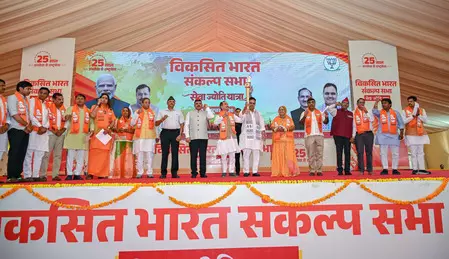
Digital Desk | Jaipur, Oct 7 (IANS) Prime Minister Narendra Modi addressed the 'Viksit Bharat Sankalp Sabha' in New Delhi on Wednesday. In Jaipur, Chief Minister Bhajan Lal Sharma participated in the 'Viksit Bharat Sankalp Sabha' and 'Seva Jyoti Yatra' programme held at the Mela Ground on VT Road in Jaipur's Mansarovar. The Chief Minister joined the Prime Minister's programme through video conferencing and listened to his address. During the event, Prime Minister Modi reiterated his resolve to build a 'Viksit Bharat' (Developed India) and raised the slogan, We will do it. Chief Minister Sharma also echoed the sentiment. In his address, The Chief Minister said that Prime Minister Narendra Modi has completed 25 years of an uninterrupted journey in public service. He described the milestone as historic, glorious and inspiring, saying the nation had come together with renewed energy and resolve through the 'Viksit Bharat Sankalp Sabha' and 'Seva Jyoti Yatra' programmes organised to mark the occasion. The Chief Minister said PM Modi's two-and-a-half-decade public life represents a remarkable commitment -- a tapasya centred on the principle of 'Nation First', hard work and improving the lives of the most marginalised sections of society. According to CM Sharma, PM Modi has redefined politics by transforming it from an instrument of power into a means of public service. He said that for crores of citizens, the Prime Minister's name has become synonymous with fulfilling commitments and ensuring delivery. From the abrogation of Article 370 to the construction of the Ram Mandir, he (PM Modi) has made all these achievements in the national interest possible through his unwavering willpower, CM Sharma said. He added that Rajasthan is rapidly progressing towards new heights of development under PM Modi's guidance, leadership and support. He said the state is receiving several major initiatives whose impact will be felt for generations. The Chief Minister added that the Rajasthan government has taken unprecedented steps to strengthen water security with the Centre's support. The Ram Jal Setu Link Project is being implemented to expand drinking water and irrigation facilities in eastern Rajasthan. According to CM Sharma, the project will provide drinking water to people in 17 districts, water for industrial use and irrigation facilities for more than 4 lakh hectares of land. He also said a Memorandum of Agreement (MoA) concerning Yamuna water was signed on June 29 this year. Chief Minister Sharma added that an agreement was signed on September 15 among six states, including Rajasthan, for the Kishau Multipurpose Project, which will help ensure year-round water availability in the Shekhawati region. He also said a historic agreement on Narmada water was reached among Maharashtra, Gujarat, Rajasthan and Madhya Pradesh under PM Modi's leadership, resolving a decades-old dispute between the states over the river's water. Under the Jal Jeevan Mission, more than 52 lakh rural households in Rajasthan have so far received tap-water connections, CM Sharma said. He added that drinking-water infrastructure worth more than Rs 33,305 crore has been developed across the state. The Chief Minister said that Rajasthan's road network is being expanded through major infrastructure projects, including the Delhi-Mumbai Expressway and its Delhi-Jaipur section, the Amritsar-Jamnagar Expressway, and the Jaipur-Kishangarh-Jodhpur-Pachpadra and Bikaner-Kotputli expressways. He added that the Rs 11,764-crore Jaipur Ring Road North project is being completed with support from the Union government to help reduce traffic congestion in Jaipur. Chief Minister Sharma also said the Central government has approved Phase-2 of the Jaipur Metro Rail Project at an estimated cost of Rs 13,000 crore. The project will comprise a 41-kilometre corridor with 36 stations. The Chief Minister said that railway infrastructure in Rajasthan is expanding rapidly through initiatives such as Vande Bharat Express services, the Coach Care Complex and the development of 83 Amrit Bharat railway stations. Air connectivity is also being expanded in Kota, Kishangarh, Barmer and Bikaner, CM Sharma added. According to the Chief Minister, a new terminal building has been constructed at Jodhpur Airport at a cost of Rs 480 crore, increasing the airport's annual passenger-handling capacity from 1.2 to 2 million. Development work is also underway at the terminals in Jaipur and Kota, he said. Chief Minister Sharma added that Rajasthan's energy capacity has witnessed unprecedented growth over the past two years and nine months. He said the state's power infrastructure is being strengthened through battery energy storage projects with a combined capacity of 6,000 MWh. Under the PM Surya Ghar Muft Bijli Yojana, more than 5 lakh registrations have been recorded in Rajasthan, while over 3.37 lakh rooftop solar power systems have been installed, the Chief Minister added. He said that renewable-energy plants with a combined capacity of more than 5.45 GW have been installed under the PM-KUSUM scheme, making Rajasthan a national leader in renewable and solar-energy infrastructure. To further strengthen the state's energy security, Chief Minister Sharma highlighted the Mahi Banswara Nuclear Power Project. He said that Prime Minister Modi laid its foundation stone on September 25, 2025. The project has an estimated cost of Rs 42,000 crore and a total installed capacity of around 2,800 MW.
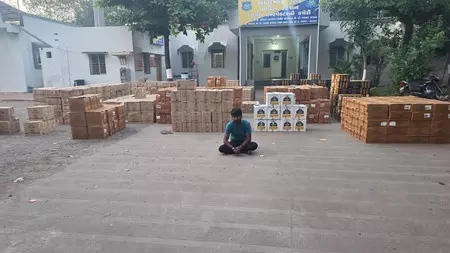
Four raids, liquor seized worth over Rs two crore in Gujarat; 5 arrested, 21 wanted
Digital Desk | Ahmedabad, Oct 5 (IANS) Gujarat Police's State Monitoring Cell (SMC) seized Indian Made Foreign Liquor (IMFL) valued at more than Rs two crore in four raids conducted in Valsad, Ahmedabad Rural, Bharuch and Jamnagar districts, with 36,330 bottles and several vehicles and mobile phones among the seized items. The largest seizure was made on Sunday in Bharuch district, where the State Monitoring Cell seized around 958 boxes containing 23,460 bottles of IMFL and beer valued at Rs 1,43,84,200. The raid was conducted by Police Sub-Inspector J.S. Rajput on the Mumbai-Delhi Expressway near the outskirts of Khalpiya village under Ankleshwar Rural police station limits. Police also seized a vehicle and two mobile phones, taking the total value of the seized property to Rs 1,74,09,200. One person, Anwarsha Mohammad Hanif Belgavkar, a resident of Hubli in Karnataka, was arrested. Five others are wanted, including a person identified as Sheth, who allegedly sent the liquor consignment from Haryana, Sikandar Sheikh of Hubli, and three others, including the person who allegedly ordered the consignment and the truck owner. In Jamnagar, the State Monitoring Cell seized around 246 boxes containing 10,409 bottles of IMFL and beer valued at Rs 37,21,848. The raid was carried out by Police Inspector R.K. Karmata on an open public road in the GIDC area of Naghedi village in connection with the alleged cutting and distribution of liquor. Five vehicles, four mobile phones, cash and other items were also seized, taking the total value of the seized property to Rs 1,37,58,491. Two persons Dipak alias Atapatu Jethwani of Jamnagar and Yuvrajsinh Chudasama of Naghedi were arrested, while nine others were declared wanted. Police said around 22 liquor transportation cases have been registered against Jethwani across Jamnagar, Kutch, Morbi and Rajkot Rural districts. Three liquor-related cases have been registered against Chudasama in Jamnagar and Rajkot City, and police said he is wanted in a case registered at the DCB Police Station in Rajkot City. Among the wanted accused in the Jamnagar case are Ram alias Ramko Modhwadia, Kana Modhwadia, Irfan Kasam Kateliya, Jignesh alias Jigo Vinod Khichda, Aspak of Nuh in Haryana and Rahul Razaq of Bharatpur in Rajasthan. Police said around 49 cases have been registered against Ram alias Ramko in Jamnagar, Devbhumi Dwarka, Patan and Surendranagar districts, while five cases are registered against Kana in Jamnagar and Devbhumi Dwarka, eight against Irfan in Jamnagar and Devbhumi Dwarka, and around 15 against Jignesh in Jamnagar. Three other wanted persons include the owners of vehicles found at the spot. In Ahmedabad Rural, the cell seized around 35 boxes containing 410 bottles of IMFL and beer valued at Rs 13,36,064 during a raid at Chitrakut Society, within the limits of Kolat village in Sanand taluka. Police Inspector Y.J. Rathod led the operation. One vehicle and two mobile phones were also seized, taking the total value of the property to Rs 14,26,064. Kunj Patel of Bodakdev in Ahmedabad, was arrested. Five others are wanted, including Arvindbhai Chhaganbhai Patel of Bodakdev and a person who allegedly sent the foreign liquor consignment from Haryana through transport, along with three other accused. In Valsad, Police Inspector A.Y. Baloch conducted a raid on a public road at Chokifaliya in Kalsargam under Pardi taluka. Police seized around 60 boxes containing 2,051 bottles of IMFL and beer valued at Rs 5,90,784. Ten vehicles and two mobile phones were also seized, taking the total value of the property to Rs 19,86,284. Sanjay alias Sanjay Bhayo Singh, a resident of Udvada in Valsad district and originally from Ara district in Bihar, was arrested. Notices were issued to two persons, identified as female accused, while Bipin Patel of Daman, Kapil Bhandari of Orwad in Pardi and Kunal Patel were declared wanted. Cases were registered against all the accused under relevant sections and further investigations are underway.
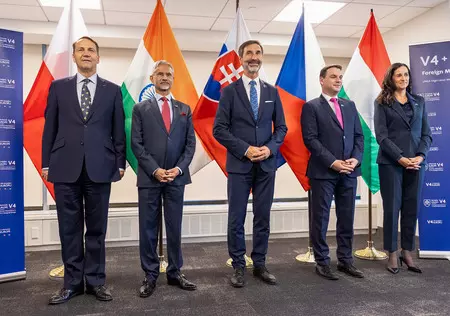
Visegrad-4 reset could refresh India's relationship with Europe's Central Eastern flank
Digital Desk | New Delhi: The meeting between Indian External Affairs Minister (EAM) S Jaishankar and the foreign ministers of Poland, Hungary, the Czech Republic, and Slovakia on the sidelines of the 81st session of the United Nations General Assembly (UNGA) in New York on September 21 has been described as a historic occasion. In some way, it is: the Visegrad-4, the group of these four countries, has agreed to hold annual foreign minister-level meetings. It has also agreed to establish an annual business forum to deepen cooperation in technology, defence, space, and connectivity. Slovakias Foreign Minister Juraj Blanar said that all four V4 countries agree that India should have a permanent seat in the UN Security Council. It is a general consensus amongst policy planners, scholars and journalists that while most of the UNGA side meetings are part of routine diplomacy and function as a stocktaking of the relationship, some of them become historic, so a closer reading always provides a fresh perspective and that too at a time when the V4 is trying to work as a regional grouping after a great rupture and India is working out a different kind of relationship with Europes Central Eastern flank. Talking about the history, Indias ties with this part of Europe are older than the Visegrad grouping and even before Indias independence. During the Second World War, the Maharaja of Nawanagar sheltered hundreds of Polish children at Balachadi near Jamnagar, and a larger Polish settlement emerged at Valivade near Kolhapur, a story that Warsaw still remembers with gratitude. Rabindranath Tagore travelled to Hungary in 1926, and Amrita Sher-Gil was born to a Hungarian mother. Her Hungarian husband lived and died on the outskirts of Eastern Uttar Pradesh. In the Cold War years, when all four were in the Soviet bloc, the relationship took a more practical shape, as Czechoslovak industry and Polish shipyards and aircraft factories supplied the Indian armed forces with everything from armoured vehicles to Iskra jet trainers and landing ships. When EAM Jaishankar mentioned in New York that India has a very strong defence history with every V4 country, he was alluding to these historical facts. This strong trade and defence relations with India to these countries, which changed after the fall of the Iron Curtain, as these states looked more Westward for their economic expansion, and V4 was the result of the same, formed at Visegrad, Hungary in 1991 with a simple purpose, to help these post-communist states return to Europe. This purpose was fulfilled when all four joined, first NATO and then the European Union in 2004. The grouping served as a regional pragmatic minilateral among the EU, NATO, and the UN but took a different avatar after the 2015 migration crisis. The populist zeitgeist already taken shape in this part of the world, the V4 became known in Brussels as the bloc that said no to refugee quotas, to what it saw as interference on the rule of law, and to a more federal Europe, with Viktor Orban's Hungary and the PiS government in Poland setting the tone. For almost a decade, the V4 was read, fairly or not, as the capital of European populism. Russia's full-scale invasion of Ukraine in 2022 broke that alignment. Warsaw saw Moscow as an existential threat while Budapest kept its lines to the Kremlin open, and the grouping more or less stopped functioning. The reset in the V4 grouping came this year as Peter Magyar won a landslide election in April, ending Orban's 16-year tenure, and in June the four Prime Ministers met at Godollo, where they agreed to coordinate in EU forums, including resuming regular consultations ahead of European Council meetings. The reset must not be read just from ideological point of view because while Poland's Prime Minister Donald Tusk and Magyar belong to the same centre-right European Peoples Party, the other two heads of state, namely Andrej Babis of Czechia and Robert Fico of Slovakia, are sovereigntist populists who would have been at home in the old V4. While their ideas may or may not collide, they come together to preserve their interests within the wider EU framework. At the next EU budget scheduled for December, they signalled a joint challenge to EU policies that are increasing energy prices. Till now, the V4 states used the grouping very pragmatically as a pressure group when required, but when interests diverged while being part of the group, they have kept individual state preferences at the forefront. The groups Indian engagement is important for it, as it will elevate the groups standing as a regional stakeholder post-rupture. This is where Russias question becomes an important part of Indias European puzzle. India's engagement with Europe currently moves on two tracks. With France, Germany and the Nordic countries, the relationship is largely about trade, technology and investment. With the frontline states, Russia is the existential fact of their politics. The sequence of the last month shows how India is handling this second track. EAM Jaishankar was in Moscow on August 23 and 24, where he co-chaired the intergovernmental commission and met Russian President Vladimir Putin at the Kremlin. Within 10 days, he was in Warsaw and Kyiv, his first standalone mission to Ukraine since the war began in February 2022. Putin then came to New Delhi for the BRICS summit, and a week later, EAM Jaishankar was with the V4 Foreign Ministers in New York. India has always kept its relations with Russia and the rest of Europe in a very compartmentalised manner. As recently as January, when Radoslaw Sikorski was in New Delhi, the exchange was sharp, with EAM Jaishankar telling him that Poland should not help fuel terrorist infrastructure in India's neighbourhood and that singling out India over Ukraine was unfair and unjustified. Eight months later, Poland is part of a collective V4 endorsement of India's Security Council bid, and preparations are underway for Tusk's expected visit to India. There is a gradual de-hyphenation of India-Russia for Poland, which was a thorny issue in India-Polands relations. It must also be noted that the V4 is not a single actor on Russia. All four share the geography of the eastern flank, but not the threat perception. Poland and, to a lesser extent, the Czech Republic see Moscow as the main danger, while Fico's Slovakia holds views closer to New Delhi's than to Warsaw's, and Hungary under Magyar is still recalibrating. Oddly, this works in India's favour, because India can deal with a grouping whose members read Russia differently precisely because it does not ask any of them to choose. EAM Jaishankar seemed aware of this when he said that how the V4 come together is for them to decide, a careful line that protects India if the grouping fractures again. Poland, by its size and security role, is the pivot of this engagement rather than its typical member. But while the Polish media finds Prime Minister Narendra Modi's 'endless war to end of war remark as an anchor to reimagine the relationship, Slovakias which is still dependent on Russian gas, echoed energy security as a common point of interaction. This tells that differences in the groupings understanding of India vary depending upon their policy choices and constraints, but all of them want to make the arrangement work. Japan and South Korea have had V4 Plus formats for years and their companies are already embedded in the region's automotive and battery supply chains. The defence relationship can be refreshed through co-production under 'Make in India', drawing on old familiarity with platforms and industries. The business forum can make Central Europe an entry point into the wider EU market, and EAM Jaishankar himself linked the V4 initiatives to India's deepening relationship with the European Union. Politically, regular dialogue with four EU members on the central-eastern flank gives India a hearing in a region that, until recently, saw it mainly through the lens of its ties with Russia. The risks are equally clear. The revival is only a few months old, differences over Ukraine and other contested political issues among the four have not gone away, and the grouping could stall again. Thus, the meeting in New York must be read as a stepping stone toward a working mechanism for dialogue with the region. If the annual meetings take place and Tusk's visit goes ahead, the frontline track may prove to be the more durable part of India's European story, though that will depend as much on whether the V4 stays together as on anything New Delhi does. (The writer is a doctoral at the Centre for European Studies, School of International Studies, JNU. Views expressed are personal) /as

Raids on Milk Adulteration Unit in Gujarat Lead to Destruction of 1,200 Liters of Contaminated Milk
A raid in Jamnagar uncovered a milk adulteration operation, leading to the destruction of 1,200 liters of contaminated milk and other products. Raids on Milk Adulteration Unit in Gujarat Lead to Destruction of 1,200 Liters of Contaminated Milk

Police Raid Uncovers Adulterated Milk Operation in Jamnagar, 1,200 Liters Destroyed
Authorities in Jamnagar seized and destroyed 1,200 liters of suspected adulterated milk during a recent police raid. Police Raid Uncovers Adulterated Milk Operation in Jamnagar, 1,200 Liters Destroyed