



YSRCP demands cybercrime probe into fake letter in YS Bharathi
The News Mill
'Bring our sons killers to justice': Alex Prettis parents accuse DOJ of shielding 'murderers'
Beyond crime & stereotypes: Actors with roots in UP bat for states new image

US judge to weigh Justice Dept's effort to block California from counting alleged noncitizen votes
A US judge is due to
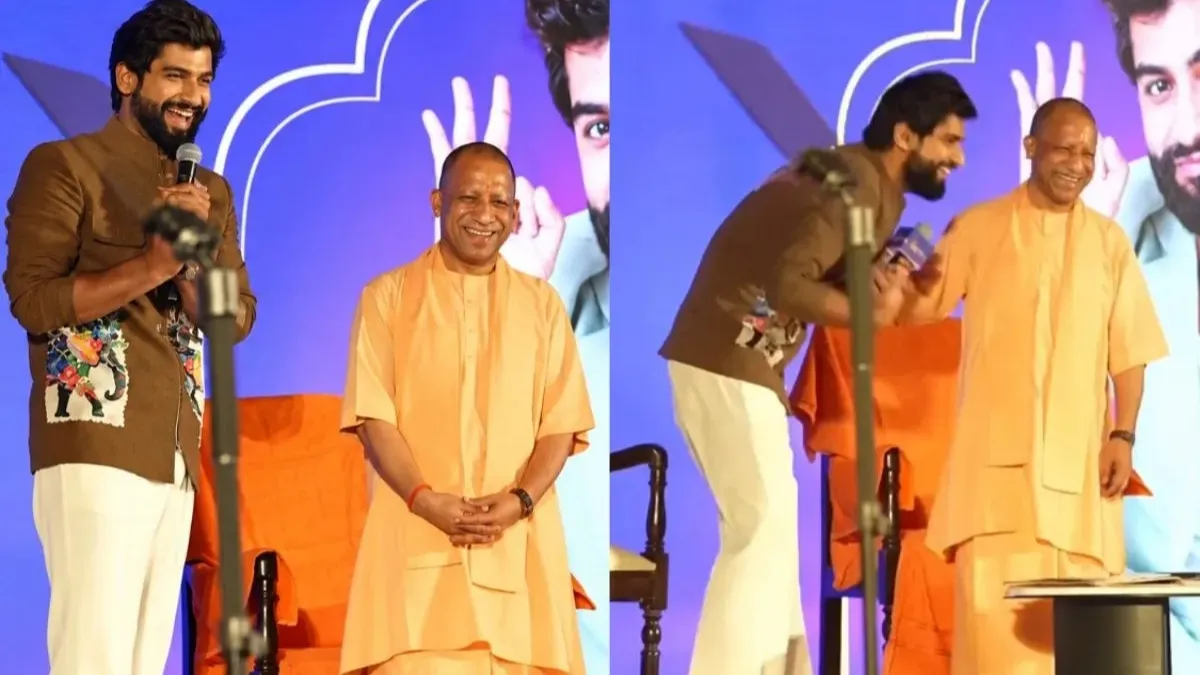
Harsh Gujral's banana seller joke about crime in UP leaves CM Yogi laughing | Watch
A video of comedian Harsh Gujral is going viral on social media. In it, he shares a humorous story about crime in Uttar Pradesh in the presence of Chief Minister Yogi Adityanath. While receiving an award on stage from the Chief Minister, Harsh narrated a real-life incident from Lucknow that also drew laughter from the audience. Yogi Adityanath was seen laughing at the comedians punchline. The video featuring Harsh and the Chief Minister is now making waves on social media.
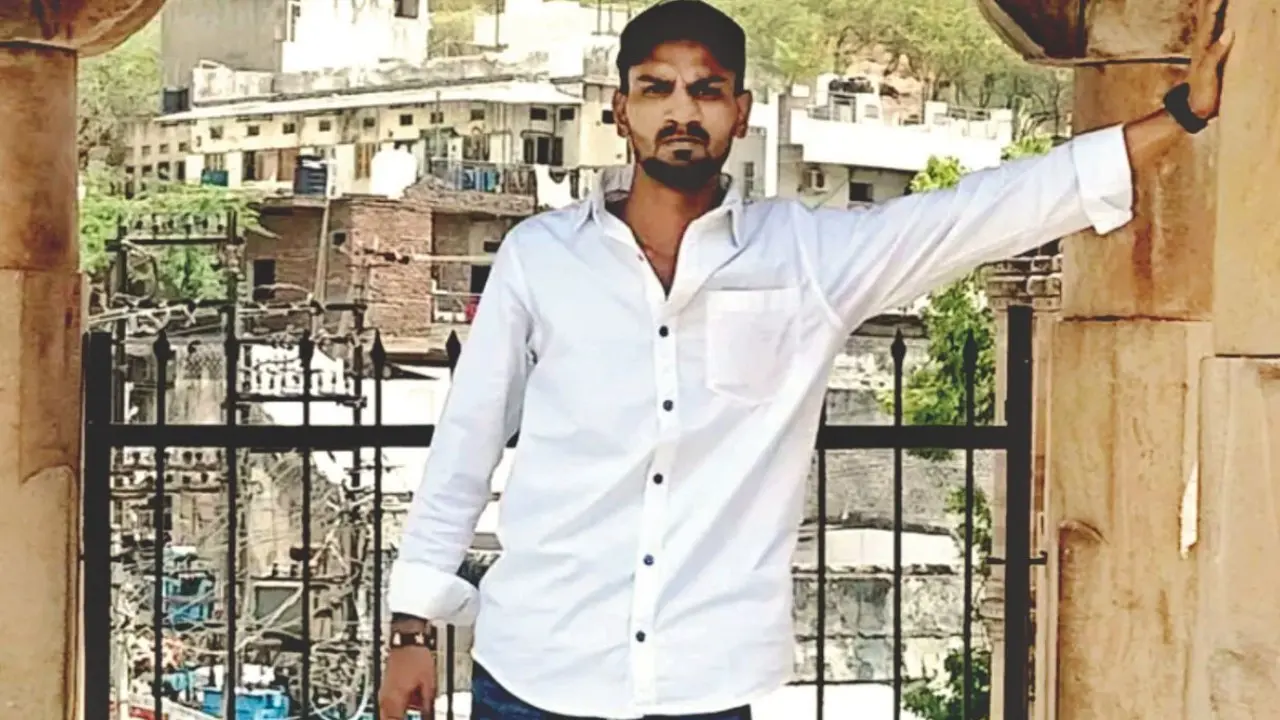
Mumbai crime: Youth attacked with sword, machete in Govandi; three held
A 23-year-old man was seriously injured in an alleged attack involving swords, a machete and iron rods in Mumbais Govandi on October 25. Police have arrested three men, apprehended two juveniles and launched a search for five other suspects

Hyderabad Police launch dedicated wing to investigate serious crimes
Hyderabad: The Hyderabad City Police on Tuesday, October 27, launched a pilot Zonal Investigation Branch to handle complex and serious criminal cases registered across police stations. The initiative marks a major reform in the policing system under the Hyderabad City Police Commissionerate, a press release said. Currently, police station personnel handle both law and order Get the latest updates in Hyderabad City News , Technology , Entertainment , Sports , Politics and Top Stories on WhatsApp & Telegram by subscribing to our channels. You can also download our app for Android and iOS .
Rajasthan High Court clarifies transfer rules for prisoners convicted of rape, POCSO crimes

Hyderabad Police launch dedicated wing to probe serious crimes
The decision will allow local police personnel to focus on maintaining law and order and preventing crime
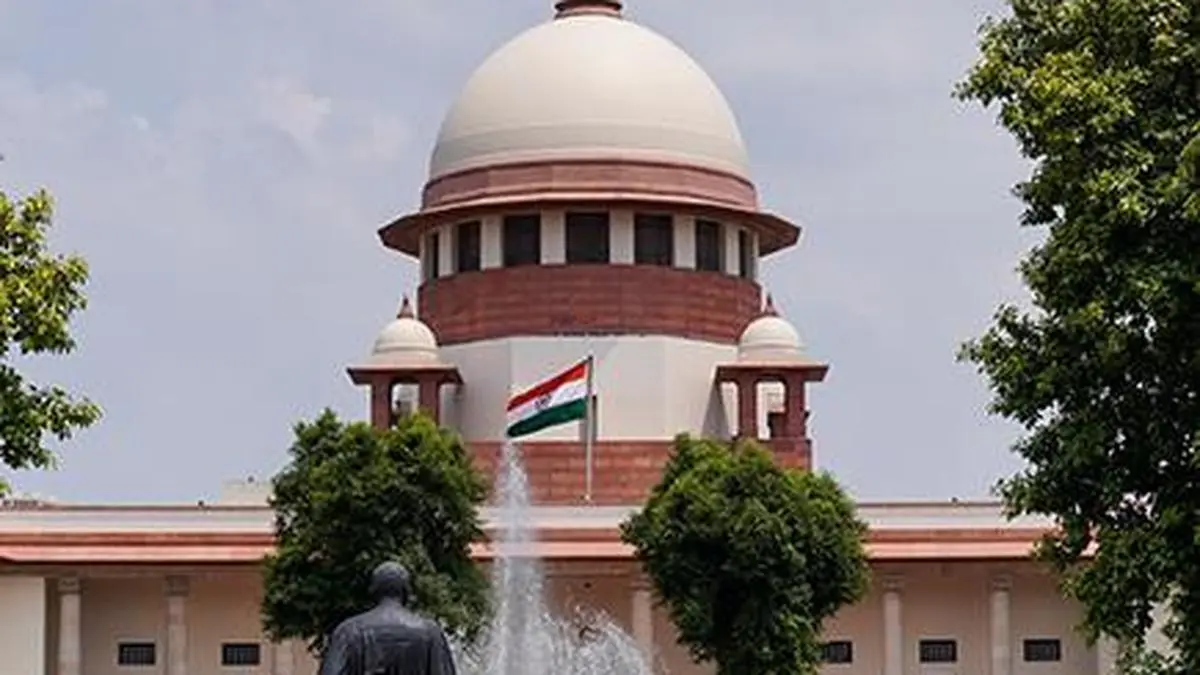
SC Collegium proposes four judges for HC Chief Justiceships
Bombay High Court also gets two recommended judicial appointments

Crime Branch registers two more cases in PSC exam irregularities
The FIRs relate to the examinations conducted for the posts of Village Oil Inspector and Fisheries Extension Officer

Cybercrime police uncover two more SIM box farms in Tamil Nadu
Technical investigation reveals inter-State links in illegal SIM box network; 10 devices seized from Tiruchirappalli and Thanjavur
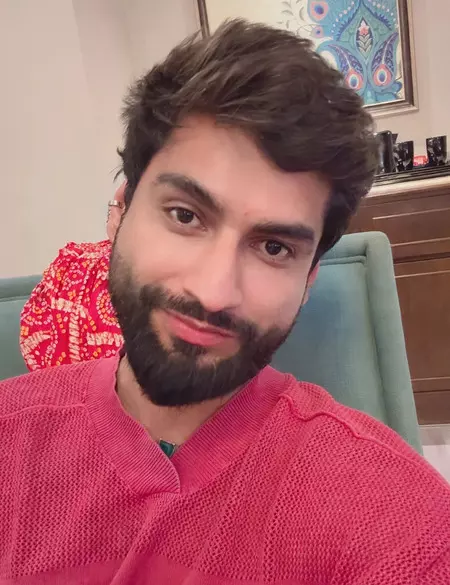
When Harsh Gujrals hilarious take on UP crime left CM Yogi in splits
Digital Desk | Mumbai, Oct 27 (IANS) Comedian and actor Harsh Gujral once narrated an interesting incident about the diminishing rate of crime in Uttar Pradesh. An old video of the comedian-actor from UP Creators Summit & Awards 2026 has resurfaced on the internet, and it shows him recollecting the funny incident as he stood next to the UP Chief Minister Yogi Adityanath. He said in his speech, Im telling you a real life example. I was in Lucknow for a show. I went out for a walk when I asked a shopkeeper selling bananas about the crime rate in UP. He said the crime rate has diminished a lot in UP. I asked him how he was so sure about that. He said, Im a criminal myself but Im not selling bananas. Thank you so much for this award, Uttar Pradesh Rocks. While the comedian-actor shared a personal anecdote, the National Crime Records Bureaus (NCRB) data shows fluctuations in Uttar Pradeshs registered crime rate over recent years. On a cursory glance, the rate stood at 225.3 cases per lakh population in 2016, climbed up to 278.2 in 2019 and reached 287.4 in 2020. It declined to 262.5 in 2021 and 171.6 in 2022, before it rose sharply to 335.3 in 2023. In 2023, UP recorded approximately 7.93 lakh cases under the Indian Penal Code and Special and Local Laws, while its crime rate remained below the national average of 448.3. Talking about Harsh Gujral, he made his Bollywood film debut with Mere Husband Ki Biwi, directed by Mudassar Aziz. The romantic comedy also starred Arjun Kapoor, Bhumi Pednekar and Rakul Preet Singh in lead roles, with Gujral appearing in a supporting role. The film was released on February 21, 2025.
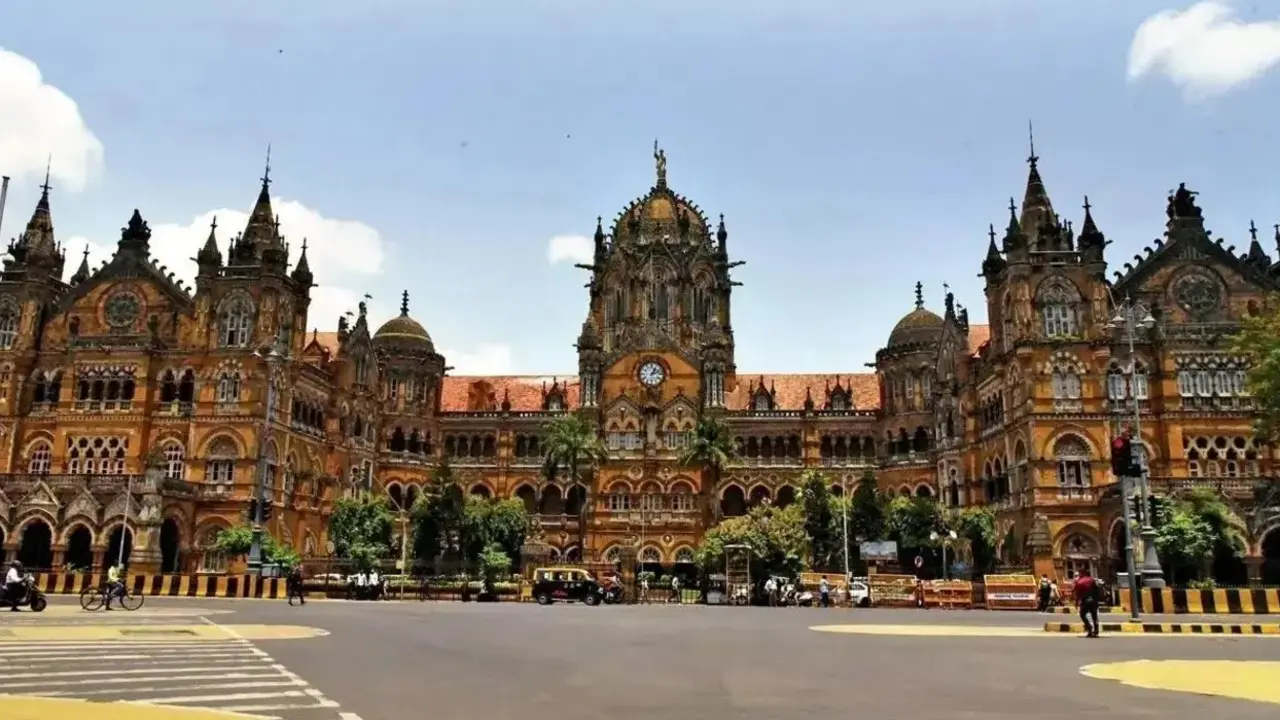
Mumbai crime: Duo booked for allegedly assaulting CR ticket checker
According to Central Railway, the incident took place between 6.55 pm and 7 pm on October 25 in the concourse area near Platforms 5 and 6, where the ticket-checking staff member was performing his duties

Crime Branch Files Charge-Sheet Against Man for Allegedly Cheating 12 Kashmir Residents
Srinagar, October 27: The Special Crime Wing of Crime Branch Kashmir has filed a charge-sheet before the Court of the Chief Judicial Magistrate, Srinagar, against a Delhi-based investment programmes alleged director for allegedly cheating 12 Kashmir residents of 16.78 lakh through a purported foreign exchange (Forex) investment scheme. The accused, identified as Sunil Singh, son of Arjun Singh and a resident of Pratap Vihar, Ghaziabad, Uttar Pradesh, has been charge-sheeted in connection with FIR No. 18/2022 registered at Police Station Special Crime Wing (SCW), Kashmir. According to the Crime Branch, the accused faces allegations under Section 420 of the Indian Penal Code (IPC) and Sections 5 read with 23 of the Banning of Unregulated Deposit Schemes Act, 2019. Complainants Allegedly Promised High Returns The case originated from a complaint filed by Abid Hussain Joo and 11 other Srinagar residents, who alleged that they were lured into investing their hard-earned money in a purported Forex investment venture operating under the name Tronix Power & Capital Investment Programme, Delhi. The complainants alleged that they were promised substantial returns within a short period, which persuaded them to invest in the programme. During the preliminary enquiry, investigators found allegations that the complainants had been induced to invest on the assurance of lucrative returns and were subsequently cheated. The findings led to the registration of the FIR and a detailed investigation into the matter. 16.78 Lakh Transferred Through Banking Channels The investigation revealed that a total of 16,78,500 had been transferred by the complainants through banking channels into bank accounts linked to the accused, the Crime Branch said. The Reserve Bank of India (RBI) also informed the investigating agency that the investment programme in question was not registered with it. After completing the investigation and examining the evidence collected, the Special Crime Wing submitted the charge-sheet before the competent court for judicial consideration and further proceedings in accordance with the law. The allegations against the accused will be examined during the judicial process, and the case remains subject to the outcome of the court proceedings. Public Advised to Verify Investment Schemes Meanwhile, the Special Crime Wing Kashmir has urged the public to exercise caution before investing money in schemes promising unusually high returns within a short period. The agency has advised prospective investors to verify the credentials of investment operators and check the regulatory status of investment schemes with the appropriate authorities before committing their savings. Members of the public have also been encouraged to report suspected investment fraud to the concerned authorities promptly to help prevent further financial losses.

American Citizen Imran Khan Gets Bombay HC Relief,
U.S. citizen and Bollywood actor Imran Khan received interim relief from the Bombay High Court on Tuesday, October 27, which stayed a Centre-issued notice directing him to leave India by October 28 over his participation in a protest demanding the resignation of Chief Election Commissioner Gyanesh Kumar.

Crime Branch Kashmir chargesheets UP resident for duping 12 Kashmiris in Rs 16.78 lakh fraud case
Srinagar, Oct 27: Crime Branch Kashmir (Special Crime Wing) has filed a charge-sheet before the Hon'ble Court of Chief Judicial Magistrate, Srinagar, in connection with FIR No. 18/2022 registered at Police Station SCW, Kashmir, against accused Sunil Singh, S/o Arjun Singh, resident of Pratap Vihar, Ghaziabad, Uttar Pradesh, for alleged offences punishable under Section 420 of the Indian Penal Code (IPC) and Section 5 read with Section 23 of the Banning of Unregulated Deposit Schemes Act, 2019. The case originated from a complaint lodged by Abid Hussain Joo and 11 other residents of Srinagar, who alleged that they had been induced by the accused to invest their hard-earned money in a purported Forex investment venture operating under the name and style of Tronix Power & Capital Investment Programme, Delhi, on the promise of substantial returns within a short period. During the preliminary enquiry, it emerged that the accused had allegedly induced the complainants to invest their money through assurances of lucrative returns and subsequently cheated them, leading to the registration of the case. Investigation revealed that an aggregate amount of Rs. 16,78,500 had been transferred by the complainants through banking channels into bank accounts linked to the accused. The Reserve Bank of India (RBI) also conveyed that the aforesaid investment programme was not registered with it. Upon completion of the investigation and on the basis of the evidence collected, the charge-sheet has been submitted before the competent court for judicial consideration and further proceedings in accordance with law. Special Crime Wing Kashmir of Crime Branch J&K advised the public to exercise due diligence and verify the credentials and regulatory status of investment schemes with the competent authorities before investing their hard-earned money. It also urged the public to promptly report any suspected investment fraud to the concerned authorities.

Crime Branch Chargesheets Man in Rs 16.78 Lakh Investment Fraud
SRINAGAR: The Special Crime Wing of Crime Branch Kashmir has filed a charge-sheet against a man accused of allegedly cheating 12 residents of Kashmir of Rs 16.78 lakh by luring them into investing in a purported foreign exchange (Forex) investment scheme that promised substantial returns within a short period. The charge-sheet has been submitted before []
The Netanyahu question and the future of India US Israel ties!
Israel stands at a potentially pivotal political moment. With pre-poll surveys suggesting a tougher electoral terrain for Benjamin Netanyahu, the election is being watched far beyond the country's borders. For India, the United States and the wider strategic landscape, the question is not merely who governs Israel next, but how the next phase of Israeli politics reshapes existing alignments and emerging partnerships.
Times Square Lights Up As New York Celebrates Diwali With Indian Music And Culture
Times Square became a showcase of Indian culture on Saturday, October 24, as thousands of members of the Indian and South Asian diaspora gathered in New York City to celebrate Diwali with music, dance, traditional rituals and a display of the countrys cultural diversity.
India broke the Powerplay record among ICC Full Member teams in mens T20 Internationals, racing to 118 without losing a wicket in the first six overs against New Zealand in the third T20I at Wellington on Tuesday, October 27.

UN inquiry says Russian energy attacks in Ukraine amount to war crimes
UN inquiry says Russian energy attacks in Ukraine amount to war crimes

SC Collegium Recommends 4 Judges as High Court Chief Justices
The Supreme Court Collegium headed by Chief Justice of India Surya Kant has recommended to the Centre the appointment of four judges as chief justices of various high courts.
Naked parade case takes a turn: Kolkata cops recreate crime scene, watch accused marched shirtless

Indonesia and stronger responses to transnational crime

The National Human Rights Commission (NHRC) of India has issued a comprehensive Advisory on Womens Safety at Work and Public Spaces to ten Union Ministries, the Chairperson of the Railway Board, and all Chief Secretaries of States and Union Territories. Highlighting that womens safety is crucial for enabling full workforce participation and ensuring constitutional entitlements [] The post NHRC Issues Advisory on Womens Safety at Work and Public Spaces; Demands Report in 2 Months appeared first on Pragativadi I Latest Odisha News in English I Breaking News .

Supreme Court declines interim stay on DPDP Act provisions in plea raising Press freedom concerns
The Supreme Court on Tuesday declined to grant interim relief against the operation of provisions of the Digital Personal Data Protection Act, 2023, and the Digital Personal Data Protection Rules, 2025, while issuing notice to the Centre on a challenge brought by the Digital News Publishers Association (DNPA) alleging that the data protection framework threatens [] The post Supreme Court declines interim stay on DPDP Act provisions in plea raising Press freedom concerns appeared first on India Legal .
Vijay Deverakonda and Rashmika Mandannas Team Moves Hyderabad Cybercrime Police

Chennithala says high literacy rate in the State did not necessarily translate into digital literacy, leaving people vulnerable to online fraud even when they were well-educated
Agentic artificial intelligence (AI) could reduce the time banks spend on know-your-customer (KYC) processes by 30 to 70 per cent, improving efficiency in financial-crime prevention, but high human oversight costs and challenges related to governance and accuracy continue to hinder its wider adoption, according to a report by McKinsey

SC Collegium Recommends Four Judges as High Court Chief Justices
New Delhi, Oct 27: The Supreme Court Collegium, headed by Chief Justice of India Surya Kant, has recommended four judges for appointment as chief justices of various High Courts. The recommendations were made at a Collegium meeting held on October 26. The Collegium comprises CJI Surya Kant and Justices Vikram Nath and B V Nagarathna. [] The post SC Collegium Recommends Four Judges as High Court Chief Justices appeared first on Northlines .
SC collegium recommends four judges for appointment as High Court chief justices
The Collegium has recommended Justice P. Sam Koshy as Chief Justice of the Delhi High Court, among four appointments across the Gujarat, Telangana and Uttarakhand High Courts
Supreme Court issues notice on journalist
The Supreme Court on Tuesday issued notice on an application filed by a pregnant journalist seeking registration of a First Information Report (FIR) against Leader of Opposition Rahul Gandhi and others over an alleged incident of assault during the Oppositions march to the Court premises on October 12. The application has been moved by journalist [] The post Supreme Court issues notice on journalists plea seeking FIR against Rahul Gandhi over October 12 incident appeared first on India Legal .
Crime Branch CID Files Chargesheet in Palani Temple Mutt Land Scam Case
The chargesheet has been filed before the jurisdictional Judicial Magistrate Court on October 24 within the statutorily stipulated 90-day period, naming five persons including a suspended sub-registrar, a release from the DGP office said

SC collegium recommends four judges for appointment as HC chief justices
The Supreme Court Collegium headed by Chief Justice of India Surya Kant has recommended to the Centre the appointment of four judges as chief justices of various high courts. The collegium, also comprising Justices Vikram Nath and B V Nagarathna, held its meeting on October 26 and recommended the name of Justice P Sam Koshy of the Telangana High Court for appointment as Chief Justice of the Delhi High Court. Justice Manash Ranjan Pathak, currently serving at the Gujarat High Court, has been recommended for appointment as Chief Justice of the Gujarat High Court. The Collegium has also recommended Justice Tapabrata Chakraborty of the Calcutta High Court for appointment as Chief Justice of the Telangana High Court. Justice Sudhir Singh of the Patna High Court has been recommended for appointment as Chief Justice of the Uttarakhand High Court.
Indonesia, Australia deepen immigration and crime fighting cooperation

U.S. and Pacific Nations Unite Against Drug Cartels and Cybercrime with $44 Million Initiative
The U.S. pledges $44 million to combat drug cartels and cybercrime in collaboration with Pacific nations, enhancing regional security. U.S. and Pacific Nations Unite Against Drug Cartels and Cybercrime with $44 Million Initiative
Raja Krishnamoorthi Leads Push To Declare July Indian American Heritage Month
A bipartisan effort in the U.S. House of Representatives is seeking to recognize July as Indian American Heritage Month, with Indian-origin Congressman Raja Krishnamoorthi leading a resolution backed by 256 cosponsors to honor the communitys contributions to the country.
1 Player, 2 Roles, 11 Places to Fill: The Hardik Equation
Modern white-ball cricket is defined by uncompromising margins, where the equilibrium of a playing XI often dictates the outcome of major global tournaments. In this unforgiving ecosystem, Hardik Pandya operates as Indias definitive balance sheet. He is neither merely an explosive middle-order batter nor simply a supplementary seamer; rather, he is the structural hinge that allows team management to bridge the gap between batting depth and a penetrative specialist bowling unit. Genuine pace-bowling all-rounders are crickets most coveted commodity, and Pandyas ability to accelerate in the death overs, absorb pressure in crisis, and bowl brisk spells makes him irreplaceable. Yet, while his tactical value is unquestioned, his recurring physical breakdowns continue to expose Indias most delicate structural vulnerability.
Supreme Court Collegium proposes four judges for HC Chief Justiceships
Justice Manash Ranjan Pathak, Justice P. Sam Koshy, Justice Tapabrata Chakraborty and Justice Sudhir Singh are the four Judges
Fresno City Council candidate Naindeep Singh denies DUI allegations, calls reports fake
By Ritu Jha- Naindeep Singh, a Fresno City Council candidate popularly known as Deep, denied allegations that he was driving under the influence of a drug after reports emerged that he was arrested in connection with an incident in the citys Tower District. Singh described the reports as fake. Singh, 48, is a prominent Sikh []
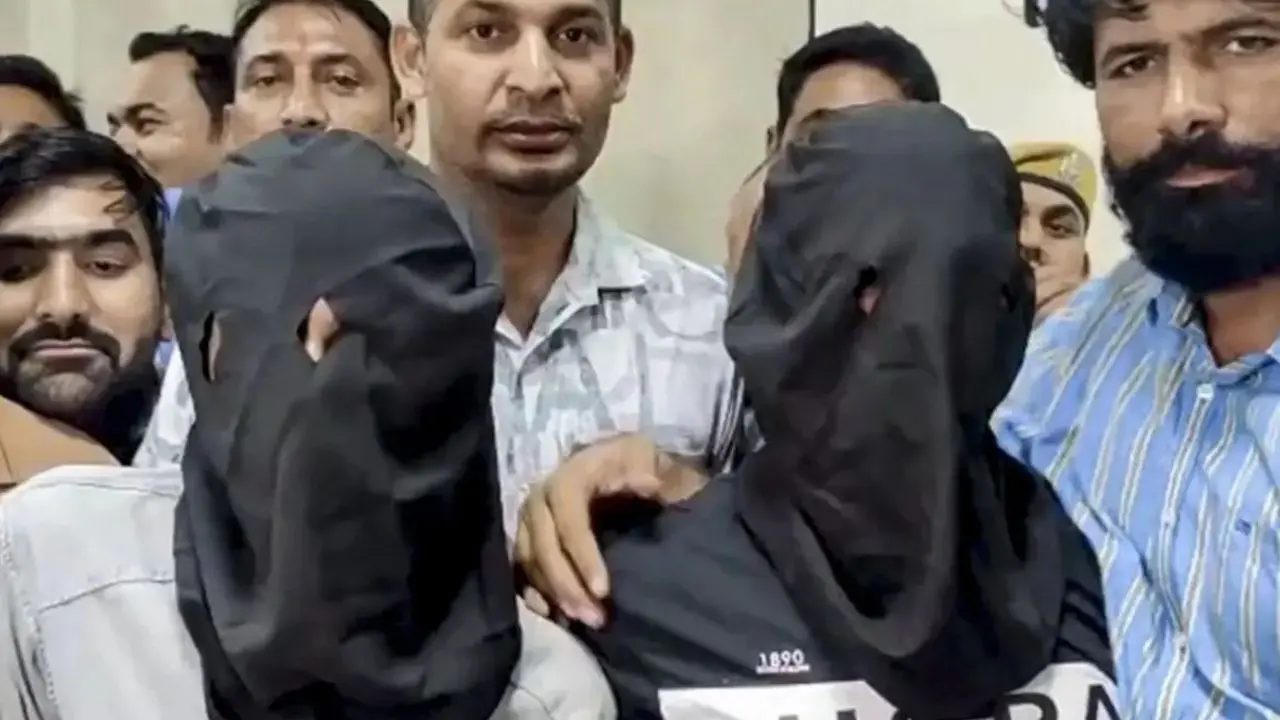
Tiger Shroff firing: Crime Branch alleges extortion and gang dominance motive
The Mumbai Crime Branch alleges that the firing incident involving actor Tiger Shroff was aimed at extortion, intimidation and establishing gang dominance. Investigators are probing alleged Lawrence Bishnoi gang links

Maintain surveillance systems to reduce crime
The police initially circulated his images to police stations across Mumbai but received no useful leads
Microsoft Exit Offer Could Cover 27% Of Global Workforce
Microsoft has introduced a voluntary exit program for employees in India, the U.S., Canada and the UK, as the technology giant looks to manage workforce costs while increasing spending on artificial intelligence infrastructure.
Bengal Class 11 student rape-murder accused killed in encounter during crime scene reconstruction
Anthropic Files For IPO As Revenue Jumps 1,300% In First Half of 2026
Anthropic, the artificial intelligence company behind the Claude chatbot, has reported a sharp rise in revenue alongside mounting losses as it prepares to go public in the U.S., offering investors a look at the financial scale and risks of its rapid expansion.

Did I commit a crime? Minister Subodh Uniyal denies apologising to Daler Mehndi
Did I commit a crime? Minister Subodh Uniyal denies apologising to Daler Mehndi

Russia committed war crimes in Ukraine by attacking energy grid: UN-backed inquiry
A U.N.-backed inquiry is reporting that Russia committed war crimes and crimes against humanity in Ukraine by intentionally attacking energy infrastructure, which left millions of people without electricity and heat in freezing temperatures
1911 Houston mansion once listed for $2.35m now on market for nearly $4m
A remarkable mansion steeped in history, previously tied to the Cleveland family, has hit the market for $3.995 million in Houston. Dating back to 1911, this residence artfully blends timeless architectural features with contemporary enhancements. Nestled within Courtlandt Place, a registered historic district known for its notable early 20th-century homes, this property showcases a substantial value increase since its previous sale at $2.
Ex-FBI director Comey charged again by US Justice Department, NBC News reports
Former FBI director James Comey has been charged again by the Justice Department, an NBC News reporter said in a post on X on Monday. Comey said in a video on Instagram that hey're back again and referenced the Justice Department, but did not provid
Liquor shop beneath Juvenile Justice Board office and shelter home vacated
On Valmiki Jayanti, Sukhu says govt committed to social justice
Odisha police to hire 64 specialists for cyber crime coordination centre
Stalin slams TVK govt for rising crime; Thaimaaman missing, says Kanimozhi
Keralam Mercedes crash: Vijayan assures justice, says Home Minister promised action against guilty
Vijay and Rashmikas team files cybercrime complaint over fake content
Vijay Deverakonda and Rashmika Mandannas team has filed a complaint with Hyderabad Cyber Crime authorities over alleged fake posts, manipulated screenshots, impersonation and online harassment following backlash over their Koffee With Karan 9 appearance. The team has sought an investigation into the circulation of misleading content, while Rashmika defended her marriage and Vijay hit back at critics on social media.

Three Kerala PSC members appear before Crime Branch for questioning in exam fraud probe
Two more PSC members have been directed to appear before the investigating team on Tuesday. PSC chairpersonM.R. Baiju has been asked to appear at the Crime Branch headquarters on Wednesday
IPL 2027 Mini-Auction Set For December 16 In Goa
The road to the 2027 Indian Premier League (IPL) season will begin with the mini-auction in Goa on December 16, with franchises set to finalize their squads ahead of the next edition of the tournament.
India, Canada Explore Easier Mobility And Migration Management In Inaugural Talks
India and Canada are looking to strengthen ties through easier mobility and better migration management, with officials from both countries holding their first Migration and Mobility Dialogue in New Delhi on Monday, October 26.

Nagaland: Justice Longkumer stresses role of referral judges in mediation
Dimapur: Gauhati High Court judge Justice Yarenjungla Longkumer has emphasised the role of judges in referring suitable cases to mediation, saying it should be treated as an integral part of the justice delivery system rather than merely an alternative to litigation. She was speaking at a training programme for referral judges organised in Kohima by [] The post Nagaland: Justice Longkumer stresses role of referral judges in mediation appeared first on NorthEast Now .

Kanimozhi alleges unprecedented rise in sexual offences and child crimes in Tamil Nadu
The News Mill
Skipping Blood Pressure Medication Linked To loss Of Heart Protection, Study Finds
People who regularly miss doses of their blood pressure medication may lose much of the protection the drugs offer against heart attacks, strokes and other serious cardiovascular problems, according to an analysis of more than 91,000 people.
Tesla India Revenue Jumps Nearly 12-Fold To $26 Million In FY26
Teslas business in India turned profitable in FY26 as vehicle sales began contributing to its revenue, with the Elon Musk-led electric carmakers Indian subsidiary reporting a nearly 12-fold increase in revenue to approximately $26 million.

WHEN PROTESTS ACROSS the world erupt regarding inequality within schools and neglected educational priorities, led primarily by students, there is hope that they are asking democracies to honour two connected promises: quality education for all and the freedom to demand it. Whether the questions revolve around missing teachers or broken infrastructure, the demand reflects the distance between equality promised within a democracy and the actual opportunity it provides or fails to provide. The school protests in France have been indicative of simple demands surrounding adequate staff, usable facilities, and fairer learning conditions. Reverberating these demands across multiple countries in Europe Spain, Portugal, even Germany - and in India, the Cockroach Janta Partys (CJP) School Thik Karo (Set Right the Schools) campaign makes a comparable demand by publicly scrutinising government schools. These demands fall within the scope of international defence of public education and democratic participation with a shared claim to equality, rather than evidence of a single, centrally organised worldwide movement. European Protests: What they Reveal, International Law, and Collective Rights In France, pupils in disadvantaged Paris suburbs have turned deplorable school conditions ranging from consistent teacher shortages, overcrowding, inadequate facilities, and inequality across neighbourhoods into a national political issue highlighting that ones address should not be the sole determinant of their future . Enrolment in public schools alone cannot ensure access to quality education. So the question is not merely about education budget or even policy, per se but rather who are the direct beneficiaries of an enhanced budget (if any)? Whether a mere national average is concealing the unequal burdens borne by particular communities, and even the unequal burdens of apparent neutral allocation may actually leave the children facing the greatest obstacles with the least institutional support. A placard in France read, Four riot police for one student/ One professor for thirty five. It underlined the pitiable conditions caused by shortage of teachers in French schools and heavy deployment of police forces to deal with protesters. Even though France seems to be leading the charge on the scale of protests, there seems to be a wider European concern regarding the state of schools ranging from Romanian teachers demonstrating against austerity measures, Greek students recurringly demanding better teachers, decent facilities, and meaningful investment in public education. Here, international law can be indicative, providing a framework for understanding these protests Article 21 of the International Covenant on Civil and Political Rights (ICCPR) protects peaceful assembly, and Article 19 protects freedom of expression. More often than not, in a democratic society, when read together, they safeguard essential means through which people question public decisions and organise demands for change. While this right is qualified by the touchstones of national security, public order, public safety, public health, morals, and the protection of others rights, these restrictions demand justification. Mere inconvenience or governmental embarrassment cannot be a substitute for showing why a particular restriction is necessary or proportionate . Even the mere disruption of traffic or everyday activity does not, by itself, constitute violence, and such a right to protest needs to be protected and enabled by the State. Peaceful disobedience , even with isolated violent acts, should not be automatically attributed to other participants or even to the entire assembly, which is largely peaceful. These distinctions matter when images of burning objects or clashes overwhelm discussion of a movements demands, where authorities have responded to violence and protect people from harm. However, the authorities have to assess individual conduct and the circumstances of the gathering and peaceful participants do not lose their rights individually or collectively simply because someone nearby commits an offence. Equally, a legitimate and overall peaceful educational demand does not make every protest tactic lawful, such as blocking access to a school, which can affect other childrens education; prolonged obstruction can raise serious competing interests. The legal task is to assess the actual conduct, harm, and available alternatives , as automatically organising every blockade is as inadequate as treating every disruptive gathering as a security threat. In this case, the European Convention on Human Rights (ECHR) serves as an indicator of the scope and legal application of the right to peaceful assembly, particularly under Article 11. The European Court of Human Rights guidance recognises that authorities must tolerate a degree of disruption, while the extent and duration of the disturbance remain relevant, and identifies duties to take reasonable measures to enable lawful demonstrations to proceed peacefully. Recently, there has been an international recognition of collective action from the International Court of Justices Advisory Opinion (ICJ AO) on the right to strike under ILO Convention No. 87. The Court confirmed that the Convention protects workers right to strike , while leaving the precise content, scope and conditions of its exercise unresolved by not expressly mentioning that right . Highlighting these different international legal instruments is important, as a teachers strike involves the withdrawal of labour, whereas a student demonstration or parents rally engages the separate protections of expression and peaceful assembly. These actions may converge around the same demand for functioning public schools, but their legal foundations remain distinct. While the ICJ AO did not establish a general right to protest or automatically legitimise every school blockade, its relevance to the wider argument is that international law recognises collective action as a protected means of defending interests. This recognition challenges the expectation that those affected by institutional failures should confine themselves to deferential requests. The Hungarian Protests showcase this collective action, as Teachers and students opposed changes to educators working conditions and restrictions affecting their collective action . In 2023, the European Trade Union Committee for Education criticised legislation adopted despite sustained protests and urged meaningful consultation; the ability of teachers to defend their profession belongs within the debate over the quality of education children receive. While these international legal instruments reflect the rights to peaceful assembly, freedom of expression, and collective rights in the European context, these rights have been contextualised in the context of Indias protests. The ICCPR binds its contracting states, including France and India ; the ECHR and ILO bind France and other European nations but not India. Its jurisprudence nevertheless offers a useful comparative perspective alongside the separate obligations India bears under the ICCPR. Hence, the legal case for protecting peaceful school protests rests on Indias own constitutional guarantees and its applicable international human rights obligations. Even with these restraints, European protests offer an uncomplicated model for India to emulate, as its own schools and governments face similar concerns regarding the quality of education and, therefore, equality of opportunity. The value of the comparison lies in recognising that material prosperity and an enhanced education budget (8.27% increase) or a new educational policy do not automatically secure a fair public education system. Political choices still determine which children receive reliable public provision and which are expected to tolerate its deterioration. Indias Parallel Demand In India, protests stemming from the NEET paper leak scandal (following irregularities in the medical entrance test) have now snowballed into the recent controversy over Special Intensive Revision (SIR) and questionable functioning of the Chief Election Commission er. However, between the two distinct protests, there was a call for a campaign often described as a movement to save schools, reported under the name School Thik Karo. Announced by CJP founder Abhijeet Dipke, the leader behind the NEET Protests and the SIR Protests, the initiative invites parents and village representatives to inspect government schools to ascertain if electricity, safe drinking water, toilet facilities, and mid-day meals are provided to children or not. It also calls them to document deficiencies through forms and videos. The method matters, as CJP asked for a social audit and turns a broad allegation of neglect into questions that an administration should answer. Is the water available? Do the toilets work? Who must authorise repairs? When will the deficiency be corrected? Such questions connect everyday experience with public responsibility. The campaign has also announced an Adivasi School Thik Karo initiative to document conditions in tribal areas across several states. Its announced focus on teachers and basic facilities makes the distributional question explicit: whose schools receive sustained public attention? There are important differences between a French suburban lyce and an Indian village school. Caste, tribal marginalisation, geography, language and household resources require attention on their own terms. Nevertheless, both settings invite the same democratic test: does the public system offer children a credible opportunity to learn, irrespective of the social position into which they were born? Community participation must also have limits, and the right to access equitable education should not be a mere burden on the parents. Parents should not have to finance essential repairs or repeatedly publicise deprivation before officials act to address it. Citizen audits can expose failures; responsibility for remedying them remains with public authorities. The substantive basis for the right to education also exists in international and national law. For instance Article 13 of the International Covenant on Economic, Social and Cultural Rights (CESCR), provides that education must be . At the national context in India Article 21A of the Constitution of India mandates that The State shall provide free and compulsory education to all children of the age of six to fourteen years in such manner as the State may, by law, determine. Article 2 of the ICESCR requires states to take steps towards realising Covenant rights using the maximum of their available resources, while guaranteeing non-discrimination. The requirements enshrined in Articles 2 and 13 of the ICESCR emphasise that there should be functioning institutions providing access without discrimination . These also underline the necessity for ensuring quality education, responsive to learners needs. While financial constraints are real and Governments must choose between competing demands, international law does not erase those choices. An appeal to limited resources should prompt scrutiny of spending decisions, rather than close discussion of neglected schools, especially with yearly increases in education allocations. As stated earlier India already has a constitutional foundation for this scrutiny through Article 21A, which guarantees free and compulsory education for children aged six to fourteen, and Article 19, which protects citizens freedom of expression and peaceful, unarmed assembly, subject to constitutional restrictions. Demands for better schools and the freedom to voice them therefore belong within Indias own constitutional commitments.These constitutional safeguards are also backed by legislative action under the Right to Education Act, which requires school norms to include access to drinking water and toilet facilities. Asking whether these exist is a request for compliance with and enforcement of an established legal framework, not merely an unnecessary demand. These protests or public audits are emboldened by the fact that children, and even future generations, have concrete rights, such as the right to express views on matters affecting them under Article 12 and the freedoms of association and peaceful assembly under Article 15 of the Convention on the Rights of the Child (CRC). These rights have been invoked by youth globally for climate change and affirmed by the Supreme Court of India for the rights of future generations, as well as by the ICJs Advisory Opinion on Climate Change. Democracy Must Answer Hence, peaceful protest is a hallmark of democracy because elections cannot communicate every grievance or correct every administrative failure. Between elections, collective action enables people with little individual influence to make neglected conditions visible. Its democratic value is especially clear when those people cannot vote at all. This wider international mobilisation around education contains different histories, organisations and demands, and Indias campaigns need no European endorsement. Their resonance with European struggles demonstrates how widely citizens are questioning the unequal provision of institutions that governments describe as universal. While European students can be admired as politically aware, Indian children making comparable demands are dismissed as manipulated or disruptive. The standard should remain consistent across borders. Ask whether participation is peaceful, whether the grievance deserves investigation and whether the states response respects rights. From France to India, those demanding decent schools are asking which lesson their governments intend to deliver. A well-functioning democracy teaches its children something through every response to protest: that public promises are open to challenge and that institutions must explain their failures, or it can teach them that equality belongs in textbooks while obedience governs everyday life.

WE, THE PEOPLE OF INDIA , through the Preamble of the Constitution, apart from solemnly resolving to constitute India into a SOVEREIGN SOCIALIST SECULAR DEMOCRATIC REPUBLIC vowed to secure to all its citizens, among others, liberty of thought, expression The sanctity of liberty of thought and expression is inviolable regardless of any development including unprecedented technological innovations taking place during the last two decades. Therefore, privacy, integrally associated with liberty of thought, has now been reckoned with as key aspects of right to life, dignity and freedom. It is well documented that privacy has always changed with technology. As new tools make it easier to observe, record and analyse and surveil people, the law must reconsider the limits of that access. The internet changed privacy from a concern about physical space to a concern about personal information. Smartphones, biometric systems, facial recognition and artificial intelligence have expanded that concern even further. Neurotechnology takes the issue to a deeper level. Traditional surveillance usually observes what a person does or says. Neurotechnology may go further by recording or analysing neural activity and drawing conclusions about attention, memory, emotions, cognitive abilities and, perhaps one day, intentions. This raises a difficult question: If privacy protects a persons private life, should it also protect the mind from unauthorised technological access and influence? This question is particularly important in India. In Justice K.S. Puttaswamy (Retd.) v. Union of India , the Supreme Court recognised privacy as a fundamental right connected with dignity, liberty and personal autonomy. Privacy is not limited to secrecy or physical seclusion. It includes bodily privacy, decisional freedom and control over personal information. The decision in Selvi v. State of Karnataka is also significant. While considering involuntary narco-analysis, polygraph tests and Brain Electrical Activation Profile tests, the Supreme Court recognised that privacy includes the realm of mental processes. The fact that a technology exists does not mean that the State may automatically use it. Its use must respect autonomy, dignity and the protection against compelled disclosure of personal knowledge. These decisions provide a constitutional foundation for neuro-privacy. Even though the Constitution does not expressly use that term, Articles 14, 19, 20(3) and 21 contain principles that can protect people from unjustified interference with their neural information and mental processes. What Neuro-Privacy Means Brain data or neural data can include raw information recorded directly from neural activity, such as electrical signals collected through an electroencephalogram or an implanted device. It can also include conclusions produced when artificial intelligence analyses those signals. The concern is therefore not limited to what a device directly records. A system may try to infer whether a person is tired, distracted, anxious, emotionally distressed or likely to behave in a particular way. The person may never have consciously revealed this information. An algorithm may nevertheless attempt to construct a profile from neural or related physiological signals. This makes inference as important as collection. A persons neural signals can become the starting point for creating new information about their mental and emotional life. A legal framework that protects only information deliberately disclosed by an individual would not be sufficient. Neuro-privacy can therefore be understood as the right to control access to, collection, analysis, inference, sharing and use of information connected with neural activity and mental processes. It need not initially be recognised as a completely separate constitutional right. It can develop as a specific application of existing protections relating to privacy, dignity, bodily integrity, personal liberty, decisional autonomy and freedom of thought. Why Brain Data Is Different Brain data deserves special care not simply because it is sensitive, but because of what it may reveal. An address can show where someone lives. A purchase history can suggest economic preferences. A medical record can reveal a physical condition. Neural information may reveal how a person thinks, remembers, feels, reacts and makes decisions. The brain is not merely another source of biometric information. A fingerprint mainly identifies a person, and a photograph records their appearance. Neural data may expose or generate conclusions about a persons inner life. That creates a direct connection between data processing and mental autonomy. Artificial intelligence makes this risk greater. A neural signal that seems meaningless on its own may become significant when processed by a sophisticated model. Such conclusions could affect employment, education, healthcare, insurance, criminal investigation, political communication and consumer decisions. The issue is not only brain reading. It is also brain inference: the creation of a probable picture of a persons mental state without a conscious statement from that person. The law must address both. Article 21 and Mental Autonomy Article 21 offers the strongest constitutional basis for protecting neuro-privacy. The Supreme Court has understood Article 21 as protecting dignity, liberty and the freedom to develop ones personality. Privacy makes meaningful choices possible. If the Constitution protects the body and intimate personal decisions from unjustified interference, it should also protect the mental sphere. A person should not be treated merely as an object to be watched, predicted, classified or influenced. Unauthorised access to neural information may affect how people form beliefs, make decisions and exercise their freedom. Mental privacy should therefore include the right to decide whether, when and why another person or institution may access and interpret information about ones mental processes. This may be described as mental or cognitive autonomy. It means having control over ones thoughts, mental experiences, cognitive responses and psychological information. It also includes protection against systems designed to predict or influence mental states without genuine authorisation. The related idea of mental integrity is equally important. Physical integrity protects the body. Informational integrity protects personal information. Mental integrity protects the cognitive and psychological sphere. A device that enters the body, records neural activity and influences brain function may threaten all three forms of integrity at once. Article 19 and Freedom of Thought Freedom of speech and expression depends on the freedom to form, change and communicate beliefs. People need an internal space where they can think without feeling that every reaction is being measured. The danger is greater when governments, political parties or companies use neural and behavioural data to identify mental vulnerabilities and target people through them. Persuasion can become manipulation when it relies on hidden information about a persons emotional or cognitive susceptibility. Democracy requires citizens to form political opinions independently. Protecting an unmonitored mental sphere supports dissent, independent judgment and the freedom to develop unpopular or unconventional ideas. Why Consent Is Not Enough Consent is important, but it cannot be the only protection. Consent may not be meaningful when there is a strong imbalance of power. For example, an employer may ask workers to wear a device that measures attention, fatigue or emotional engagement. An employee may technically agree, but economic dependence may make refusal unrealistic. A school may similarly require children to use attention-monitoring technology, leaving families with little genuine choice. Consumers face another problem. They may accept long privacy policies without understanding how neural information could later be used for artificial-intelligence training, health predictions, behavioural profiling or targeted advertising. People also cannot reliably predict what future technologies may infer from information collected today. Consent should therefore be supported by clear limits on purpose, necessity, proportionality, data collection, retention and harmful inference. It should be specific, informed, voluntary and revocable. It must not become a legal fiction through which people permanently surrender control over information about their minds. Artificial Intelligence and Inference Artificial intelligence can identify patterns in large amounts of data and produce predictions that human observers may not be able to make. As these systems improve, the value of neural data may increase. More data may lead to better models, better models may produce more detailed inferences, and those inferences may create pressure to collect even more data. The law should not assume that information may be collected simply because it could be useful in the future. Technological possibility is not the same as legal necessity. Purpose limitation and data minimisation should apply to the original collection as well as to later model development, profiling and inference. Should Brain Data Receive Enhanced Protection? Brain data should receive enhanced protection under Indian law. However, merely adding it to a list of sensitive personal information would not solve the entire problem. The Digital Personal Data Protection Act, 2023 uses a broad framework for personal data and does not follow the earlier model of separately classifying sensitive personal data. Neural information may therefore fall within personal data generally, but information capable of revealing or predicting mental processes deserves more focused safeguards. Protection should cover at least: Raw neural signals and recordings; Information about neurological or cognitive conditions; Data concerning emotional and mental states; Neural biometric information; AI-generated conclusions about cognition, emotion, memory or intention; Behavioural or multimodal data capable of producing similar mental-state inferences. The law should be technologically neutral. If protection applies only to information collected through a brain sensor, organisations may use other forms of data to reach similar conclusions. The sensitivity of the inference and the consequences of its use should matter as much as the source of the data. The Right Not to Know and Mental Silence Neurotechnology may create a new form of autonomy: the right not to know. Suppose a system predicts that a person may develop a neurological condition in the future. Should that prediction automatically be disclosed ? The answer is difficult, especially when the prediction is uncertain. Such information may affect employment, insurance, family relationships and mental well-being. It may create fear or stigma even if it later proves wrong. People should therefore have a say in whether they receive certain predictions about their own neurological or mental condition. Neuro-privacy is not only about keeping information secret. It is also about controlling ones relationship with information about oneself. The right to mental silence is similarly important. If people know that their attention, emotions or cognitive responses are constantly monitored, they may change their behaviour and even their thoughts because they expect to be observed. This could create a new chilling effect. Freedom of thought requires an inner space where people can explore ideas, question beliefs and experience emotions without fearing that every response will become data. Mental privacy is therefore necessary not only for individual dignity but also for intellectual freedom and democracy. From Neuro-Reading to Neuro-Manipulation The debate should not stop at reading or inferring information from the brain. The more serious future concern may be the ability to influence neural activity. Neuro-reading involves extracting or interpreting information from neural signals. Neuro-writing involves influencing, modifying or stimulating neural processes. Neuro-writing raises difficult questions about identity, responsibility, consent and autonomy that ordinary data-protection law cannot fully answer. If technology moves from observing the mind to changing it, the law will need to protect both informational access to the mind and freedom from unwanted technological influence. Developing an Indian Framework India should develop a comprehensive neuro-privacy framework within constitutional law and data-protection law. It should treat neural information as high-risk personal information and cover both directly measured signals and AI-generated mental-state inferences. The framework should provide for: Specific, informed and revocable consent; Strict limits on secondary use and repurposing; Data minimisation and short retention periods; Impact assessments for high-risk processing; Tight limits on workplace monitoring, except in narrowly defined safety-critical settings; Prohibition or strict control of routine neural monitoring in schools; Protection against discrimination by employers, insurers, schools and political organisations; Judicial or independent authorisation for highly intrusive State uses; Rights to access, correct and delete information; Clear explanations of automated conclusions about mental or cognitive characteristics; Effective remedies, compensation and institutional accountability. The law should also consider the consequences of processing. Recording neural activity may create one level of risk. Using an inferred emotional or cognitive profile to deny employment, change insurance terms or influence political behaviour creates a much greater risk. Protection should reflect both the sensitivity of the information and the importance of the decision affected by it. Cognitive Liberty Cognitive liberty means the freedom to govern ones own mental processes and remain free from unjustified interference with thought and cognition. Indian courts need not immediately declare it to be a completely separate fundamental right. A cautious approach would develop it from the combined values of Articles 14, 19, 20(3) and 21, including privacy, bodily integrity, freedom of thought, freedom of conscience, decisional autonomy and personal liberty. This approach would allow constitutional law to respond to new technology without creating unnecessary categories of rights. If future developments make existing protections inadequate, Parliament and the courts may later consider more explicit recognition. From Data Protection to Human Protection Neuro-privacy should not be treated as merely another part of data protection. Data protection asks how information should be collected, processed, stored and shared. Neuro-privacy raises an earlier question: should certain forms of access to the human mind be allowed at all, even when a person has formally consented? Ordinary compliance procedures and financial penalties may not always be enough. A violation of mental privacy can be irreversible. Once information about a persons mental processes has been extracted, analysed or shared, deleting the original file may not restore the persons previous privacy. The individual is not merely a data subject. The individual is a constitutional person whose dignity and autonomy place limits on what technology may extract from the body and mind. Conclusion One of the most important privacy questions of this century may be who can access the human mind. Neurotechnology challenges the old boundary between what people voluntarily communicate and what technology can infer without any word uttered by them. Indias Constitution has strong principles for responding to this challenge. Puttaswamy supports privacy, dignity, autonomy and control over personal information. Selvi is especially relevant because it recognises the constitutional importance of mental processes and limits compelled access to them. Together, Articles 14, 19, 20(3) and 21 support protection against arbitrary classification, covert manipulation, compelled neural evidence and unjustified interference with mental autonomy. Brain data should therefore receive heightened legal protection in India. But the goal should be greater than simply adding brain data to a statutory list. The deeper goal is to protect mental privacy, cognitive liberty and mental integrity. Neurotechnology can serve valuable purposes, including restoring communication, treating disease and assisting persons with disabilities. It can also enable surveillance, discrimination, coercion and manipulation. The right response is neither to ban innovation nor to leave it unregulated. It is to build a rights-based framework that permits responsible uses while protecting human freedom. The real question is not whether technology should help us understand the brain. It is whether the power to understand the brain will become the power to control the person. Technological ability does not create a legal right to enter someones mind. protecting the individuals ability to remain an autonomous human being. The Constitution protects more than what people own, say or do. It also protects the conditions that allow people to think, choose, believe, dissent, imagine and become who they are. As technology approaches the mind, protecting that inner freedom may become one of the most important constitutional tasks of our time. Privacy should not end where the skull begins!
The Supreme Court on Monday issued notice on a plea filed by Ernst & Young U.S. LLP challenging a Delhi High Court ruling that payments received for employees deputed to its Indian entities are taxable as Fees for Technical Services (FTS) under the India-US Double Taxation Avoidance Agreement (DTAA). A Bench of Justice J.B. Pardiwala [] The post Supreme Court issues notice on EY US plea challenging tax on salary reimbursements for employees deputed to India appeared first on India Legal .
Crime Branch Jammu & Kashmir Observes Vigilance Awareness Week
Srinagar, Oct 26: As part of the nationwide observance of Vigilance Awareness Week 2026, Crime Branch J&K organised a pledge-taking ceremony at Crime Headquarters, J&K, Srinagar. On the occasion, Sarah Rizvi, IPS, IGP Crime J&K, administered the Integrity Pledge to the officers and officials, reaffirming their commitment to upholding honesty, integrity and ethical conduct in every sphere of duty and working collectively towards building a corruption-free society.

Crime Branch J:Extremely unfortunaterCrimK observes Vigilance Awareness Week
NEW DELHI: Defence Minister Rajnath Singh on Monday decried Congress president Mallikarjun Kharges remarks against Prime Minister Narendra Modi as extremely unfortunate and said it reflects that the main opposition party has not just suffered a political downfall but an ideological downfall as well. Congress president Mallikarjun Kharge on Sunday sparked a controversy with his []
The Supreme Court on Monday issued notice on a plea filed by Unnati Fortune Holdings Ltd. (UFHL) promoter Anil Mithas challenging the Allahabad High Courts refusal to grant him bail in a money laundering case involving the alleged diversion of 126.30 crore collected from homebuyers for the companys Aranya project. A bench comprising Chief Justice [] The post Supreme Court seeks EDs response to UFHL promoter Anil Mithass bail plea in 126.30-crore money laundering case appeared first on India Legal .

The ongoing discussion around ScoutOP, Love Gill and Kaashvi Hiranandani took another turn during the latest Weekend Ka Vaar episode of Bigg Boss 20, hosted by Rohit Shetty. Kaashvi, ScoutOPs girlfriend, confronted him about his growing physical closeness with Love inside the Bigg Boss house. Following the episode, Love Gills team issued a strongly worded statement defending the actress and addressing the criticism directed at her. During her interaction with ScoutOP, Kaashvi sarcastically asked him, How is the massage parlour going, Tanmay? The remark referred to his interactions with Love, including instances where he was seen massaging her feet, hands and neck. Kaashvi also told Scout that Love had allegedly trapped him, saying, Usne aapko phasaya hai aur aap phas gaye. She further expressed discomfort over the nature of their bond and said it appeared different from Scouts interactions with other housemates. According to her, the equation had also made members of her family uncomfortable. Love Gills team defends her Following the episode, Love Gills team released a statement strongly objecting to the criticism directed at her. The statement said the situation had left Loves family deeply distressed and questioned why she was being held responsible for Scouts feelings. The human heart can only take so much before silence becomes a scream. Watching Love Gill stand utterly alone tonight - defenseless while her entire character was torn to shreds on national television - was nothing short of agonizing. Her family is destroyed. Shattered into pieces, the statement read. The team also spoke about the impact of watching the controversy unfold from outside the Bigg Boss house, particularly for Loves family. Imagine being a mother, sitting at home, helpless as you watch the world ruthlessly vilify the daughter you raised. Imagine watching her take the blame for a man's uncurbed emotions, while opportunistic influencers and clout-chasers turn her pain into content for likes, views, and headlines, it added. Why is a grown man treated like a victim of hypnosis? According to Loves team, she had always considered Scout a brother and did not intend to cross that boundary. From day one, Loves boundaries were clear: Scout was a brother to her. Period. Yet, the moment a grown man blurred those boundaries and confessed his feelings, society executed its oldest, most toxic double standard: blame the woman, the statement said. It further questioned why Love was being portrayed as responsible for Scouts emotions. Why is a grown man treated like a victim of hypnosis, while a girl is painted as a calculated temptress? Why is she expected to carry the burden, the shame, and the humiliation for feelings she never asked for and never reciprocated? the team asked. Love shouldnt have to bleed to protect another womans fragile reality. She shouldnt have to surrender her dignity just because someone else lacks the courage to hold their own partner accountable, it stated. She deserved empathy, not cruelty Loves team went on to describe the episode as deeply humiliating for her and accused the public discourse around the situation of turning into an attack on her character. Love Gill didnt just stand there in silence tonight-she endured a public execution of her character. She deserved to be heard, respected, and protected. Instead, she was humiliated and sacrificed at the altar of public judgment, the statement read. The team concluded by reiterating its position that Love should not be held responsible for Scouts choices. No woman should ever have to pay for a mans choices. No family should ever have to watch their child be broken like this. Love Gill deserved empathy, not cruelty. She deserved justice, not a character assassination, the statement concluded. The development adds another layer to the ongoing discussion around ScoutOP and Love Gills equation inside the Bigg Boss 20 house, particularly after Kaashvis direct confrontation with Scout during Weekend Ka Vaar. Also Read:Bigg Boss 20: Mahhi Vij calls Aamrapali Dubey a sack of potatoes amid repeated body-shaming remarks

Myanmar War Crimes Survivors Look to Denmark for Justice
In Denmark, a survivor of regime violence has filed a criminal complaint against junta commanders under a new law allowing prosecution of atrocities committed abroad.

The teaser, launched to mark Prabhas's 47th birthday, is facing severe trolling on the Internet for making a 'mockery out of Netaji Subhas Chandra Bose'.
The Supreme Court on Monday permitted the Supreme Court Bar Association (SCBA) to proceed with its November 2 general body meeting on electoral reforms but directed the association not to announce the outcome of the voting, requiring it instead to submit the results to the Court in a sealed envelope. A Bench headed by Chief [] The post Supreme Court directs SCBA to keep November 2 electoral reform vote results under wraps, submit in sealed cover appeared first on India Legal .
The Supreme Court on Monday permitted Ashish Mishra, the prime accused in the 2021 Lakhimpur Kheri violence case, to visit his hometown in Uttar Pradesh to celebrate Diwali with his family and close relatives, subject to the bail conditions imposed earlier by the Court. A three-judge Bench comprising Chief Justice of India Surya Kant and [] The post Supreme Court allows Ashish Mishra to visit Lakhimpur Kheri for Diwali; CJI Surya Kant stresses timely trial appeared first on India Legal .
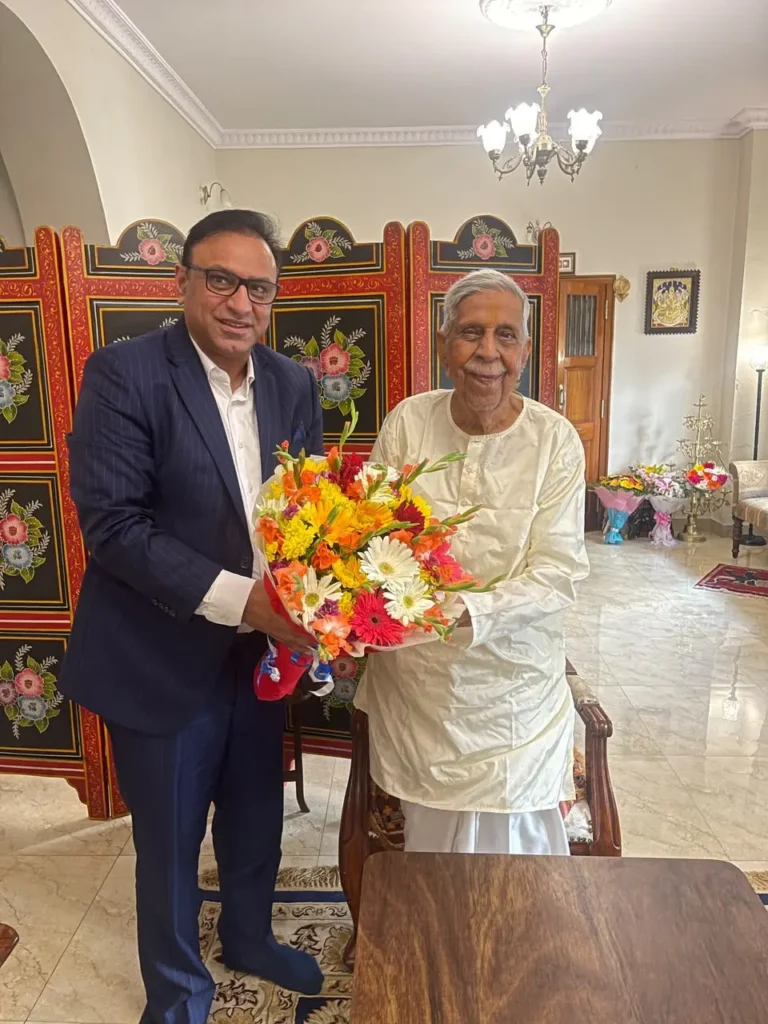
Chief Justice of India (CJI) Surya Kant met former CJI Justice M.N. Venkatachaliah in Bengaluru to extend birthday greetings to the eminent jurist on his 97th birthday, acknowledging his profound wisdom, distinguished judicial legacy and enduring commitment to mentoring the younger generation. Justice Venkatachaliah, who turned 97 on October 25, 2026, served as the 25th [] The post CJI Surya Kant greets jurist M.N. Venkatachaliah on 97th birthday, SCBA President Pradeep Rai presents bouquet appeared first on India Legal .
Jamnagar at the centre of a New Oil Order
As Washington tightens pressure on Russian energy, it is discovering an inconvenient reality: global fuel markets cannot afford disruption. At the heart of that equation sits Jamnagar, India's refining giant and one of the world's most important energy hubs. Marco Rubio's visit was not merely a refinery tour. It was a signal that the next phase of energy geopolitics will be driven as much by supply security as by sanctions.
Donald Trump-backed Flavio Bolsonaro Loses Brazil Election As Lula Wins Fourth Term
U.S. President Donald Trump-backed candidate Flavio Bolsonaro lost Brazils presidential runoff to incumbent Luiz Inacio Lula da Silva, who secured another four-year term after a comeback victory, official results showed Sunday, October 25.
Indian-American Challengers Dixit, Tandon Enter Final Stretch With Limited Campaign Cash
The financial gap between Indian-American candidates in the November 3 U.S. midterm elections is stark, with some campaigns backed by millions of dollars while two lesser-known contenders are entering the final stretch with only a few thousand dollars in cash, according to reports.
Barack Obama Attacks Vivek Ramaswamy Over Controversial Ad Featuring Amy Acton
Former President Barack Obama has criticized Republican Ohio gubernatorial candidate Vivek Ramaswamy over a campaign ad featuring his Democratic rival Amy Actons estranged mother, as the controversy threatens to hurt his chances in the November 3 election.
Retired judicial employees meet Chief Justice
Srinagar, Oct 25:A delegation of retired judicial employees has met the Chief Justice of the High Court of J&K and Ladakh and raised concerns over the delay in implementation of the recommendations of the Shetty Commission. The delegation comprising Mangat Ram Parihar, Bilal Ahmad Shah, Mohammad Abdullah Wani and Muhammad Amin Mir apprised the Chief Justice of the long-pending issues of retired judicial employees, according to a statement. The delegation has sought implementation of the Shetty Commission recommendations in accordance with applicable directions and orders, according to a statement. The delegation has expressed serious concern over the alleged delay by the Government of Jammu & Kashmir in implementing the recommendations. The Chief Justice gave the delegation a patient hearing and assured them that the concerns and pending issues raised by the retired judicial employees would be considered and efforts made to address their grievances. The delegation described the meeting as a significant development, stating that it was the first time that a delegation of retired judicial employees had been given an opportunity to meet the Chief Justice personally and present their long-pending grievances. The retired employees expressed gratitude to the Chief Justice and Principal Secretary to the Chief Justice, Haq Nawaz Zargar, for facilitating the meeting. They expressed hope that the initiative would pave the way for early resolution of their pending issues and implementation of the Shetty Commission recommendations in accordance with applicable directions and orders.
Former CJI D Y Chandrachud was more deferential to govt than needed, says Justice Kaul
Justice Sanjay Kishan Kaul has expressed concerns about how former Chief Justice D Y Chandrachud dealt with the government. He believes Chandrachud was too lenient during the process of judicial appointments, which raises worries about the independence of the judiciary. This could potentially undermine the separation between the courts and the government, according to Kaul.

A corruption scandal involving a Brazilian Supreme Court justice has shaken up the election.
85 Lakh Fake Currency Haul: Wathoda Police, Crime Branch Hunt For Absconding Tenant
Caste census key to social justice, says Bhupesh Baghel
Justice Singh calls for tech-driven policing to tackle evolving crimes
Chautala calls Hisar crime capital, slams BJP govt over rising violence
Selja targets Haryana govt over cyber crime surge, pending farmer payments
Louis, I think this is the beginning of a beautiful friendship. With these words ends the 1942 masterpiece, Casablanca, as Humphrey Bogart (as Rick Blaine) somehow makes Claude Rains (as Captain Louis Renault) find humanity, hinting at the two join the Resistance in Nazi Occupied France during World War II.