
 25 C
25 C Phys.org
Elections 2026Hyderabad / Phys.org
Stories about AI systems deceiving users, cooperating with one another or pursuing their own goals increasingly invite us to talk about them as if they had minds of their own. But do people really believe that AI is conscious? A new LMU study suggests that they draw a surprisingly sharp line between intelligent behavior and consciousness.

Electric cars are dangerous, bad for the environment and impossible to use in the outback. These are just some of the claims circulating among Australians skeptical of the switch to EVs, new research finds.

How do pedestrians react when they encounter an automated vehicle on the street? Does the interaction feel safe and comfortable, and does it make a difference whether the vehicle is operating autonomously, is driven by a human or is teleoperated from a remote location? How should an automated vehicle brake when yielding to a pedestrian?
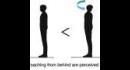
A research team from the Vision and Action Laboratory, Visual Perception and Cognition Laboratory and Cognitive Neurotechnology Unit in the Department of Computer Science and Engineering at Toyohashi University of Technology, led by associate professor Hideki Tamura, has demonstrated that, even when an object moves at the same physical speed, its approach is perceived as faster when it comes from behind than when it approaches from the front.