
 23 C
23 C Phys.org
Elections 2026Others / Phys.org

The fall of 2026 is a moment when energy takes center stage, as geopolitics unfolding far away shows up in Americans

A new study suggests that expanded financial audit reporting is having a significant impact on the behavior of multinational corporations. Specifically, the study finds that requiring more detailed analysis in financial audits appears to be curbing the corporate practice of shifting money internationally to pay less in taxes.
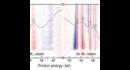
Many fascinating phases in quantum materials emerge when electrons, atoms and other microscopic components begin to act collectively. But these phases do not necessarily appear out of nowhere when a material crosses a transition temperature. Before long-range order develops, microscopic fluctuations can already be present.

Armed conflict accelerates cropland loss, and the effects can persist for years after conflict begins and vary substantially with conflict severity and social conditions, according to a new study published in Nature Food on Sept. 24.

Unethical behavior inside organizations is often less sudden than companies assume. New research from ESMT Berlin shows how employees can collectively drift into misconduct as groups gradually reshape what they perceive as ethical or acceptable.

Training in AI skills improves the chances of women from underrepresented backgrounds being invited to job interviews, but not enough to eliminate the inequalities they face in the labor market, according to a new study.

More than half of LGBTQ+ adults in Massachusetts experienced food insecurity in 2024, according to a new study published in JAMA Network Open. Researchers also found that food insecurity increased from 2022 to 2024 and remained significantly more common among LGBTQ+ adults than among non-LGBTQ+ adults.

We all make them, and we all make them at work: Mistakes on the job happen regardless of line of work, experience or gender. How employees feel about them and how they are perceived by others, however, differs. Women are more likely than men to perceive mistakes negatively

The University of Virginia has published the Global Capitalism Index (GCI), a first-in-kind data set offering unprecedented insights into the globe

The postpandemic push to bring workers back to the office has left many nostalgic for more flexible arrangements, such as hybrid or remote work.

Employment increases when firms adopt AI, with more people recruited to senior roles at the expense of junior roles, according to a study from King

When organizations undergo major shifts, such as restructuring or adopting new working systems, employees often face uncertainty about how to understand and respond to those changes.

Young adults following physicians on TikTok consider them more accessible, credible and altruistic than their own doctors, even when the physician-influencers are selling products. Moreover, the followers haven

Research involving Durham University Business School reveals how retailers target customers most likely to spend more. Shoppers who take a more carefree approach to spending are more likely to receive personalized discount codes from retailers, according to the research.

Imagine two candidates with identical qualifications interviewing for the same job. One arrives carrying a bottle of water, while the other walks in with an iced coffee. Should that difference matter?

Although digital platforms make it possible to sell the same product globally, prices often vary across countries because of differences in purchasing power, currencies, taxation and other market conditions. At the same time, the transparency of online prices enables consumers to compare prices across regions easily. Companies therefore must balance local affordability with the need to avoid excessive international price differences.