Tariffs, H-1B and Pakistan tensions make 2025 a turbulent year for India-US ties
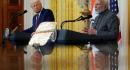
Bilateral ties between India and the United States saw sharp swings in 2025, as trade disputes, immigration curbs and geopolitical frictions tested the relationship in ways not seen for decades. Punitive and retaliatory tariffs , US claims of mediating tensions between India and Pakistan, and tougher immigration policies -- including mass deportation of Indian nations and curbs on H-1B visas -- strained ties, even as both sides sought to preserve the broader strategic partnership. Yet the year also produced notable highs. Prime Minister Narendra Modis visit to the United States and his meeting with President Donald Trump, along with the signing of a 10-year defence cooperation framework , were widely viewed as stabilising moments in an otherwise uneven relationship. The year began on a positive note with Modi travelling to Washington in February for his first bilateral meeting with Trump since the US presidents return to office. Modi was only the fourth foreign leader to be received by Trump within weeks of his inauguration as the 47th president, after the leaders of Israel, Japan and Jordan. The meeting underscored the strategic importance both countries attach to their partnership. Trump and Modi announced plans to negotiate the first phase of a multi-sector Bilateral Trade Agreement (BTA) by the autumn of 2025, with the aim of more than doubling bilateral trade to $500 billion by 2030. A month earlier, External Affairs Minister S Jaishankar sat in the front row inside the US Capitol Rotunda when he attended Trump's inauguration on January 21, representing the Government of India. Hours later, the newly sworn-in Secretary of State Marco Rubio hosted Jaishankar , Japan's Minister for Foreign Affairs, Takeshi Iwaya and Australian Foreign Minister Penny Wong for the first Quad Foreign Ministers' Meeting of the new Trump administration. However, as the months wore on, momentum in the relationship slowed amid growing differences over tariffs and trade. Trump launched global tariff wars in 2025. Heres a recap of his trade actions this year Tariffs and ceasefire In his address to the Joint Session of Congress, Trump criticised India and other countries for the high tariffs they charged on American products, the first of the many statements he made over the course of the year slamming the high levies imposed by India. While Trump described India as a very high tariff nation, members of his administration too did not hold back in their criticism, with his trade adviser Peter Navarro calling India the Maharaja of tariffs. On April 2, which Trump proclaimed as 'Liberation Day', he slapped reciprocal tariffs on countries around the world and announced a 26% discounted reciprocal tariff on New Delhi, which the US president claimed was half of the 52% levies imposed by India on American goods. However, Trump announced on various occasions that a trade deal with India would happen soon. The two nations made significant progress towards a mutually beneficial bilateral trade pact when US Vice President JD Vance visited India and held wide-ranging talks with PM Modi. Vance and Modi announced the Terms of Reference for the bilateral trade agreement between the US and India. It was around the time that Vance was in India that a horrific terror attack took place on April 22 in Pahalgam perpetrated by The Resistance Front, a proxy of Pakistan-based terror group Lashkar-e-Taiba, in which 26 civilians were killed. In retaliation, India launched Operation Sindoor , targeting terror infrastructure in Pakistan and Pakistan-occupied Kashmir. On May 10, the fourth day of the conflict, Trump suddenly announced on his Truth Social page that the US had brokered a ceasefire between India and Pakistan. And since May 10, Trump has now repeated the claim more than 70 times that he solved the conflict between India and Pakistan and that he used trade to bring the fighting to an end. In June, Modi and Trump were scheduled to meet on the sidelines of the G7 Leaders' Summit in Kananaskis, Canada, but Trump returned to Washington early. The two leaders, however, spoke on June 17, a 35-minute phone call. Foreign Secretary Vikram Misri said that Modi clearly conveyed to Trump that at o point during the days following Operation Sindoor was there any discussion, at any level, on an India-US Trade Deal, or any proposal for a mediation by the US between India and Pakistan. Trump has been critical of India's purchases of Russian oil and, in August, imposed an additional 25% levy on Indian imports, bringing the total tariffs imposed on India to 50% , among the highest in the world. US lawmakers have condemned the tariffs imposed by Trump on India, with Indian-American Congressman Raja Krishnamoorthi saying the levies place an unnecessary strain on Washington's relationship with Delhi. Indian state-backed refinery halts Russian oil amid growing US pressure Mass deportations and H-1B crackdown After Trump took office in January, his administration launched a wide-ranging immigration crackdown, including large-scale deportations of foreign nationals. More than 3,200 Indian nationals were deported, many of whom were reportedly handcuffed and shackled during their journeys. The Trump administration has also intensified its crackdown on immigration, both legal and illegal, imposing new and stringent restrictions on visas such as H-1B , which are used by a large number of Indian professionals to live and work in the US. Describing abuse of the H-1B programme as a national security threat, Trump signed a proclamation imposing a USD 100,000 fee on new H-1B visas, a move that caused widespread panic, confusion and concern among Indian professionals. Later, Trump also appeared to defend the H-1B visa programme, saying America has to bring in talent from around the world as it does not have certain talents in the country. Even as Washington and New Delhi dealt with these complications, there were areas of cooperation between the two sides that stood out this year. Highlighting the strong counter-terrorism cooperation, the US extradited Tahawwur Hussain Rana to India to face justice for his role in planning the 2008 Mumbai terror attacks. Further, the US designated The Resistance Front as a foreign terrorist organisation . The two countries also signed a 10-year defence framework pact in October as a signal of growing bilateral strategic ties even as Washington vowed to work closely with New Delhi to ensure a free and open Indo-Pacific. Defence Minister Rajnath Singh and US Secretary of War Pete Hegseth signed the framework agreement for the 'US-India major defence partnership' pact following their wide-ranging talks in Kuala Lumpur amid efforts by the two sides to repair ties. Despite challenges in bilateral ties, conversations between Trump and Modi underline the strategic importance of the relationship. Modi recently said he had a very warm and engaging conversation with Trump, and they reviewed the progress in bilateral relations and discussed regional and international developments. India and the US will continue to work together for global peace, stability and prosperity, Modi said. Trump, who has described Modi as a great friend of mine and a great Prime Minister, has indicated he could travel to India next year. There is bipartisan consensus in Washington over the strategic and geopolitical importance of strong India-US ties. (With inputs from PTI, AFP and ANI) Trump says he may visit India next year as talks with Modi going good

 10 C
10 C