Maharashtra debt moves up from Rs 7.8L cr to 9.3L cr this year
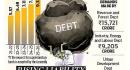
MUMBAI: With continuous high-interest borrowing and the tabling of over additional Rs 75,000 crore supplementary demands in the ongoing Maharashtra Assembly, the cumulative debt burden of Maharashtra is projected to go up from Rs 7.82 lakh crore in 202425 to Rs 9.32 lakh crore by the end of the current financial year. If approved, the debt burden of Maharashtra would go up by a substantial Rs 1.5 lakh crore. This significant jump will also increase the per capita debit on Maharashtrians. Each citizen in the state will now carry an average debt burden of Rs 82,000. The tabling of the supplementary demand Rs 75,000 crore has not only increased the cumulative state debt, it has also increased its total budget quantum from Rs 7,50,000 crore to Rs 8,90,000 crore for 202526. The oppositions has strongly criticised the Maharashtra government for losing out on the growth trajectory to other states and the burgeoning debt burden. Senior Congress leader and MLC Satej Patil has alleged that there is a mismatch between the states earnings and expenditures. I am surprised at the continuous tabling of supplementary demands. The government tables new supplementary demands in each assembly session, which shows that there is no proper planning. Supplementary demands are meant for emergency expenditure that occurs due to natural and other calamities, but it has become a norm in Maharashtra, Patil said. He added that, for the first time, the state was facing a resource crunch and not able to pay to contractors, who threatened to commit suicide due to non-payment of dues. The Opposition says the financial situation in the state is ironical as some departments have not been able to spend their allocated budget, while others are seeking fresh grants. NCP(SP) MLA Jitendra Ahwad said, There are only three months left for the new financial year to begin. How will the government spend the fresh funds it is seeking? On the one hand, departments are not able to spend the allocated money, and, other hand, they continue to make create fresh provisions.

 19 C
19 C