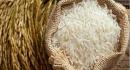
Indian basmati exporters reject US charge of 'dumping', demand strong response from Centre
CHANDIGARH: In response to US President Donald Trump describing Indian rice shipments as 'dumping' and suggesting that new tariffs could be considered, basmati exporters said a false narrative is being spread and demanded a strong response from the Union government. They noted that the Union government does not give even a single rupee of subsidy for growing, buying, milling or exporting basmati rice or even premium non-basmati rice like Sona Masuri. The issue came up two days ago in a meeting that US farmer groups had with President Donald Trump. Some of the groups alleged that Indian rice is 'cheap' because the Indian government subsidises it. They also said India is breaking WTO rules. Trump questioned why India is allowed to send large volumes of rice to the US without facing additional duties. Talking to The New Indian Express , Satish Goel, President of the Basmati Rice Millers and Exporters Association, said Indian basmati is a premium rice and is sold in the US at between $2,200 to 2,500 per tonne, while the rice grown locally by farmers there is sold for just $1,100 per tonne. There is no subsidy at any stage for basmati rice not for farming, not for purchase, not for milling, and not for export. Also, the small interest benefit that exporters used to get earlier was removed on January 1, this year. Today, there is no government financial support for basmati farmers, millers or exporters, he added. Ranjit Singh Jossan, governing member of the association, explained that MSP (Minimum Support Price) applies only to non-basmati paddy, which India does not export to the US. Rice bought under MSP is used in Indias welfare schemes and is often sold at a higher rate in world markets than rice from Pakistan, Thailand, Vietnam or Myanmar. India mainly exports basmati to the US. It is a high-quality, premium product grown by private farmers and sold through open market competition. Even Sona Masuri, a premium non-basmati rice exported in small quantity, does not get any subsidy, he said. Jossan said that calling Indian rice subsidized is not only wrong but also a planned move to influence US trade policy. Exporters fear more losses due to US tariffs. Since September 2025, the US has been charging 50 per cent tariff on Indian rice. Because of this, Indias exports to the US have dropped by almost half, he said. Jossan warned that if the remaining 2.53 lakh tones of basmati export is also stopped due to new rules or higher tariffs, it will hit the Indian market badly. Prices inside India may fall, and exporters may suffer huge losses on shipments already on the way. Though the US takes only a small share of Indias total basmati exports, it is a premium and important market. We fear that if this false claim spreads, other countries may also believe it. If we do not stop this lie now, it may reach Europe and other major markets, Jossan said. The wrong message must be stopped immediately. A top US delegation is visiting India to discuss tariffs, including the one on rice. Before this meeting, AIREA is working with the commerce ministry to firmly explain that MSP applies only to rice that is not exported to the US. This is the right time to act. If the false story about subsidised Indian rice continues, it can harm Indias long-term trade. As India prepares for important talks with the US, we hope the Union government will give a strong and clear reply to protect Indias basmati industry from wrong allegations and heavy tariff pressure, he added. Exporters are also demanding the removal of the unfair 50 per cent tariff on basmati, which they said hurts both Indian exporters and American buyers.

 13 C
13 C