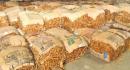
Holy city tag puts meat, alcohol, tobacco traders in Amritsars walled city at risk
CHANDIGARH: The ban on meat, alcohol and tobacco shops in the walled city of Amritsar, following its notification as a holy city by the AAP-led Punjab government, has put the livelihoods of hundreds of families at risk, casting uncertainty over generations-old businesses. The notification, issued to preserve the sanctity of the area surrounding the Golden Temple, has resulted in around 150 establishments selling meat, fish, alcohol and tobacco being allegedly forced to shut down. Traders and shopkeepers have raised strong objections, saying they were neither given adequate notice nor provided with alternative arrangements. The affected shopkeepers and vendors have decided to meet the Amritsar Deputy Commissioner, the Municipal Corporation Commissioner and the Mayor, and submit a memorandum highlighting their concerns. They held a meeting at Gol Bagh on Friday, during which they argued that instead of covering the entire walled city, the government should have restricted the ban to areas immediately surrounding the Golden Temple and Durgiana Mandir. While stating that they have no objection to the walled city being declared a holy city, Gurjeet Singh, a third-generation owner of Gurjeet Fish Company, said the decision threatens the existence of Punjabs oldest wholesale fish market. There are three major fish markets in Punjab, in Amritsar, Jalandhar and Ludhiana. Here in Amritsar, we have 14 commission agents (artiyas) in the wholesale fish market, which has existed for the last 70 years. We procure fish from Vietnam, Himachal Pradesh and other places, and sell it across the state. Our fish even goes to Srinagar, he said. Singh said they have already met the Mayor and will now meet the Deputy Commissioner. Our demand is simple. The fish season is starting from January and runs till April. Until then, we should not be relocated. After that, the government should provide all 14 of us a suitable place together within Amritsar, and not far away, as the market functions collectively, he added. Rajinder Kumar, a fourth-generation fish trader, claimed that there are 18 suppliers, with each shop employing several workers. This was the first wholesale fish market of the state and even today supplies fish across Punjab. With this order, generations of business are affected, he said. We respect the governments decision to maintain the sanctity and holiness of the city, but our concerns must be addressed. Our businesses will be shut and we have not been given adequate time to shift, nor have we been allotted any place to relocate, said another shopkeeper, Saranjit Singh. Amritsar Hotel and Restaurant Association president AK Chattha said that meat, fish and tobacco shop owners operating within the walled city would be severely affected by the ban. A survey conducted by the Amritsar Municipal Corporation has identified around 150 shops and street vendors that are to be removed from the walled city following the notification. Senior Punjab BJP leader Rajinder Mohan Singh Chinna said the decision to grant holy city status to the walled city of Amritsar was not new, noting that a previous SAD-BJP government had taken a similar step. The fish market operating in the walled city should first have been shifted and relocated after being provided a proper place by the government. Only then should this decision have been implemented. Now the question is, where will they go, he said. Calling the notification historic but long overdue, Punjab BJP leader and former bureaucrat Jagmohan Singh Raju wrote to Punjab Chief Minister Bhagwant Mann, demanding a comprehensive rehabilitation policy for shopkeepers, vendors and workers affected by the prohibition. Declaring the walled city of Amritsar as a holy city is a historic step, but it must be implemented with foresight. Sanctity cannot come at the cost of livelihoods. The Chief Minister must direct the administration to immediately identify and survey the affected persons and establishments, provide alternative business sites or zones, and extend financial assistance, compensation or livelihood support during the transition period. Rehabilitation is not a concession; it is a responsibility, he wrote. The ban has also sparked a wider debate. Shiromani Gurdwara Parbandhak Committee (SGPC) member Kiranjot Kaur said that jhatka meat is a right under Sikh tradition. Tobacco and kutha (halal) remain prohibited in Sikhism, but jhatka aligns with the Gurus hunting traditions. There should not be any ban on meat shops, she wrote in a Facebook post. Meanwhile, a senior Punjab AAP leader said the state government would ensure proper rehabilitation. Those whose businesses have been affected will be provided alternative arrangements in a phased and planned manner. The local administration will consult those affected and work out the best possible and mutually acceptable solution to ensure livelihoods are not affected, the leader said. Punjab Chief Minister Bhagwant Singh Mann had announced on Sunday that the state government had issued a notification granting holy city status to the walled city of Amritsar, Talwandi Sabo and Anandpur Sahib.

 10 C
10 C