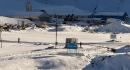
Asias longest Zojila tunnel set to achieve breakthrough by mid-2026 as workers defy extreme cold
SRINAGAR: The strategically important 13.150-kilometre-long Zojila Tunnel, which is Asias longest highway tunnel at high altitude and will provide all-weather connectivity between the Union Territories of Jammu and Kashmir and Ladakh, is expected to achieve a crucial breakthrough by AprilMay 2026. Workers and engineers engaged in construction are pushing ahead with one of Indias most challenging infrastructure projects, braving extreme cold, heavy snowfall and avalanche threats. Built at an estimated cost of Rs 2,600 crore, the Zojila Tunnel project is being executed by Hyderabad-based Megha Engineering and Infrastructures Limited (MEIL). The tunnel is a 7.57-metre-high, horseshoe-shaped, single-tube, two-lane tunnel that will pass under the Zojila Pass in the Himalayas between Ganderbal in central Kashmir and Drass town in Ladakhs Kargil district. Once completed, the tunnel will eliminate the seasonal isolation of Ladakh caused by the prolonged winter closure of the Zojila Pass, which remains inaccessible for several months each year due to heavy snowfall and extreme weather conditions. It will ensure all-weather connectivity and uninterrupted movement of civilian and military personnel between the two Union Territories. The tunnel will also facilitate the movement of heavy military hardware and equipment to Ladakh, which borders Pakistan and China. Harpal Singh, Joint Chief Operating Officer (CEO) of MEIL, said the excavation work on the BaltalZojila main tunnel has reached an advanced stage. Of the total length of 13.25 km, excavation work on 12 km of tunnel has been completed, with just about one kilometre of excavation remaining, he said. The tunnelling work is progressing simultaneously from two endsBaltal in Kashmir and Minamarg on the Ladakh side, using a two-way working front strategy to speed up construction. We are confident of achieving the critical breakthrough between April and May next year, Singh said. Despite harsh winter conditions, engineers and workers continue construction work with determination. Winter temperatures at the site often plunge to minus 18 degrees Celsius at night, while daytime temperatures remain below freezing. The region is also prone to avalanches, making construction during winter months particularly challenging. The challenges are many, complex geology, water ingress and extreme cold, but our focus is on zero risk and maximum safety, Singh said. With the pace of work and the systems in place, we are confident of meeting our targets. We are confident that by May 2026, the tunnel will be fully connected from both sides. After the breakthrough, work will accelerate on eight to 10 additional fronts focusing on finishing, lining and safety installations, Singh said. If no major unforeseen problems arise, the tunnel is expected to be completed between May and September 2028. The project was awarded to MEIL in October 2020 and work began in April 2021. At present, around 1,200 engineers, technicians, mechanics and labourers are engaged in the project. To support them during the severe winter months, extensive arrangements have been put in place. Labour camps are equipped with round-the-clock electricity, hot water and heating facilities. Heated cabins have been installed near work sites to provide shelter to workers during operations, and all machinery is fitted with electronic heaters for the warmth of workers to ensure efficient functioning in sub-zero temperatures, Singh said. The Zojila Tunnel is being built using the latest international technologies and safety standards. The tunnel design has been prepared by experts from Spain and incorporates best practices followed in Europe, North America and other advanced tunnelling regions. According to a MEIL official, all international safety norms have been strictly integrated into the project, ensuring zero compromise on safety despite complex geology, water ingress issues and tunnel collapse risks. Once operational, the tunnel will have two-lane traffic and a dedicated 1.5-metre-wide walkway for maintenance and emergency crews. After every 750 metres, a 40-metre-long widened section has been provided to allow vehicles to be moved aside during breakdowns or emergencies. Advanced fire safety systems, including automatic fire detection and suppression mechanisms, will be installed throughout the tunnel. The tunnel will also have extensive snow protection infrastructure, including catch dams, air blasts, protection walls and deflector dams, over a distance of six kilometres to protect against snowstorms. Once completed, the Zojila Tunnel will significantly reduce travel time between Srinagar and Leh by approximately three-and-a-half hours, boost tourism, improve the supply of essential goods, benefit local communities and enhance Indias strategic and military mobility in the sensitive border region.

 10 C
10 C