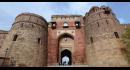
ASI plans expansion of the gallery of confiscated and retrieved antiquities at Purana Qila
NEW DELHI: The Archaeological Survey of India (ASI) is working on an expansion plan for the countrys first Gallery of Confiscated and Retrieved Antiquities, established at Purana Qila in 2019. The proposal envisages adding more antiquities to the collection on display, though access to the new additions will be restricted to research scholars. In addition to it, a dedicated online portal is being planned to host detailed information and photographs of the artefacts, making the collection accessible to heritage enthusiasts, students and researchers. According to officials, as part of the expansion, more space is being made available for the display of retrieved heritage objects for their safer and better display. New strategy: Centre ropes in heritage architects for upkeep of ASI monuments We are undertaking an expansion of the gallery and further enriching its collection. The antiquities will be relocated to a safer and more appropriate site within the Purana Qila complex, allowing for improved exhibition conditions. However, access will remain restricted to researchers and not the general public. The expansion will also create additional display space, showcasing artefacts confiscated within the country as well as those retrieved from abroad, said officials. The Gallery of Confiscated and Retrieved Antiquities is located in the arched cells of Purana Qila next to the museum. The idea behind setting up this exhibition was to sensitise the visitors about the illegal trade of precious heritage items and regulations for retrieving them. The exhibits belong to the Central Antiquity Collection (CAC), also located in Purana Qila, which was created to house the antiquities discovered during exploration and excavation by the ASI. ASI begins documentation of archaeological remains, scientific study of antiquities at Gujarats Dwarka It also comprises antiquities, which were retrieved and confiscated with the help of the Ministry of External Affairs and various law-enforcing agencies, including the Police, the Central Bureau of Investigation (CBI), Directorate of Revenue Intelligence and Customs officials. About 2.70 lakh antiquities are in the CAC, including nearly 4,500 confiscated objects. About 655 antiquities repatriated from foreign countries in recent years, including metal, stone and terracotta idols, will also be housed in the gallery. Information on these retrieved objects will be made available to the public through official websites after verification, detailed documentation and proper photography. Work on the proposal is currently underway, said officials. At present, there are 198 confiscated and retrieved antiquities from the ancient to modern period on display at the gallery. The display includes stone and metal sculptures, coins, paintings, ivory and copper artefacts, and architectural panels ranging from the proto-historic to the modern period and affiliated to different provenances.