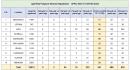
341 minor pregnancies recorded in Gujarat's Mehsana between April and December 2025
AHMEDABAD: A recent survey by the Gujarat Health Department has revealed that, in district of Mehsana alone, 341 minor girls aged 13-17 have become pregnant in the past year between April and December. Female health workers, while compiling maternal health data, stumbled upon one case after another girls barely in their teens already carrying the burden of motherhood. In-charge District Health Officer Dr. Ghanshyam Gadhvi, speaking with stark clarity, laid out the disturbing numbers. Between April and December 2025, 22,812 pregnant women were registered in the district. Among them were girls, 2 aged 14, 34 aged 15, 76 aged 16, and 229 aged 17. That makes 341 minor pregnancies, he said. Kadi leads the list with 88 pregnant minors, followed closely by Mehsana taluka with 80. The chain extends across Bahucharaji (17), Jotana (16), Kheralu (19), Satlasana (23), Vadnagar (24), Unjha (20), Vijapur (28), and Visnagar (26). On paper, Gujarat has the Child Marriage Prohibition Act in place. Enforcement agencies and the Child Protection Unit are tasked with preventing these marriages. On ground, however, the law stands mocked, its spirit eroded by the sheer volume of violations. Despite state-level monitoring of maternal health data, the Mehsana statistics reveal that no preventive mechanism is working. The consequences are not merely legal; they are grave and life-threatening. Early pregnancies put both mother and child at extreme medical risk. After the pandemic lockdown, Mehsanas high child and maternal mortality rates drew national attention. The Health Department responded with specialised projects aimed at reducing these deaths. Yet the surge in underage pregnancies now threatens to undo years of health interventions, pushing vulnerable girls back into cycles of risk and invisibility. If such a crisis is unfolding in Mehsana the states symbol of literacy and administrative strength the question becomes unavoidable: what horrors remain hidden in Gujarats tribal, remote, or unmonitored districts?

 19 C
19 C