SENSEX
NIFTY
GOLD
USD/INR

Weather

image 18    C

Sports News

Yahoo

Sports / Yahoo

details

A suspected Chinese spy had access to Nvidia's CEO. Trump found out and didn't act.

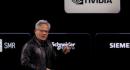
Jensen Huang, CEO of NVIDIA (Sean Gallup/Getty Images) A Chinese executive suspected of helping Beijing obtain restricted American artificial intelligence chips also developed a close relationship with Nvidia CEO Jensen Huang, raising concerns that China could gain sensitive information through her access to the technology leader. U.S. intelligence agencies concluded that the executive, Alice Huang, was gathering information for Beijing, The New York Times reported on Thursday. President Donald Trump was briefed on the findings roughly a year ago but chose not to act, according to people familiar with the classified intelligence. The discovery brought together two concerns for Washington: China's efforts to acquire advanced American chips and its potential access to the head of the company producing them. Nvidia's chips power sophisticated AI systems, making the company central to the technology competition between the United States and China. Washington has restricted exports of advanced chips to prevent Beijing from acquiring computing power that could help it match or surpass U.S. capabilities. Nvidia defended its chief executive's dealings with Alice Huang and said customers do not receive sensitive company information. Jensen's interactions with Ms. Huang are not unusual or unexpected. Meetings with customers are part of a C.E.O.'s job; Jensen talks with thousands of customer executives every year, company spokesperson John Rizzo told the Times. Alice Huang, also known as Huang Le, is a Chinese citizen who became a senior executive at Megaspeed, a Singapore-based data center company and Nvidia customer. Toward the end of the Biden administration, the Commerce Department began investigating suspicions that Megaspeed was helping China circumvent U.S. restrictions on access to Nvidia's computing technology, the Times reported. Nvidia said its own investigation found no evidence that Megaspeed was smuggling chips. Surveillance of Alice Huang subsequently led U.S. officials to conclude she was providing information to Beijing. Her relationship with Jensen Huang raised questions about whether she could obtain sensitive information about Nvidia or Trump's thinking on chip exports, according to the report. Jensen Huang has become an influential advocate for easing restrictions on chip sales to China. Trump was wary of disrupting sales that help drive the economy and stock market or further complicating trade relations with Beijing, the Times reported. When Trump was initially briefed, officials did not believe Jensen Huang knew Alice Huang was gathering intelligence for China. The Times said it was unclear whether intelligence agencies had since changed that assessment. Jensen Huang has not received a defensive briefing, a warning sometimes given to Americans targeted by foreign intelligence services. Such warnings can risk alerting a surveillance target, although the Times could not determine whether that concern explained the decision in this case. Rizzo said Nvidia was confident the government would notify the company if it believed someone posed a threat to American industry. Megaspeed said it retained outside counsel to investigate the allegations and informed the U.S. government that it would cooperate. Alice Huang did not respond to requests for comment, and her current role at the company remains unclear. The White House, CIA, and National Security Agency declined to comment. Chinese Embassy spokesperson Liu Chang accused the United States of pursuing groundless smears and slanders. 2026 Newsmax. All rights reserved.This article originally appeared on Newsmax at https://www.newsmax.com/World/globaltalk/china-nvidia-artificial-intelligence/2026/10/29/id/1274421

29 Oct 2026 6:01 pm