With fewer stops and higher earnings, KSRTC premium fleet drives revenue
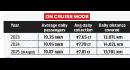
THIRUVANANTHAPURAM: KSRTC has shifted into high gear with its premier revenue earners, particularly the new premium superfast AC services that stop at fewer stations and generate higher earnings per kilometre (EPKM). Despite operating on fewer routes, the premium services have significantly boosted collections. KSRTC recorded its highest-ever single-day revenue of Rs 11.53 crore on December 15, nearly Rs 3 crore more than last year. Transport Minister K B Ganesh Kumar attributed the rise to improved operational efficiency, highlighting the strong performance of premium services. Though premium AC buses account for a small share of the fleet -- only 60 are currently in service -- they contribute disproportionately due to higher fares and strong demand. The fleet is set to expand further, with 120 new buses to be inducted soon. While KSRTC has not implemented a general fare hike, premium superfast services levy a 5% surcharge over regular superfast buses. To make the service more attractive, running time has been reduced and passenger amenities improved. Compared to regular superfast services, the number of stops has been cut by more than half. On National Highways, stops were reduced from 107 to 44, while on MC Road they came down from 108 to 46. Fewer stops have also helped cut fuel costs. According to official estimates, each bus station visit consumes 3-4 litres of diesel. Services such as the Lightning Express, which stop at only one location per district, have emerged as major revenue earners. These measures have reflected positively on EPKM. Before the Covid pandemic, KSRTCs EPKM stood at Rs 38.56. By August 2025, it had risen to Rs 49.58. To further improve earnings, KSRTC has reduced idle buses in garages and reviewed operations on less profitable routes. Services covering nearly 50,000km were modified to enhance revenue, while an additional 36,000km were discontinued. All 93 depots have been assigned revenue targets, which are closely monitored by the chairman and managing director, an official said. Further optimisation is planned with the rollout of an AI-powered schedule management system next year. Payroll, HRMS and fuel ERP systems will be integrated with the new platform. Launched a year ago, the premium superfast AC services have proven profitable, earning daily profits of around Rs 10,000 per bus. Encouraged by the response, KSRTC has steadily increased the fleet from an initial 10 buses to plans for nearly 200. The services currently operate on the Thiruvananthapuram-Kozhikode and Thiruvananthapuram-Palakkad routes. KSRTC has also added fast passenger, superfast, fast passenger link, sleeper and seater-cum-sleeper services to its fleet.

 21 C
21 C