Resistance and reset of Iranian cinema
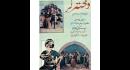
As the International Film Festival of Kerala (IFFK) this year wakes up to protests over 19 films being stopped from screening, another form of protest comes to mind. The year was 2022, the 27th IFFK, whenIranianfilmmaker Mahnaz Mohammadi was conferred the Spirit of Cinema award. Mahnaz could not attend, having been banned from travelling by her government. Instead, she sent a tuft of her hair, which was displayed on the IFFK stage as a friend accepted the award on her behalf. Back inIran, women were chopping off their hair and burning hijabs to protest the killing of 22-year-old Mahsa Amini for allegedly flouting dress code. Iran's first sound feature film 'A Lor Girl'. The controversial but globally acclaimed movie by Mohammad Rasoulof, chairman of IFFK2025 International Competition jury, that forced him to flee Iran. Iraniancinema has long breathed free, maintained a spirit of resistance. For film buffs in Kerala, this resistance has been textbook material on how resilience can be articulated through poignant storytelling. From masters like Majid Majidi and Abbas Kiarostami to contemporary veterans such as Asghar Farhadi, Mohammad Rasoulof and Jafar Panahi, Malayalis have absorbed it all. The IFFK has reflected this affinity by showcasingIranianfilms across packages and honouring filmmakers, including Indian films made as tributes to the genre Sreemayi Singhs And, Towards Happy Alleys featured at the 2023 edition. India has had ties withIraniancinema right from the start of filmmaking in the country. Work onIrans first sound feature film A Lor Girl was done at Imperial Studio in Mumbai, says Pourya Kakavand, whose film The Daughter is being screened at IFFK this year in the World Cinema section. Later, most of the technical work forIranianfilms was done in Mumbai studios. Later, Imperial Studio opened a branch in Tehran. This yearsIranianselection is sparse: Jafar Panahis It Was Just an Accident features in the Festival Favourite package, while Shahram Mokris Black Rabbit, White Rabbit is in the International Competition segment. OtherIranianfilms appear in retrospective packages. The Suvarna Chakoram winners section includes Mania Akbaris 10+4 (2007), Asghar Farhadis About Elly (2009) and Majid Barzegars Parviz (2012), while Dariush Mehrjuis Leila is part of the Lifetime Achievement awardee package. Pourya Kakavand's 'The Daughter', which was screened at IFFK 2025. Majid Majidi's 'Muhammad: 'The Messenger of God' ascribed to Iranian government's norms. Pourya explains thatIranhas three kinds of filmmakers now: the ones who make cinema living inIran, the ones who make films onIranwhile living outside the country, and the ones who make movies on subjects other thanIran. Changing governments have alteredIraniancinema, notes Pourya. It is more restrained now, with several curbs in line with the regimes ideologies. Yet, one must remember that the golden period of filmmakers like Mehrjui and Abbas Kiarostami was in the post-Pahlavi era after the 1979 Islamic Revolution. The present phase, he adds, is marked by indirect rather than overt suppression. Shahram echoes this assessment. Governments tend to move back and forth between strictness and leniency, he observes. The current situation is not fundamentally different from the Ahmadinejad era. The House of Cinema, for instance, is officially open today. However, it is no longer an influential institution. It cannot improve the working conditions of filmmakers. Asghar Farhadi's 'About Elly', also part of IFFK 2025. Mohsen Makhmalbaf's 'The Gardener' that faced curbs. External collaborations, filmmakers say, are driven by creative, technical and financial pressures, forcing directors like Farhadi and Mohsen Makhmalbaf to work outsideIran. Some films unsettled the powers back home. For instance, the government wanted theIranianFilm Museum to remove all of Makhmalbafs films after he made The Gardener. His crime: portraying the Bahai faith (taboo for hardliners) and travelling to Israel for the film, says a buddingIranianfilmmaker, who prefers not to be named. Notably, this years IFFK International Competition jury chairman, Mohammad Rasoulof, faced a similar ordeal. He received an eight-year jail sentence along with flogging, a fine and confiscation of property for making The Seed of the Sacred Fig, based on the 2022 protests inIran. Rasoulof fledIran 28 days on foot before finding refuge in Germany, where he had lived earlier. Later, he walked the red carpet at Cannes, where a special award awaited him. When the going gets tough, the tough get going, the young filmmaker adds. Similarly, Panahis Taxi won the Golden Bear at the 65th Berlin International Film Festival. Then, of course, there are filmmakers like Majidi, who remain within the curbs. His 2015 epic Muhammad: The Messenger of God adhered to religious norms. 'Black Rabbit, White Rabbit' by Shahram Mokri, shown at IFFK 2025. Shahram, meanwhile, feels many now alignIraniancinema with global idioms. But audiences still respond strongly to the nostalgic image ofIraniancinema as theme-driven, simple and emotionally pure. The newer path has not yet produced filmmakers who can redefine that image, he says. Technological shifts have also reshaped filmmaking. Todays viewer wants films broken into short clips for social media. This approach is influencing filmmakers too. I believe countries in the southern Persian Gulf will play an increasingly influential role in shaping Middle Eastern cinema. Pourya, however, asserts thatIraniancinema will continue to speak out, though its tone may vary. It has battled many storms. It will continue to rise, and rage when needed, despite the odds, he says.

 11 C
11 C