Kerala govt hospitals lag in deceased organ donation
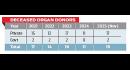
THIRUVANANTHAPURAM: The state government has been actively encouraging cadaveric organ donation to help save lives. However, when it comes to identifying brain-dead patients and persuading bereaved families to donate the organs of their loved ones, the states own hospitals are trailing private transplant centres by miles. In the past five years, where private hospitals identified around 20 deceased donors a year, government hospitals across Kerala could together manage just two. Lack of coordination in public institutions has slowed things further. In all, Kerala has 64 transplant centres, including major government facilities at Thiruvananthapuram, Alappuzha, Kottayam, Kozhikode and the Ernakulam General Hospital. Since 2012, government hospitals have recorded just 58 donations out of 339 statewide. To improve coordination, the Directorate of Medical Education (DME) appointed nodal and assistant nodal officers in southern, central and northern regions to screen potential donors in ICUs and facilitate cadaver donations. However, the situation has not improved. This year, public centres carried out 16 of the 62 transplant surgeries but converted only two cadaver donations out of 19. The higher number of organ donations in private hospitals creates the impression that brain deaths occur only there. However, patients die on ventilators in government medical colleges, too. If brain death is certified and communicated properly, more lives can be saved. We are yet to build such a system, said a senior officer with the DME. To address the gap, the health department has designated the Kerala State Organ and Tissue Transplant Organization (K-SOTTO) as the sole authority for both deceased and living donor programmes. By bringing all public transplant units under K-SOTTO, the government aims to improve efficiency, strengthen coordination and build public trust. Under the new unified command system, organ donation activities will be streamlined and made more transparent. All units are now under the administrative, functional and financial control of K-SOTTOs executive director. Transplant coordinators can also be assigned duties beyond their zonal jurisdiction during emergencies or special circumstances. Clash over poor performance Mohan Das M K, professor of Nephrology at Thiruvananthapuram Government Medical College, publicly criticised the functioning of K-SOTTO and announced his resignation as nodal officer for the southern region, alleging failure in the cadaver donation programme. In response, Dr Noble Gracious S S, the K-SOTTO executive director, accused Das of neglecting his duty to promote organ donation, noting that only one cadaver donation was facilitated at the Thiruvananthapuram GMC in two years. He said disciplinary action had been initiated against Das for failing to perform his responsibilities and for portraying K-SOTTO in a negative light. Donors identified by hosps in 2025 Thiruvananthapuram MCH: 1 Kottayam MCH: 1 Private: 17