NASA's initial takeaways from the Artemis II mission, and more science stories
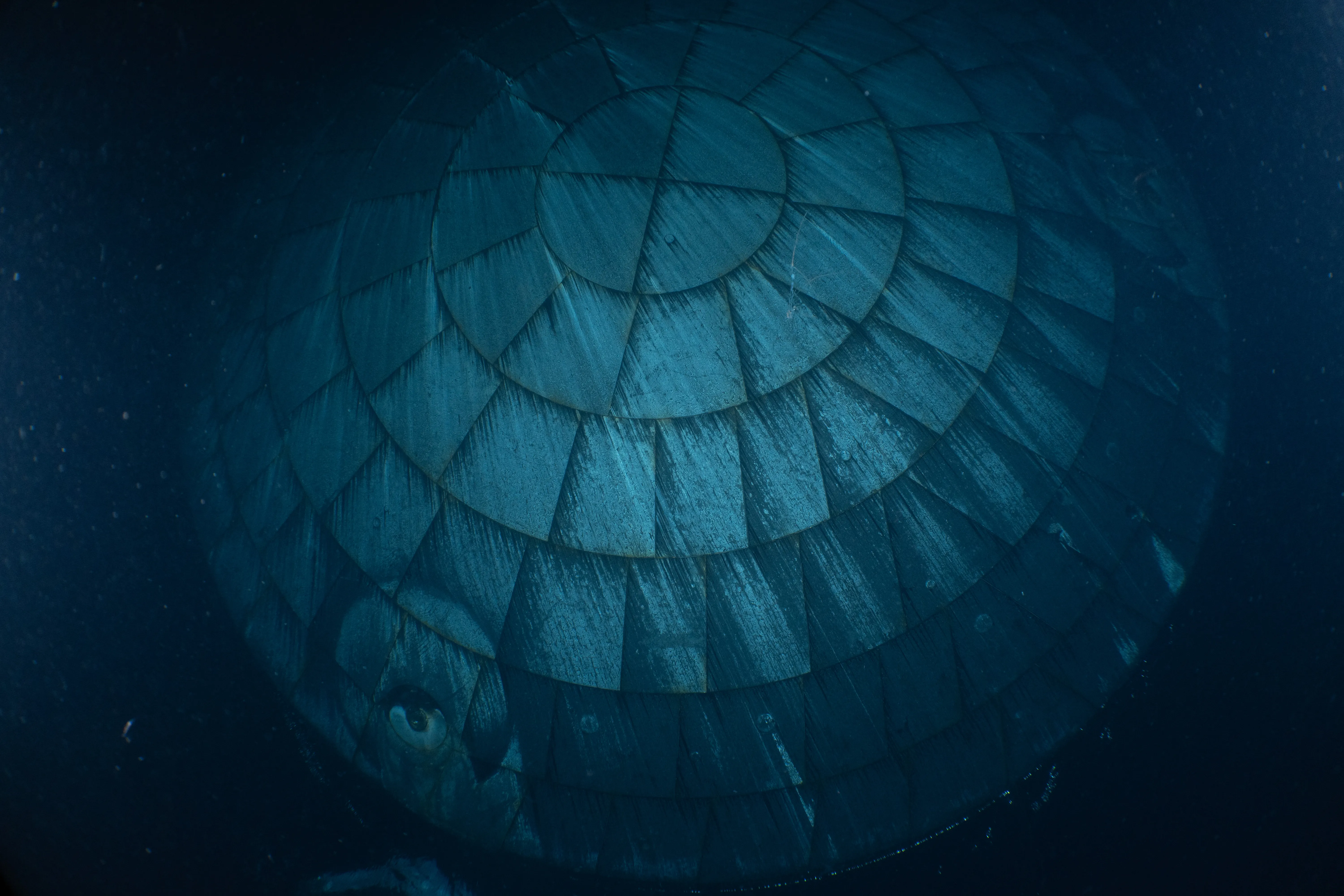
Now that Artemis II is all wrapped up , NASA has begun its post-game performance analyses of all the systems that worked together to get four astronauts safely to the moon and back earlier this month. In addition to taking humans farther than ever before, Artemis II served as a crucial test flight for upcoming crewed missions that are planned for as soon as 2027 and 2028, the latter being NASA's ambitious target for landing astronauts on the lunar surface. So far, the Orion spacecraft and the SLS rocket seem to have fared pretty well. NASA says its initial assessments of the crew capsule show its heat shield performed as expected, with no unusual conditions identified, and it didn't exhibit as much char loss as seen in the uncrewed Artemis I test. (Navy divers snapped some really cool pictures of the heat shield underwater after splashdown, as seen below). Splashdown went according to plan, with Orion landing 2.9 miles from its targeted landing site, according to NASA, and its entry interface velocity was within one mile-per-hour of predictions. US Navy NASA says the SLS rocket performed well, too. It still has tests to run, but, At main engine cutoff, when the core stages RS-25 liquid engines shutdown, the spacecraft was traveling at over 18,000 miles per hour, achieving its insertion velocity for orbit, and executing a precise bullseye for its intended location, the space agency noted in a blog post. One thing that we know did cause some issues, though, was the toilet system. Shortly after launch, the astronauts reported problems with the urine vent line , which mission specialist Christina Koch was able to troubleshoot with help from the ground crew. But, everyone would like to avoid that on the next mission, so NASA now has teams checking out the hardware and data to identify what went wrong and how to prevent it. Watch the Earthset The Artemis II astronauts have continued to share glimpses into their journey around the moon, and this week, the mission's commander, Reid Wiseman posted an incredible video of the Earth setting behind the moon, as seen from the Orion spacecraft. Humans haven't seen that phenomenon firsthand in over 50 years, since the last Apollo mission. Read more about that here . Only one chance in this lifetime Like watching sunset at the beach from the most foreign seat in the cosmos, I couldnt resist a cell phone video of Earthset. You can hear the shutter on the Nikon as @Astro_Christina is hammering away on 3-shot brackets and capturing those pic.twitter.com/8aWnaFJ69c Reid Wiseman (@astro_reid) April 19, 2026 While ten days might not seem like that long of a time to be in space, it still does things to the body, and returning to Earth has been a bit of an adjustment for the crew. Astronaut Koch last week posted a video of herself struggling through a tandem walk exercise with her eyes closed, taken after her return to Earth. When people live in microgravity, the systems in our body that have evolved to tell our brains how were moving, the vestibular organs, dont work correctly, she explained in the caption . Our brains learn to ignore those signals and so when we first get back to gravity, we are heavily reliant on our eyes to orient ourselves visually. View this post on Instagram Before you go, be sure to check these stories out too: Apple, Amazon join push for looser greenhouse emissions reporting NASA targets a September launch for its next big space telescope NASA's Curiosity Rover found promising organic chemicals on Mars Blue Origin landed its recycled New Glenn booster but failed to put payload in orbit This article originally appeared on Engadget at https://www.engadget.com/science/nasas-initial-takeaways-from-the-artemis-ii-mission-and-more-science-stories-160000808.html?src=rss