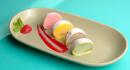
Melt in the mouth: Ooru on the growing mochi ice cream trend
The first bite is always the same: A tiny, happy shock. Cold ice cream tucked inside something soft and stretchy, chewy yet creamy, playful yet indulgent a combination that shouldnt work but absolutely does. In ooru, that little jolt has quietly grown into a citywide fascination, with mochi ice cream popping up in cafes and dessert counters, surprising diners and keeping them coming back for more. Priyesh Busetty, co-founder of YUKI, recalls the motivation behind bringing mochi to the city. We wanted to bring a playful, modern take on Japanese desserts to the city, something light and instantly joyful, he says. He and his team also wanted to offer flavours that would resonate locally, like mango, hazelnut, matcha and even betel leaf, which has become an unexpected favourite. People think its paan, but betel leaf has been an integral part of Thai cuisine. It became our unexpected success, he adds, highlighting how local palates are open to experimentation when it comes to dessert. Yuki Mochi ice cream is all about nostalgia for IKOI Tokyo co-founder Sara. Growing up in Japan, it was a small indulgence she could only enjoy once in a while. In Japan, mochi ice cream is a very popular classic ice cream snack, the kind you find in convenience stores or local supermarkets, she says. Bringing it to Bengaluru, she wanted the dessert to either take people straight back to those memories or create new ones for first-timers. We have just started serving mochi ice cream at our cafe, but already the house-made vanilla flavour and mixed berries flavours are a hit. If youre an ice cream lover, you need to try the mochi version. Even if you havent had mochi before, you will get hooked, Sara adds, her enthusiasm infectious. Elsewhere in the city, interest in mochi is also prompting bigger conversations about where this trend might lead. At Kawaii in Indiranagar, Ashwin has chosen to import mochi ice cream rather than produce it locally, a decision that often surprises customers. Its still early days for mochi here. The highest growth phase acquisitions, white labels, domestic manufacturing, export, all of that lies ahead of us. I wont be surprised if the likes of prominent dairy brands get into mochi territory. That would dilute this rare commodity into something your normie uncle at the dinner table wants and thats when you know mochi ice cream has maxed out, he believes. He also notices how customers react when they discover the mochis are imported. Im only surprised by the reaction of some repeat customers. Its hard not to know. People just dont expect the real stuff anymore. They dont expect a business to look at them and say I will import mochi ice cream for you, he adds, sharing how rare the experience still feels. Diners are hunching over their spoons, tasting, comparing, laughing and debating which flavour wins. People are looking for something fun, something that makes them pause, Sara notes. Busetty agrees, And they keep coming back. Thats the real win. Mochi ice cream in the city has become more than a dessert, its a tiny adventure in every bite with endless surprises ahead. Royal China The Cousins While mochi ice cream steals the spotlight, diners are also discovering its warm Cantonese cousin, Lai Wong Bao. Fajr Qureishi, co-founder at FnF Hospitality explains that diners often draw parallels between the two. Somthing like Lai Wong Bao evokes fond memories of mochi ice cream, that soft and comforting experience coupled with an explosion of sweetness within, he says. Instead of a chewy chill, Lai Wong Bao, a quintessential Cantonese steamed bun, is cloud-like, filled with velvety custard made of egg, milk and butter. Each bun is carefully steamed to perfection, releasing an enchanting sweetness that captivates the senses and leaves you craving more, Qureishi shares. Daifuku Meanwhile, Srijith Panicker, founder of Neon Market, is exploring the Japanese daifuku, a soft mochi filled with French-style cream. While technically not ice cream, the experience evokes the same joy. Traditionally, the filling is anko, a sweet red bean paste made from adzuki beans. Modern variations feature a wide range of sweet fillings, including fruit, cream and matcha-flavoured pastes. Our authenticity comes from the traditional mochi craftsmanship and the textures that define true daifuku, but the fillings and globally loved flavour pairings help us connect with local tastes. We stay true to the technique while making the flavours approachable, exciting and very Bengaluru-friendly, he says, adding how sour cherry dark chocolate and Thai tea boba have quickly become favourites.

 13 C
13 C