'Epilepsy shaped my sporting choices, says South Africa cricketer & coach Jonty Rhodes in Bengaluru
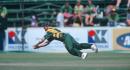
With bated breath, the packed stadium follows the ball as it races towards the boundary. Then, in a split second, Jonty Rhodes launches himself forward, body parallel to the ground and arm outstretched. The direct hit crashes into the stumps. Batsman Inzamam-ul-Haq is caught short of his crease. Rhodes is already on his feet, grinning, exchanging high-fives with his team as the crowd erupts in celebration. Today, that moment from the 1992 World Cup lives on beyond the stadium. Scroll down and the comments of a YouTube video of the Superman run-out, 15 years old, says it all 70 per cent of Earth is covered by water. The rest is covered by Jonty Rhodes. The Greatest Of All Time Another netizen warns, Stunts are performed by experts. Do not try this at home. (sic). The International Cricket Council (ICC) has since labelled the run-out as one of the greatest moments in Mens Cricket World Cup history. Yet, the former South Africa cricketer speaks with modesty about the moment that redefined fielding. The only thing going through my mind was the ball. That, and the fact that my throwing accuracy wasnt very good, says Rhodes, who was in ooru for the launch of Aster CMI Hospitals Centre of Excellence for Epilepsy. From backward point, he remembers seeing three stumps at the bowlers end, with Imran Khan batting and his hands up, giving him a better target. At the other end, there was just one stump on Inzamams side. Inzamam was young then. We didnt realise how bad he was between the wickets, but he was tall and lumbering. The only way I could cover those last two metres quicker than him was through the air. So I took the dive. Id never done it before and I never did it again. At the time, fielding was rarely celebrated. There were no specialised coaches, no drills designed to fine-tune athleticism. It was 90-over test cricket and I was diving around the field because I loved it. There was always a key message for me that there are no shortcuts. If youre passionate about what youre doing, hardwork doesnt feel like a labour. Its more of a passion, says the cricketer, who lives in Goa for six months of the year and spends the rest in Cape Town. That love translated into relentless effort in Test cricket diving, sprinting and anticipating, as he says with a broad smile, At one stage I felt like the father of fielding. Now I feel like the grandfather of fielding. Ive been around for a long time. Anticipation, he says, was his real strength. Everyone at that level has good reflexes. Anticipation is expecting every ball to come to you. That split second makes the difference between a good fielder and a great one, he shares. Its a philosophy that continues to shape modern cricket, visible in the athleticism now demanded of every player. Rhodes would later witness this evolution firsthand during his nine seasons with the IPL giant Mumbai Indians, joining the franchise in 2010. Cricket keeps changing and thats great, says Rhodes, currently the South African cricketer. Behind this legacy lies a story far removed from packed stadiums and roaring applause. Growing up in South Africa, Rhodes was diagnosed with a mild form of epilepsy at age six, at a time when the condition was poorly understood. My parents knew that something was going on, they just didnt know what. My father was a rugby player in his youth. Epilepsy certainly prevented me from playing rugby and following in his footsteps. So a key message for me was that when you know your limits, you can overcome them. Epilepsy shaped my sporting choices, he says, adding that hockey and football became his training ground, teaching him balance, spatial awareness and speed skills, that later defined his cricketing identity. Even safety was thoughtfully negotiated. When helmets werent available in South Africa, his parents ordered one from England. That early support shapes the message he shares today. Dont stop dreaming. Just make sure your dreams are aligned with what you can and cant achieve, he says addressing young athletes with epilepsy. Jonty Rhodes in action Behind this legacy lies a story far removed from packed stadiums and roaring applause. Growing up in South Africa, Rhodes was diagnosed with a mild form of epilepsy at age six, at a time when the condition was poorly understood. My parents knew that something was going on, they just didnt know what. My father was a rugby player in his youth. Epilepsy certainly prevented me from playing rugby and following in his footsteps. So a key message for me was that when you know your limits, you can overcome them. Epilepsy shaped my sporting choices, he says, adding that hockey and football became his training ground, teaching him balance, spatial awareness and speed skills, that later defined his cricketing identity. Even safety was thoughtfully negotiated. When helmets werent available in South Africa, his parents ordered one from England. That early support shapes the message he shares today. Dont stop dreaming. Just make sure your dreams are aligned with what you can and cant achieve, he says addressing young athletes with epilepsy.

 17 C
17 C