
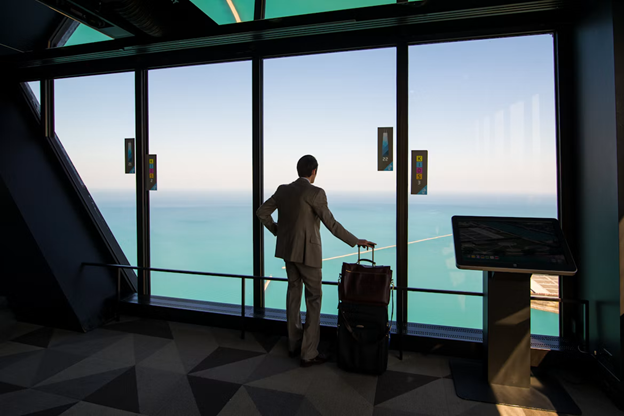
Business travel often creates awkward gaps that are too short for sightseeing yet too long to waste in a terminal or hotel lobby. A three-hour layover, early arrival or late evening departure can still support focused work, a useful client conversation or a proper break. The difference comes down to planning each gap around location, energy and practical needs.
Corporate travelers also need realistic expectations. Schedules change, connectivity fails and unfamiliar transit systems take time to understand. Employers can help by resetting travel expectations around what employees can reasonably accomplish between appointments. Travelers, meanwhile, can build flexible plans that make gap hours productive without turning every available minute into work.
The Real Productivity Cost of Gap Hours
A two-hour opening in your calendar rarely provides two full hours of productive time. You may need 20 minutes to leave a station, another 20 to reach a suitable workspace and extra time to pass through building security before your next meeting. Once those transition periods are counted, the usable block could be closer to 45 minutes.
Treat each gap as a time budget. Start with the next fixed commitment, then work backward to include transit, a location buffer and time to gather your belongings. If a client meeting starts at 3 p.m. and the office is 30 minutes away, plan to leave your workspace by 2:10 p.m. That creates room for traffic or an unfamiliar entrance.
Match tasks to the time that remains. Short blocks work well for approving documents, recording voice notes or organizing follow-up actions. A 60- to 90-minute window may support proposal edits or a video call if you have a quiet room and reliable internet. These mobile productivity tips also emphasize practical preparation, including offline access to files and dependable connectivity.
Energy matters as much as time. After an early flight, lunch and a demanding presentation, another hour of screen work may produce little of value. A short walk, a meal or 20 quiet minutes can improve the quality of the next meeting more than clearing a few low-priority emails.
Navigating City Centers Between Meetings
Choose one geographic base when several meetings take place in the same city center. Moving between a cafe, hotel and distant meeting venue creates unnecessary travel risk. A centrally located workspace near a major station often gives you easier access to transit, food and the next appointment.
Start by plotting every fixed destination on one map. Check walking times as well as public transit routes because a 15-minute train ride can involve another 20 minutes of station access and waiting. Save each address offline and note the correct building entrance. Large office complexes sometimes have several entrances on different streets, which can turn an apparently simple arrival into a stressful search.
Your bags also affect mobility. If you arrive at Gdańsk Główny hours before a meeting or need to explore the center after checking out, prebooked Gdańsk luggage storage can provide a practical place to leave travel bags through a local partner. Confirm opening hours, the exact drop-off point and the time needed to collect your items before departure.
For longer gaps, consider a professional workspace instead of relying on the nearest coffee shop. Guides to coworking day passes explain how traveling professionals use short-term access for calls and focused work. Before paying, check whether the pass includes a private booth, printing, charging points and access during the full period you need. A quiet desk has limited value if your main task is a confidential video meeting and every booth is already booked.
Ditching Heavy Bags Before Networking Dinners
Carrying a suitcase into an evening event creates several practical problems. You may struggle with stairs, crowded entrances or coat-check restrictions. The bag can also keep one hand occupied when you need to exchange business cards, take notes or greet people.
Plan the handoff before the workday begins. Hotel guests should ask about holding bags after checkout, including the latest collection time. Travelers changing accommodations can look for a staffed storage point close to the evening venue or their departure station. Keep enough collection time in the schedule so one extended conversation doesn’t put the rest of the evening under pressure.
Transfer essential items into a slim work bag before leaving the larger case. A useful evening kit might include:
- Phone and compact charger
- Business cards or a digital contact-sharing option
- Event confirmation and identification
- Necessary medication
- A small notebook and pen
- Transit card or payment method
Avoid placing your laptop, passport or confidential company documents in a checked or unattended bag unless the provider’s rules and your employer’s travel policy permit it. If those items must stay with you, use a light backpack or structured laptop bag that remains comfortable during a standing event.
Set two alarms before networking begins. The first should signal when to wrap up conversations and the second should mark the latest safe departure time. This simple buffer prevents a productive dinner from ending with a rushed trip across town to retrieve belongings or catch the final connection.
Essential Apps for On-the-Go Professionals
A useful travel phone setup should cover transport, work access, communication and contingency planning. Install and sign in to every important app before departure. Login problems are much easier to solve at your usual desk than on public Wi-Fi shortly before a meeting.
Begin with the official airline or rail app, a mapping service with offline downloads and the local public transit app. Add your employer’s approved communication, expense and document tools. Advice for the modern business traveler also highlights the value of selecting technology that supports work away from a fixed office. AI-powered itinerary planning is another emerging option, with travel planning tools that use AI to organize itineraries potentially helping travelers coordinate their plans.
Organize apps into a single travel folder and turn on only the notifications that affect the current trip. Gate changes, train disruptions and meeting updates deserve immediate attention. Promotional alerts and routine workplace notifications can wait. Too many alerts make it easier to miss the one message that changes your schedule.
Download the day’s essentials for offline use. These should include your itinerary, boarding documents, meeting briefs, presentation files and key addresses. Store emergency contact details in a format you can access even if an account becomes unavailable. A screenshot of a booking reference can be useful when connectivity drops, though sensitive documents should remain in approved secure systems.
Battery planning is equally practical. Charge devices overnight, carry the correct cables and keep a compact power bank ready. Review plug types before international travel and pack an approved adapter. When joining public networks, follow company security rules and avoid handling sensitive material through connections you don’t trust.
Smart layover planning leaves room for delays as well as useful work. Before each travel day, identify one dependable base, calculate your true departure time and decide where your larger bags will go. When the final meeting runs 15 minutes late, those decisions keep a small delay from disrupting the rest of the schedule.
Photo by Artem Zhukov on Unsplash (Free for Commercial use)
Image published on November 19, 2020