When you look at a young child, it may seem like they are just playing, observing, or slowly figuring things out. But behind all of that, something much bigger is happening. The first five years of life are when most of the brain’s development takes place. What a child experiences during this time quietly shapes how they think, learn, and behave later on.
This is also the stage where habits begin to form. Confidence starts building. Communication begins to take shape. And the environment around the child plays a much bigger role than most people realise.
Let’s understand why these early years matter so much and how the right support can make a difference.
Why the First 5 Years Are Critical
A child’s brain develops at its fastest pace during the early years. In fact, more than a million neural connections are formed every second. These connections are what help children think, respond, remember, and learn.
But this development does not happen in isolation. It depends heavily on what the child is exposed to.
Simple, everyday experiences begin to shape how a child processes the world. Conversations at home influence language. Playtime affects problem-solving. Interactions with others shape behaviour and emotional responses. Over time, these small moments build the foundation for larger abilities.
The environment matters just as much as care. A child who is encouraged, spoken to, and engaged regularly is likely to develop stronger thinking and learning abilities. On the other hand, limited interaction or lack of stimulation can slow down this development.
This is why early childhood is often seen as a window of opportunity. What is introduced during these years tends to stay with the child for a long time.
What Skills Children Develop During These Years
During the first five years, children are not just growing physically. They are developing a wide range of skills that will support them throughout life.
1. Cognitive Skills
This includes development of cognitive skills such as thinking, memory, and problem-solving. Children begin to recognise patterns, understand cause and effect, and explore how things work. Even simple activities like stacking blocks or solving basic puzzles contribute to this growth.
2. Language Skills
Children learn how to express themselves and understand others. This starts with basic words and gradually builds into sentences and conversations. The more they are spoken to, the better their communication becomes.
3. Social Skills
Interaction with others teaches children how to share, take turns, and respond in group settings. These experiences help them understand relationships and cooperation from an early stage.
4. Emotional Skills
Children begin to recognise their feelings and manage them. They slowly learn patience, confidence, and self-control. This plays a major role in how they handle situations later in school and life.
All of these areas are connected. Growth in one area often supports another. That is why early development has such a long-term impact. The stronger this base is, the easier it becomes for children to handle learning and life ahead.
Why Early Learning Support Matters
Parents play the most important role in a child’s life. They provide care, comfort, and emotional security. That foundation is essential.
At the same time, there are certain areas where additional support can help. Structured learning, regular routines, and interaction with other children are not always easy to maintain at home.
Without these, small gaps in development can start to appear. A child may struggle with communication, confidence, or adjusting to group settings. Over time, these gaps can make the transition to school more difficult.
Early learning centres help bridge this gap. They provide a balanced environment where children can learn, interact, and grow in a more structured way. They also support parents by sharing responsibility for early development in a thoughtful and organised manner.
Key Benefits of Early Learning Centres
1. Structured and Stimulating Environment
Children benefit from routines. A structured environment helps them feel secure while also encouraging curiosity through planned activities.
2. Social and Emotional Development
Being around other children helps them learn how to interact, share, and express themselves. It also builds confidence and emotional awareness.
3. School Readiness
Early exposure to routines, basic concepts, and group environments makes the shift to formal schooling much smoother. Children feel more comfortable and prepared when they step into a classroom.
How These Benefits Come to Life
While these benefits highlight the importance of early learning centres and preschools, their real impact depends on how they are delivered in everyday experiences. The environment, teaching approach, and interactions within the preschool setting play a key role in shaping these outcomes.
Let’s take a closer look at how KLAY Preschools and Daycare brings these benefits to life in practice.
What Early Learning Looks Like at KLAY Preschools and Daycare
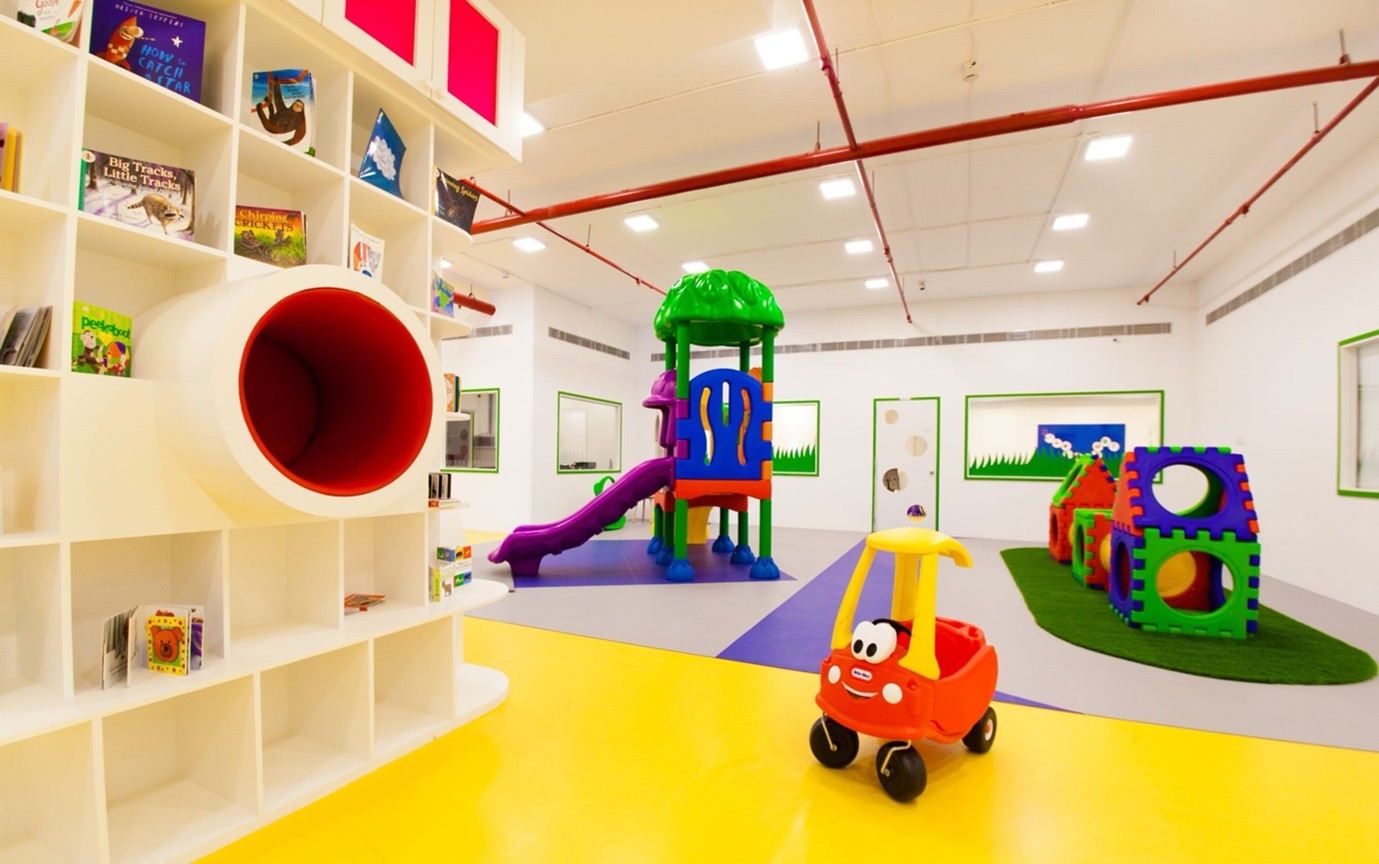
Early Learning at KLAY Preschools and Daycare is designed to match how children naturally grow and learn.
1. Play-Based, Child-Centric Learning
Learning at KLAY Preschools and Daycare happens through play, exploration, and hands-on experiences. Instead of pushing information, children are encouraged to discover things on their own. This approach builds curiosity from the start. It also helps children become more confident in trying new activities, solving simple problems, and adjusting to new situations without hesitation.
2. Focus on Holistic Development
KLAY Preschools and Daycare looks beyond just early academics. Equal attention is given to cognitive, language, social, emotional, and physical development. Children are guided to express themselves clearly, interact comfortably with others, and understand their emotions better. Over time, this helps them build confidence and develop a strong sense of self, which carries forward into school and beyond.
3. Structured Yet Flexible Curriculum
A balance is maintained between routine and flexibility. Children follow a structure that helps them stay focused, while still having the freedom to explore and learn at their own pace. This combination prepares them for more structured school environments later on.
4. Personalised Learning Experience
Every child is different, and KLAY recognises that. Activities are adapted based on each child’s pace and development level. This helps improve understanding and builds confidence over time. It also encourages children to become more independent in how they learn.
5. Preparing for School and Life
Early literacy, basic numeracy, and communication skills are introduced in a gradual and engaging way. This not only supports school readiness but also builds habits that continue to help children in the long run.
Final Thoughts
The first five years are not just about growth. They are about building a strong base for everything that follows.
With the right mix of care, environment, and early learning support, children are better prepared to handle school, relationships, and everyday challenges. Early learning centres play an important role in this journey by offering structure, guidance, and opportunities that may not always be possible at home.
If you are thinking about your child’s future, this is one stage that deserves your full attention.
Image by https://klay.co.in/