Picture this: water begins pooling on your kitchen floor just as a winter storm rolls through Portland. In older homes—those built before the 1970s—original pipes and fixtures are often still in place. These aging systems are especially prone to sudden leaks, which can cause extensive damage in a matter of minutes. Responding quickly and knowledgeably is the difference between a minor repair and costly restoration. Homeowners in Portland’s historic neighborhoods face unique challenges when it comes to plumbing emergencies, but knowing how to act when a leak strikes can save both your home and your budget.
Understanding the risks tied to older plumbing, how to shut off the water, and when to involve a professional makes all the difference. Whether you’re dealing with a dripping ceiling or a burst pipe, an immediate and informed response is critical for homes with aging infrastructure. Let’s look at the most effective steps for tackling unexpected leaks in Portland’s historic residences.
Plumbers in Portland, Or: Emergency Leak Response for Older Homes
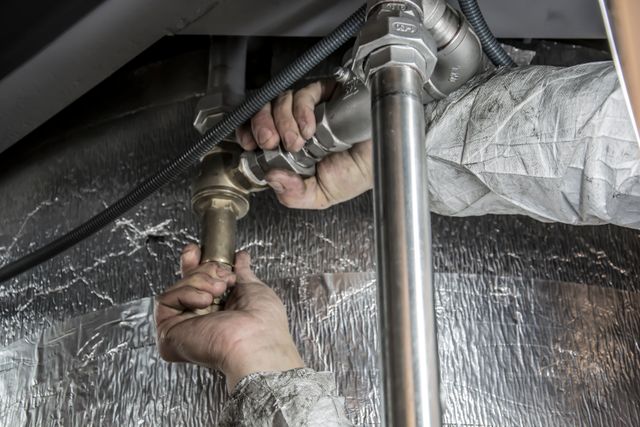
Older Portland homes often have galvanized steel or cast iron pipes, which can corrode over time and lead to sudden leaks. These materials, common in houses built before the 1960s, are much more vulnerable to rust and internal buildup than modern alternatives. When a leak occurs, it’s crucial to locate the source quickly—water can travel along beams and walls, making the problem seem smaller or farther away than it actually is. A swift inspection of exposed pipes in basements or crawlspaces can reveal visible corrosion, pinhole leaks, or dampness.
Once a leak is found, containing the water should be a top priority. Absorbent towels and buckets can help limit immediate damage, but don’t attempt significant repairs without the right tools. Many local homeowners turn to Plumbers in Portland, Or for rapid response in urgent situations. These professionals use specialized equipment to trace concealed leaks and recommend repairs suited for older plumbing systems.
Understanding the effects of pipe corrosion in historic homes helps residents recognize why timely intervention is so important. Delaying repairs can result in hidden water damage, mold growth, or even structural issues—especially in houses where original materials are still in use.
How to Shut Off Water During a Plumbing Emergency
Knowing the location of your home’s main water shut-off valve is a fundamental step in leak response. In many older Portland homes, the main valve is found in the basement, crawlspace, or on the perimeter wall facing the street. The valve is often a round wheel or lever that needs to be turned clockwise to stop the flow of water. Practice locating and turning off this valve before an emergency arises to avoid wasting precious minutes during a real leak event.
If the leak is isolated to a specific fixture, such as a toilet or sink, individual shut-off valves can be used. These are small valves located under or behind the fixture and can be turned by hand. Shutting off only the affected fixture can minimize disruption while you wait for repairs.
Step-by-step instructions for how to safely shut off your home’s water supply are available from city utilities and homeowner resources. Familiarizing yourself with these procedures helps prevent panic and further damage when a plumbing emergency strikes.
Common Leak Risks in Older Portland Houses
Original plumbing in older Portland homes can present several unique leak risks. Galvanized water pipes, which were widely used before copper became standard, are especially prone to internal rust and clogging. This gradual deterioration can lead to sudden splits or pinhole leaks, often first noticed as reduced water pressure or unexplained dampness near walls and floors.
Another common culprit in historic houses is outdated supply lines for washing machines, dishwashers, or water heaters. Rubber hoses, which were commonly installed decades ago, are far more likely to fail than modern braided stainless steel lines. Replacing these vulnerable parts before they fail is a practical preventative measure.
In the Pacific Northwest climate, freezing temperatures can also cause old pipes to burst. Ensuring that crawlspaces and exposed plumbing are properly insulated is a key defense against winter leaks. Spotting early warning signs, such as water spots on ceilings or slow-draining sinks, allows for timely intervention before a minor issue turns into a full-blown emergency plumber Portland OR call.
When to Call an Emergency Plumber in Portland, OR
Not every leak requires immediate professional help, but certain situations demand expert intervention. If you discover water pouring from ceilings, walls, or floors—especially if you cannot stop the flow at the main valve—contacting an emergency plumber Portland OR is the safest course of action. Rapid water loss can quickly compromise electrical systems and the structural integrity of older homes.
Persistent leaks, even if small, should also prompt a call if they recur after temporary fixes. This often signals a deeper issue within the aging pipe network. If you smell sewage or notice discoloration in your water, a professional assessment is needed to prevent health hazards and further deterioration.
Timely repair by a qualified plumber reduces the risk of mold, rot, and expensive restoration in Portland’s historic homes. Emergency services are equipped to handle urgent situations, from burst pipes to failed water heaters, using methods that respect the unique construction of older properties.
Conclusion
Make a habit of checking your home’s pipe materials, learning the location of shut-off valves, and watching for early signs of leaks. If you encounter anything beyond a simple drip, prioritize shutting off the water and reaching out to a plumbing professional experienced with older Portland homes. Quick, knowledgeable action is the key to preserving your home’s value and character during a plumbing emergency.
Photo by Anıl Karakaya from Pexels (Free for Commercial use)
Image Published on Jan 6, 2021