
Before agreeing to any elderly care arrangement, there’s a conversation that often gets skipped. Families focus on cost, availability, and general reputation, but rarely sit down and go through the actual clinical protocols a provider follows. This conversation matters just as much, if not more.
Here are the key protocols worth reviewing with any provider before finalising elderly care for a parent or relative.
Medication Management Protocol
Medication errors are one of the most common, and preventable issues in elderly care. Before starting any arrangement, ask exactly how medication is handled.
Important questions to ask:
- Who is responsible for administering medication?
- How are dosages and timings tracked?
- What happens if a dose is missed or delayed?
- Is there a written log maintained daily?
A provider without a clear answer to these questions is a warning sign, regardless of how experienced they claim to be.
Health Monitoring Protocol
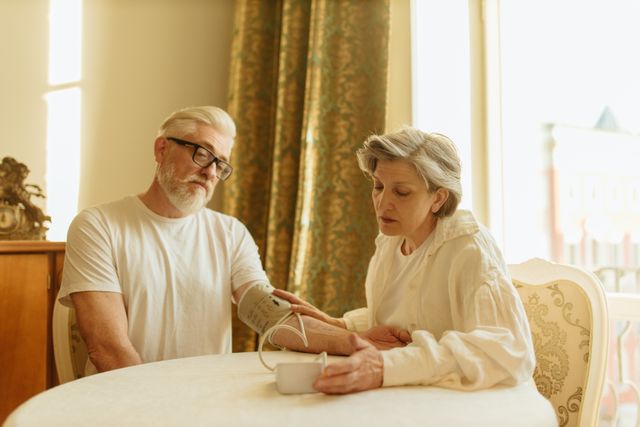
Ongoing health monitoring should be structured, not occasional. This includes checking vitals, tracking mobility changes, and noting any shifts in appetite or behaviour.
Ask providers to explain:
- How often are health checks conducted
- What specific measurements or observations are recorded
- How does this information get shared with family members
- When a doctor gets involved, and how quickly
Clear answers here usually indicate a provider who takes clinical accountability seriously.
Emergency Response Protocol
Emergencies, even rare ones, need a clear plan. Waiting to figure things out in the moment can cost valuable time.
A proper emergency protocol should cover:
- Immediate steps are taken if a health emergency occurs
- Access to the patient’s medical history and current medications
- Contact details for the nearest hospital or doctor
- A clear process for informing family members quickly
This is one area where families should ask for specifics, not general reassurances.
Staff Qualification and Verification Protocol
Anyone providing elderly care services in Bangalore should be able to clearly explain how their staff are trained, verified, and monitored over time. This isn’t just about hiring qualified people once. It’s about maintaining that standard consistently.
Worth asking:
- What training do caregivers receive before starting work?
- Are background checks conducted, and how often are they renewed?
- Is there ongoing supervision or a periodic performance review?
Hygiene and Safety Protocol
Cleanliness and safety measures directly affect an elderly person’s health, especially for those with weaker immunity or existing conditions. This protocol should be specific, not a vague mention of “maintaining hygiene.”
Ask about:
- Sanitisation practices for equipment and living spaces
- Fall-prevention measures in place
- Handling of medical waste, if applicable
Personalised Care Planning Protocol
No two elderly individuals have identical needs. A proper care plan should reflect the specific person, not a generic template applied across every client.
A good provider will typically:
- Conduct a detailed assessment before starting care
- Set clear, individual health and comfort goals
- Review and adjust the plan periodically as needs change
This is also where the setting of care starts to matter. When it comes to eldercare at home, this kind of personalisation tends to be far easier to build and adjust, since the entire routine can be shaped around one individual rather than fitted into a shared schedule.
Communication and Escalation Protocol
Families need a clear, reliable way to stay informed and raise concerns when needed. A good provider won’t leave this vague.
Look for clarity on:
- How often updates are shared, and through what channel
- Who to contact for questions or concerns
- What the escalation process looks like if a concern isn’t resolved quickly
Why Reviewing These Protocols Matters
Going through these protocols before starting care isn’t about being difficult or overly cautious. It’s about setting clear expectations early, so there’s no confusion later about who is responsible for what, and how issues get handled if something doesn’t go as planned.
A provider who welcomes these questions and answers them clearly is usually one worth trusting. Vague or defensive responses, on the other hand, are worth taking seriously as a red flag.
A Simple Checklist Before You Decide
Before finalising any arrangement, it helps to have written answers to:
- How is medication managed and tracked?
- How often is health monitored, and how are changes reported?
- What’s the emergency response process?
- How are caregiving staff trained and verified?
- What hygiene and safety measures are followed?
- Is the care plan personalised to the individual?
- How are updates and concerns communicated?
Final Thoughts
Elderly care isn’t just about finding someone reliable and kind, though that matters too. It’s about knowing exactly what clinical standards are being followed, day after day. Taking the time to review these protocols upfront gives families real clarity, and gives their elderly loved one the safest, most consistent care possible.
Photo by Yaroslav Shuraev from Pexels (Free for Commercial use)
Image Published On May 27th, 2021