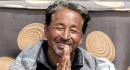
Centre opposes Sonam Wangchuks request to appear via video in Supreme Court NSA case
NEW DELHI: The Centre on Monday strongly opposed climate activist Sonam Wangchuks request to appear before the Supreme Court via video conferencing from Jodhpur jail in the case related to his detention under the National Security Act (NSA). During the hearing, senior advocate Kapil Sibal, representing Wangchuks wife Gitanjali J Angmo, requested that the 52-year-old activist be allowed to join the proceedings via video from jail. Solicitor General Tushar Mehta, appearing for the Centre, opposed the request, saying, We will have to give the same treatment to all convicts across the country. The Supreme Court, however, did not pass any order on the request and adjourned the matter to December 15. The two-judge bench, headed by Justices Aravind Kumar and N V Anjaria, is hearing a plea filed by Angmo alleging that Wangchuks detention was illegal and arbitrary, violating his fundamental rights. On October 29, the court had sought responses from the Centre and the Ladakh administration on her amended plea. In her petition, Angmo claimed that her husbands detention was not based on genuine concerns of public order or security and described it as a calculated attempt to silence Wangchuks right to dissent. She argued that the detention order relied on stale, irrelevant, and extraneous FIRs, noting that three of the five FIRs cited were from 2024 and bore no direct connection to his detention in September 2025. She further stated that four of the five FIRs, three of which were registered against unknown persons, did not name Wangchuk, and thus there was no clear, live, proximate, or intelligible connection between the FIRs and his preventive detention under the NSA. Angmo also contended that the authorities had violated safeguards under Section 11(1) of the NSA, as Wangchuk was not given an effective opportunity to make a representation before the Advisory Board. She added, Section 11(1) of the NSA necessarily contemplates that the Detenu must not only be informed of his right of representation but must be placed in a fair position to exercise that right effectively, with access to all material relied upon by the detaining authority. She further submitted that by denying Wangchuks authorised friend access to the complete grounds and supporting documents, the detaining authority obstructed his preparation of a meaningful representation, frustrating the very purpose of Section 11(1) of the NSA. The continued detention of Wangchuk should be vitiated on account of the grave and incurable procedural lapses committed by the Respondents. These lapses strike at the foundation of the constitutional and statutory safeguards embodied under the NSA, 1980, she argued. The Ministry of Home Affairs has accused Wangchuk of inciting violence in Leh town. According to reports, Wangchuk had been on a hunger strike since September 10, and when protests turned violent, he broke his fast and left the site in an ambulance. He was later detained under the NSA and shifted to Jodhpur Central Jail in Rajasthan. Angmos petition, filed as a habeas corpus plea under Article 32 of the Constitution on October 2, questioned the legality of her husbands arrest and the application of the NSA. She said she had not been allowed to contact him after his detention and described the arrest as without cause. Groups leading the movement for statehood and inclusion of Ladakh in the Sixth Schedule, including the Leh Apex Body (LAB) and the Kargil Democratic Alliance (KDA), have demanded Wangchuks unconditional release along with others detained. Angmo added that Wangchuk had condemned the violence on social media, stating that it would undermine Ladakhs peaceful five-year struggle, and called the day of the protests the saddest day of his life. The NSA allows the Centre and states to detain individuals for up to 12 months to prevent them from acting in a manner prejudicial to the defence of India, though detention orders can be revoked earlier.

 14 C
14 C